DDP Shipping from China to India: Costs, Rules & Pitfalls
- True DDP to India needs an Indian importer of record with a valid IEC and GSTIN — a foreign supplier cannot self-clear.
- Landed tax stack on most sporting/fitness goods: BCD 7.5–10% + 10% SW surcharge + 18% IGST, on CIF-plus-duty values.
- A realistic DDP 40HC Shenzhen → Mumbai lands around USD 3,200–4,600 plus duty/IGST at late-2026 rates.
- The six pitfalls that cause most Indian DDP losses: valuation flags, missing BIS, weak IOR arrangements, free time, lost IGST credit, rate swings.
- If you already hold an IEC, CIF/DAP with your own clearance usually beats DDP on cost.
DDP shipping from China to India means the seller or forwarder delivers goods cleared, duty-paid and GST-settled to a named Indian address — but it only works legally through an Indian importer of record holding an IEC and GSTIN. Get that structure wrong and your container sits at Nhava Sheva accruing demurrage. This guide breaks down the real cost build-up, the compliance rules, and the six pitfalls we see buyers hit every quarter.
India is one of the most misunderstood DDP destinations in our network. Unlike the UAE or Malaysia, Indian customs does not accept "the forwarder sorts it out" — the legal importer must exist in Indian registration systems before the vessel's IGM (Import General Manifest) is filed. Our India desk handles DDP through vetted IOR partners in Mumbai, Chennai and Delhi NCR, and the difference between a clean delivery and a 3-week customs hold is almost always paperwork decided before the container even loads in Shenzhen.
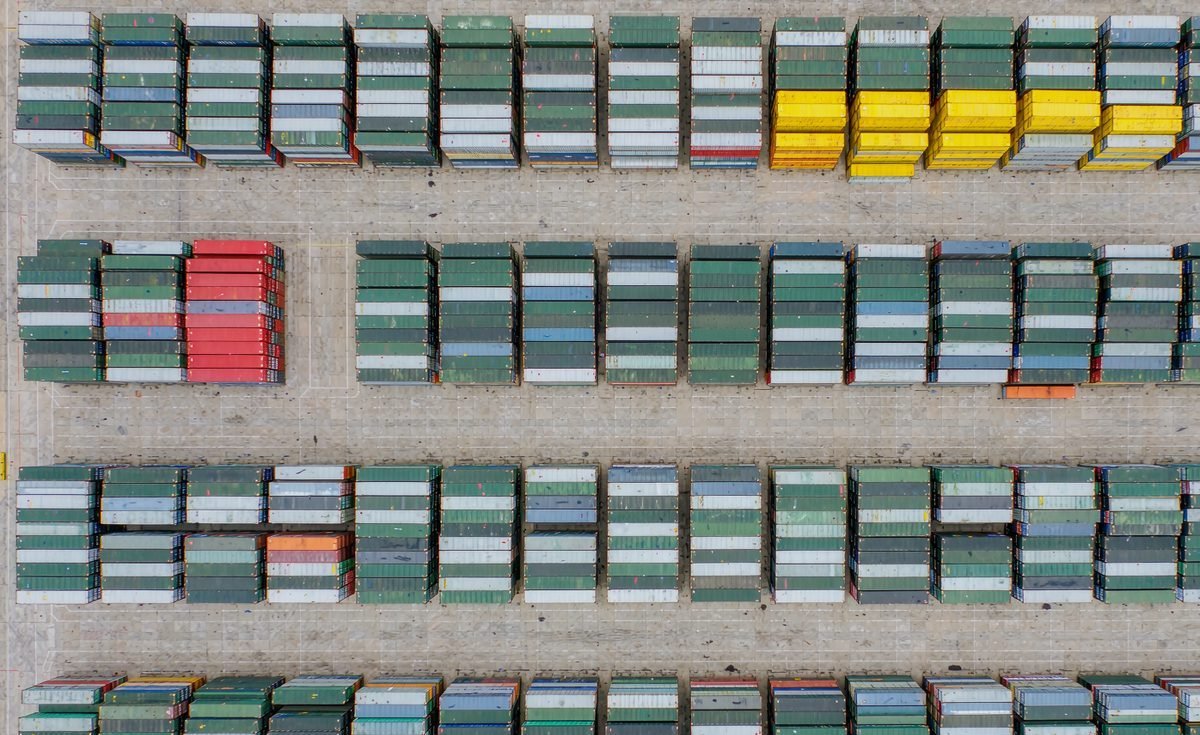
What Does DDP Actually Mean Under Incoterms 2020 — and How Does India Treat It?
Under DDP (Delivered Duty Paid), the seller bears maximum obligation: main carriage, insurance if agreed, export clearance in China, import clearance in India, all duties and taxes, and final delivery to the buyer's door. The buyer's only job is unloading.
India adds one twist most sellers miss: under Indian Customs law, the "importer" must be a person resident in India holding an IEC (Import Export Code) issued by DGFT and a GSTIN. A Shenzhen factory cannot be the importer of record. So practical DDP to India takes one of three shapes:
- Buyer-side DDP (most common): you have an Indian entity or a long-term agent with an IEC; the forwarder clears in their name and you pay the duty/GST through the DDP invoice.
- IOR service: the forwarder's Indian IOR partner imports in its own name and issues a tax invoice; you receive goods door-delivered but you cannot claim IGST input credit (the IOR claims it).
- Seller-side "fake DDP": a supplier quotes "DDP Mumbai" but plans to hand you the duty bill on arrival. This is really DAP and it is the single most common dispute we untangle.
If you are still choosing between terms, our plain-English explainer on Incoterms and shipping terms covers how DDP differs from DAP and CIF in liability terms.
How Is the DDP Landed Cost Built Up for India?
Indian landed cost is arithmetic — get the HS code right and you can forecast it precisely. For most sporting goods, fitness equipment and general merchandise, the stack looks like this:
| Cost component | Basis | Typical rate (2026) | Applies to |
|---|---|---|---|
| Ocean freight (Shenzhen → Nhava Sheva, 40HC) | Spot/contract | USD 1,300–1,800 | All cargo |
| Origin charges (trucking to Yantian, export customs, THC) | Lump sum | USD 250–450 | All cargo |
| Basic Customs Duty (BCD) | Assessable (CIF) value | 7.5–10% typical; some goods 15%+ | All imports |
| Social Welfare Surcharge (SWS) | BCD amount | 10% of BCD | All imports |
| IGST | CIF + BCD + SWS | 18% typical; 12–28% band | All imports |
| Port D.O. / delivery order, CHA fees, customs processing | Lump sum | USD 180–350 | All cargo |
| Inland trucking Nhava Sheva → Mumbai/Thane/Bhiwandi | Per container | USD 200–400 | Door leg |
Worked Example: 40HC of Fitness Equipment, Shenzhen → Mumbai Warehouse (DDP)
| Line item | Amount (USD) |
|---|---|
| FOB invoice value (assumed) | 58,000 |
| Ocean + origin charges | 1,650 |
| CIF assessable value (≈ FOB + freight + 0.125% insurance) | 59,670 |
| BCD @ 7.5% (HS 9506 category, illustrative) | 4,475 |
| SWS @ 10% of BCD | 448 |
| IGST @ 18% on (CIF + BCD + SWS) | 11,627 |
| Port + CHA + delivery order | 290 |
| Trucking Nhava Sheva → Bhiwandi warehouse | 310 |
| Total DDP cost | ≈ 76,800 |
Notice that duties and IGST — about USD 16,500 in this example — dwarf the freight. That is why serious DDP quotes to India are always HS-code-driven. If a "DDP Mumbai" quote is suspiciously close to the ocean rate alone, the duty is being deferred, underestimated, or quietly planned as an arrival-day surprise. Freight market context for budgeting: spot rates on the Asia–India lane swing with Red Sea routings and Indian port volumes, which you can track directionally via Drewry's World Container Index.
India does not require the SABER-style conformity scheme Saudi Arabia uses, but selected product groups need BIS (Bureau of Indian Standards) certification — currently mostly electrical and electronics, though ranges periodically expand, so confirm before contracting. General customs procedure and document requirements are published by India's CBIC and, on the export side, by China's General Administration of Customs.
What Documents Does a China–India DDP Shipment Need?
- Commercial invoice and packing list — unit values, HS codes, country of origin; Indian customs risk-management (RMS) screens these line-by-line.
- Bill of lading — consignee must match the IOR's IEC name exactly; "to order" bills complicate DDP clearance.
- Certificate of origin — required for duty assessment; can support preferential rates under ASIA-specific agreements where applicable.
- IEC and GSTIN copies of the importer of record — verified before booking on genuine DDP moves.
- AD Code registration at the port of clearance for the IOR (one-time, but a classic clearance-blocker for new importers).
- BIS registration where the product list requires it.
- Insurance certificate — even where not purchased, Indian assessable value assumes a notional 1.125% freight-plus-insurance uplift convention on FOB-based invoices.
The Six Pitfalls That Sink China–India DDP Shipments
1. Valuation flags and the "invoice too low" problem
Indian customs runs one of the world's most aggressive valuation databases. Under-invoiced Chinese goods routinely trigger RMS alerts, contingent duty demands, and provisional assessments. In a typical quarter our India desk resolves 2–3 valuation queries on consolidated boxes. Quote DDP on realistic values — the duty saving never survives the penalty.
2. The IEC that isn't really yours
Some low-cost "DDP" offers clear cargo under a third party's IEC that dozens of unrelated importers share. When that IEC gets suspended — and shared IECs do get suspended — every container registered to it freezes. Our IOR partners work on dedicated, audit-clean registrations.
3. Free time miscalculation at Nhava Sheva
Steamship lines typically grant 3–5 days combined free time at Nhava Sheva, less than at Jebel Ali or Singapore. A BIS query or an IGM amendment can eat that in 48 hours, and Indian demurrage plus ground rent compounds fast — a stuck 40HC can accumulate USD 300–600/day by week two.
4. IGST input credit that never reaches the buyer
If the IOR imports in its own name, the IGST (USD 11,627 in our example) sits in the IOR's GST ledger, not yours. Buyers who later switch to importing under their own IEC are often surprised they "lose" that credit. Decide the structure before the first shipment — our overview of India customs clearance, documents and duties walks through both models.
5. Ocean rate swings between quote and shipment
Asia–India spot rates can move 15–25% inside a month around Diwali restocking or Red Sea disruption. Waymore's DDP quotes carry a validity window (typically 14 days) and weekly discounted rates page updates; a DDP price with no expiry date is not a price, it is a guess.
6. Transit-time promises without monsoon and congestion buffers
June–September monsoon slows Nhava Sheva and Chennai operations, and Colombo/Port Klang transshipment congestion adds days on non-direct strings. Build 5–7 days of buffer into any DDP delivery promise, and check live port calls via the IMF's PortWatch platform.
When Should You Choose DDP — and When Not?
| Buyer situation | Recommended term | Why |
|---|---|---|
| No Indian entity, first order, testing market | DDP via IOR | You avoid IEC/GSTIN setup entirely; higher per-unit cost but zero registration |
| Own IEC + GSTIN, regular volumes | CIF or DAP + own CHA | You reclaim IGST input credit; typical saving 1.5–3% of landed value vs IOR fees |
| E-commerce/Amazon-style small parcels | Air DDP | Courier-style clearance via IOR; sea LCL DDP also viable above ~2 CBM |
| Heavy machinery needing site delivery | DAP + project clearance | Escort, ODC permits and installation staging rarely fit DDP pricing |
Mini-case: Ahmedabad fitness retailer, first container
A Gujarat wholesaler ordered one 40HC of treadmills and dumbbell sets from Qingdao, quoted "DDP Ahmedabad" by the supplier at USD 71,400. The supplier had priced duties on a 5% assumption. Actual BCD for the HS codes was 10% and IGST 18% — a USD 9,000 gap the supplier tried to recover on arrival. Waymore restructured the move: CIF Mundra with the buyer's own IEC, IGST reclaimed as input credit, delivered to Ahmedabad 3 days inside the free time. Total landed cost came in below the original "DDP" quote.
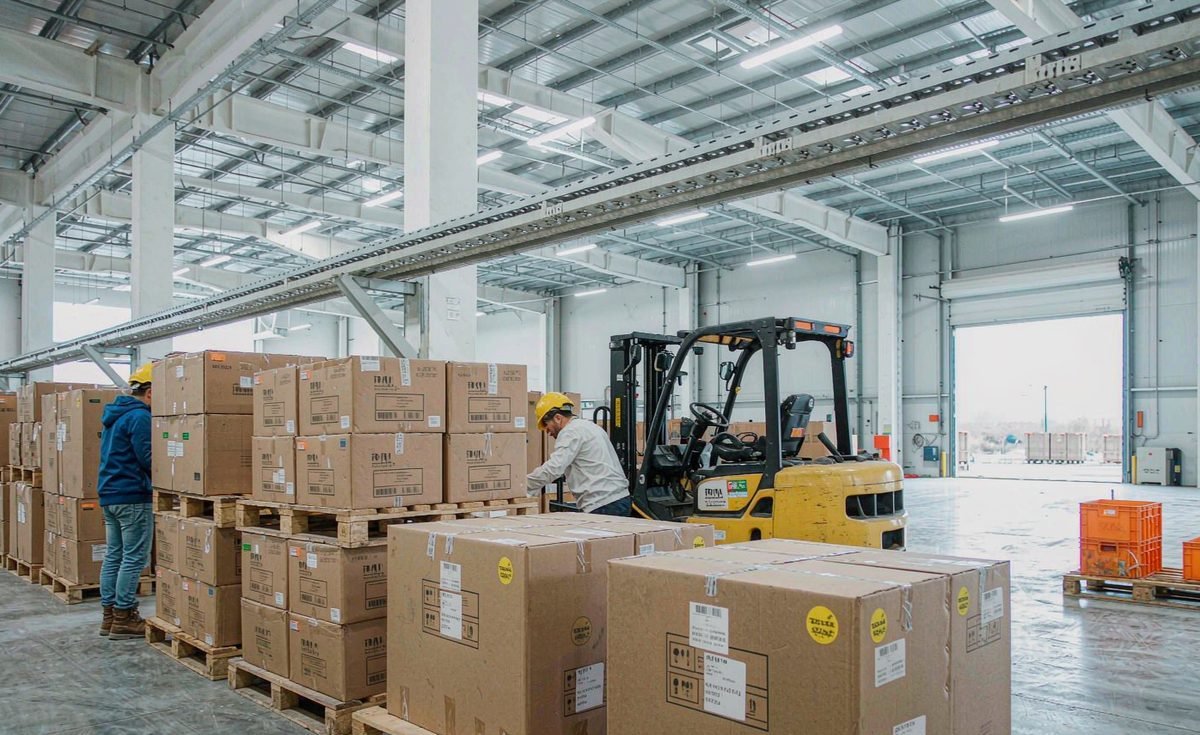
How Do You Get a Safe India DDP Quote?
Ask any forwarder offering DDP to India for four things before you commit: the exact HS codes and duty rates used, the identity and IEC status of the importer of record, the free time granted at discharge port, and the quote's validity window. A forwarder who answers all four in writing will handle the shipment properly; a forwarder who dodges them is pricing a problem.
For schedule planning on this lane, pair this guide with our benchmark piece on China to India transit times, ports and delays, and the broader market overview in our complete China–India shipping guide.
Frequently Asked Questions
Can a Chinese supplier offer true DDP to India?
Only if someone holds Indian import credentials. Indian customs requires an Import Export Code (IEC) and GSTIN held by the importer of record, and a foreign company cannot register for these directly. Genuine DDP therefore works through a licensed Indian importer of record — typically arranged by the forwarder — or through your own Indian subsidiary's IEC.
What taxes and duties apply on DDP shipments to India?
Landed cost in India is built from Basic Customs Duty (typically 7.5–10% on sporting and fitness goods), a 10% Social Welfare Surcharge on the BCD, and IGST at 18% on most sporting goods, calculated on the CIF value plus duty. Compensation cess applies only to a small list of goods. A forwarder handling DDP pays these at clearance and bills them inside the all-in rate.
How much does DDP cost from China to India?
As a working example, a 40HC of fitness equipment from Shenzhen to a Mumbai warehouse runs roughly USD 3,200–4,600 all-in at 2026 rates: about USD 1,300–1,800 ocean and origin charges, plus duties and IGST which can add 25–35% of the CIF value depending on HS code, plus port handling and inland trucking from Nhava Sheva. Get a live quote — rates move weekly.
What are the biggest DDP pitfalls on the China–India lane?
The top six: undervalued invoices flagged by Indian customs risk management, BIS certification missing on regulated goods, using a freight forwarder as IOR where the IEC is not genuinely theirs, free-time misjudgment at Nhava Sheva (typically 3–5 days), IGST input-credit documents never reaching the buyer's accountant, and ocean-freight rate swings between quote and sailing.
Is DDP actually worth it for India?
DDP suits buyers testing the Indian market or shipping without a registered Indian entity. If you hold an IEC and GSTIN yourself, CIF or DAP is usually cheaper because you reclaim IGST input credit directly and skip the IOR service fee, which commonly runs 1.5–3% of landed value.
- Shipping from China to India: The Complete 2027 Guide
- China to India Transit Times: Ports, Schedules & Delays
- Air Freight from China to India: Costs & When to Use It
- DDP Shipping from China to Morocco: Costs, Rules & Pitfalls
- DDP Shipping from China to Spain: Costs, Rules & Pitfalls
- DDP Shipping from China to Italy: Costs, Rules & Pitfalls
Get Today's Rate & Lock Your Discount
Waymore Shipping offers FCL & LCL ocean freight from every major port in China — Shanghai, Ningbo, Shenzhen, Guangzhou, Qingdao, Xiamen, Tianjin and more. Rates updated weekly with carrier discounts.