Cargo Damaged? Claim Process & Deadlines Explained
- Visible damage: written notice to the carrier before or at delivery. Hidden damage: within 3 days.
- Lawsuits against carriers: 1 year from delivery, per Hague/Hague-Visby rules on most bills of lading.
- Carrier liability is capped at roughly 2 SDR per kg — insurance usually recovers much more.
- Write damage remarks on the delivery receipt and photograph everything before unloading.
The cargo damage claim process has hard deadlines: for visible damage you must give the carrier written notice before or at delivery; for hidden damage, within 3 days; and any lawsuit against the carrier must start within 1 year. Miss these windows and even a watertight case dies.
We have handled dozens of claims through our claims desk — crushed cartons discovered at a Chicago warehouse, water-stained furniture in Hamburg — and the difference between a paid claim and a rejected one is almost never the damage itself. It is what the importer did in the first 48 hours after the container doors opened. This guide walks through that sequence.
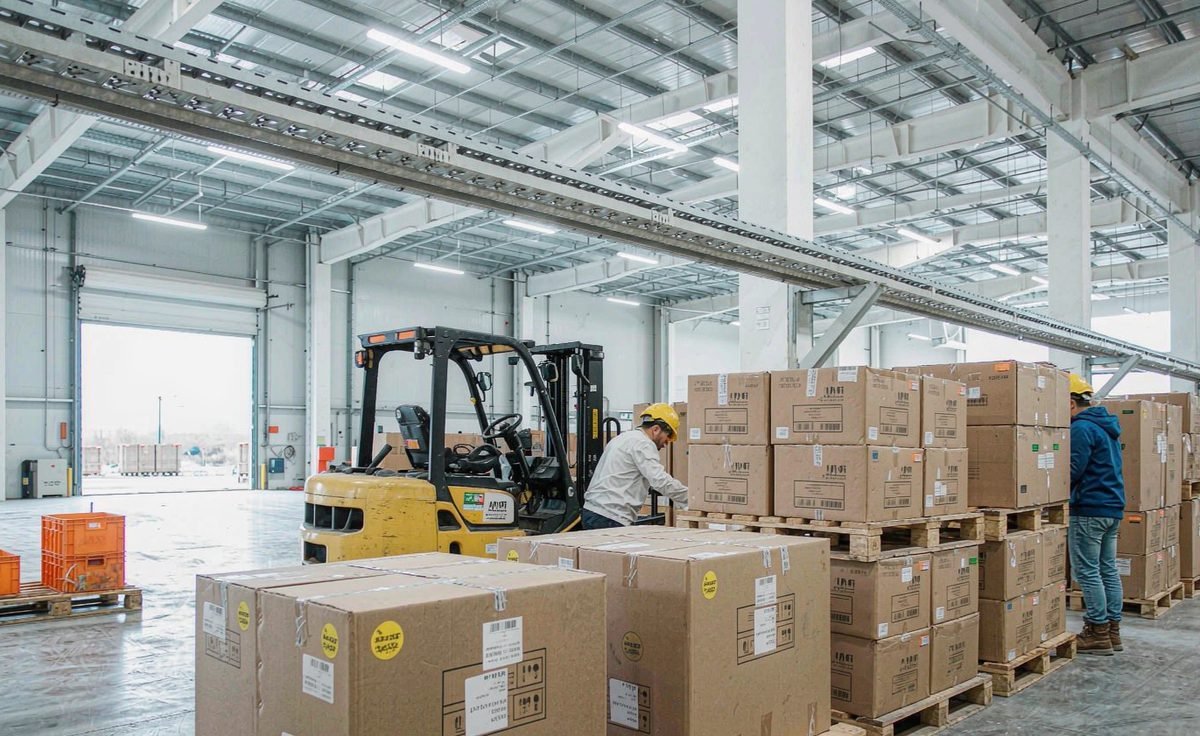
What Should You Do Immediately After Discovering Damage?
- Stop and photograph. Container interior, seal number, packaging, inner cartons, product — video preferred, all timestamped. Do not discard damaged goods; the carrier has the right to inspect.
- Write damage remarks on the delivery receipt / POD before signing. "3 cartons crushed, water stained" — specific beats poetic. A clean signature with no remarks is treated as prima facie evidence of good delivery.
- Notify the carrier and your forwarder in writing the same day, citing the BL number and container number.
- Notify your insurer immediately if the cargo is insured — policies have their own notice deadlines, often shorter than the statutory ones.
- For high-value cargo, commission a surveyor before unloading finishes; a joint survey report is the strongest single document in any claim.
Claim Deadlines at a Glance
| Action | Deadline | Source |
|---|---|---|
| Notice of visible (apparent) damage | Before or at delivery | Hague/Hague-Visby rules (most BLs) |
| Notice of hidden (non-apparent) damage | 3 days from delivery | Hague/Hague-Visby rules |
| Insurance claim notification | Per policy — often days; notify immediately | Your cargo policy |
| Lawsuit against carrier | 1 year from delivery | Hague/Hague-Visby rules |
| Surveyor inspection (high-value cargo) | Before/at unloading | Best practice |
Who do you claim against?
Carrier-handled damage: the shipping line or its destination agent. Terminal or trucking damage: that operator. But in practice the cleanest route is a claim on your cargo insurance, which pays regardless of cause for covered perils — and carriers' liability is capped at roughly 2 SDR per kilogram (about US$2.5–3), a fraction of most commercial values. Specialist claims expertise is available from insurers and bodies like the TT Club, the transport-industry mutual insurer, whose resources explain claims documentation in depth. FIATA model terms also shape how forwarder liability interacts with carrier liability.
Common Mistakes That Kill Valid Claims
After years of claims handling, the same failures repeat. Signing a clean delivery receipt when cartons look battered — carriers treat an unremarked signature as proof of good order. Discarding the damaged goods or the packaging before inspection, which destroys the carrier's ability to verify cause. Throwing away the outer cartons of an intact-looking box, when hidden damage is almost always proven through the packaging trail. Waiting a week "to see if it sorts itself out", burning the notice window. And claiming an amount with no documentation behind it: a claim backed by invoice, photos and a survey settles; a claim backed by frustration does not.
How the Claim Process Works Step by Step
- Reservation of rights: same-day written notice to carrier/forwarder and insurer (as above).
- Documentation pack: BL, commercial invoice, packing list, photos/video, POD with remarks, survey report, repair or salvage estimate.
- Quantify: claim the invoice value of damaged goods plus inspection and, where the policy allows, consequential handling costs.
- Submit and negotiate: insurers typically settle documented claims in weeks; carrier claims without insurance can drag months and end at the liability cap.
A recent example from our claims file: a furniture importer in Houston received a 40HC with six cartons water-stained after a damaged door gasket let spray in during a storm crossing. The driver's POD was signed with the remark "6 cartons wet — contents unknown", photos were taken before unloading, and the insured claim — invoice value plus survey fee — was settled in under six weeks. The same damage without the POD remark would likely have ended at zero. The paperwork is the claim.
Prevention beats claims: proper palletizing, desiccants in humid season, and adequate cargo insurance remove most of this pain before it starts. If you ship regularly, read our guide to cargo insurance coverage and, for the container itself, how to track your container so problems are caught early.
Frequently Asked Questions
What are the deadlines for a cargo damage claim?
Visible damage: written notice before or at delivery. Hidden damage: within 3 days of delivery. Lawsuits against the carrier: within 1 year. Insurance policies have their own, often shorter, notice windows — so notify your insurer the same day you discover damage.
Who do I claim against for damaged cargo?
The shipping line or agent for carrier-handled damage, the terminal or trucker for inland damage, or your cargo insurer regardless of cause if you hold a policy. Because carrier liability is capped around 2 SDR per kg, an insured claim usually recovers far more.
What evidence do I need for a cargo damage claim?
Photos and video of container, packaging and goods; damage remarks written on the delivery receipt at handover; a surveyor report for high-value cargo; plus invoice and packing list to prove value. Without delivery-document remarks, carrier claims rarely succeed.
How much can I recover from a carrier damage claim?
Carrier liability is capped by convention — typically about 2 SDR per kilogram of damaged goods — often a fraction of commercial value. Cargo insurance pays the declared value for covered perils, which is why forwarders recommend insuring anything beyond trivial value.
- How to Load Christmas & Holiday Decorations into a Container Without Damage
- How to Load Phone Accessories into a Container Without Damage
- How to Load Agricultural Machinery into a Container Without Damage
- How to Load Bicycles & E-bikes into a Container Without Damage
- How to Load Stationery & Office Supplies into a Container Without Damage
- How to Load Building Materials into a Container Without Damage
Get Today's Rate & Lock Your Discount
Waymore Shipping offers FCL & LCL ocean freight from every major port in China — Shanghai, Ningbo, Shenzhen, Guangzhou, Qingdao, Xiamen, Tianjin and more. Rates updated weekly with carrier discounts.