China to South Africa Transit Times: Ports, Schedules & Delays
- Direct sea freight from Shanghai, Ningbo or Shenzhen to Durban takes 20–28 days port to port.
- Transshipment services via Singapore, Colombo or Port Louis add 7–12 days and some rollover risk.
- LCL consolidations typically need 5–10 extra days for warehouse handling at both ends.
- Inland delivery to Johannesburg adds 5–7 days after Durban arrival.
- Plan door-to-door at 35–45 days and book 2–3 weeks before vessel ETA at origin.
Sea freight from China to South Africa takes 20–28 days on a direct service to Durban, and 30–40 days when the vessel transships via Singapore, Colombo or Port Louis. Air freight covers the same lane in 2–4 days airport to airport. Below is what our operations team actually sees on bookings each month, port by port.
South Africa is one of the most schedule-stable lanes we serve from China — most months. But it is a long-haul southern route with fewer weekly sailings than Europe or North America, which means one missed vessel can cost you a full week, not two or three days. Understanding the schedule pattern is therefore more important here than on almost any other lane.
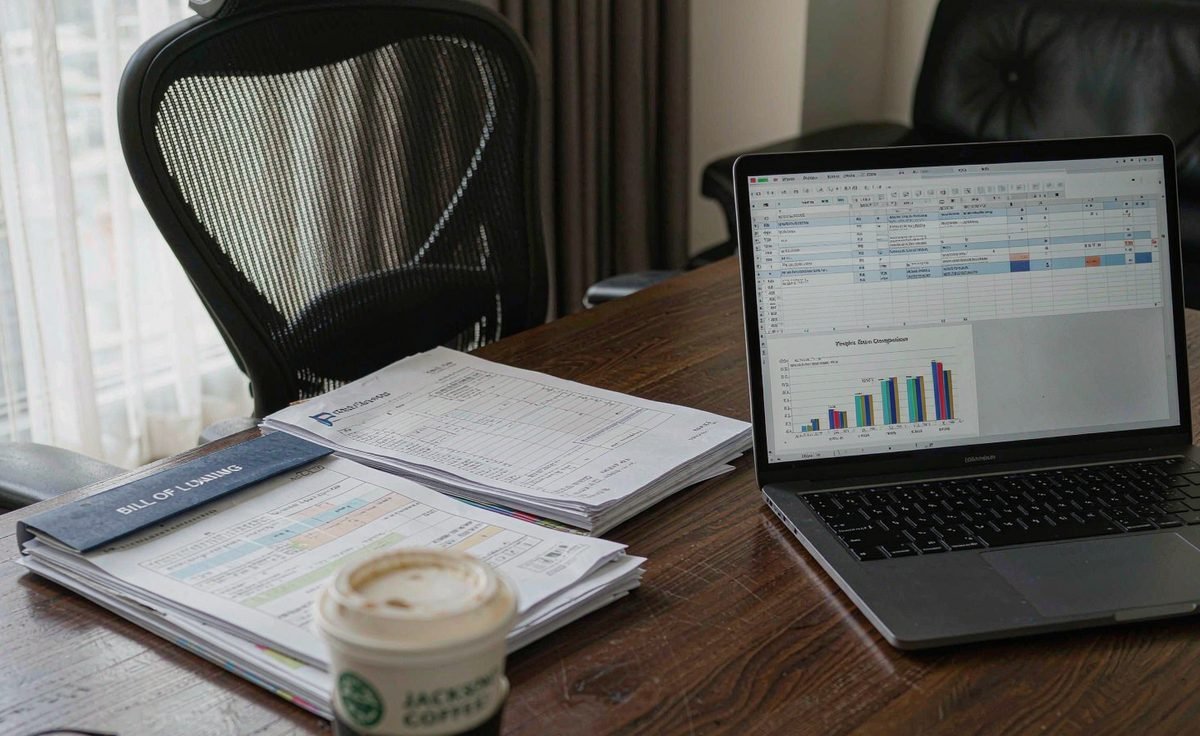
How Long Does Sea Freight from China to South Africa Take?
Here are the typical port-to-port transit times from our booking records over the last 12 months, based on weekly sailings we arrange for importers across Guangdong, Zhejiang and Jiangsu:
| Origin → Destination | Direct Transit | Transshipment Transit | Typical Via |
|---|---|---|---|
| Shanghai → Durban | 20–26 days | 30–38 days | Singapore / Colombo |
| Ningbo → Durban | 21–27 days | 30–38 days | Singapore |
| Shenzhen (Yantian/Shekou) → Durban | 22–28 days | 31–40 days | Singapore / Port Louis |
| Qingdao → Durban | 25–31 days | 32–40 days | Shanghai feeder + mainline |
| Shanghai → Cape Town | 26–33 days | 33–42 days | Durban relay |
| Shenzhen → Johannesburg (City Deep) | +5–7 days after Durban | Rail/truck inland leg | |
Three practical points on this table:
1. Durban first, everything else after
Almost every Far East–South Africa service makes Durban its first South African call. Cape Town cargo often rides the same vessel and is discharged after Durban, which is why Cape Town transit runs about a week longer. If your cargo clears Durban quickly, some importers even truck it domestically to Cape Town destinations faster than waiting for the port relay.
2. Northern China pays a transit penalty
There is no dense direct South Africa product from Qingdao or Tianjin. Cargo from Shandong and Bohai Rim ports usually loads onto coastal feeders to Shanghai or Ningbo first. That's why our Qingdao-based clients see quoted transits starting at 25 days even though the ocean leg itself is similar.
3. LCL adds warehouse time, not sailing time
For consolidated shipments under about 15 CBM, add 5–10 days: 2–3 days for consolidation at our Shenzhen or Ningbo CFS before the vessel sails, and 3–5 days for deconsolidation and release at the destination CFS. In a typical week we consolidate 40+ LCL shipments onto South Africa services, so the origin cut-off is the only date that really matters — the sailing itself is fixed.
Direct vs Transshipment Services to South Africa: Which Should You Book?
The Far East–South Africa trade is served by a handful of weekly direct loops operated by carriers such as Maersk, MSC, CMA CGM and COSCO — check individual carrier schedules, for example COSCO's e-commerce schedule portal, for the loops calling your origin port. When direct space is tight, forwarders often route via transshipment hubs:
| Factor | Direct Service | Transshipment |
|---|---|---|
| Transit to Durban | 20–28 days | 30–40 days |
| Rollover risk at hub | None | Real — 5–10% of connection windows are missed in peak season |
| Rate premium | Baseline (highest) | Often 5–15% cheaper |
| Best for | Fixed deadlines, retail launches | Flexible cargo, cost-sensitive orders |
Our rule of thumb: if the goods have a committed delivery date — a retail launch, a project milestone, a seasonal promotion — pay for the direct loop. If you are topping up stock and the arrival window can flex by two weeks, a transshipment via Singapore or Port Louis saves money with manageable risk. We break down the trade-offs further in our guide to direct vs transshipment services.
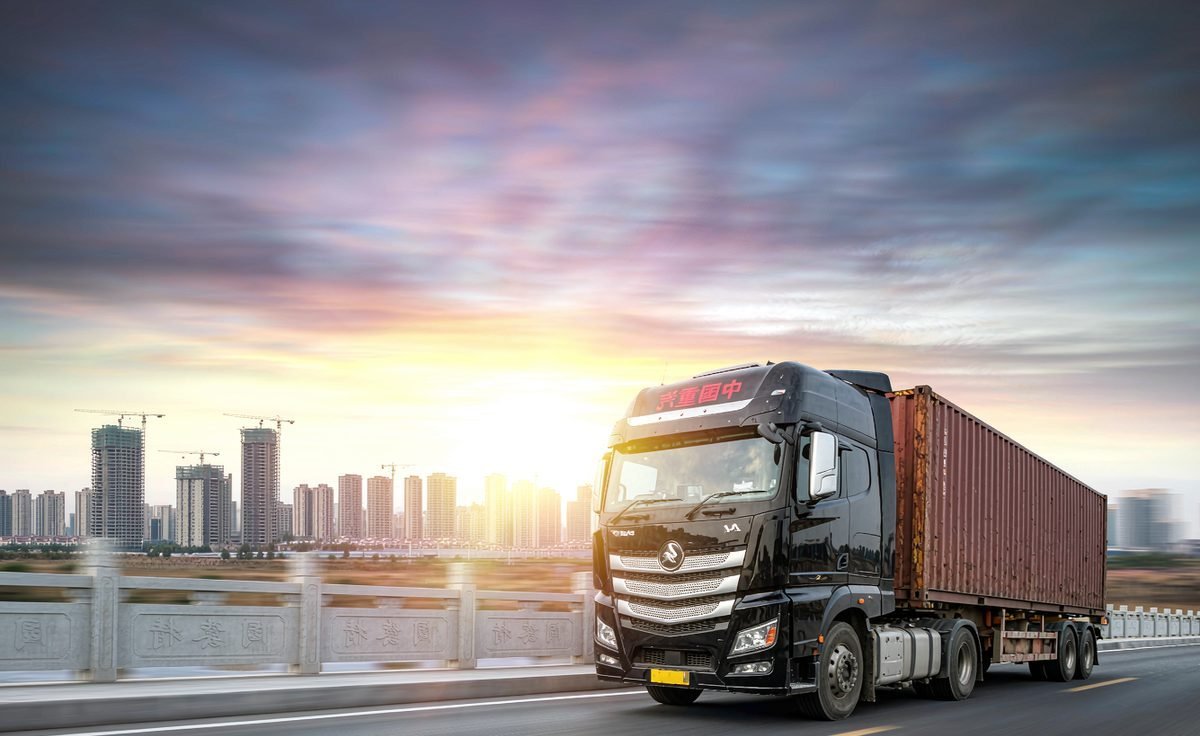
What Causes Delays on the China–South Africa Lane?
Durban congestion — the number one variable
Durban's Pier 1 and Pier 2 terminals handle the bulk of South African container traffic, and operational backlogs are chronic. When vessels bunch up after weather or equipment breakdowns, anchorage waiting can stretch from a normal 1–2 days to a week or more. You can monitor live congestion and vessel call patterns yourself on IMF PortWatch, which we check before every major booking wave.
Weather at the Cape
Winter storms off the Cape (May–August) and heavy swells can close bunkering or delay sailings by 1–3 days. This is built into our planning windows for winter cargo but catches first-time importers by surprise in June and July.
Chinese New Year and Golden Week
Space on South Africa services tightens sharply in the 4–5 weeks before Chinese New Year (late January/February) as factories rush export volumes, and again around Golden Week in early October. Carriers sometimes blank sailings during the holiday itself, adding 7 days to the effective next departure.
Rollovers and missed connections
On transshipment routings, a missed connection at the hub port automatically adds the hub's next sailing frequency — usually 7 days. On overloaded direct loops, carriers can roll containers to the next departure when bookings exceed space. Our team pre-books South Africa space 2–3 weeks ahead precisely to avoid this; see our guide on what happens when your container rolls.
Customs and inland leg in South Africa
Clearing SARS customs in Durban normally takes 1–3 days with complete documents, but incomplete paperwork, ITAC permit issues on regulated goods, or SARS inspection holds can add several days. The rail/truck leg to City Deep, Johannesburg adds a further 5–7 days and has its own queue during Transnet operational disruptions.
How Long for Door-to-Door Delivery to Johannesburg or Cape Town?
Importers planning inventory should work from the full door-to-door timeline, not the port-to-port figure:
| Stage | Typical Duration | Notes |
|---|---|---|
| Factory to origin port (trucking) | 1–3 days | Longer from inland provinces like Sichuan or Hubei |
| Origin terminal + export customs | 1–2 days | China export clearance is usually fast with correct docs |
| Ocean transit (direct) | 20–28 days | 30–40 if transshipped |
| Durban arrival + import clearance | 2–5 days | Longer if SARS inspection or permit checks apply |
| Inland leg to City Deep / door | 5–7 days | Johannesburg; Cape Town door adds 3–5 days via relay |
Realistic planning window: 35–45 days door to door from Shenzhen or Ningbo to Johannesburg on a direct service, and 45–55 with transshipment. Cape Town door-to-door from China typically runs 40–50 days.
Mini-case: saving a retail launch date
In September 2026, a Johannesburg-based homeware retailer had 3 × 40HC of kitchen storage products sailing from Yantian on a transshipment routing booked by another forwarder, with a planned connection through Colombo. The Colombo connection window slipped and the arrival date moved past their November promo commit. We re-cut the plan: moved two containers onto a direct Yantian–Durban loop departing four days later (arriving seven days earlier overall), and split the third into LCL air-compatible high-SKUs flown via Doha to O.R. Tambo. The launch date held. The lesson: on this lane, the routing choice is the schedule.
How to Protect Your Delivery Date: 5 Practical Steps
- Book 2–3 weeks before sailing. Direct South Africa loops have limited weekly slots; late bookings roll first.
- Confirm the routing in writing. Ask explicitly whether the quoted rate is direct or via transshipment hub, and the connection window.
- Check live congestion before committing dates. Tools like MarineTraffic and PortWatch show actual vessel queues at Durban.
- Build a 5–7 day buffer into promised dates — one missed week on this lane is a full sailing cycle, not a partial one.
- Pre-clear documents. Have your commercial invoice, packing list, bill of lading draft and (where applicable) ITAC permits ready before arrival so SARS clearance starts on day one.
For rate context on this lane, ocean price indexes such as Drewry's World Container Index track Shanghai–Durban assessments weekly and are useful sanity checks against quotes. And if you're budgeting the full shipment, our breakdown of container shipping costs from China to South Africa covers rates and surcharges in detail. First-time importer? Our complete China to South Africa shipping guide walks the whole process end to end.
What About Air Freight and Urgent Cargo to South Africa?
When the schedule breaks — a rolled container, a slipped transshipment connection, a stockout ahead of a trading weekend — air freight is the pressure valve. Routine air cargo from China clears at Johannesburg O.R. Tambo in 2–4 days airport to airport via Doha, Addis Ababa or Dubai, with door-to-door delivery in 5–8 days. Rates for general cargo typically run $4.00–6.50/kg depending on the weight break, which is a fraction of the per-kg cost of losing a sales week on high-value goods.
The pattern we recommend most to South African retail clients is the split shipment: fly the top 5–10 SKUs that carry the margin, sail the bulk in the 40HC, and let the air shipment cover the selling window while the ocean leg completes. It costs a few hundred dollars on a typical 200–400 kg bridge order and routinely protects thousands in monthly revenue. Just remember that lithium batteries, aerosols and many liquids face IATA dangerous-goods restrictions — check eligibility before promising an air date.
Frequently Asked Questions
How long does sea freight from China to South Africa take?
Direct services from Shanghai, Ningbo or Shenzhen to Durban typically take 20–28 days port to port. Services with a transshipment call in Singapore, Colombo or Port Louis usually take 30–40 days, and LCL consolidations add roughly a further 5–10 days for warehouse handling.
What is the best Chinese port for shipping to Durban?
Shenzhen and Ningbo have the most frequent direct South Africa services, with one or two weekly departures each. Shanghai also has regular direct calls. Cargo from northern China (Qingdao, Tianjin) often feeds through Shanghai or Ningbo and may add 3–6 days including a transshipment.
Why do containers to South Africa get delayed in Durban?
Durban handles the majority of South Africa's container traffic and regularly faces vessel bunching, equipment shortages and rail/truck backlog to the inland terminal at City Deep, Johannesburg. During peak congestion, waiting time at anchorage has stretched from 1–2 days to over a week.
How long does it take to ship to Johannesburg from China?
Add 5–7 days on top of the Durban port-to-port time for the rail or road leg to City Deep inland terminal, plus 2–4 days for container release and transport booking. A realistic door-to-door planning window from Shenzhen to Johannesburg is 35–45 days.
Is a direct service worth paying more for?
If your delivery date is fixed — retail launches, seasonal stock, project deadlines — yes. A direct service to Durban costs modestly more but removes the 5–10 day transshipment buffer and the rollover risk that comes with it. For flexible cargo, transshipment options are often cheaper.
- Shipping from China to South Africa: The Complete 2027 Guide
- Air Freight from China to South Africa: Costs & When to Use It
- China to South Africa Customs Clearance: Documents, Duties & Process
- China to Qatar Transit Times: Ports, Schedules & Delays
- China to Mexico Transit Times: Ports, Schedules & Delays
- China to Spain Transit Times: Ports, Schedules & Delays
Get Today's Rate & Lock Your Discount
Waymore Shipping offers FCL & LCL ocean freight from every major port in China — Shanghai, Ningbo, Shenzhen, Guangzhou, Qingdao, Xiamen, Tianjin and more. Rates updated weekly with carrier discounts.