What Happens When Your Container Rolls? (And How We Prevent It)
- A container rollover means your booked box was left on the dock and re-booked onto a later vessel — usually adding 7–14 days.
- Top causes: carrier overbooking, blank sailings, port congestion, late documentation and DG/VGM rejections.
- The freight itself is re-booked free — the real cost is stock-outs, expired appointments and missed selling windows.
- Rollover priority follows booking discipline: early, contracted, fully documented cargo rolls last.
- Our prevention stack: 3–4 week advance bookings, allocated space, direct services, and pre-cut-off document submission.
A container rollover happens when your container is booked on a vessel but does not sail with it — the carrier bumps it to the next departure, typically adding 7 to 14 days to your delivery. Your box is usually already sitting at the terminal when this happens. Rollovers spike in peak season (June–October) and before Chinese New Year, when carriers sell more space than ships hold and the weakest bookings get rolled. Here is exactly why it happens, what it costs, and how a forwarder who books correctly prevents it.
We manage hundreds of FCL and LCL bookings a month from Shanghai, Ningbo, Shenzhen and Qingdao, and rollover incidents are the single most common cause of "why is my cargo late?" messages. The good news: rollovers are largely predictable and largely preventable. The sections below show both sides.
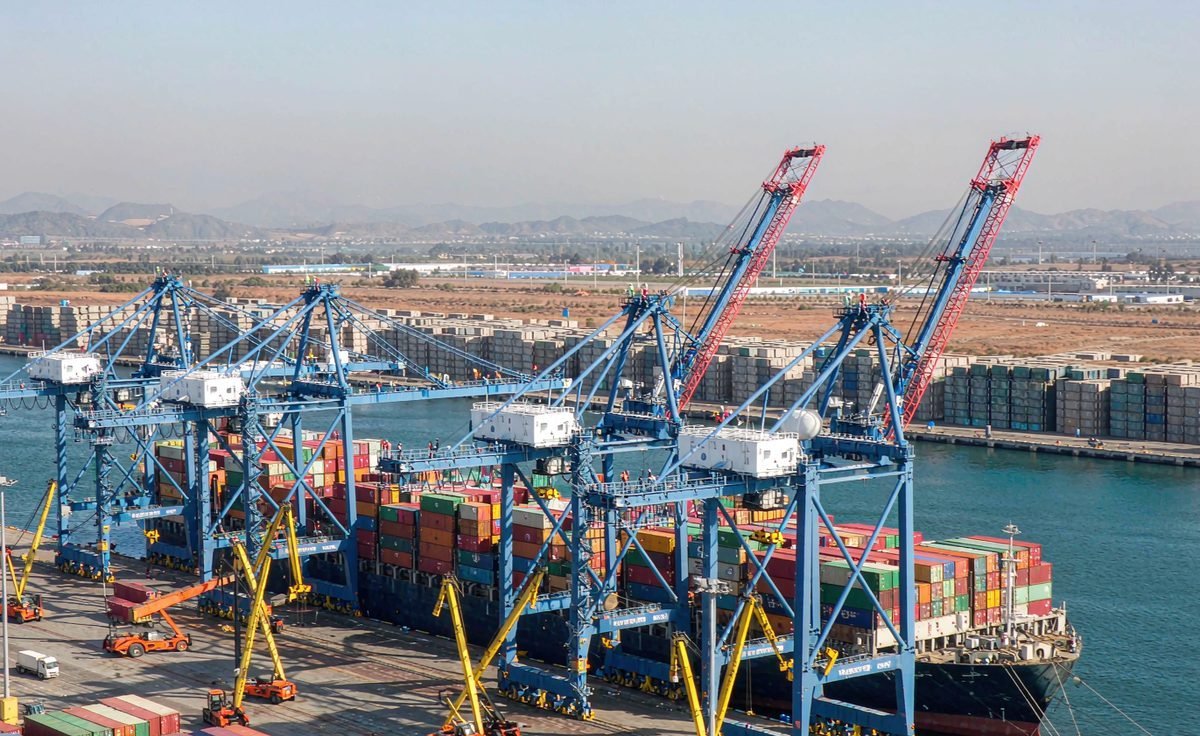
What Does "Container Rolled" Actually Mean?
Carriers publish weekly service loops with fixed capacity — say a 14,000 TEU vessel sailing every Wednesday from Shanghai. Because no-shows and cancellations are common, carriers deliberately overbook, selling 105–120% of the slots on the expectation that some cargo will not show. When too much cargo shows up — which happens exactly when the market is hot — the vessel sails full, and the excess rolls.
The mechanics from the shipper's side: your container gated in at the terminal on time, the cut-off passed, and then you got a message that the ETD slipped. In a rollover, the cargo has not been loaded. It waits in the yard for the next sailing on the loop (usually 7 days later on weekly services), or for space on a different loop, which can take longer. Your bill of lading date, your ETA, and everything scheduled downstream of that ETA shift with it.
Rollover is not the same as a vessel delay
Worth separating: a vessel delay means the ship itself is late (weather, port congestion, mechanical issues) and every container on it arrives late together. A rollover means your box missed the boat while the boat left on time. The remedies differ, and so does the leverage — a vessel delay affects the carrier's whole network, while a rollover quietly affects only the bookings without priority.
Why Do Containers Get Rolled? The Six Real Causes
1. Overbooking — the structural cause
Carriers have always overbooked, and in strong markets the no-show cushion evaporates. Analysts such as Alphaliner track utilization on major trade lanes, and when lane utilization pushes past the mid-90s, rolling spot cargo becomes routine rather than exceptional.
2. Blank sailings
When rates are weak, carriers cancel whole sailings ("blanking") to prop up capacity — which turns a weekly loop into a fortnightly one and doubles the cost of any rollover, because the "next vessel" is two weeks out. Capacity data from Sea-Intelligence shows blanking clusters outside peak season, so a July rollover usually waits a week, while a March rollover can wait two.
3. Port congestion upstream
If the vessel is running a day late into Shanghai, the terminal compresses the gate window, cut-offs move earlier, and marginal bookings miss the boat. Congestion is downstream of everything: weather, labor actions, customs sweeps, or simply too many ships. See our port congestion survival guide for the routing playbook.
4. Late or failed documentation
VGM (verified gross mass) declared after cut-off, missing dangerous-goods declarations, wrong container numbers on the manifest — any of these can get your box pulled from the load plan even when the vessel has room. This is the most preventable cause on the list, and the most common one we see with first-time importers.
5. Equipment shortages
No empty container at the yard, no shipment. When boxes are stranded at destination inland points, carriers sometimes roll cargo to reposition equipment rather than truck empties back at a loss.
6. Your booking's priority tier
Harsh but true: not all bookings are equal. Contract holders with committed volume roll last; confirmed annual space rolls before ad-hoc spot; a booking made three days before cut-off with paperwork pending rolls first. The table below makes the cost of each scenario concrete.
What Does a Rollover Actually Cost You?
| Cost element | Direct freight impact | Real-world impact |
|---|---|---|
| Re-booking the container | USD 0 — carrier re-books free | But only onto available space, not necessarily the best loop |
| Delay itself | — | 7–14 days typical; up to 21 days if a blank sailing follows |
| Destination appointments | — | Expired trucking slots or FBA appointment = re-booking fees, USD 100–500 |
| Demurrage exposure | — | Only if destination free days get consumed by downstream knock-on delays |
| Seasonal stock-outs | — | Missed selling window — for retail, often the largest cost by far |
| Cash-flow lag | — | Goods paid, revenue delayed 2+ weeks, working capital tied up |
Notice what the table shows: the carrier's fee is zero and the true cost is all downstream. That asymmetry is why prevention is worth paying for up front.
How Waymore Prevents Container Rollovers
We cannot control how full a vessel is. We can control which side of the priority line your cargo sits on. Our rollover-prevention stack, in the order it matters:
- Book 3–4 weeks ahead. Early bookings gate in calmly, beat cut-offs, and sit higher in the carrier's priority stack. Our guide on booking ahead of peak periods applies the same logic to CNY and to Q3.
- Use allocated space, not naked spot. We commit volume to carriers weekly, which puts our clients' boxes in the contracted tier rather than the spot tier that rolls first.
- Nominate direct services. Every transshipment adds a second chance to miss a connection. Where the destination allows it, direct loops cut rollover exposure roughly in half — see direct vs transshipment.
- Documents before cut-off, always. VGM, DG declarations, and shipping instructions go in 48+ hours early. In our Shenzhen operations team's log, paperwork rejection has fallen from a monthly event to a rarity since we made pre-cut-off submission a standard internal SLA.
- Monitor utilization and pre-nominate a plan B. When a loop shows signs of rolling (gate restrictions, cut-off compressions), we re-nominate at-risk cargo to a second vessel before the first one fills — the difference between choosing your backup and taking whatever is left.
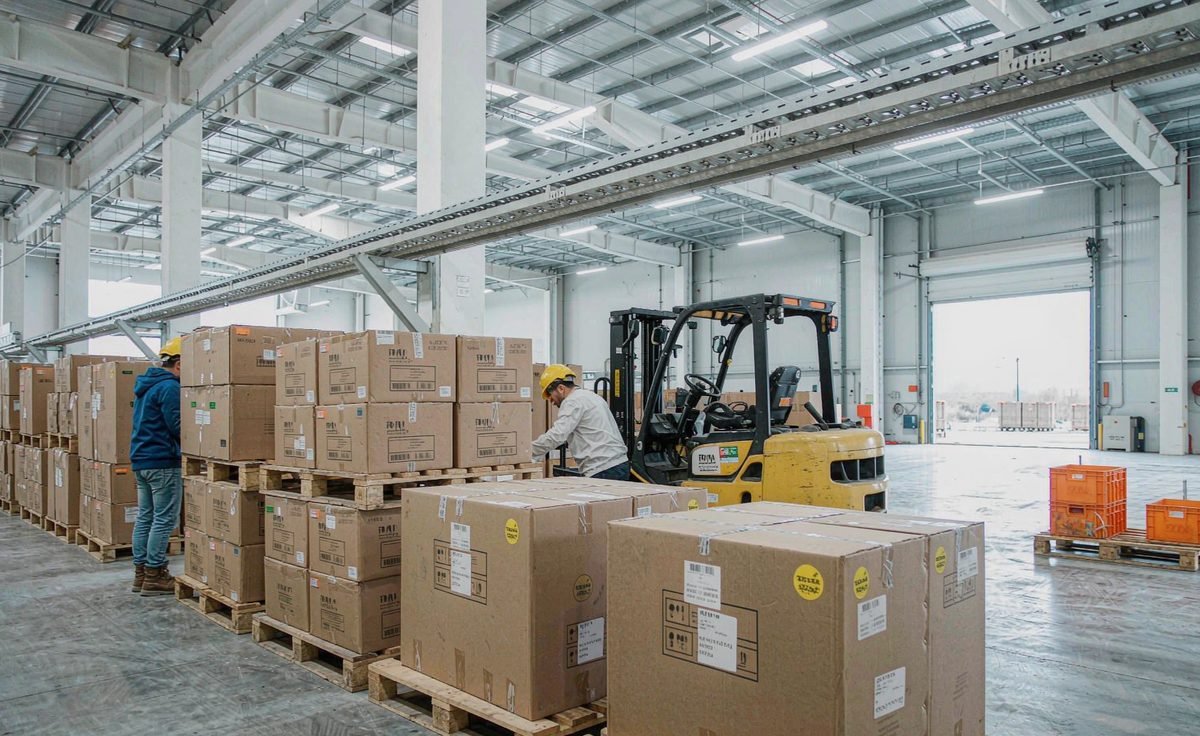
Questions That Reveal Rollover Risk Before You Book
You cannot eliminate rollover risk, but you can price it into the booking decision by asking a forwarder — or a carrier directly — five pointed questions before you commit:
- "Is this space contracted or spot?" Contracted or allocated space sits higher in the rolling priority; pure spot is the first tier rolled. If the answer is vague, assume spot.
- "What is the loop's recent roll rate?" A forwarder booking the same loops weekly knows which services have been leaving boxes behind. Reputable ones will say so.
- "What is your written rollover remedy?" If a container rolls, what does the forwarder commit to — re-booking on a direct alternative, a rate remedy, or simply an apology? Get it in the quotation, not in the apology email afterwards.
- "When do you submit VGM and SI?" The answer should be "48+ hours before cut-off." Anything vaguer predicts documentation-driven rolls.
- "What happens if I miss the cut-off?" Good operators tell you the fallback vessel and the cost delta before it happens, so a late factory day becomes a re-plan instead of a crisis.
The answers also tell you something about the quote itself. Suspiciously cheap peak-season quotes are frequently spot allocations on overbooked loops — the space exists on paper until the vessel fills. A quote a few percent higher with contracted space and a written remedy is usually the cheaper option once expected delay costs are counted. This is the same logic that runs through our guide to reading a freight quote: compare the commitments, not just the number.
Your Container Rolled Anyway — Now What?
If it happens, do these four things in the first 48 hours:
- Get the new booking in writing: new vessel name, new ETD/ETA, and confirmation the re-booking is free of charge.
- Ask which loop and whether it is direct. A rolled box re-nominated onto a transshipment routing can be worse than the original rollover.
- Reschedule downstream appointments immediately — trucking, warehouse slots, FBA windows — before the penalty windows close.
- Check destination free time. If the new ETA pushes cargo into a busy week at discharge, ask for extended demurrage-free days before the vessel sails, when carriers are most willing to grant them.
And for the future: the fix is rarely "pay more," it is "book earlier and document better." During peak weeks we also advise splitting urgent SKUs — one container confirmed on a strong loop beats two containers gambling on one. If rate spikes rather than rollovers are your worry this quarter, our peak season playbook covers space and pricing strategy together.
Frequently Asked Questions
What does it mean when your container is rolled?
A rollover means your container was booked on a vessel but did not sail with it — the carrier bumped it to a later departure, usually the next weekly sailing. The cargo is usually already at the terminal, so it sits at the port until a new slot opens, typically adding 7 to 14 days to delivery.
Why do containers get rolled?
The main causes are carrier overbooking (selling more space than the vessel holds), blank sailings that cancel scheduled departures, port congestion slowing vessel rotations, equipment shortages, and cargo that fails checks such as dangerous-goods documentation or VGM submission after cut-off. During peak season, overbooking alone can roll a significant share of spot bookings.
How much does a container rollover cost?
The direct freight cost is usually zero — the carrier re-books you free — but the real cost is the delay: 7 to 14 days of stock-out risk, expired trucking or FBA appointments, possible demurrage exposure if free days run out, and for seasonal goods, missed selling windows worth far more than the freight itself.
Which containers get rolled first?
Lowest-priority bookings roll first: late bookings made after cut-off, spot-rate cargo without service contracts, shipments with incomplete documentation, transshipped boxes with tight connection windows, and — on some services — cheaper commodity cargo relative to a shipper's contracted volume. Contracted, timely, fully documented FCL cargo is protected longest.
How do freight forwarders prevent rollovers?
Forwarders prevent rollovers by booking 3 to 4 weeks ahead, using allocated contract space instead of pure spot, nominating direct services where possible, submitting VGM and documentation well before cut-off, and monitoring vessel utilization so at-risk cargo can be re-nominated to a second vessel before the first one fills.
- What Is a Container Rollover? What to Do When It Happens
- What Is VGM? What Happens If It's Late?
- What Is Cut-off Time? What Happens If You Miss It
- What Happens to Abandoned Cargo at Destination? Who Pays?
- Shipping from China to Qatar: The Complete 2027 Guide
- Shipping from Shanghai to Lagos: Rates, Transit Times & Booking Guide
Get Today's Rate & Lock Your Discount
Waymore Shipping offers FCL & LCL ocean freight from every major port in China — Shanghai, Ningbo, Shenzhen, Guangzhou, Qingdao, Xiamen, Tianjin and more. Rates updated weekly with carrier discounts.