
Golden Week Dispatch Guide: What Closes & What Doesn't
- Golden Week 2026 runs October 1–8: factories close fully; ports, customs and vessels stay open with skeleton staffing.
- Cargo moves during the holiday only if it was carted, cleared and booked before September 30.
- The real delay is 10–18 days, not 8, once post-holiday trucking and production backlogs are counted.
- Trucking capacity, not vessel space, is the tightest resource in the week before the holiday.
- A forwarder whose team works through the holiday is the difference between dispatch and a two-week wait.
During China's Golden Week (October 1–8, 2026), factories close completely while ports, customs offices and vessels remain open with skeleton crews. The practical rule: cargo that is booked, trucked and export-cleared before September 30 sails on schedule; anything still on a factory floor waits until mid-October. Knowing exactly which links in the chain stop — and which don't — is what makes Golden Week China logistics manageable.
Every year, importers lose one to two weeks of transit time because they assume the holiday equals a total shutdown, or worse, assume nothing shuts at all. Both assumptions cost money. This dispatch guide breaks down the holiday link by link, based on how our Shenzhen, Ningbo and Qingdao teams operate through the break each year, and ends with a day-by-day plan for cargo that must move in early October.
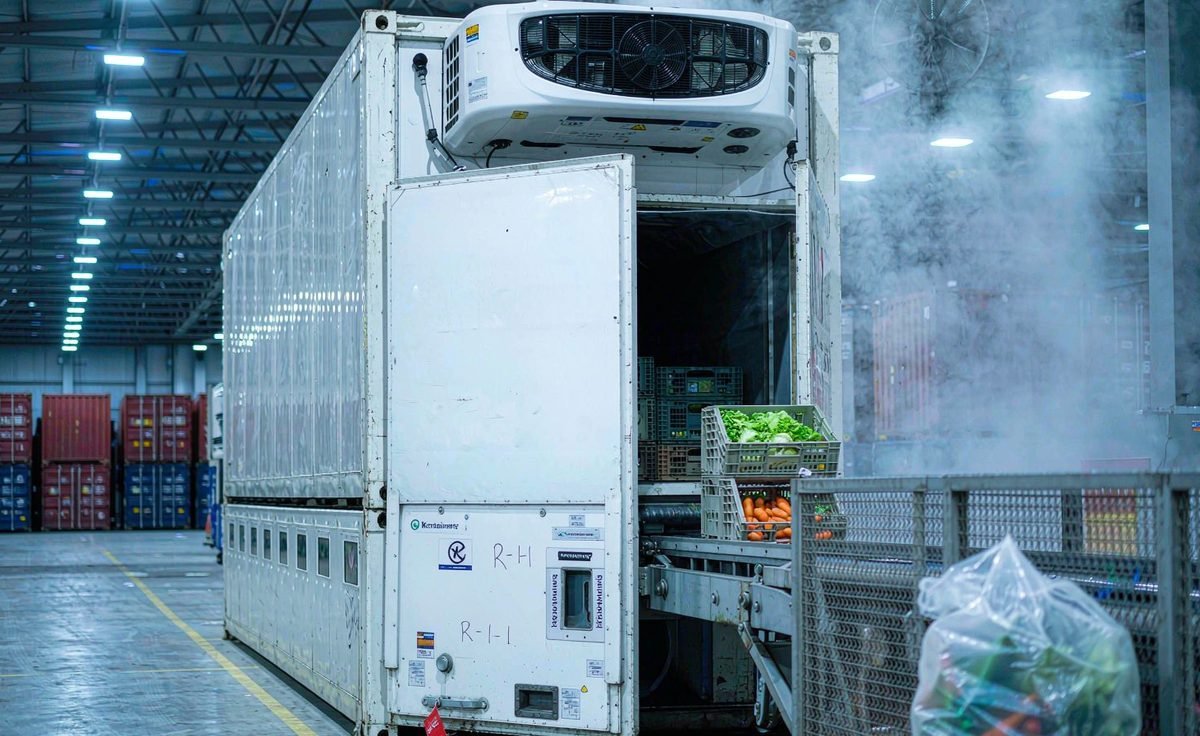
What Actually Closes During Golden Week — And What Doesn't?
The holiday is announced by the State Council each year; for planning purposes you can treat the core window as October 1–8, 2026, per the standard national holiday calendar published on gov.cn. Here is the realistic picture across the logistics chain, drawn from our own dispatch logs:
| Chain Link | October 1–8 Status | What This Means for Your Cargo |
|---|---|---|
| Factories / suppliers | Closed (most for the full 8 days) | No production, no packing, no handover. Anything unfinished in September waits until ~Oct 9. |
| Container ports (Shanghai, Ningbo, Shenzhen, Qingdao…) | Open, reduced staffing | Vessels berth and load normally; expect slower gate transactions and empty-container pickup queues. |
| Shipping lines | Open — full sailing schedules | Carriers such as COSCO and Maersk keep weekly services running; some blank sailings follow demand, check with us. |
| China customs (export) | Open on rotation, skeleton teams | Routine declarations process, but inspections and queries take 1–3 days longer than usual. |
| Trucking & drayage | Severely reduced | Most small trucking brokers shut; pre-booked haulage continues at premium rates. Scarcest resource of the season. |
| Warehouses / consolidation | Open for pre-booked cargo only | Our consolidation warehouses run a holiday roster — LCL cargo booked by Sept 28 is stuffed and shipped on schedule. |
| Forwarder back offices (many competitors) | Closed or minimal | Bookings, document releases and queries stall for 8 days. Waymore operations staff work on rotation through the holiday. |
| Air freight & express | Open, premium capacity | Airports never close, but uplift space tightens as sea cargo spillover shifts to air — rates rise 10–30% in the window. |
The summary line matters most: the physical port keeps working, but everything that feeds it slows down. This is why the same container can take 28 days door to door in late September and 40+ days when dispatched on October 2.
Can Your Cargo Sail During the Holiday?
Cargo already at port: yes, usually without incident
If your container was carted to the terminal and export-cleared before September 30, it loads on its booked vessel regardless of the calendar. Customs clears routine declarations on rotation. The exceptions are cargo flagged for inspection (expect 1–3 extra days) and bookings where the trucking leg was never confirmed — the single most common failure we rescue each year.
Cargo still at the factory: it waits until production resumes
There is no way to ship goods that have not been produced, packed and handed over. If your supplier confirms a completion date of October 9–12, build in a trucking and stuffing lag of 2–4 days, because post-holiday demand crushes available haulage. That is how an "8-day holiday" becomes a 14–18 day delay in real transit terms.
LCL cargo: the consolidation calendar is decisive
LCL shipments depend on the consolidator's cutoff schedule, not just the vessel schedule. Our South China CFS runs final pre-holiday stuffing on September 28–29, and the first post-holiday consolidation sails in the second week of October. If your cargo misses the pre-holiday cutoff, the honest answer is that it will not beat the holiday — the better move is booking the first post-holiday sailing now instead of gambling on a mid-holiday space hunt.
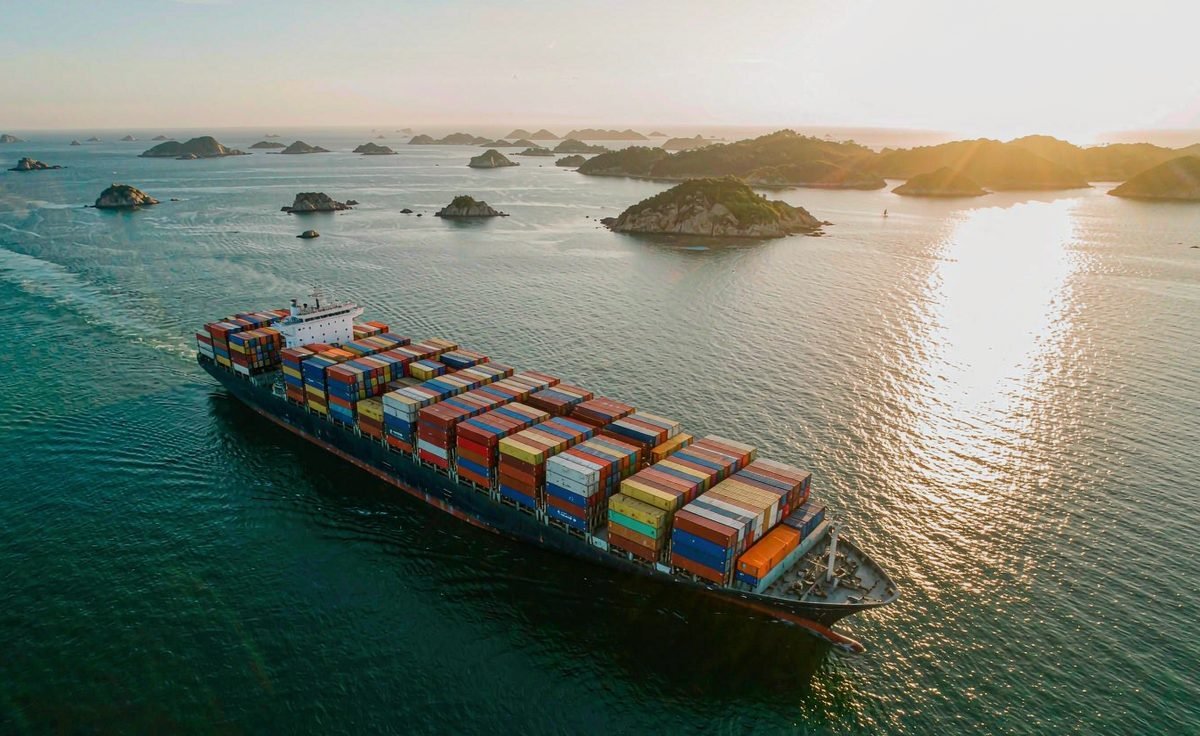
How Do You Plan a Dispatch Around Golden Week?
The backwards timeline
- By September 18: confirm which purchase orders finish production in September and which slip into October. Split your plan now, not on September 29.
- By September 22: book vessel space and LCL consolidation for all pre-holiday cargo. Confirm trucking appointments in writing.
- By September 26: cargo physically handed to warehouse or carted to port. Documents (invoice, packing list, HS codes) submitted for pre-clearance.
- September 28–30: final stuffing and customs release. Vessels departing September 29–30 carry the bulk of pre-holiday volume.
- October 1–8: holiday. Track vessels normally; escalate only true emergencies through your forwarder's holiday roster.
- October 9–15: production restarts, post-holiday trucking backlog clears, first post-holiday sailings load. Book these in advance if your cargo missed the cutoff.
Watch congestion, not just the calendar
The week after the holiday concentrates four weeks of deferred cargo into seven days. Terminal yard density and vessel waiting times spike, which you can monitor on public dashboards like IMF PortWatch, where port-call and waiting-time data for Chinese terminals visibly thicken in early October. If your destination deadline is fixed, ask us whether the first post-holiday sailing or a slightly costlier pre-holiday departure is the safer bet — the answer differs by lane.
Golden Week is not Chinese New Year: the port does not empty, and the gap in sailings is measured in days, not weeks. But if you treat the two the same and wait until October to "figure it out," you will pay for space that is tighter and trucking that is scarcer. Our companion article on shipping before Golden Week covers the pre-holiday booking strategy in more depth, and the same cut-off discipline applies to booking ahead of Chinese New Year — just with a longer tail.
What About Air Freight and Urgent Cargo During the Holiday?
Air freight is the pressure-release valve of Golden Week, and it behaves differently from ocean. Airports and cargo terminals operate every day of the holiday; passenger and freighter flights keep departing from Shanghai Pudong, Guangzhou, Shenzhen and Hong Kong around the clock. What changes is capacity and price. During the first week of October, sea freight spillover, e-commerce parcel volume and post-holiday urgency all compete for the same belly space and freighter slots, pushing general air cargo rates up 10–30% for the week and making confirmed-space bookings the only reliable way to fly.
If a production line slips and you now need cargo in the destination market by a fixed date, run the numbers before panicking. Air freight from China typically costs 8–15 times the ocean freight rate per kilogram, so it makes sense for high-value, time-critical cargo and makes no sense at all for a container of low-margin stock. A middle path that we arrange often in this window: move 10–20% of the order (the SKUs with confirmed orders or launch dates) by air, and let the balance sail on the first post-holiday ocean service. That split usually costs less than the margin you would lose on a missed deadline.
One more air-freight reality check: customs and security screening at Chinese airports also run on holiday rosters. Bookings for October 1–3 departures need cargo delivered and screened by September 29–30, because the screening queues before the holiday are as congested as the port gates. As with ocean, the premium is not for the flight — it is for the preparation you did not do in September.
Three Golden Week Mistakes That Cost Importers Real Money
- Assuming "the port is open, so we're fine." The port is open; your factory and your trucking are not. A September 25 booking request with cargo at an idle factory ships nowhere until mid-October.
- Leaving documents for the holiday. Customs queries filed on October 2 sit until the skeleton team reaches them. Pre-lodging invoices, packing lists and certificates by September 26 avoids the entire category.
- Ignoring free-time clocks. Containers discharged just before the holiday may sit while consignees are distracted, and demurrage does not take holidays. If you have boxes on the water arriving in early October, plan pickup or check free time now — our guide to demurrage and detention fees explains the clock in detail.
Handled well, Golden Week is a scheduling exercise, not a crisis. The importers who lose the least are the ones who split their cargo: pre-holiday dispatch for whatever is ready by late September, pre-booked post-holiday sailings for the rest, and a forwarder whose staff answers the phone on October 3. That is exactly how our own holiday roster is built — because the holiday never stopped being a working week for us.
Frequently Asked Questions
Do Chinese ports close during Golden Week?
No. Container ports such as Shanghai, Ningbo, Shenzhen and Qingdao operate 365 days a year, and vessels keep sailing through Golden Week. However, staffing is reduced, terminal and trucking capacity tightens, and customs and inspection services run with skeleton teams, so document processing and container pickups slow down noticeably during October 1–8.
What actually closes during Golden Week in China?
Factories and most supplier offices close for the full holiday (October 1–8 in 2026). Government offices, export documentation desks at many suppliers, freight-forwarder back offices, and most trucking brokers reduce to skeleton crews or shut entirely. Ports, customs, and shipping lines remain open with reduced staffing, which is why cargo can move but only if it was booked and prepared before the holiday.
Can cargo be shipped out of China during Golden Week?
Yes, if everything upstream is ready. Vessels sail and terminals work throughout the holiday. The bottleneck is cargo availability: factories cannot produce or hand over goods, and trucking capacity is scarce. Cargo that was carted, customs-cleared for export, and booked onto a vessel before September 30 moves normally; anything still inside a factory waits until production resumes around October 9.
How long do Golden Week shipping delays last?
Plan for one to two weeks of disruption, not just eight days. Production resumes gradually from around October 9, trucking and warehouse backlogs clear over the following week, and vessels departing in the second week of October are heavily booked. In practice, cargo that misses the pre-holiday cut-off often arrives at destination 10–18 days later than cargo dispatched in late September.
What should I do if my order can't be finished before Golden Week?
Get a written production completion date from your supplier, book the next available sailing in advance rather than chasing space mid-holiday, and make sure the booking is made with a forwarder whose team works through the holiday. Use the waiting time to finalize documents — invoice, packing list, and any certificates — so customs clearance can start the day the cargo is ready.
Get Today's Rate & Lock Your Discount
Waymore Shipping offers FCL & LCL ocean freight from every major port in China — Shanghai, Ningbo, Shenzhen, Guangzhou, Qingdao, Xiamen, Tianjin and more. Rates updated weekly with carrier discounts.