
Booking Ahead of CNY: Space, Rollovers & Cut-off Dates
- Chinese New Year 2026 falls on February 17; most factories stop production 5–10 days earlier and reopen in late February or March.
- Book FCL 3–4 weeks and LCL 2–3 weeks before your target sailing to secure space at normal rates.
- Rollover risk peaks in the final two weeks before CNY — a rolled container typically loses 7 days per sailing.
- Track three cut-offs: SI cut-off, VGM cut-off, and CY cut-off — missing any one rolls your cargo.
- Ports keep working through CNY; factories do not. Plan backwards from factory closure, not the holiday itself.
To book shipping before CNY successfully, confirm your container space 3–4 weeks before your intended sailing date and submit all documents before each cut-off. In the pre-CNY peak, late bookings face full vessels, rollovers, and premium pricing — the difference between booking four weeks out and one week out can be thousands of dollars and weeks of delay.
Every January, our operations teams in Shenzhen and Ningbo watch the same pattern repeat: importers who booked early sail on schedule at contracted rates, while last-minute shippers pay CNY premiums and still roll. This guide explains exactly what changes in the market, when to book, and how to protect your cargo from the three most common pre-CNY failures.
What Happens to Shipping Capacity Before Chinese New Year?
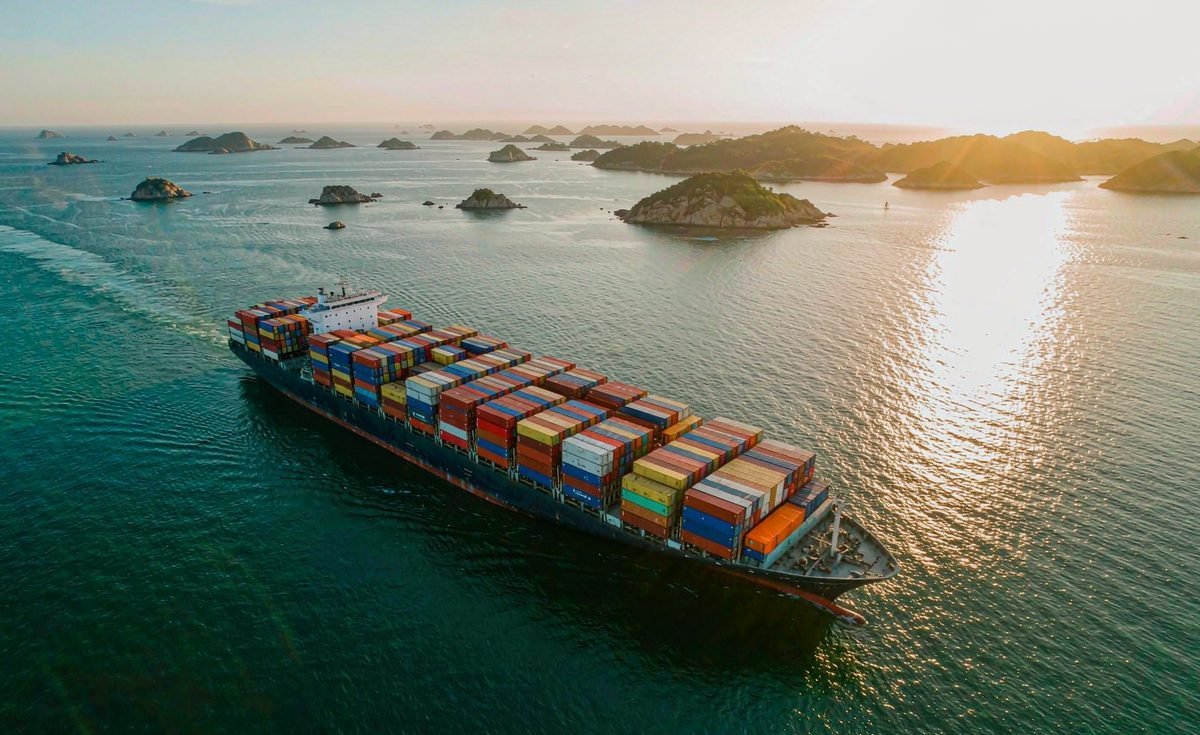
Chinese New Year creates a demand shock followed by a supply gap. In the 3–4 weeks before the holiday, factories rush to complete and ship orders before shutting down. Export volumes from Chinese ports can rise sharply in this window — forwarders and carriers alike refer to it as the "CNY rush" — and carriers respond by tightening space, raising rates, and in some cases blanking (cancelling) sailings right after the holiday to rebalance equipment.
Three forces work against late bookers at the same time:
1. Demand spikes, space shrinks
Nearly every shipper with a January order tries to load cargo onto the same limited set of pre-CNY sailings. Carriers allocate space by contract priority, then by rate. Spot bookers at the back of the queue face overbooking situations even when a booking is "confirmed."
2. Rates climb before the holiday
Rate indexes capture this every year. According to Drewry's World Container Index, composite container spot rates typically rise in the weeks leading into CNY as demand outpaces vessel space, and the Shanghai Shipping Exchange's SCFI shows the same pattern on Asia-export routes. The size of the spike varies by year and route, but the direction is rarely in doubt.
3. Post-CNY blank sailings extend the gap
The disruption does not end at the holiday. Carriers often cancel sailings for 1–2 weeks after CNY to reposition empty containers. A cargo that misses the last pre-CNY sailing may not just wait for the next weekly service — it may wait for the next available service. We explain these patterns in detail in our article on how long CNY port and factory delays actually last.
How Far in Advance Should You Book Shipping Before CNY?
The answer depends on your service type, but the principle is constant: the earlier you book, the more options and the lower the rate. Here is how bookings placed at different intervals typically play out, based on what our consolidation desk handles in a typical pre-CNY season:
| Booking window | Space availability | Rate vs. contracted rate | Rollover risk |
|---|---|---|---|
| 4+ weeks before sailing | Full choice of carriers and sailings | Contracted / discounted rate | Low |
| 2–3 weeks before sailing | Good on major routes; limited on niche ports | Contracted to +5% | Moderate |
| 1–2 weeks before sailing | Tight; some sailings already closed | +5% to +15%, CNY premiums appear | High |
| Final week before factory closure | Waitlist territory | +15% or more, or no space | Very high |
Working backwards from factory closure
The calendar that matters is your factory's closure date, not the holiday itself. For CNY 2026 (February 17), most factories wind down between February 7 and 12 and many do not fully restart until early March. A practical plan:
- Mid-January: confirm final order quantities with suppliers and get a written completion date.
- By January 20: place your booking for a sailing in the first half of February — this locks space and rate.
- Early February: goods packed, VGM declared, customs documents submitted ahead of cut-offs.
- Load before February 13–14: the last dependable pre-CNY loading window on most routes.
Our fuller pre-holiday checklist, including supplier-side preparation, is in our guide on how to prepare your cargo before Chinese New Year.
What Is a Container Rollover and Why Does CNY Make It Worse?
A rollover occurs when a carrier cannot load your confirmed container onto the booked vessel and rolls it to the next sailing. You still pay for the space; your cargo simply misses the boat. Each rollover costs roughly 7 days of transit, plus re-handling, re-documentation, and — for time-sensitive retail orders — the downstream cost of a missed sales window.
Carriers overbook vessels because a percentage of booked cargo historically no-shows. In normal weeks the system balances. In the pre-CNY crunch, everyone shows up: bookings are real, factories are rushing, and there is no slack. Low-priority space — typically spot bookings or space bought at rates below the market — rolls first.
How forwarders with contracted space reduce rollover risk
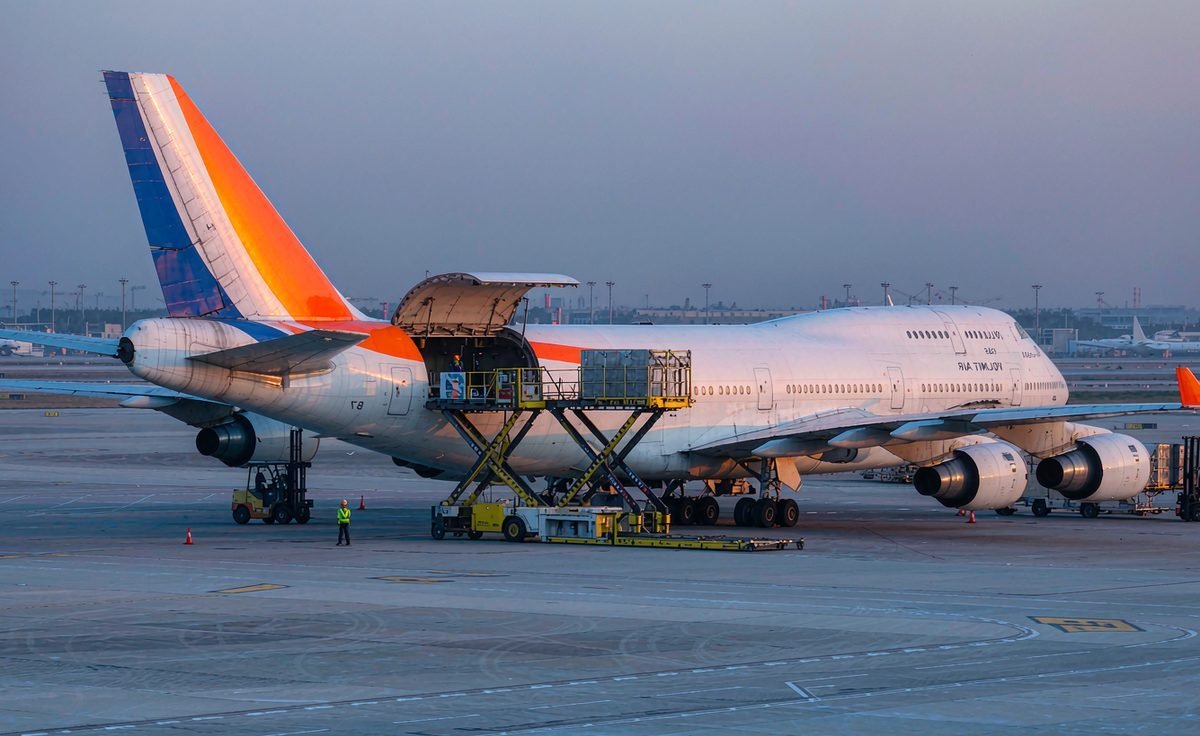
Space priority follows the contract hierarchy. Cargo booked under a forwarder's annual carrier contracts — sometimes called NAC (name account contract) space — sits higher in the loading queue than spot cargo. Waymore locks in discounted carrier space on the major trade lanes every year, which is why our pre-CNY bookings roll far less often than spot bookings in the same weeks. We also stagger bookings across two or three alternative sailings where the customer's dates allow, so a delay on one vessel does not strand the shipment.
What Are the Cut-off Dates You Must Hit Before CNY?
Even with confirmed space, a missed cut-off rolls your cargo. Three dates govern every booking:
| Cut-off | What it is | Typical timing | What happens if missed |
|---|---|---|---|
| SI cut-off | Shipping instructions: consignee, marks, description for the bill of lading | 5–7 days before sailing | Booking cancelled or amended at a fee |
| VGM cut-off | Verified Gross Mass declaration required under SOLAS | 24–72 hours before gate-in | Container not loaded — no exceptions |
| CY cut-off | Container gate-in at the container yard | 1–2 days before sailing | Container misses the vessel |
Around CNY, two things change: cut-offs tighten (there is simply more volume to process), and trucking capacity in port cities becomes scarce because drivers return to their hometowns early. A container that misses trucking on February 10 may not get a truck again until February 13 — right at the CY cut-off line. Book trucking as part of the original plan, not as an afterthought.
For LCL cargo the stakes are similar with an extra layer: your goods must arrive at the consolidation warehouse before the CFS receiving cut-off, which is usually 3–5 days before sailing. In a typical week we consolidate 40+ LCL shipments; in the week before CNY that figure can double, and the warehouse enforces receiving deadlines strictly because the CFS itself must sort and load before the crews disperse for the holiday.
How Do You Lock Discount Space Before the CNY Rush?
Practical steps that consistently work for our clients, year after year:
- Fix quantities early. Get written production completion dates from every supplier by mid-January. Chasing suppliers during the rush itself is the most common cause of missed cut-offs we see.
- Consolidate suppliers into one booking. If you buy from three factories, one consolidated FCL or one LCL booking is easier to space-protect than three separate bookings competing for the same sailing. Consolidation also cuts your total freight spend — see our breakdown of FCL versus LCL economics.
- Book with a forwarder holding contracted space. Ask directly: is my space under contract, or is it spot? Contract space survives the crunch better and carries lower rates.
- Stay flexible on sailing dates. Giving your forwarder a 2–3 day window across alternative sailings dramatically lowers rollover probability at no cost to you.
- Prepare documents before the goods are ready. Packing list, commercial invoice, and HS codes should be finalized while production runs, not after. Export customs queues lengthen sharply in the final pre-CNY week.
One anonymized example from a recent season: a UK homeware importer booked 4×40HC in mid-January for February sailings out of Ningbo, two weeks before his competitors on the same trade show circuit started looking. All four containers loaded on schedule at contracted rates; two of them would have rolled if booked in the final week, based on what his suppliers told us afterward. The entire saving came from a single decision — starting the booking conversation early.
Do Ports Actually Close During Chinese New Year?
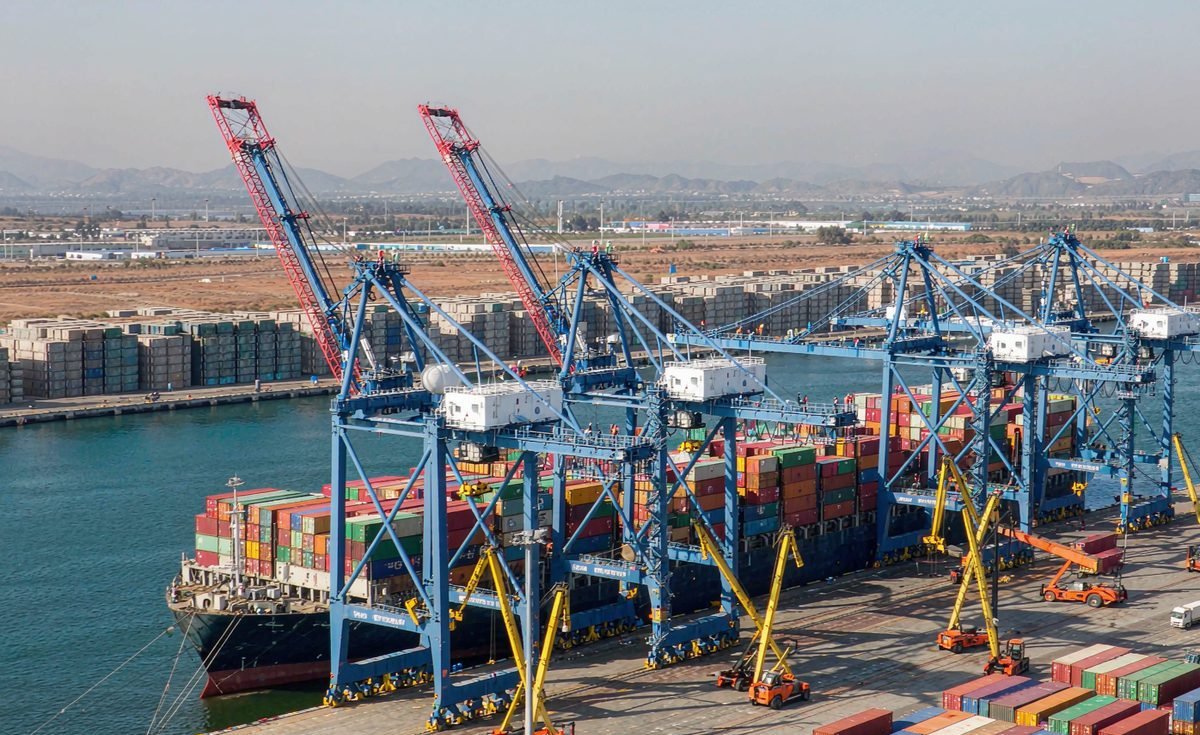
No — and this is the most misunderstood point of the season. Container terminals at Shanghai, Ningbo-Zhoushan, Shenzhen (Yantian/Shekou), Guangzhou (Nansha), Qingdao, Xiamen and Tianjin operate through the holiday; vessels sail and gates stay open, though some CFS warehouses and trucking fleets run reduced schedules. The State Council holiday notice published on gov.cn sets the official public holidays, and the practical bottleneck is upstream: factories, trucking, and labor.
So the real question is never "are ports open?" but "will my cargo exist and be at the port in time?" Carriers including Maersk publish pre-holiday advisories each year recommending early bookings and timely document submission — advice that applies doubly to the final pre-CNY sailings.
Key Dates Checklist for CNY 2026
- Chinese New Year's Day: February 17, 2026.
- Typical factory shutdown window: February 7–12, with restarts from late February into early March.
- Last dependable pre-CNY loadings: February 13–14 on most major trade lanes.
- Book FCL by: January 20 (for mid-February sailings).
- Book LCL by: late January (to clear the CFS receiving cut-off with margin).
- Post-CNY blank sailings: expect reduced schedules in the 1–2 weeks after the holiday.
Ship early, document early, and give your forwarder room to maneuver across sailings. That combination is what separates a smooth pre-CNY shipment from a February nightmare.
Frequently Asked Questions
How far in advance should I book shipping before CNY?
For FCL, book 3–4 weeks before your target loading date; for LCL, 2–3 weeks. During the January–February pre-CNY crunch, carriers cut space allotments and premium demand rises, so late bookings face rollovers, peak-season surcharges, or missing the last sailings before factories close.
What is a container rollover?
A rollover happens when the carrier cannot load your confirmed container onto the booked vessel and pushes it to the next available sailing. Each rollover adds roughly 7 days of transit delay plus re-handling risk. Rollover rates spike in the two weeks before Chinese New Year as shippers flood ports with cargo.
What are cut-off dates before CNY?
The three key cut-offs are: SI cut-off (shipping instructions, typically 5–7 days before sailing), VGM cut-off (verified gross mass declaration, 24–72 hours before loading), and CY cut-off (container gate-in at the yard, usually 1–2 days before sailing). Around CNY these windows tighten and missing by hours rolls your cargo.
Do Chinese ports close during Chinese New Year?
No. Container ports such as Shanghai, Ningbo, Shenzhen and Qingdao operate through the holiday, and vessels sail as normal. What stops is manufacturing: most factories close for 2–4 weeks. The real deadline is the last pre-CNY sailing that fits your production completion date.
How do I get better rates when booking before CNY?
Book early through a forwarder with contracted carrier space, keep your dates flexible by 2–3 days across alternative sailings, and confirm documents (packing list, commercial invoice, VGM) well before cut-offs. A free ocean freight quote 4+ weeks out locks discounted rates before peak CNY premiums apply.
Get Today's Rate & Lock Your Discount
Waymore Shipping offers FCL & LCL ocean freight from every major port in China — Shanghai, Ningbo, Shenzhen, Guangzhou, Qingdao, Xiamen, Tianjin and more. Rates updated weekly with carrier discounts.