LCL Shipping for Small Cargo: Parcels vs LCL Compared
- Express courier wins below roughly 1–2 CBM; LCL shipping wins above it — the crossover is where fixed fees tip the math.
- LCL is charged per revenue ton: 1 CBM or 1,000 kg, whichever is greater.
- LCL carries fixed origin and destination fees that punish tiny shipments but dilute on bigger loads.
- Chargeable weight — not actual weight — decides your air courier bill; bulky-light goods pay for volume.
- Splitting one order (small urgent share by air, bulk by sea LCL) is the best of both worlds.
For LCL shipping of small cargo from China, express courier is usually cheapest below about 1–2 CBM (roughly 200–300 kg), while LCL ocean shipping wins above that line. The crossover exists because LCL carries fixed origin and destination fees that barely shrink with size — so tiny shipments pay proportionally more for them.
This is one of the most common questions from newer importers, and the honest answer is "it depends on your exact numbers" — but the structure of the decision never changes. Below we break down how each mode is actually priced, show a real side-by-side comparison at three shipment sizes, and give you the decision rules our team uses when clients ask which way to send their cargo.
How Is LCL Shipping Actually Priced?
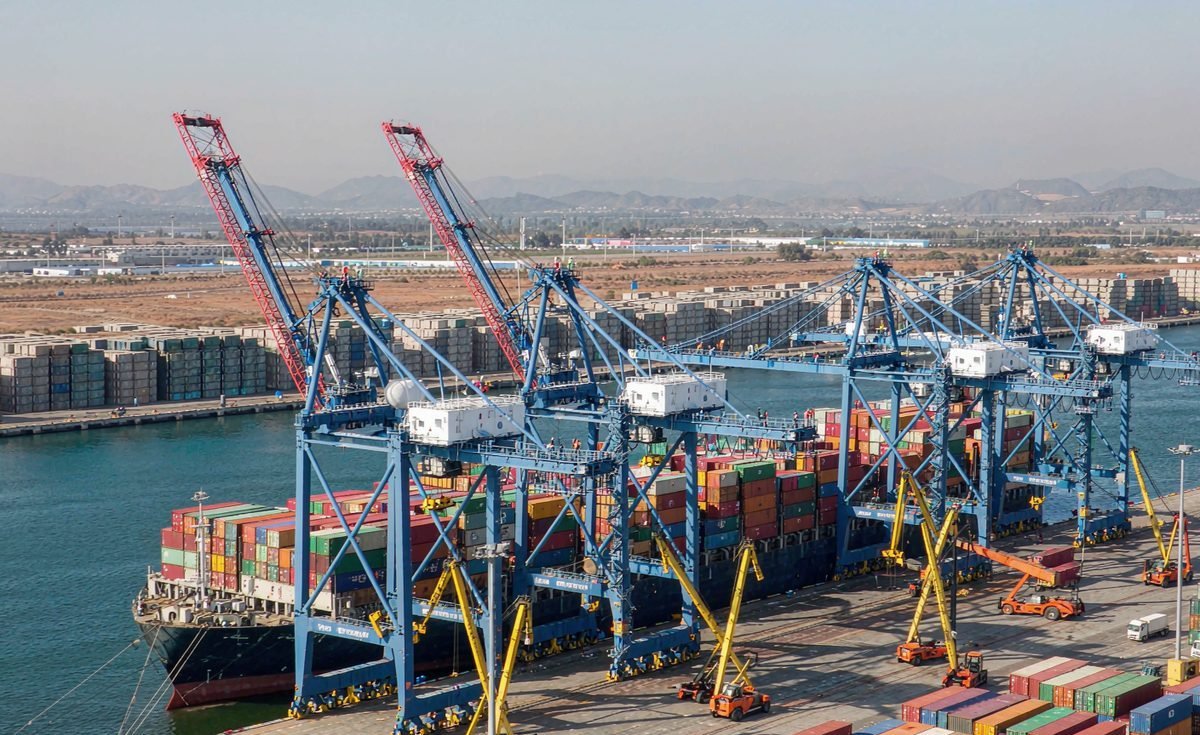
LCL — less than container load — means your cargo shares container space with other shippers' goods. You pay for the space you occupy, measured in revenue tons: one revenue ton equals 1 CBM or 1,000 kg, whichever is greater. Ten cartons of dense machine parts pay by weight; ten cartons of foam cushions pay by volume.
On top of the per-CBM ocean charge sit fixed fees: origin pickup, export customs declaration, documentation, and — at the destination — deconsolidation, handling and delivery. Those fixed fees are the reason a 0.3 CBM LCL shipment often costs nearly as much as a 1 CBM one. The ocean freight line shrank; the fees did not.
By contrast, express courier prices mostly on chargeable weight — the greater of actual weight and volumetric weight (length × width × height in cm, divided by 6,000 for air). A 20 kg carton of pillows with a volumetric weight of 55 kg bills as 55 kg. Couriers also bundle clearance and delivery into their rate, which is exactly why small shipments feel effortless: there is nothing to arrange.
Courier vs Air Freight vs LCL: A Real Comparison
Using typical rate ranges on a China-to-US lane, here is how the same cargo type (mid-density general goods) prices out at three sizes:
| Scenario | Express courier (DDU) | Air freight (airport-airport) | Sea LCL (door-to-door) |
|---|---|---|---|
| 0.4 CBM / 80 kg — samples & small top-up | ≈ $340, 5–8 days | ≈ $260 + ~$180 handling ≈ $440, 10–15 days | ≈ $520 (fixed fees dominate), 32–40 days |
| 1.8 CBM / 300 kg — small restock | ≈ $1,150, 5–8 days | ≈ $640 + ~$220 ≈ $860, 10–15 days | ≈ $610, 32–40 days |
| 5 CBM / 900 kg — quarterly replenishment | ≈ $3,000+, 5–8 days | ≈ $1,700 + ~$300 ≈ $2,000, 10–15 days | ≈ $1,050, 32–40 days |
The pattern is consistent: courier wins tiny and urgent, air freight occupies an awkward middle ground for small shipments (its own fixed handling fees bite at low weights), and LCL dominates once volume passes roughly 1.5–2 CBM. At 5 CBM, LCL is about a third of the courier cost — the difference between a profitable restock and a margin-destroying one.
When Does Each Mode Make Sense?
Choose express courier when…
- The shipment is genuinely small: under ~1 CBM or ~150–200 kg.
- Speed matters more than cost — samples for a trade-show decision, or an emergency stockout bridge.
- You want zero logistics admin: one tracking number, clearance and delivery bundled.
Choose sea LCL when…
- Volume is above ~1.5–2 CBM and the timeline allows 4–6 weeks door to door.
- You are replenishing planned inventory, not fighting a stockout.
- Cost per unit matters — which for wholesale goods it almost always does.
And between LCL and a full container? Once your cargo reliably fills more than about 13–15 CBM, price a 20GP — sometimes a shared box stops making sense. We walk through that math in FCL vs LCL: which is cheaper.
The Hidden Fees to Watch in Both Modes
Both pricing models have traps. On the courier side, the trap is volumetric weight: importers who quote from product weight get a billing surprise when bulky-but-light cargo doubles the invoice. Measure your packed cartons, not the product spec sheet.
On the LCL side, the traps are the fixed fees at both ends and minimum charges — many consolidators bill a 2 CBM minimum regardless of actual size. Ask for a fully itemized door-to-door quote so the destination fees don't ambush you; our guide to hidden fees in freight quotes lists every line to expect. Also confirm insurance: consolidated cargo moves through more hands, and carrier liability is measured per kilogram unless you buy coverage — basic protection details are set by bodies like FIATA and insurers' standard clauses.
Timing matters too. LCL rates, like all ocean rates, follow the market cycle — index providers such as the Drewry World Container Index show the same peaks and troughs flowing through to consolidated freight. Shipping your small load in a trough month rather than a peak month can save 20% or more on the same cartons.
How LCL Consolidation Works Behind the Scenes
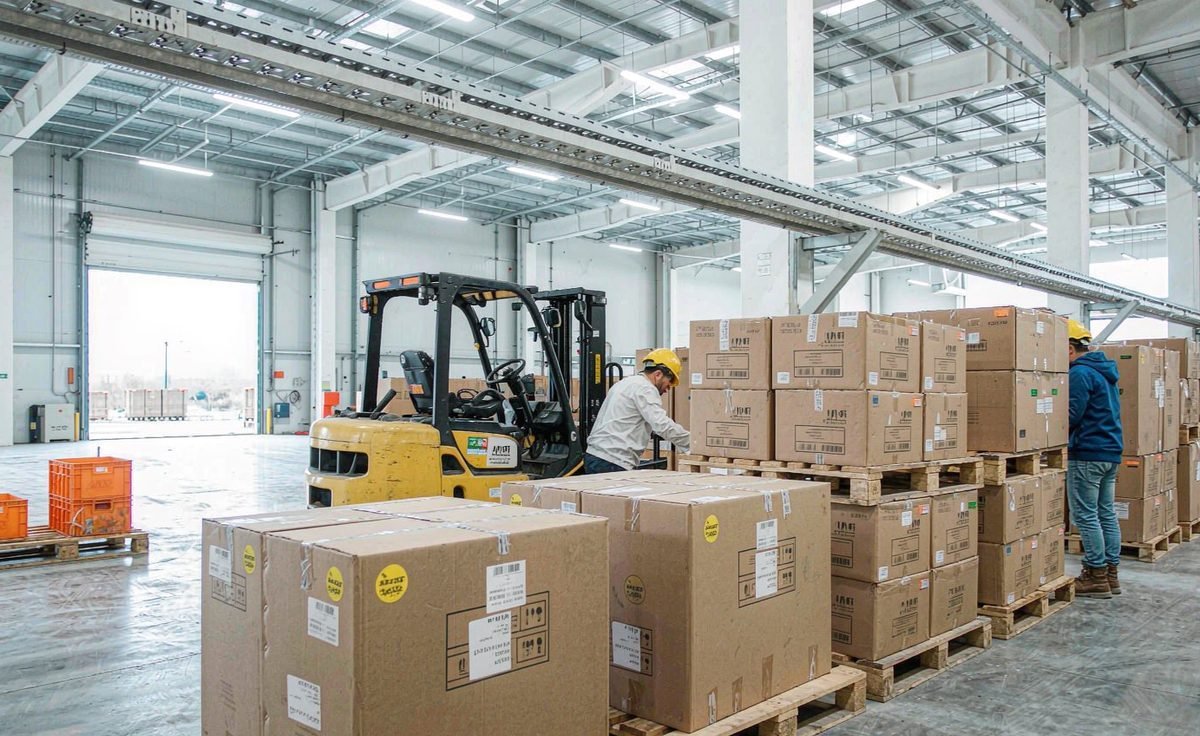
Knowing what happens to your cartons explains both LCL's pricing and its timing. The process at our own warehouses runs like this: your supplier trucks cargo to the consolidation warehouse, where it is counted, measured and photographed on receipt. The team then plans the container load — mixing dozens of shippers' pallets and loose cartons by destination, weight distribution and delivery order. Your goods are crated or palletized if needed, stuffed into the shared container, sealed, and gated into the terminal together.
At the destination, the mirror image happens: the container is deconsolidated at a bonded warehouse, each shipper's cargo is separated and documented, and customs entries are filed per consignee before delivery. This is also why LCL transit includes a few days on each end beyond a straight FCL move — the cargo lives in warehouses twice.
The practical takeaway for small shippers: your cargo's condition and documentation at receipt determine everything downstream. Ship cartons that survive stacking, label every piece with your shipment reference, and make sure the packing list matches the physical count. In a typical week we consolidate 40+ LCL shipments in Shenzhen alone, and the cargo that arrives labeled, counted and well-packed is the cargo that never generates a surprise fee.
Documents and Special Cases for Small Shipments
Small does not mean document-light. Even a 1 CBM shipment needs a commercial invoice, packing list, and — for many destinations — a certificate of origin or product-specific certificates. The goods description must match across every document; customs authorities flag mismatches between invoice wording and declared HS codes regardless of shipment size.
A few categories deserve extra care: batteries and power banks (dangerous-goods rules apply even for one carton), food, cosmetics and supplements (destination registrations often required), wood packaging (must be ISPM-15 stamped), and branded goods (authenticity documentation to avoid intellectual-property holds). Tell your forwarder what the cargo actually is before booking — special cargo discovered at the warehouse always costs more than special cargo declared at the quote stage.
The Smart Middle Path: Split the Order
When you need speed and economy, split the shipment. A common pattern from our Shenzhen desk: a client restocking for a promotion sends 15–20% of units by air courier to open sales on time, and books the remaining 80–85% as sea LCL arriving three weeks later. Total freight cost lands far below an all-air move, and shelves never go empty.
The split works even better with consolidation. If three suppliers are involved, collect everything into our warehouse first, then split from one inventory pool — one pickup, one export declaration, and two clean departures. Our walkthrough of cargo consolidation from multiple suppliers shows how the fees collapse when everything merges before departure.
A Quick Decision Framework
Under 1 CBM and urgent? Courier. Under 1 CBM and not urgent? Still courier — LCL's fixed fees rarely justify the wait at that size, though an air-freight consolidation is worth pricing. 1.5–15 CBM and planned? Sea LCL, quoted door-to-door. Above ~15 CBM? Price FCL. Urgent but large? Split the order.
One final rule from experience: re-run the comparison every quarter. The courier–LCL crossover moves with both markets, and the importer who checks pays less than the importer who assumes.
Whichever mode wins for a given order, write the decision down with the numbers that drove it — CBM, weight, transit, all-in cost. Over a year, that log becomes a custom decision table for your business, specific to your lanes and your product density. Importers who keep it stop re-litigating the same question with every order, and they notice immediately when the market shifts the crossover point. In freight, the buyers with their own numbers always negotiate from stronger ground than the buyers with someone else's assumptions.
Frequently Asked Questions
Is LCL cheaper than courier for small shipments from China?
For cargo above roughly 1–2 CBM or 200–300 kg, LCL is almost always cheaper per unit. Below that threshold, express courier is often better value once you count LCL's fixed origin and destination fees. The crossover point depends on the lane, but a 0.5 CBM shipment usually ships cheapest by air courier, while 3 CBM almost always wins by sea LCL.
How is LCL freight charged?
LCL is charged by volume or weight, whichever is greater — the "revenue ton". One revenue ton equals 1 CBM or 1,000 kg. Light but bulky cargo is billed by cubic meters; dense cargo like metal parts by weight. On top of the ocean freight there are fixed fees for pickup, export clearance, documentation and destination handling, which is why very small LCL shipments look expensive.
How long does LCL shipping from China take?
Sea LCL typically takes 30–45 days door to door on transpacific lanes and 28–40 days to Northern Europe, including consolidation time at origin and deconsolidation at destination. That is two to four weeks slower than air courier, so LCL suits replenishment and planned orders, while courier suits samples and urgent stockouts.
What is chargeable weight and why does it matter?
Chargeable weight is the greater of actual weight and volumetric weight — for air freight usually calculated as length × width × height in centimeters divided by 6,000. Light, bulky goods like pillows or plastic toys are billed on volume, which can make air freight dramatically more expensive than the physical weight suggests. Always compare cost using chargeable, not actual, weight.
Can I mix courier and LCL in one order?
Yes, and it is a common strategy. Split an order so the urgent 15% goes by air courier and the remaining 85% travels by sea LCL. This keeps shelves stocked while cutting total freight cost, and works especially well when combined with consolidation of several suppliers into the same LCL container.
- FCL vs LCL: Which Is Cheaper for Your Volume?
- Shipping Samples from China Fast and Cheap: 3 Routes Compared
- How to Insure Your Shipment: How Is Coverage Calculated?
- Small MOQ Orders: How to Ship Low-Quantity Stock Profitably
- How to Load Steel & Metal Products into a Container Without Damage
- Peak Season 2028 Playbook: Booking Windows That Save Money
Get Today's Rate & Lock Your Discount
Waymore Shipping offers FCL & LCL ocean freight from every major port in China — Shanghai, Ningbo, Shenzhen, Guangzhou, Qingdao, Xiamen, Tianjin and more. Rates updated weekly with carrier discounts.