
FCL vs LCL: Which Is Cheaper for Your Volume?
- FCL vs LCL break-even: roughly 13–15 CBM for a 20GP and 25–28 CBM for a 40HC on most China export lanes.
- Compare total cost, not ocean freight — LCL's origin CFS charges and destination deconsolidation fees decide the real winner.
- A worked example below shows a 15 CBM shipment saving $410 with FCL — and how a 6 CBM shipment should stay LCL.
- LCL is usually 4–7 days slower because of consolidation and deconsolidation handling.
- Fragile cargo is safer in FCL; mixed-supplier orders often save 20–30% through weekly consolidation.
In the FCL vs LCL decision, FCL becomes cheaper than LCL at around 13–15 CBM (one 20-foot container) and around 25–28 CBM (one 40-foot container) on most lanes out of China. Below those volumes, LCL is almost always cheaper; above them, FCL wins on both cost and control.
That one-sentence rule hides the part that actually costs importers money: the break-even moves with origin charges, destination fees, and the weight-to-volume ratio of your cargo. In this article our consolidation team walks through the real numbers — including hidden LCL fees we see catch buyers every week — and works a live example at 15 CBM where the "obvious" answer is wrong until you see the full cost stack.
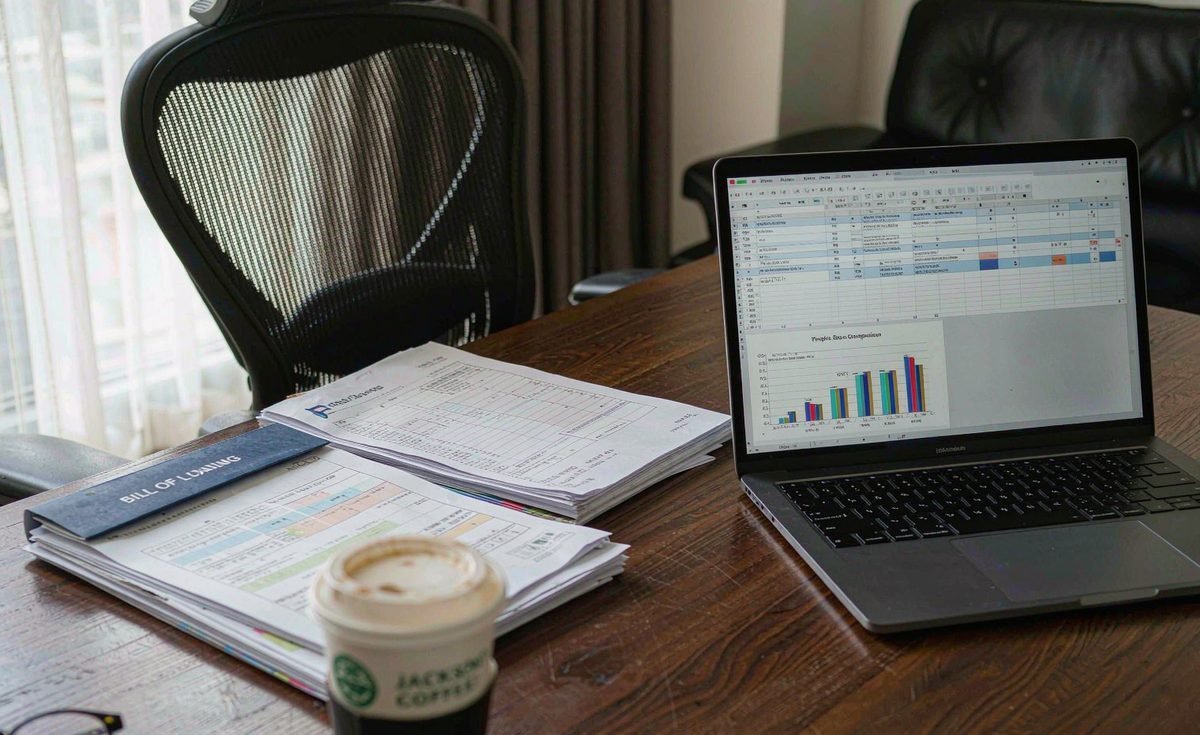
What Is the Difference Between FCL and LCL?
FCL (Full Container Load) means you rent an entire container — 20GP (about 28 CBM usable), 40GP (about 58 CBM), or 40HC (about 68 CBM) — even if you don't fill it. Your goods are stuffed once at origin, sealed, and opened once at destination.
LCL (Less than Container Load) means your cargo shares container space with other shippers' goods. Your freight is charged per cubic meter (CBM), and the consolidator handles grouping multiple shipments into one container and splitting them apart at the destination.
The pricing logic is fundamentally different. FCL is priced like a rental — one price for the box regardless of whether it holds 10 CBM or 60 CBM. LCL is priced like a utility — you pay per unit of space used, but with fixed handling charges attached at both ends that do not shrink with your shipment.
How Much Do FCL and LCL Actually Cost? (China → US West Coast Example)
Here is a realistic cost comparison from Shenzhen to Los Angeles, using typical all-in port-to-port figures including origin charges. Numbers vary week to week with the market — indexes like Drewry's World Container Index show the direction — but the structure of these charges is stable.
| Cost item | LCL (per shipment) | FCL 20GP | FCL 40HC |
|---|---|---|---|
| Ocean freight | $25–40 / CBM | $1,200–1,800 | $1,600–2,400 |
| Origin CFS / terminal handling | $8–12 / CBM | $150–250 (flat) | $200–300 (flat) |
| Documentation & booking | $50–80 (flat) | $80–120 (flat) | $80–120 (flat) |
| Destination deconsolidation & handling | $15–25 / CBM | — | — |
| Customs clearance (destination) | $150–250 (flat) | $150–250 (flat) | $150–250 (flat) |
| Effective capacity | 1 CBM minimum | ~28 CBM | ~68 CBM |
Notice the shape of the problem: LCL's variable costs add up to roughly $50–75 per CBM all-in, while a 20GP costs about $1,500–2,200 all-in whether it carries 5 CBM or 25 CBM. Divide the FCL total by its capacity and you get the real comparison line.
At What Volume Does FCL Become Cheaper Than LCL?
Run the numbers volume by volume (Shenzhen → LA, all-in, typical mid-market rates):
| Your volume | LCL total (approx.) | FCL 20GP total (approx.) | Cheaper option |
|---|---|---|---|
| 5 CBM | $350–500 | $1,500–2,200 | LCL — by far |
| 10 CBM | $650–900 | $1,500–2,200 | LCL |
| 15 CBM | $950–1,350 | $1,500–2,200 | FCL — usually |
| 20 CBM | $1,300–1,800 | $1,500–2,200 | FCL — clearly |
| 28+ CBM | $1,800–2,500 | $1,500–2,200 | FCL — no contest |
| 35–55 CBM | $2,400–3,600 | (40HC) $1,900–2,800 | FCL 40HC |
A worked example: the 15 CBM shipment
A furniture wholesaler in Toronto asked us to compare options for a 15 CBM, 4.2-ton shipment from Foshan. The LCL quote looked fine at $28/CBM ocean freight — until the full stack was tallied: 15 CBM × ($28 freight + $10 origin CFS + $18 destination charges) = $840 total ocean-side cost, plus documentation and clearance. The 20GP alternative, using our discounted carrier space, came in at $1,680 ocean + $210 origin charges — about $410 more at first glance. But the LCL cargo also faced 6 extra days of transit, higher damage risk for furniture, and destination fees billed per CBM that had historically run over estimate. With the container stuffed once and delivered direct to their distribution center, the importer chose FCL and re-used the container for a return-leg warehouse move. Total landed cost came out within 2% of LCL, with less risk and a week faster.
Contrast that with a 6 CBM electronics order we routed the same month: LCL at roughly $460 all-in versus $1,890 for a 20GP. Obvious LCL win — the container would have been 80% empty air.
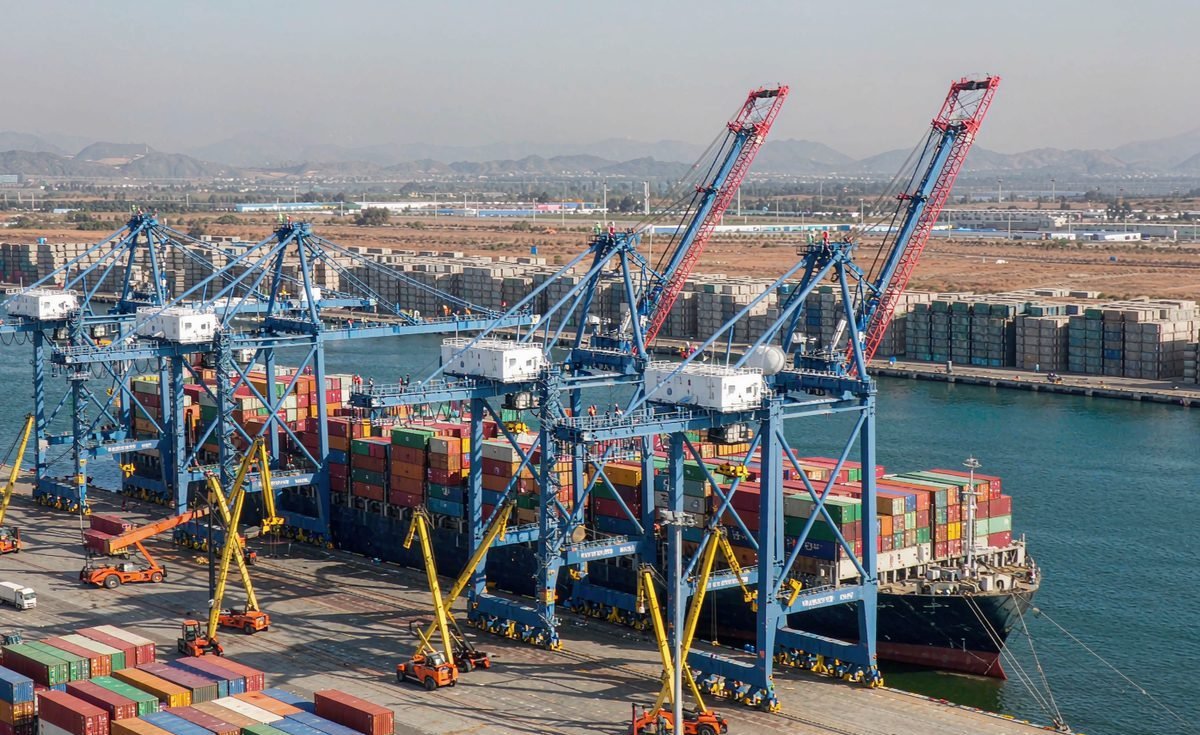
What Hidden Fees Should You Watch in LCL Quotes?
This is where the LCL vs FCL comparison is won or lost. The three most common surprises:
- Destination charges billed per CBM. Deconsolidation and handling at the destination port can run $15–25/CBM — and some destination agents inflate these dramatically because they know you're 10,000 km away. We've seen destination fees exceed the entire ocean freight on small shipments. Insist on a written destination charge estimate before booking. Market benchmarking firms like Xeneta publish data showing how much these all-in costs vary across providers.
- Minimum charges on small shipments. Most consolidators bill a 1 CBM minimum, so a 0.4 CBM carton pays for a full cubic meter. Below about 2 CBM, compare against express/air options too — our LCL shipping for small cargo service covers the sub-2-CBM decision.
- Re-measurement disputes. LCL cargo is measured at the CFS warehouse. If your declared volume is off — foam packaging, irregular cartons — your invoice changes. Get your supplier to state actual carton dimensions, not estimates.
When Should You Choose LCL Even If FCL Is Slightly Cheaper?
Cost is not the only variable. LCL is often the smarter operational choice when:
- Cash flow matters more than unit cost — shipping 8 CBM monthly instead of one 24 CBM quarterly container spreads out capital tied up in inventory.
- You're testing a product or supplier — a first order of 4 CBM doesn't justify a container no matter how the math twists. If the test product takes off, DDP door-to-door shipping can take over the logistics entirely.
- Your suppliers are scattered — when cargo comes from five factories in three provinces, weekly consolidation into one LCL shipment is simpler than trucking everything to one stuffing location. Our cargo consolidation service covers how multi-supplier consolidation typically saves 20–30% versus shipping each order separately.
And when should you choose FCL even if LCL looks cheaper on paper? When cargo is fragile (fewer handlings), high-value (sealed door to door), tight on deadline (4–7 days faster), or when you control the destination leg well enough to absorb a full container quickly.
How Does an LCL Shipment Actually Work, Step by Step?
Understanding the mechanics explains both LCL's fees and its delays. First, each supplier's cargo is picked up and trucked to the consolidator's CFS (Container Freight Station) warehouse near the port. There it is measured and weighed — this is the official volume your invoice is based on — then palletized or crated if needed. Next, the warehouse team stuffs your freight into a shared container alongside other shippers' goods, optimally sequenced by destination and discharge port. The container sails as normal FCL; at the destination, the process reverses at a deconsolidation warehouse, where each shipment is separated, and only then is your cargo available for pickup or delivery.
Every one of those steps is a handling event and a charge line — which is why LCL costs more per CBM than the same space inside a dedicated container, and why transit runs 4–7 days longer. It also explains a pricing quirk: because origin and destination handling are largely fixed per shipment, the marginal cost of each extra CBM in LCL is small, while the fixed floor stays high. That floor is precisely what makes a half-empty container financially attractive once you cross break-even.
What About Heavy Cargo? When Weight Changes the Answer
The CBM math assumes ordinary cargo around 165–250 kg per CBM. Dense cargo breaks the rule. Metal parts, machinery, and full cartons of liquids can hit the container's weight limit long before its volume limit — a 20GP maxes out around 21–25 tons of payload depending on the line, and road weight limits on the destination side may be lower still. If your shipment weighs more than about 750 kg per CBM, FCL usually wins earlier than the volume rule suggests, because LCL weight rates (charged per ton when weight exceeds volume equivalents) rise steeply. Send your forwarder both the carton dimensions and the total weight, and let them run the comparison both ways — it takes minutes and prevents the single most common quoting error in this category.
How Do You Calculate Your Own Break-Even Point?
Use this simple formula our team applies on every comparison quote:
Break-even CBM = FCL all-in cost ÷ LCL all-in cost per CBM.
Get both numbers in writing, door-to-port, including origin CFS, documentation, and a destination charge estimate. If the result is 14 CBM and your shipment is 12 CBM, LCL wins; if your next order is 16 CBM, switch to FCL and start negotiating the container rate instead. Rates move weekly, so re-run the calculation each quarter — or simply send your carton dimensions and destination to us for a free quote, and we'll price both options side by side with the numbers filled in.
Frequently Asked Questions
At what volume is FCL cheaper than LCL?
For most China export lanes, FCL becomes cheaper than LCL at around 13–15 CBM for a 20-foot container and around 25–28 CBM for a 40-foot container. The exact break-even depends on origin charges at your port and the LCL rate per CBM, so always compare total door-to-port costs, not just the ocean freight line.
What are the hidden costs of LCL shipping?
LCL quotes often exclude origin CFS charges, terminal handling, documentation fees, and destination deconsolidation charges, which are billed per CBM or per shipment. Destination charges in particular can be disproportionately high — in extreme cases the fees at the destination port exceed the entire ocean freight cost. Always ask for an all-in estimate for both ends.
Is LCL shipping slower than FCL?
Yes, usually by 4–7 days. LCL cargo must be collected from multiple suppliers, consolidated into a container at a warehouse, and deconsolidated at the destination before it is available for pickup. FCL sails as soon as your container is loaded, so for urgent orders the time difference matters as much as the cost difference.
Is FCL safer for fragile cargo than LCL?
Generally yes. In an LCL consolidation your goods share space with other shippers' cargo and are handled twice more at the origin and destination warehouses. For fragile goods like ceramics, glass or furniture, a dedicated FCL container that is stuffed once and opened once reduces handling risk significantly.
How is LCL freight charged?
LCL is charged by volume in cubic meters (CBM), with weight used as the limit — 1 CBM is the minimum for most lanes, and cargo heavier than 1 ton per CBM is charged by weight. The rate per CBM falls as volume increases, but origin and destination fixed charges do not scale down, which is why small shipments have a high effective cost per CBM.
Get Today's Rate & Lock Your Discount
Waymore Shipping offers FCL & LCL ocean freight from every major port in China — Shanghai, Ningbo, Shenzhen, Guangzhou, Qingdao, Xiamen, Tianjin and more. Rates updated weekly with carrier discounts.