
How to Prepare Your Cargo Before Chinese New Year
- Ship before Chinese New Year means more than beating the holiday — the real blackout is roughly 2 weeks before to 3 weeks after.
- For CNY 2026 (February 17), place final orders 6–8 weeks out and get cargo on a vessel by early February.
- Pre-CNY is a mini peak season: space tightens and rates rise in the last 3–4 weeks before the holiday.
- Ports and customs stay open but run thin; trucking and documentation are the usual pre-CNY bottlenecks.
- Book through a forwarder with guaranteed space allocations to avoid rollovers onto post-holiday sailings.
To ship before Chinese New Year successfully, book vessel space 6–8 weeks before the holiday, get cargo delivered to port 10–14 days before it starts, and finalize all customs documents two weeks out. For CNY 2026 on February 17, that means cargo should be sailing by the first week of February at the latest.
Every year, importers lose four to six weeks of selling time because they planned around the official holiday dates instead of how China's supply chain actually behaves. Factories empty out before the official calendar does, carriers skip sailings, and trucking capacity vanishes. This guide gives you the real, week-by-week timeline our operations team uses to keep client cargo moving through the CNY crunch — plus a planning table you can adapt to your own order book.

What Actually Happens Around Chinese New Year?
Chinese New Year is the largest annual human migration on earth. The official public holiday (announced by the State Council, see gov.cn for the official notice) runs about eight days, but the logistics reality stretches far wider:
- Factories: most close 1–2 weeks before CNY as workers travel home, and restart at partial speed for 2–3 weeks after. Full production usually resumes 3–4 weeks post-holiday.
- Ports and customs: formally open 365 days a year, but with reduced staffing and slower document processing.
- Trucking: drastically reduced — a large share of drivers are on leave, so inland drayage in the final pre-CNY week can cost double and still miss cut-offs.
- Carriers: publish blank-sailing programs for the holiday weeks, cutting effective capacity by 20–30% on some lanes even as shippers rush cargo out before the break.
Put together, the practical shipping blackout is about four weeks: the two weeks before the holiday (rush + shrinking capacity) and the two weeks after (backlog + slow restart). Plan your calendar around that window, not the official holiday dates.
When Should You Ship Before Chinese New Year? (Week-by-Week Timeline)
Here is the timeline we run with clients, calibrated for CNY 2026 (February 17). Shift all dates if your factories sit inland — a factory in Chengdu or Wuhan needs extra trucking days to reach a coastal port.
| Timing (CNY 2026) | What you must do | What happens in the market |
|---|---|---|
| 8 weeks before (late Dec) | Place final production orders; confirm quantities, packaging and inspection plans | Carriers publish early CNY blank-sailing programs; rates still near normal |
| 6–7 weeks before (early–mid Jan) | Book vessel space for sailings 3–5 weeks out; lock rate with your forwarder | Space on pre-CNY sailings starts selling; first rate increases announced |
| 4–5 weeks before (mid–late Jan) | Confirm production completion dates; book trucking; prepare customs documents | Rush season builds; peak-season surcharges applied on major lanes |
| 3 weeks before (~Jan 27) | Cargo ex-factory; inland trucking underway; submit booking cut-off documents | Trucking capacity tightening; last reliable pre-CNY sailings filling |
| 2 weeks before (~Feb 3) | Cargo at port; customs declaration filed; verify B/L draft | Port volumes peak; rollovers increase on full sailings |
| 1 week before (~Feb 10) | Final sailings depart; anything unsent now targets post-CNY vessels | Trucking largely unavailable; premium fees for any last-minute moves |
| CNY week (Feb 17) | Holiday — monitor only | Minimal sailings; customs processing slow but functional |
| 1–3 weeks after (late Feb–mid Mar) | Restart orders; book space early — everyone else is doing the same | Backlog clears slowly; a second rate bump as demand resumes |
The single most common and most expensive mistake is booking in the final two weeks. Space disappears, rates spike, and containers roll onto sailings that depart after the holiday — which quietly costs you the entire month you were trying to save.
Do Freight Rates Rise Before Chinese New Year?
Yes — reliably. Pre-CNY behaves like a mini peak season: exporters push everything possible out before the shutdown, carriers withdraw capacity with blank sailings at exactly the moment demand surges, and the result is predictable price pressure. Rate trackers like Drewry's World Container Index typically show a pre-CNY climb of 15–40% on major lanes in the four weeks before the holiday, followed by a dip during the holiday itself and a second bump when production restarts.
There are two ways to escape the premium. First, book early — space booked 6+ weeks out is priced before the surge. Second, use a forwarder with allocation. Waymore buys carrier space in volume year-round, which is why our weekly discount rate page keeps offering below-market pricing even in peak windows. In January 2025, for example, our consolidated LCL clients out of Ningbo paid effectively flat rates through the entire pre-CNY rush while spot rates around them climbed.
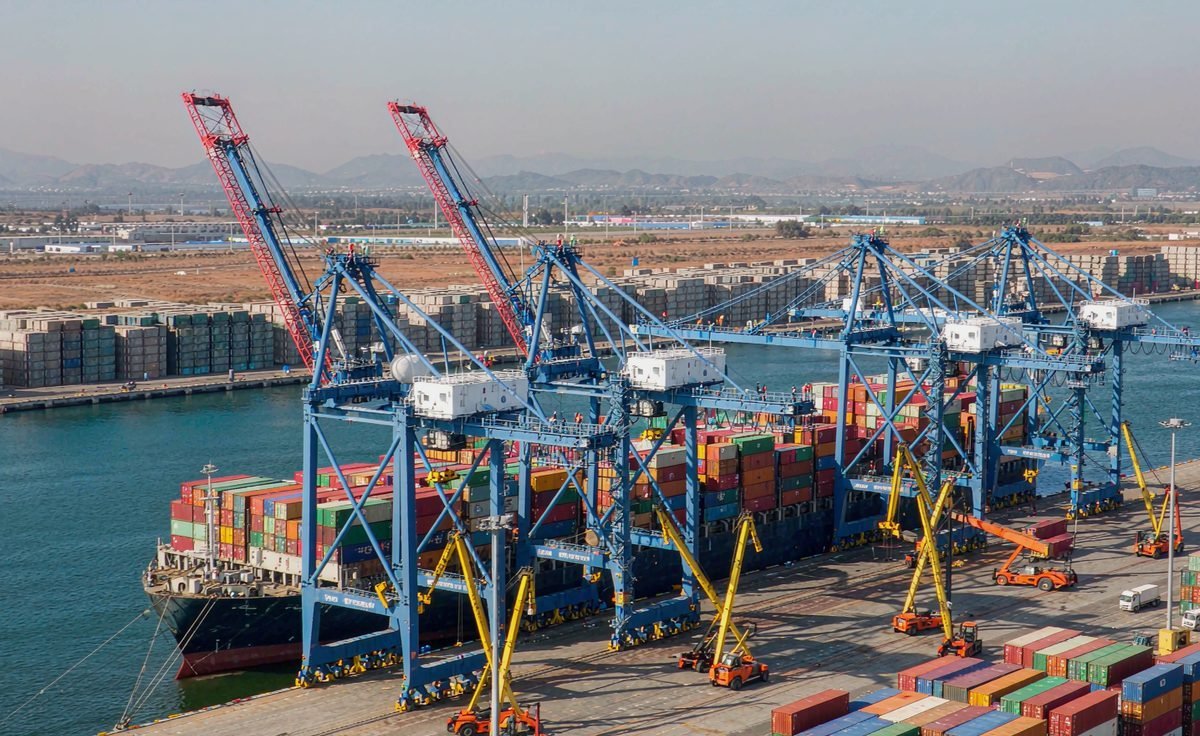
FCL or LCL Before Chinese New Year — Which Gets Out Faster?
It depends on how late you are. FCL gives you a fixed vessel and cut-off — predictable, but once that sailing fills, you wait for the next one. LCL consolidation sails weekly, and a good consolidator can often squeeze late cargo into the next consolidation box, but late LCL is also the first cargo cut when a container is overweight or a vessel overbooks.
- More than 4 weeks out: choose purely on cost — see our FCL vs LCL break-even analysis.
- 3–4 weeks out: book FCL if your cargo is near a container's worth; consolidation boxes fill fast in this window.
- Less than 3 weeks out: ask your forwarder about both — sometimes a guaranteed-space FCL at a premium beats a risky LCL slot, and air freight becomes worth pricing for the critical portion of your order.
What Documents and Deadlines Must Be Ready Before the Shutdown?
Chinese customs declaration, draft bill of lading, commercial invoice, packing list, and any certificates of origin should be finalized two weeks before CNY. Here's why the deadline is hard: during the holiday, the people who fix document errors — customs brokers, freight clerks, factory export staff, your supplier's accountant for VAT invoicing — are on a train home. A mismatched carton count that takes one day to correct in January can take ten days in late February.
Three document checks our Shenzhen operations team runs for every pre-CNY shipment:
- Verify the packing list matches the actual carton count at the factory, before trucking, not at the port.
- Confirm HS codes and declared values with your customs broker in the destination country — rules like US CBP entry requirements or EU VAT formalities don't pause for anyone's holiday.
- Get the supplier to confirm the VAT invoice (fapiao) status early if your DDP terms depend on export rebates.
What If You Miss the Pre-CNY Window?
It happens. If your cargo cannot sail before the holiday, do not burn money on panic premiums for a sailing that will roll anyway. Instead: confirm the first reliable post-CNY sailing, hold cargo at a warehouse rather than the port (terminal storage, demurrage and detention fees accumulate fast once free time runs out), and use the shutdown month for quality inspection and repackaging. Also consider splitting the order: air freight the first 10–15% to keep your shelves stocked, and sea freight the rest on the post-holiday restart.
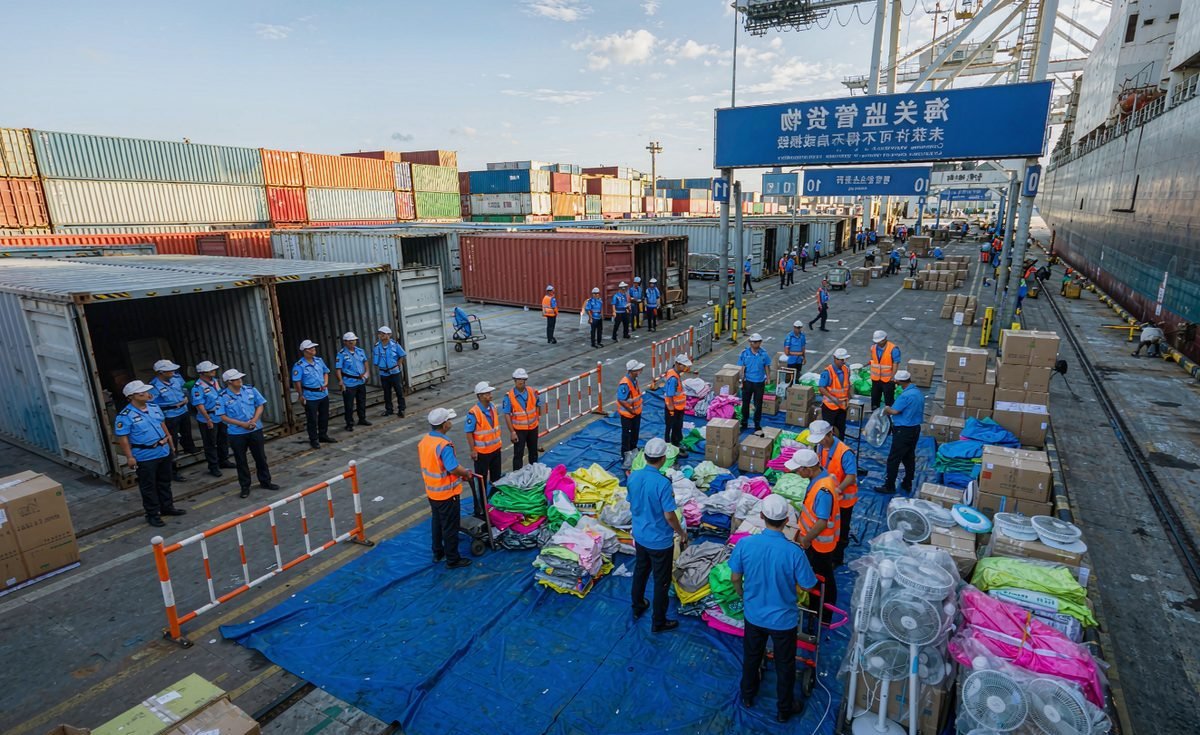
How Far Ahead Does Production Need to Start?
Work backwards. If you need goods in your warehouse by April 1, and transit is 30 days to the US West Coast, your vessel must sail by March 1 — but the post-CNY restart backlog makes early-March sailings unreliable, so target the last pre-CNY departures in early February. That means ex-factory by late January, meaning production must be complete by mid-January, meaning your PO must be placed by late November or early December of the prior year. Buyers who anchor on the official holiday date instead of this backwards calculation are the ones who miss the boat — literally — every year.
How Does Chinese New Year Affect Air Freight and Express Shipments?
Air freight does not escape the crunch — it just experiences it differently. Passenger flight bellies (a major source of air cargo capacity on China routes) shrink during the holiday as airlines cut frequencies, so air rates climb in the same pre-CNY weeks as ocean rates. Express couriers keep flying, but their China hubs run with reduced staff, meaning pickups at factories stop earlier and clearance slows. If you plan an air shipment before CNY, book the uplift a week earlier than you would in a normal month, and have the cartons packed and commercial invoices ready before your courier's last pickup day. In the CNY week itself, the only realistic air options are premium charters and courier consolidations at top rates — which is exactly why the cheapest air freight of the season is the space you booked in January.
Frequently Asked Questions
How early should I ship before Chinese New Year?
Book vessel space 6–8 weeks before CNY and have cargo delivered to port at least 10–14 days before the holiday starts. For CNY 2026 (February 17), that means cargo on a vessel by early February at the latest. Anything booked in the final two weeks risks rollover to sailings after the holiday.
When do Chinese factories close for Chinese New Year?
Official public holidays run about 8 days, but most factories effectively shut 1–2 weeks before CNY as workers travel home, and many do not reach full production speed until 3–4 weeks after. Treat the real production blackout as roughly four weeks: two before the holiday and two after.
Do ports in China close during Chinese New Year?
Ports and customs stay operationally open — container terminals run 365 days a year — but staffing is thinner, trucking capacity drops sharply, and carriers skip sailings. So cargo can technically move during CNY week, but with far fewer options, slower customs processing and higher premium surcharges.
Do freight rates go up before Chinese New Year?
Yes, typically. Pre-CNY is a mini peak season: exporters rush cargo out before the shutdown, carriers raise rates and impose peak-season surcharges, and space tightens in the 3–4 weeks before the holiday. Booking early with a forwarder who holds discounted space is the most reliable way to avoid the premium.
What documents should I prepare before the CNY shutdown?
Have your commercial invoice, packing list, bill of lading draft, and any certificates of origin finalized at least two weeks before CNY. Customs brokers and banks work reduced schedules around the holiday, so document corrections that normally take a day can take a week during the shutdown.
Get Today's Rate & Lock Your Discount
Waymore Shipping offers FCL & LCL ocean freight from every major port in China — Shanghai, Ningbo, Shenzhen, Guangzhou, Qingdao, Xiamen, Tianjin and more. Rates updated weekly with carrier discounts.