Shipping Consumer Electronics from China to United States: Requirements, Costs & Tips
- Wireless devices need FCC authorization; confirm the Supplier's Declaration of Conformity or FCC ID before production ends.
- Many electronics HTS codes carry Section 301 tariffs of 7.5-25% on top of normal duty.
- ISF must be filed 24 hours before loading in China — late filings risk USD 5,000 penalties.
- West Coast transit is 14-18 days to LA/Long Beach; East Coast 28-35 days to New York.
Shipping consumer electronics from China to the United States is a 14-18 day ocean move to Los Angeles/Long Beach (28-35 days to New York), but the freight is the easy part. What decides your timeline is compliance: FCC authorization for wireless devices, Section 301 tariffs on many HTS codes, and an ISF filing that must be lodged 24 hours before your container is even loaded in China.
Our US-lane desk ships electronics weekly from Shenzhen and Ningbo — headphones, smart-home devices, chargers, small appliances — so the checklist below reflects what CBP and the carriers actually enforce.
What Compliance Rules Apply to US-Bound Electronics?
FCC and product-level requirements
Anything that emits radio frequency — Bluetooth speakers, Wi-Fi gadgets, wireless chargers — needs FCC authorization before import. Most consumer devices use a Supplier's Declaration of Conformity backed by test reports from an accredited lab; some categories need full Certification with an FCC ID printed on the product. Missing FCC documentation is the single most common reason electronics get held at Long Beach.
Lithium batteries and dangerous goods
Devices containing lithium-ion batteries are shippable by sea, but they must be declared and packed to IMDG standards — UN3481 for batteries packed with or contained in equipment, proper state-of-charge limits for standalone batteries, and correct marks on cartons. Our team won't accept undisclosed battery cargo, and neither should any forwarder: see our guide to shipping dangerous goods from China for the full picture.
How Much Does It Cost — Including Section 301 Tariffs?
| Cost Element | Typical Figure (Nov 2026) | Notes |
|---|---|---|
| Ocean LCL, Shenzhen → LA | USD 55-80 per CBM | 13-16 days port-to-port |
| Ocean FCL 40HC, Ningbo → LA | USD 2,400-3,200 | Best for 50+ CBM |
| Ocean FCL 40HC, Shanghai → New York | USD 3,800-4,800 | 28-35 days via Panama |
| Normal customs duty | 0-5% most electronics | By HTS code |
| Section 301 additional duty | 7.5-25% on many codes | Check your HTS before quoting landed cost |
| Merchandise processing + harbor fees | ~0.35-0.65% of value | MPF capped per entry for FCL |
A real example: a Chicago importer brought in 400 Bluetooth alarm clocks (HTS 8517-classified, Section 301 +7.5%). On a USD 60,000 invoice, the 301 duty alone was USD 4,500 — triple what their naive "duty-free electronics" estimate assumed. Confirm your tariff treatment against CBP guidance before you price your product.
What Is ISF and Why Does It Matter So Much?
The Importer Security Filing (ISF, "10+2") must be filed with CBP no later than 24 hours before the container is loaded aboard the vessel in China. Your forwarder files it using data you supply: manufacturer, seller, buyer, HTS codes, container stuffing location, and consolidator. A late or inaccurate ISF can draw a USD 5,000 liquidated damages penalty per violation. If you're an Amazon seller, the interplay between ISF and FBA appointment windows is covered in our Amazon FBA shipping playbook.
Consolidate or Ship Direct from Your Supplier?
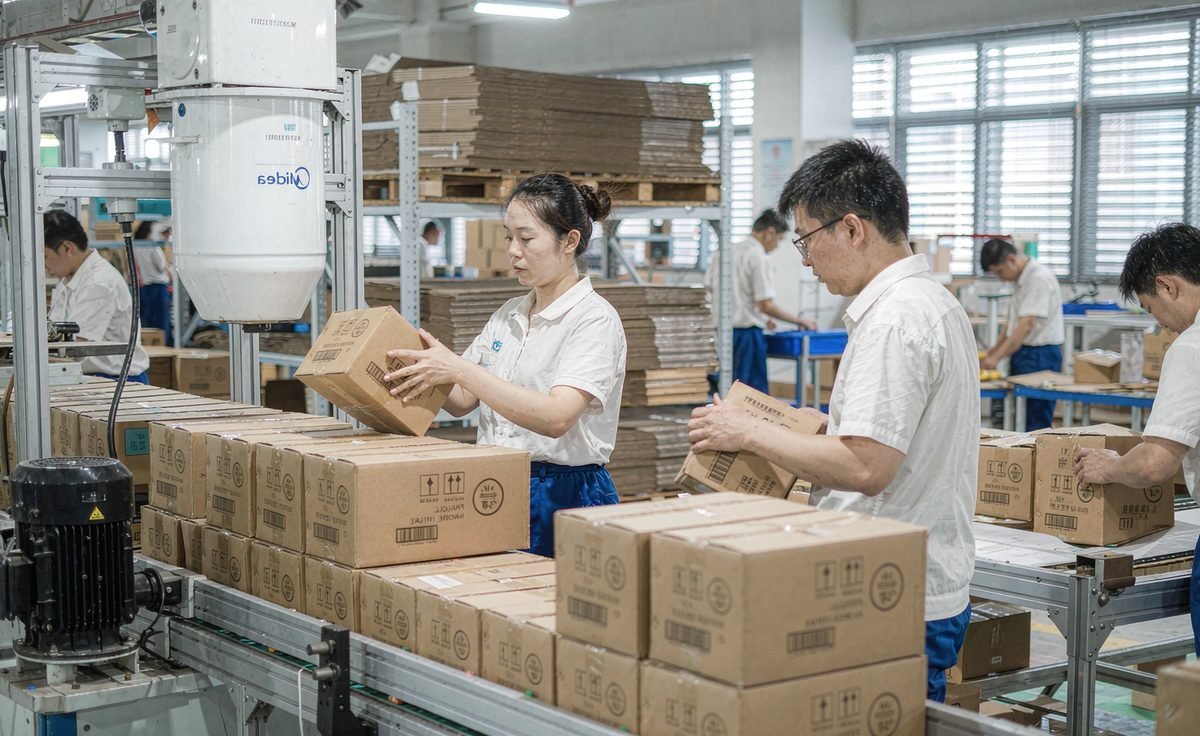
US electronics buyers often split orders across Shenzhen (assembly), Dongguan (components) and Ningbo (accessories). Shipping each supplier separately multiplies LCL minimums, ISF complexity and trucking fees. Consolidating at one CFS gives you one ISF, one entry, one delivery — and typically 20-25% lower origin costs. A Seattle smart-home brand we support consolidated three suppliers into a monthly 40HC; their per-unit landed logistics cost dropped by about USD 0.40 across a 6,000-unit order. The mechanics are in our multi-supplier consolidation guide.
Frequently Asked Questions
What compliance rules apply to consumer electronics imported into the US?
Devices with radio or wireless functions need FCC authorization (Supplier's Declaration of Conformity or Certification), and most powered products must meet applicable safety standards. Lithium batteries in the cargo must be declared and packed per IATA/IMDG rules even for ocean freight. CBP also enforces country-of-origin marking.
Do I have to pay Section 301 tariffs on electronics from China?
Many consumer electronics HS codes fall under Section 301 lists, adding 7.5-25% on top of normal duty. Your customs broker confirms the exact rate by HTS code before shipping, and exclusions change periodically — never assume 0% without checking.
What is ISF and when must it be filed for US shipments?
ISF (Importer Security Filing, "10+2") must be lodged with CBP at least 24 hours before loading on the vessel in China. Your forwarder files it; late or wrong ISF filings can trigger penalties of USD 5,000 per violation.
How long does ocean freight from China to the US take?
Shanghai or Shenzhen to Los Angeles/Long Beach runs about 14-18 days port-to-port; to New York via the Panama Canal about 28-35 days. Add 3-7 days for clearance and trucking on the West Coast, longer for East Coast rail.
- Shipping Packaged Food Products from China to United States: Requirements, Costs & Tips
- Shipping Consumer Electronics from China to Spain: Requirements, Costs & Tips
- Shipping Steel & Metal Products from China to United States: Requirements, Costs & Tips
- Shipping Phone Accessories from China to United States: Requirements, Costs & Tips
- Shipping Consumer Electronics from China to Netherlands: Requirements, Costs & Tips
- Shipping Consumer Electronics from China to Greece: Requirements, Costs & Tips
Get Today's Rate & Lock Your Discount
Waymore Shipping offers FCL & LCL ocean freight from every major port in China — Shanghai, Ningbo, Shenzhen, Guangzhou, Qingdao, Xiamen, Tianjin and more. Rates updated weekly with carrier discounts.