
Shipping from China in 2028: Freight Rates Outlook & Trends
- Freight rates 2028 forecasts point to moderate, cyclical pricing — below the 2021–2022 peaks, above pre-pandemic floors.
- Three forces dominate: a huge order book of new ships (downward pressure), trade policy and tariffs (upward), and IMO environmental surcharges (structural).
- Our base case for a 40HC Shanghai–Los Angeles in 2028: about $1,800–2,600; Shanghai–Rotterdam: about $2,000–3,000.
- The smartest 2028 strategy is a hybrid contract-plus-spot model, negotiated through a forwarder with access to discounted carrier space.
- Book 3–4 weeks ahead in normal markets, 6–8 weeks ahead of Chinese New Year and Q3 peak season.
Freight rates 2028 outlook in one sentence: most industry forecasts expect moderate, cyclical ocean rates from China — a 40-foot container to North America in the $1,800–2,600 range and to Northern Europe in the $2,000–3,000 range in a base-case scenario, well below the 2021–2022 peaks but structurally above pre-pandemic floors.
That is the headline. The reasoning behind it matters more than the number, because the right number for your cargo depends on lane, season, and how you buy. In this article our operations team breaks down the forces shaping 2028 pricing, gives a scenario table for the major lanes, and explains how importers should structure their purchasing now so a rate swing in 2028 does not wreck the landed cost of their products.

Where Ocean Freight From China Stands Entering 2026
Before looking at 2028, it helps to know the starting point. The market that enters 2026 is calmer than the chaos years, but it is not the ultra-cheap market of 2019. Spot rates tracked by Drewry's World Container Index and the Freightos Baltic Index have settled into a range that reflects two competing realities: carriers have managed capacity aggressively (blank sailings, slow steaming, route adjustments), while global demand growth for containerized goods has been steady rather than explosive.
For importers this means rates are no longer the single biggest cost swing in their business — but they still matter. A move of $500 per 40HC on a China–US lane can shift a product's landed cost by 3–5%, which is often the difference between a winning and losing margin on a wholesale deal. Understanding the direction of travel for freight rates 2028 is therefore a planning question, not a curiosity.
What Forces Will Shape Freight Rates in 2028?
1. The container ship order book
The single biggest structural factor is supply. Order books tracked by Alphaliner show a very large volume of new container ships scheduled for delivery through 2027–2028, including mega-ships of 15,000 TEU and above. Historically, when fleet capacity grows faster than demand, rates fall. That is the bear case for carriers and the bull case for importers. The counterweight: newer ships are more fuel-efficient and can absorb environmental rules more cheaply, which lets carriers retire older, costlier tonnage and keep effective supply tight.
2. Trade policy and tariffs
Tariffs, sanctions, and regional trade agreements reshape where cargo flows — and redirected flows cost money. When shipments that once moved direct from Shanghai to Los Angeles must be re-routed, transshipped through Southeast Asia, or split across markets, the added legs show up in freight pricing. Policy is the hardest variable to forecast, which is why any serious freight rates 2028 outlook must be expressed as scenarios rather than a single number. We recommend importers follow official guidance such as US Customs and Border Protection tariff updates and China Customs announcements, because policy announcements usually precede rate movements by weeks.
3. Environmental regulation and fuel costs
The IMO's decarbonization framework — including the Carbon Intensity Indicator and upcoming fuel standards — is a permanent upward force on operating cost. Compliant fuels cost more than conventional bunkers, and slow steaming (used to cut emissions) effectively removes capacity from the market. Expect emissions-related surcharges to become a standard, visible line on quotes through 2028, adding an estimated 5–12% to base rates versus the early 2020s. Fuel surcharges (BAF) and currency adjustment factors (CAF) are calculated from published bunker and FX indices — always ask your forwarder to itemise them on the quote.
4. Carrier consolidation and digital pricing
Alliances have restructured, and the remaining large carriers increasingly price through dynamic, data-driven tools. Index-linked contracts — where contract rates float with a published index such as the SCFI or FBX — are becoming the norm. For buyers this cuts both ways: pricing is more transparent, but discounts must be negotiated with more sophistication. This is where a forwarder's purchasing power genuinely shows up on your invoice.
How Much Will Shipping From China Cost in 2028? (Scenario Table)
Based on industry estimates and the capacity and policy trends above, here is our scenario outlook for spot-plus-surcharges pricing on the two highest-volume eastbound lanes. These are directional ranges for planning, not quotes — weekly rates are published on our discount rates page.
| Lane (40HC, port-to-port) | Low-demand scenario | Base case 2028 | High-disruption scenario |
|---|---|---|---|
| Shanghai / Ningbo → Los Angeles / Long Beach | $1,200–1,800 | $1,800–2,600 | $3,000–4,500 |
| Shanghai / Ningbo → Rotterdam / Hamburg | $1,400–2,000 | $2,000–3,000 | $3,500–5,500 |
| Shenzhen → Dubai (Middle East) | $900–1,400 | $1,300–2,000 | $2,500–3,800 |
| Shanghai → Sydney (Australia) | $800–1,200 | $1,100–1,700 | $2,200–3,200 |
| Emissions surcharge share of base rate | 3–6% | 5–12% | 10–15% |
What could push the market into the high-disruption column? In recent years the triggers have included security-driven route diversions (Red Sea-style rerouting adds 10–14 days and significant cost via the Cape of Good Hope), port strikes on destination shores, pandemic-style demand shocks, and abrupt tariff changes. Data sources like Sea-Intelligence track schedule reliability and blank sailings — useful early-warning indicators for the direction rates will move next quarter.
Will Rates Rise or Fall in 2028? The Short Answer
Rates will most likely rise and fall with the normal cycle — stronger in Q3–Q4 peak season, softer in the first quarter after Chinese New Year — with a slight downward structural bias from new ship deliveries, partially offset by environmental costs. In plain terms: 2028 should look like a "normal" freight market, not a repeat of 2021, but also not a return to 2019 bargains. Importers who plan around this cycle, rather than chasing spot rates reactively, will land cargo 10–20% cheaper than those who do not.

What Does This Mean for Importers' 2028 Budgets?
Translate the outlook into planning like this: build your 2028 product budgets using the base-case column, hold a contingency of roughly 15–20% for peak-season or disruption months, and review your freight line every quarter against a published index. If your margins only survive at the low-case rate, your product pricing is too thin — freight volatility is a permanent feature of this trade, not an anomaly.
Timing within the year matters as much as the yearly average. January–March after Chinese New Year is typically the softest pricing window; June–October carries peak-season premiums. For a full breakdown of the January pattern, see our Chinese New Year shipping preparation timeline — and plan your bookings around that rhythm rather than fighting it.
How Should Importers Buy Freight for 2028? Three Practical Strategies
Strategy 1: The hybrid contract-plus-spot model
Lock 50–70% of your forecast annual volume into a named-account contract with a rate floor and ceiling, and buy the remainder on the spot market. The contract protects you from disruption spikes; the spot portion lets you capture soft-market dips. A mid-size importer we work with in Chicago applies exactly this split — in 2025 it kept their average rate roughly 14% below the pure-spot buyers in their category.
Strategy 2: Index-linked pricing
Ask for contract rates pegged to a published index (SCFI, CCFI, or FBX) with a defined lag and cap. You accept some variance in exchange for pricing that cannot drift far from the real market. This is increasingly the standard offered by large carriers, and a forwarder can pool your volume into index-linked allocations you could not access alone. Market data firms like Xeneta publish benchmark rates that make it easy to check whether the price you are offered is fair.
Strategy 3: Consolidate and stay flexible on service type
Not every shipment deserves FCL. As volumes and rates shift through 2028, the FCL-vs-LCL break-even point moves too. Keep your options open — re-run the comparison whenever rates move more than 10%, and let your forwarder price both modes side by side.
How a Forwarder Protects You From Rate Volatility
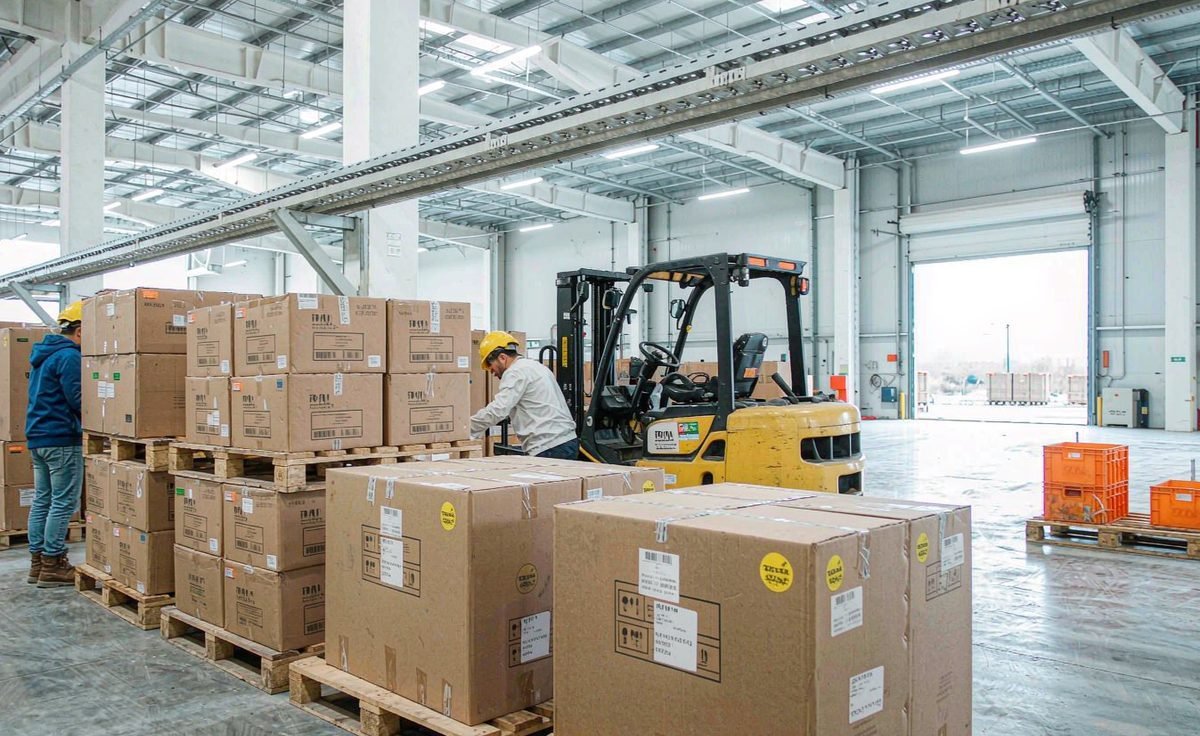
You do not need to become a freight market analyst. The practical route for most overseas buyers is to work with a China-based forwarder who (a) buys carrier space in bulk at discounted rates, (b) publishes weekly discount rates so pricing is transparent, and (c) tells you when to book — and when waiting a week will save money. Waymore Shipping does all three: we quote free of charge from every major Chinese port, consolidate LCL cargo weekly, and flag cut-off dates well ahead so a rate cycle never surprises your supply chain.
The bottom line on freight rates 2028: plan on moderate, cyclical pricing, budget a contingency, buy with a hybrid strategy, and let a specialist handle the weekly market noise. That combination has kept our clients' freight lines predictable through every market condition of the past five years.
Frequently Asked Questions
Will ocean freight rates from China go up or down by 2028?
Most industry forecasts point to moderate, cyclical rates rather than extremes. Massive container ship order books will add capacity, which pressures rates down, while trade policy shifts, environmental surcharges and consolidation among carriers push them up. Our base case for a 40HC from Shanghai to Los Angeles in 2028 is roughly $1,800–2,600, below recent peak levels but above pre-pandemic lows.
What will a 40-foot container from China to Europe cost in 2028?
In our base-case scenario, a 40HC from Shanghai or Ningbo to Rotterdam or Hamburg lands between $2,000 and $3,000 all-in ocean freight. In a low-demand scenario it could fall to $1,400–2,000; in a high-disruption scenario (Red Sea-style diversions, new tariffs, strikes) it could exceed $5,000. Booking several months ahead or using index-linked contracts reduces the variance.
How do IMO environmental rules affect freight rates in 2028?
The IMO's decarbonization measures, including the Carbon Intensity Indicator and fuel-standard rules, raise carriers' operating costs because compliant fuels and slow steaming cost more. Carriers pass these costs through as emissions-related surcharges, which we expect to add a structural 5–12% to base ocean freight rates by 2028 compared with the early 2020s.
Should importers sign annual contracts or buy on the spot market for 2028?
A hybrid works best for most mid-size importers. Contract a portion of your volume (typically 50–70%) to secure space and a rate floor, and leave the rest on the spot market to capture dips. A forwarder like Waymore can blend discounted contract space with weekly spot deals, so you never pay full peak rates.
How far in advance should I book shipping from China?
For standard FCL, book 3–4 weeks before your target sail date in normal markets, and 6–8 weeks before Chinese New Year and the Q3 peak season. LCL consolidations close later — about 10–14 days out — but the same seasonal logic applies. Early booking protects space and usually locks a lower rate.
Get Today's Rate & Lock Your Discount
Waymore Shipping offers FCL & LCL ocean freight from every major port in China — Shanghai, Ningbo, Shenzhen, Guangzhou, Qingdao, Xiamen, Tianjin and more. Rates updated weekly with carrier discounts.