Shipping to the EU: VAT, EORI & Customs Explained
- To import into the EU you need an EORI number — no EORI, no customs declaration, no released cargo.
- Import VAT (19–21% in most member states) is charged on the landed value: goods + freight + insurance + duties.
- IOSS covers e-commerce parcels ≤ €150; standard B2B wholesale shipments clear through the normal import process.
- DDP shifts tax and clearance responsibility to your forwarder; DAP keeps it with you — the right choice depends on your EU tax registrations.
- Document consistency (invoice vs packing list vs declaration) prevents 90% of clearance holds at Rotterdam and Hamburg.
Shipping from China to the EU requires three things: an EORI number for your business, payment of import VAT (typically 19–21%) on the landed value of the goods, plus any customs duties by HS code — all declared through a customs entry filed at your port of entry. Get those three right and clearance at Rotterdam, Hamburg or Le Havre is routine; get one wrong and your container waits at a cost of hundreds of euros per week in storage.
This guide explains shipping from China to EU destinations in plain terms: what the taxes actually are, which documents matter, how IOSS changes small-parcel e-commerce, and when DDP or DAP is the smarter term of sale. It reflects the questions our destination agents in Rotterdam and Hamburg field from EU importers and e-commerce sellers every week — including the expensive mistakes we are asked to unwind after someone else shipped the cargo.
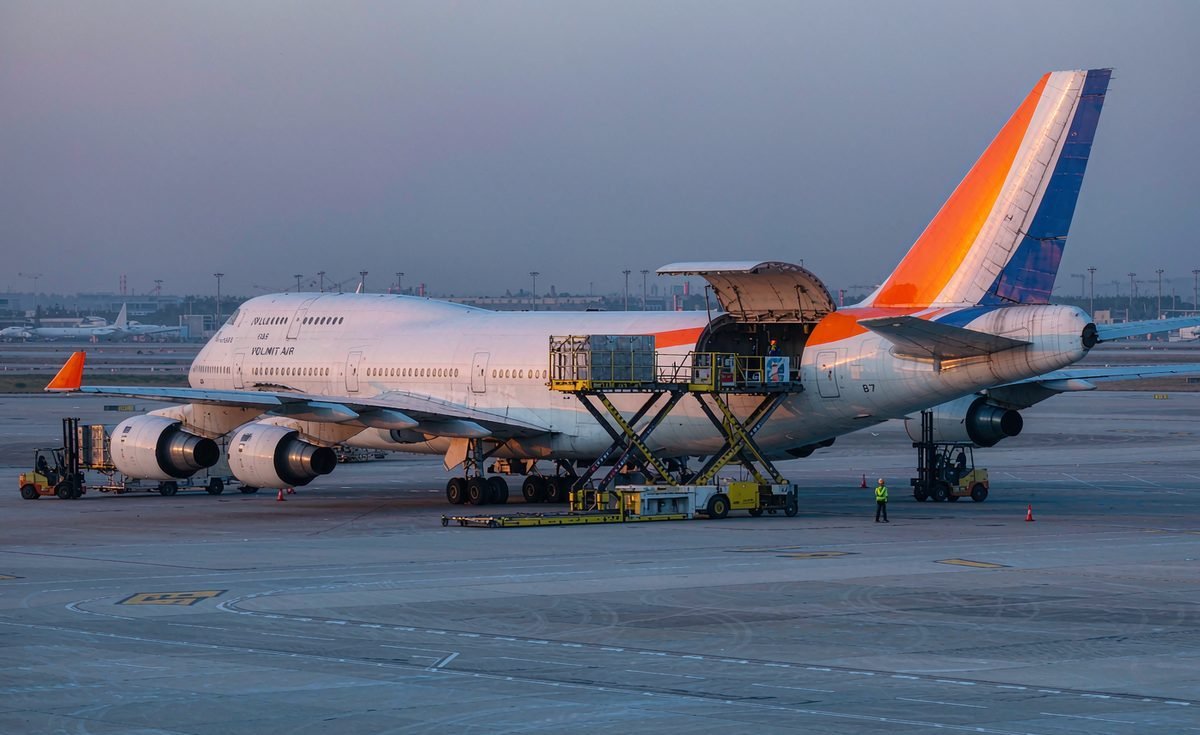
What Is an EORI Number and Why Does It Block Everything?
EORI (Economic Operators Registration and Identification) is the EU-wide identifier customs systems use to track every importer and exporter. It is free, issued by the customs authority of the member state where your business is established, and typically obtained in a few days. Without it, a customs declaration simply cannot be lodged — which is why "we're waiting for your EORI" is the first message from any broker when a new importer's cargo lands.
Three practical notes from our destination team:
- One EORI per business, issued by your home state. A German company registers in Germany; that number works across the whole EU customs territory.
- UK is separate. Since Brexit, Great Britain runs its own regime with GB EORI numbers obtained via HMRC — see the official HMRC import and export guidance. Cargo to the UK is cleared under UK rules, not EU rules.
- Sole traders and new companies can apply too. You do not need years of trading history — but you do need the number before the vessel arrives, not after.
How Much Does It Actually Cost to Import into the EU?
Your total import cost per shipment has four layers: ocean freight to the EU port, customs duty (HS-code based), import VAT (country-based, on the landed value), and destination handling (terminal, clearance, trucking). Here is a worked example our Rotterdam agent processes monthly — a typical mid-size LCL wholesale shipment:
| Cost Component | How It's Calculated | Worked Example (8 CBM / 1,200 kg, goods value €8,000) |
|---|---|---|
| Ocean freight (Ningbo → Rotterdam, LCL) | Per CBM or per w/m, all-in incl. origin charges | €40–€70 per CBM → €320–€560 |
| Customs duty | % of customs value by HS code (e.g. 4.7% for many housewares) | ~€376 (on €8,000 goods value) |
| Import VAT (Netherlands, 21%) | 21% × (goods + freight + insurance + duty) | ~€1,827 (reclaimable for VAT-registered importers) |
| Destination handling, clearance & delivery | Terminal handling, entry fee, THC, trucking | €250–€450 |
| Total landed logistics cost | All of the above | ≈ €2,770–€3,210 (of which €1,827 is reclaimable VAT) |
Two details trip up new importers. First, VAT is charged on the landed value — goods plus freight plus duties — not just the invoice value, so it is always larger than buyers expect. Second, for VAT-registered EU businesses the VAT is usually reclaimed through the periodic return, meaning your true, unrecoverable cost in the example above is roughly €950–€1,390. For the official framework of rates and rules, the European Commission's customs directorate is the authoritative source: EU taxation and customs (TAXUD).
What Documents Does EU Customs Require from China?
The core file is small, but consistency between documents is everything. Our export teams in China prepare the first three; your EU broker files the declaration using them:
- Commercial invoice — value, currency, Incoterm, supplier and buyer details, HS codes. This anchors the customs valuation.
- Packing list — cartons, weights, dimensions per package. Must reconcile exactly with the invoice.
- Bill of lading (sea) or air waybill — the transport contract and document of title.
- Supporting certificates where applicable: certificates of origin (for preferential or anti-dumping contexts), CE conformity evidence for regulated products, and product test reports (toys, electronics, food-contact items).
On the China side, export declaration and documentation requirements are published by China Customs (GACC). The most common hold we see at EU ports is a mismatch — an invoice value that does not match the packing list, or a vague description like "gift items" or "parts" where customs expects specificity. Each query costs 1–3 days plus broker fees. Our checklist for China export customs documents covers the China-side preparation in full.
IOSS: How Do Small Parcels Clear EU Customs?
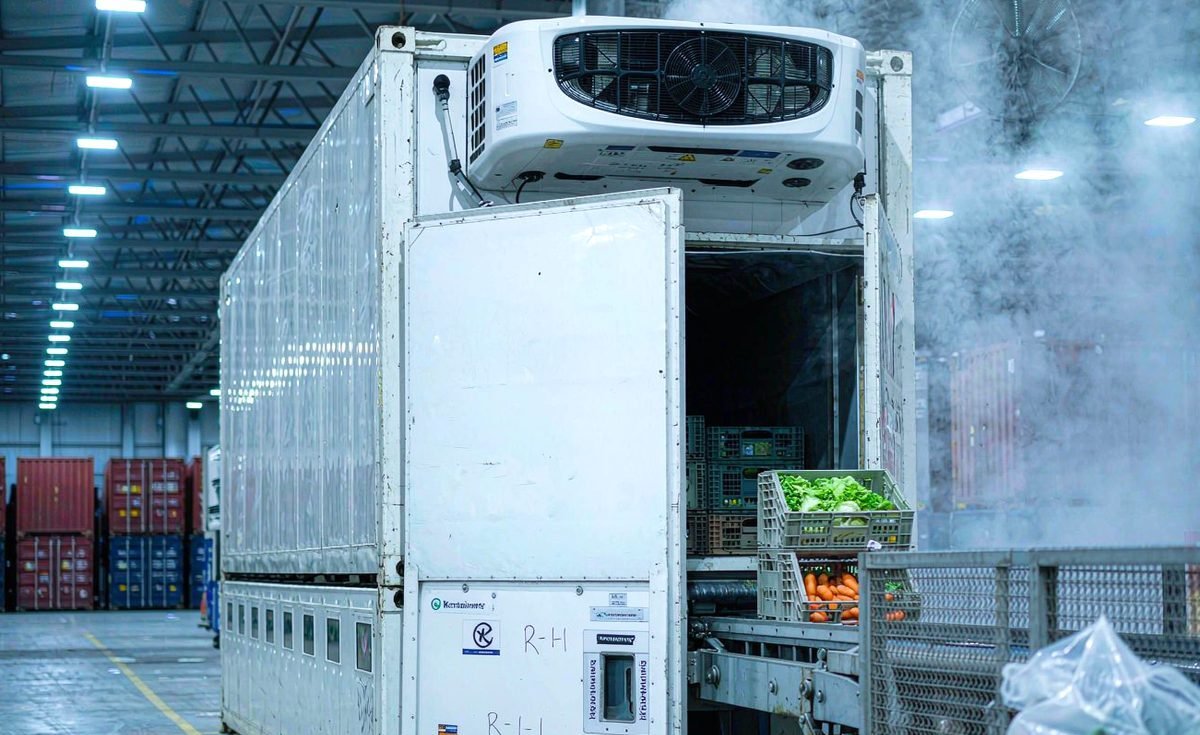
If you sell cross-border B2C into the EU, parcels valued at €150 or less fall under IOSS (Import One-Stop Shop). You register for IOSS (or use an intermediary), charge the customer's domestic VAT rate at checkout, and remit it via a single monthly return. The parcel then clears customs without the customer being asked for money at the door — which is exactly what EU consumers now expect, and what marketplaces like Amazon and eBay have built into their checkout flows.
What IOSS does not do: it does not apply to B2B shipments, to goods over €150, or to excise goods. Wholesalers importing full containers or LCL consignments use the standard import process — declaration, duty, reclaimable VAT — described above. If your model is mixed, keep the streams clean: IOSS for the small-parcel flow, standard import for the wholesale flow. Conflating them is how sellers end up with double-taxed parcels or, worse, undeclared imports that surface in an audit.
DDP or DAP: Which Term Should You Ship On?
This choice determines who pays the taxes and who carries the clearance risk:
| DDP (Delivered Duty Paid) | DAP (Delivered at Place) | |
|---|---|---|
| Who pays duty & import VAT | Your China forwarder / its destination agent | You, the importer |
| Who is importer of record | Forwarder's agent (or your entity, by agreement) | Your EU entity (needs EORI) |
| VAT reclaimable? | Generally no (taxes paid by the agent) | Yes, if you are VAT-registered |
| Best for | Sellers without EU registrations; small/infrequent shipments; Amazon FBA consignments | Established EU importers; VAT-registered wholesalers; regular volume |
| Watch out for | "DDP" quotes that are really DAP with the tax bill deferred to you at delivery | Arriving without EORI/VAT setup — cargo waits, storage runs |
One warning from real cases we have had to fix: some forwarders quote "DDP" but register the import under a generic tax representative and simply pass the VAT bill to the consignee on delivery. That is not DDP. A genuine DDP quote is one all-in figure that includes taxes, and it names who acts as importer of record. Our breakdown of DDP shipping from China shows exactly what a real DDP operation includes, and our door-to-door cost comparison for door-to-door shipping from China shows when all-in pricing beats port-to-port on total cost.
What About Duties, HS Codes and Anti-Dumping?
Customs duty in the EU is set by the Combined Nomenclature — the EU's version of HS codes — and the rate for the same product can range from 0% (many raw materials and industrial parts) to 12% (some finished consumer goods), with clothing and footwear often higher. Getting the code right is not a formality: it determines the duty rate, whether any preferential origin agreement applies, and which product-safety rules the import must satisfy. A code chosen to minimize duty, rather than to describe the product honestly, is the fastest route to a post-clearance audit and back payments plus penalties.
Two categories deserve special caution when sourcing from China. First, products subject to anti-dumping or countervailing duties — historically including certain steel products, ceramics, bicycles and e-bikes — can carry additional duties that dwarf the ordinary rate, and misdeclaring origin to avoid them is treated as fraud. Second, transshipment origin games: routing goods through a third country does not change their country of origin, and EU customs are increasingly active on this front. Our destination agents confirm the applicable tariff treatment for sensitive categories before the cargo sails, because discovering an anti-dumping exposure after discharge turns a normal clearance into a bonded-storage problem.
Handled correctly, the EU import process is one of the most predictable in the world: fixed VAT rates, published duty schedules, and professional brokers at every major port. The failures almost always trace back to paperwork prepared late or terms quoted loosely. Prepare documents before the vessel sails, know your EORI status, and choose DDP or DAP deliberately — then customs becomes a two-day formality instead of a two-week crisis.
Frequently Asked Questions
Do I need an EORI number to import from China into the EU?
Yes. Any business importing goods into the EU customs territory needs an EORI (Economic Operators Registration and Identification) number issued by the customs authority of the EU member state where it is established. Without an EORI number, your customs declaration cannot be filed, and your container will simply wait at port while the paperwork problem is fixed.
How much is import VAT when shipping from China to the EU?
Import VAT is charged on the customs value of the goods plus freight, insurance and any duties — the full landed basis. Standard rates differ by country: for example 19% in Germany, 20% in France, 21% in the Netherlands, 21% in Spain and 20% in the UK (which applies its own UK VAT regime post-Brexit). Registered importers can usually reclaim this VAT on their periodic returns.
What is IOSS and does it apply to my shipments?
IOSS (Import One-Stop Shop) is an EU scheme for distance sales of goods valued at €150 or less. Sellers register for IOSS, charge the buyer's domestic VAT rate at checkout, and remit it through one monthly IOSS return, so parcels clear customs without the customer being asked to pay VAT on delivery. It applies to B2C e-commerce, not to standard B2B wholesale shipments above €150.
What documents are required for EU customs clearance from China?
The core set is a commercial invoice, packing list, bill of lading or air waybill, and the customs declaration itself, typically supported by HS codes and where applicable certificates of origin, CE markings or product-specific test reports. Consistent values and descriptions across all documents are essential — mismatches are the most common cause of customs holds at ports like Rotterdam and Hamburg.
Should I ship DDP or DAP from China to the EU?
DDP (Delivered Duty Paid) means your China forwarder pays duties and VAT at destination and delivers door to door at one all-in price — convenient, but you must confirm who acts as importer of record and how taxes are recovered. DAP means you handle import VAT and duties yourself, which suits registered EU importers who reclaim VAT. Most established EU wholesalers ship DAP; DDP suits sellers without EU tax registrations.
- Double 11 & Holiday Stock: Why October Bookings Matter
- Shipping from China to Qatar: The Complete 2027 Guide
- Shipping from Tianjin to Mumbai: Rates, Transit Times & Booking Guide
- Shipping from Shanghai to Santos: Rates, Transit Times & Booking Guide
- What Does It Cost to Ship Sporting Goods from China? Cost Factors Explained
- Shipping from Shanghai to Lagos: Rates, Transit Times & Booking Guide
Get Today's Rate & Lock Your Discount
Waymore Shipping offers FCL & LCL ocean freight from every major port in China — Shanghai, Ningbo, Shenzhen, Guangzhou, Qingdao, Xiamen, Tianjin and more. Rates updated weekly with carrier discounts.