Shipping from China to Nigeria: The Complete 2027 Guide
- Sea freight China → Lagos: 30–40 days direct, 40–50 via transshipment; air is 3–5 days.
- Typical rates: $1,800–2,800 (20GP), $2,800–4,200 (40HC) to Lagos, plus surcharges.
- Nigeria's compliance trio — Form M, PAAR, SONCAP/NAFDAC — must be arranged before arrival.
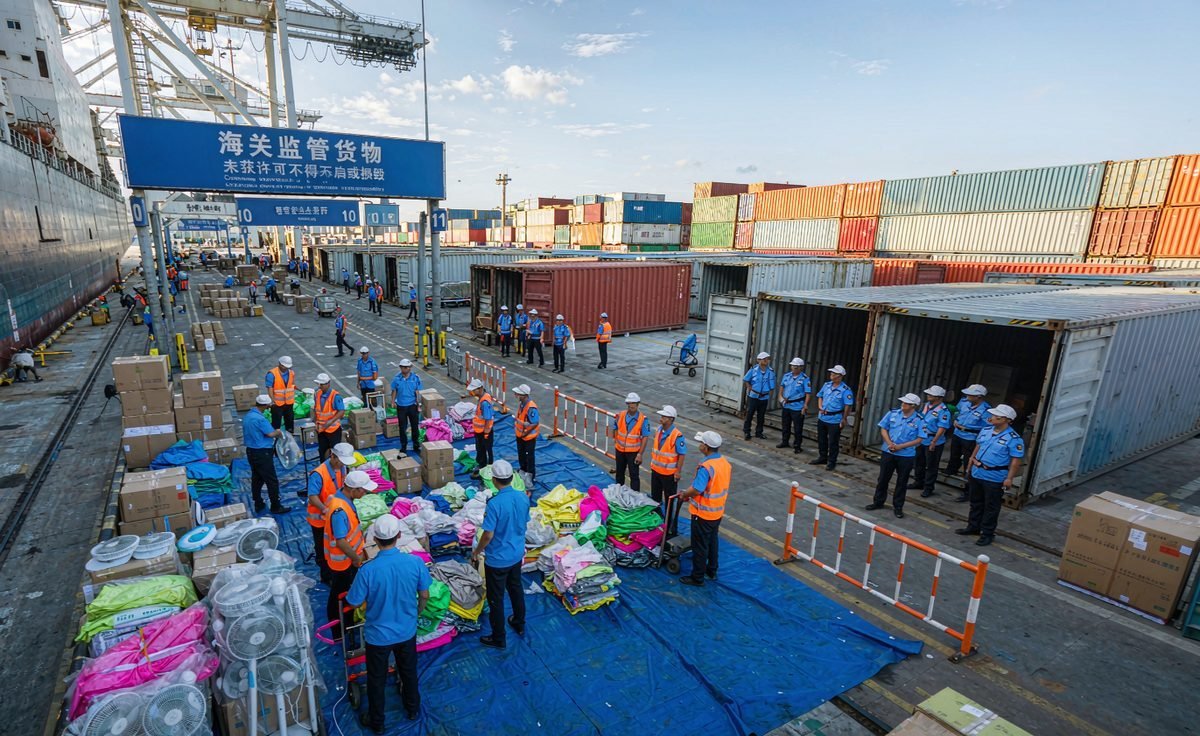
- Clearance at Apapa/Tin Can takes 3–10 days with complete documents; longer without.
- DDP is viable but only with a forwarder that pays duties properly — cheap DDP quotes are a red flag.
Shipping from China to Nigeria takes 30–40 days by sea port to port (direct services to Lagos) or 3–5 days by air, with typical ocean rates of $1,800–2,800 for a 20GP and $2,800–4,200 for a 40HC plus surcharges. The hard part of this lane is not the ocean — it is Nigerian import compliance: Form M, PAAR, SONCAP and NAFDAC, all of which must line up before your container reaches Apapa. This guide covers ports, rates, documents, process and pitfalls in one place.
Our Lagos-corridor team ships everything from generators and solar equipment to textiles, spare parts and fast-moving consumer goods. Nigeria rewards importers who prepare documents early and punishes those who treat it like any other destination. Start here, and you'll avoid 90% of first-timer problems.
Which Nigerian Ports and Services Serve China Cargo?
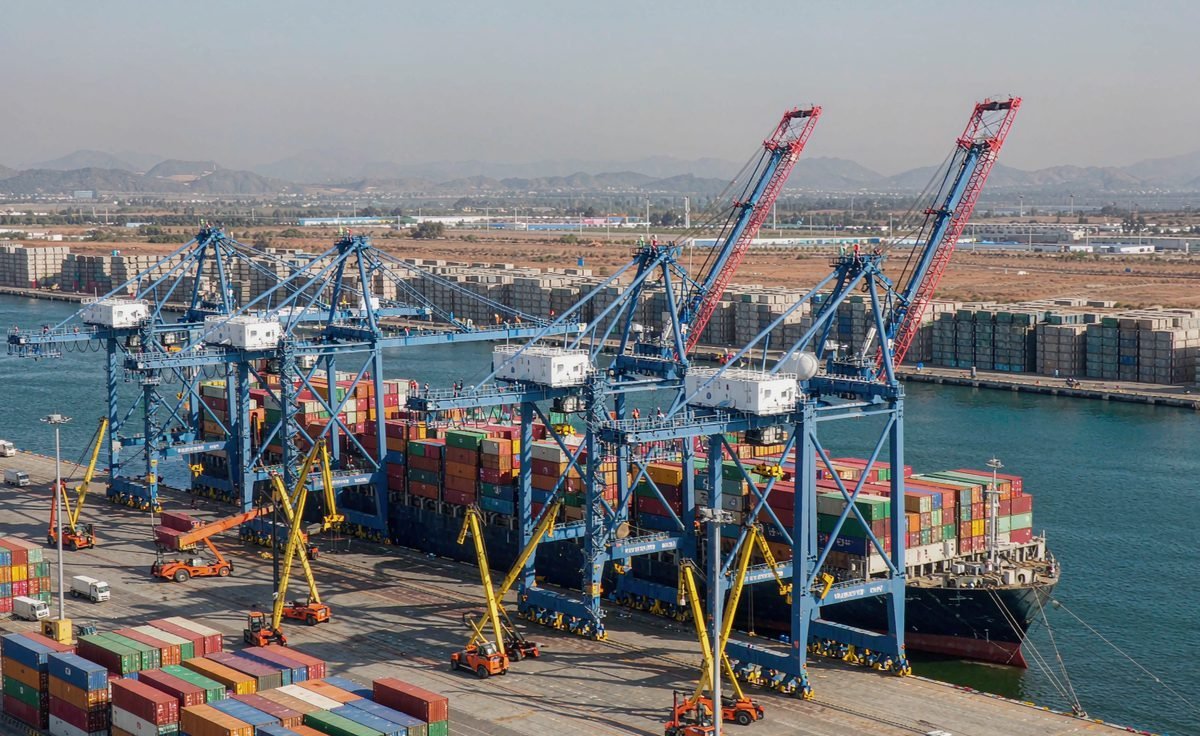
Most China–Nigeria cargo enters through the Lagos complex and Onne:
| Port / Terminal | Location | Typical Use |
|---|---|---|
| Apapa | Lagos | Largest container gateway; congestion-prone |
| Tin Can Island | Lagos | Containers and ro-ro; alternative to Apapa |
| Lekki Deep Sea Port | Lagos (east) | Newest terminal, growing share of China loops |
| Onne (Port Harcourt) | South-south | Oil & gas logistics, some containers |
| PTML / ro-ro terminals | Lagos | Vehicles and wheeled cargo from China |
Direct weekly services from China are operated by carriers including Maersk, MSC, CMA CGM and Grimaldi (for ro-ro); you can browse loops and schedules on carrier portals such as Maersk's scheduling site. Secondary routings transship via Colombo, Tangier or Algeciras, adding 7–14 days.
How Much Does Shipping from China to Nigeria Cost?
Rates on this lane follow the global market cycle tracked by indexes like Drewry's World Container Index — but China–West Africa consistently trades at a premium to Europe lanes because of lower vessel utilization and higher destination operating costs. Typical November 2026 ranges we quote:
| Mode / Size | Typical Rate | Transit (port to port) |
|---|---|---|
| LCL | $55–90 per CBM + fees | 35–50 days incl. handling |
| 20GP | $1,800–2,800 | 30–40 days direct |
| 40HC | $2,800–4,200 | 30–40 days direct |
| Air freight (300–500 kg break) | $4.50–7.00 per kg | 3–5 days via one stop |
| Air express (under 100 kg) | $6–10 per kg | 4–7 days door to door |
Add to any ocean quote: origin THC ($120–200), documentation and seal fees ($70–140), export customs ($50–80), trucking from factory ($150–450), destination THC and delivery order fees ($250–400 at Lagos), and customs brokerage ($150–300). Our detailed breakdown lives in the guide to container shipping costs from China to Nigeria.
What taxes will Nigeria charge me?
- Import duty: 0–35% by HS code; most consumer goods sit at 5–20%.
- VAT: 7.5% on the duty-paid value.
- Levies: a 1% CISS (Comprehensive Import Supervision Scheme) charge, port levies, and ETLS/ECOWAS-related treatment where applicable.
- Valuation basis: Nigeria Customs applies its valuation database and CISS findings — invoice values below database ranges get adjusted upward, a frequent surprise for new importers.
What Documents Does Nigeria Require? (Form M, PAAR, SONCAP, NAFDAC)
This is where Nigeria differs from almost every other lane. Four pre-conditions must be in place, ideally before the goods even sail:
1. Form M
An import authorization opened by your Nigerian company or clearing agent through an authorized dealer bank, using your proforma invoice. It registers the transaction with Central Bank of Nigeria foreign-exchange records. No Form M, no PAAR — and without PAAR, clearing is essentially impossible. Opening one typically takes 2–5 working days.
2. PAAR (Pre-Arrival Assessment Report)
Issued by Nigeria Customs through the NICIS platform based on the Form M, final invoice, bill of lading and relevant certificates. PAAR fixes the assessed duty and VAT before arrival, which is why accurate documents at booking stage matter so much.
3. SONCAP (Standards Organisation of Nigeria Conformity Assessment Programme)
Regulated products — electronics, electricals, tyres, toys, many consumer goods — need a Product Certificate and a SONCAP Certificate (SC) issued through accredited inspection agents against WTO-consistent conformity rules. Arrange this in China before shipment; retrofitting it after arrival means demurrage running at the terminal while you chase paperwork.
4. NAFDAC
Food, beverages, drugs, cosmetics and chemicals require NAFDAC product registration and import permits. This is a months-long registration process for new products — factor it into product launch planning, not shipment week.
Step-by-Step: The China → Nigeria Shipping Process
- Quote & booking (week 0): confirm Incoterms, all-in rate, routing and sailing; our team books space 2–3 weeks ahead of departure on direct loops.
- Supplier readiness (week 0–1): goods produced, packed, VGM declared. For LCL, cargo enters our Shenzhen/Ningbo consolidation warehouse — we handle 40+ Nigeria-bound LCL consignments weekly.
- Documents opened (week 1–2, parallel): your Nigerian side opens the Form M with the bank; we prepare the final invoice, packing list, and arrange SONCAP inspection/certification in China where required.
- Export clearance & loading (week 2): China export customs declaration; container gated in before the cut-off (typically 3–5 days before sailing).
- Ocean transit (weeks 2–8): 30–40 days direct; track milestones per our container tracking guide.
- PAAR & pre-arrival (before arrival): documents transmitted, PAAR obtained, duty computed — done while the vessel is still at sea.
- Clearance & delivery (arrival +3–10 days): customs release at Apapa/Tin Can/Lekki, terminal exit, delivery to your Lagos warehouse or upcountry (Ibadan, Kano, Abuja add 2–7 days).
Realistic door-to-door timeline: 45–60 days from Chinese factory to Lagos warehouse, assuming documents were prepared in parallel with the ocean leg. Add buffer in the run-up to Chinese New Year — see our pre-CNY preparation guide.
Common Pitfalls on the China–Nigeria Lane (and How We Prevent Them)
- Form M opened too late. If it isn't ready before arrival, the container accrues terminal storage from day one. We trigger Form M at booking, not at discharge.
- Undervalued invoices. Nigeria Customs' valuation database will adjust upward and add penalties. Ship with realistic invoice values.
- Missing SONCAP. Regulated goods without the SC certificate face holds or re-export. We verify product eligibility before accepting booking.
- Demurrage & storage stacking. Lagos terminals bill aggressively. Budget clearance-in-days, not weeks, and read our demurrage and detention survival guide.
- Wrong Incoterms. FOB keeps origin control with your forwarder; "EXW" or "FOB factory" quotes that look cheap often hide trucking surprises — our shipping terms explainer untangles them.
Mini-case: generator parts to Kano in 52 days
In October 2026, an Abuja-based equipment distributor needed generator spare parts (8.5 CBM, 2.1 tonnes) delivered to Kano before the dry-season service peak. Air for the full volume was uneconomic (~$11,000). We split it: 400 kg of critical control modules flown via Addis Ababa to Murtala Muhammed (arrived day 6), while 8.1 CBM sailed LCL from Ningbo, cleared at Tin Can with PAAR pre-issued, and trucked to Kano — final delivery day 52, total spend roughly a third of full air. The split-mode pattern is our default recommendation for urgent-plus-bulk Nigeria orders; see also our air vs sea decision guide.
What Do Nigerians Actually Import from China — and What Does It Cost?
Knowing where your product sits in the traffic mix helps you benchmark both rates and clearance treatment. The categories that dominate our Nigeria bookings:
| Category | Typical Mode | Compliance Load |
|---|---|---|
| Generators, solar panels, inverters | FCL 40HC | SONCAP; low duty (0–10%) |
| Phone accessories, electronics | Air + LCL mix | SONCAP for many lines |
| Textiles, apparel, footwear | FCL | High duty (20–35%); valuation scrutiny |
| Auto & motorcycle spare parts | LCL, high frequency | SONCAP; medium duty |
| Building materials, tiles, fittings | FCL | Medium duty; weight limits matter |
| Plastic household goods, kitchenware | FCL | Light compliance |
Rate drivers on this lane, in order of impact: global market cycle (the biggest, visible on indexes like the Freightos Baltic Index), season (Oct–Dec restocking and pre-CNY), fuel surcharges, and destination choice (Apapa vs Tin Can vs Lekki differ in handling costs). If a quote arrives far below the ranges above, the difference is usually routing (transshipment vs direct), space position, or fees pushed to destination — verify before booking, not after.
Payment Terms, Timing and Practical Money Matters
Freight on this lane is quoted and settled in USD. Typical structure: a deposit at booking with the balance due before the bill of lading releases. Nigerian importers should also plan the FX side early — dollar availability affects when duties can be paid at the bank, and duty payment is a hard gate before release. Our practical advice after years on this corridor: open the Form M the same week you confirm the factory order, even if production takes weeks; the paperwork pipeline and the production pipeline should run in parallel, never in sequence.
One more timing rule worth internalizing: ocean cut-offs at Chinese ports typically fall 3–5 days before sailing, and LCL warehouse cut-offs 5–7 days before. Suppliers who promise "goods ready by shipping date" usually mean production finished that day — not at the port. Build the trucking and gate-in buffer into the calendar yourself, or confirm your forwarder has.
Choosing your entry point: Lagos vs Lekki vs Onne
If your warehouse or market is in Lagos, the choice among Apapa, Tin Can and Lekki is mostly made by which service loop your cargo rides. If you serve the east (Onitsha, Aba, Enugu), arriving via Onne or even Lomé with regional trucking sometimes beats fighting Lagos road queues — we've routed eastern-bound cargo both ways and the transit difference can be a wash while the handling experience differs sharply. Northern destinations (Abuja, Kano) typically clear in Lagos and truck north in 3–7 days depending on security advisories on the route at the time. Tell your forwarder the final destination at RFQ stage, not arrival stage: the discharge-port choice is a cost decision, and it must be made before the container sails.
FAQ: Quick Answers for Nigeria Importers
Is DDP shipping to Nigeria safe?
It can be — with a forwarder that opens Form M, obtains PAAR and pays duty correctly. Extremely low DDP quotes usually mean under-declared values or gray-channel routing; if customs seizes that cargo, the importer of record loses. Our full analysis is in the DDP shipping to Nigeria guide.
What is Nigeria's customs clearance process for Chinese goods?
Documents-focused, as described above: Form M → shipment docs → PAAR before arrival → customs assessment and possible inspection at port → duty/VAT payment → release. With complete pre-arrival documents, clearance at Lagos terminals takes 3–10 working days.
Can I ship to Nigeria from any Chinese port?
Yes. Shanghai, Ningbo, Shenzhen and Guangzhou have the most direct services; Qingdao, Xiamen, Tianjin and inland cities connect via feeder or truck to those hubs — usually adding 3–6 days. Air freight lifts from CAN, PVG, SZX, HKG and more.
- DDP Shipping from China to Nigeria: Costs, Rules & Pitfalls
- How Much Does It Cost to Ship a Container from China to Nigeria?
- China to Nigeria Customs Clearance: Documents, Duties & Process
- Choosing a Freight Forwarder in China: 10 Questions to Ask
- How to Load Hardware & Tools into a Container Without Damage
- Shipping Textiles & Apparel from China: The Complete Exporter's Guide
Get Today's Rate & Lock Your Discount
Waymore Shipping offers FCL & LCL ocean freight plus air freight and DDP from every major port in China — Shanghai, Ningbo, Shenzhen, Guangzhou, Qingdao, Xiamen, Tianjin and more. Rates updated weekly with carrier discounts.