Shipping from China to Vietnam: The Complete 2027 Guide
- Sea freight from South China to Ho Chi Minh City takes just 3-6 days; from Shanghai 7-9 days, from North China 10-14 days.
- Under ACFTA, a Form E Certificate of Origin cuts most Chinese-origin goods to 0% import duty in Vietnam — the single biggest cost lever on this lane.
- A 40HC Shenzhen–Ho Chi Minh City typically costs USD 250-600 ocean freight; all-in landed budgets run USD 550-1,100 including local charges.
- Vietnam imports through VNACCS/VCIS electronic customs; incorrect HS codes and missing Form E are the top causes of clearance holds.
- LCL is cheapest below ~13 CBM; FCL wins above it. Waymore runs weekly consolidations to Cat Lai and Haiphong.
Shipping from China to Vietnam means moving cargo by sea, air, or truck across the world's busiest intra-Asia trade corridor: a 3-14 day ocean journey from ports like Shenzhen, Ningbo, and Shanghai to Ho Chi Minh City or Haiphong, with 0% preferential duty available on most Chinese-origin goods under the ASEAN–China Free Trade Agreement. Ocean freight for a 40HC container runs roughly USD 250-600, and air freight USD 1.5-3.5 per kg. This guide walks through every step — ports, rates, paperwork, and pitfalls — based on what our Vietnam desk ships every week.
Vietnam is now one of China's top three export destinations, and the lane behaves very differently from long-haul US or Europe trade. Freight rates are low, sailings are frequent, and the real cost risks sit in customs and certificates, not ocean freight. Importers who plan the ACFTA paperwork correctly routinely save 5-20% of cargo value in duty. Those who don't pay MFN rates and wait in red-channel inspection queues at Cat Lai.
Why Ship from China to Vietnam at All? The Trade Picture
Our clients ship China–Vietnam for two very different reasons. First, Vietnamese factories and distributors import Chinese components, machinery, packaging, and raw materials to feed their own production — a flow that has grown steadily since the UNCTAD Review of Maritime Transport began tracking the shift of manufacturing capacity into Southeast Asia. Second, overseas buyers with Vietnamese customers consolidate goods in South China (Guangzhou, Shenzhen, Dongguan, Yiwu) and ship directly to Vietnamese wholesalers rather than routing through Europe or the US first.
The geographic reality works in your favor: Shenzhen to Ho Chi Minh City is under 1,500 km of ocean. That's why a dozen carriers — COSCO, ONE, Evergreen, Wan Hai, SITC, TS Lines among them — run direct weekly loops, and why spot rates here are a fraction of transpacific levels. When transpacific rates spike, as tracked by the Drewry World Container Index, intra-Asia lanes like this one stay comparatively stable because capacity is abundant.
Which Chinese Ports Serve Vietnam, and Which Vietnamese Ports Receive?
Origin ports in China
- Shenzhen (Yantian & Shekou) — the workhorse for South China factories; 3-5 sailings weekly to Cat Lai.
- Guangzhou (Nansha) — strong for Dongguan and Foshan cargo; direct loops to both Cat Lai and Haiphong.
- Ningbo — best for Yiwu and Zhejiang suppliers; 6-8 days to Ho Chi Minh City.
- Shanghai — biggest schedule selection, including feeder connections to Danang.
- Xiamen, Qingdao, Tianjin — serve North and East China suppliers; longer transits, often with a Hong Kong or Singapore transshipment call.
Destination ports in Vietnam
- Ho Chi Minh City — Cat Lai Terminal: handles the large majority of containerized imports; 4-6 day sailings from Shenzhen, 7-9 from Shanghai.
- Cai Mep–Thi Vai: the deep-water alternative 80 km southeast of HCMC, used by some mainline services and for oversized cargo.
- Haiphong (Lach Huyen): gateway for Hanoi and northern industrial zones like Bac Ninh and Thai Nguyen — critical for electronics supply chains.
- Danang: central Vietnam; mostly feeder services via HCMC or direct from Shanghai.
How Long Does Shipping from China to Vietnam Take?
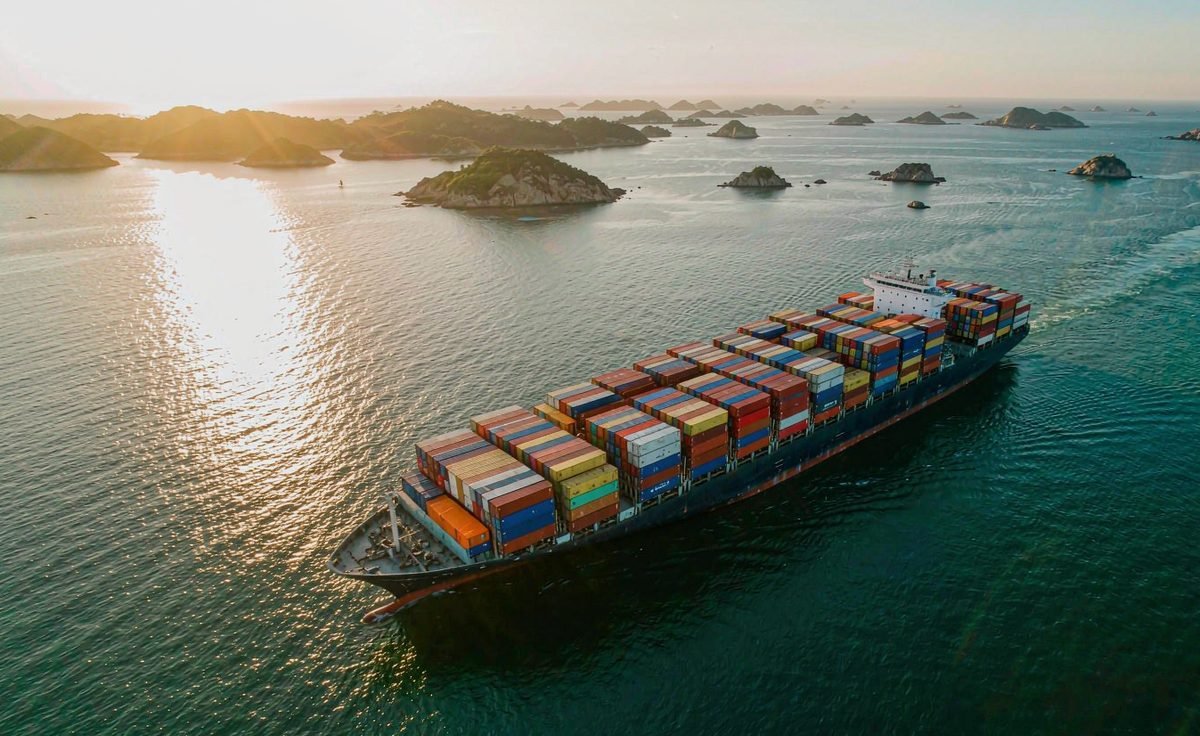
Transit depends almost entirely on your origin port. Here are typical port-to-port benchmarks for direct services our Vietnam desk books in a normal week:
| Origin port | Destination | Typical transit (port-to-port) | Service frequency |
|---|---|---|---|
| Shenzhen (Yantian/Shekou) | Ho Chi Minh City (Cat Lai) | 3-5 days | 3-6 sailings/week |
| Guangzhou (Nansha) | Ho Chi Minh City (Cat Lai) | 4-6 days | 2-4 sailings/week |
| Xiamen | Ho Chi Minh City (Cat Lai) | 5-7 days | 1-2 sailings/week |
| Ningbo | Ho Chi Minh City (Cat Lai) | 6-8 days | 2-3 sailings/week |
| Shanghai | Ho Chi Minh City (Cat Lai) | 7-9 days | 4+ sailings/week |
| Qingdao | Ho Chi Minh City (Cat Lai) | 10-12 days | 1-2 sailings/week |
| Shenzhen (Shekou) | Haiphong (Lach Huyen) | 5-7 days | 2-3 sailings/week |
| Shanghai | Danang | 10-14 days (often via HCMC) | Weekly feeder |
Add 1-3 working days for Vietnamese customs clearance and port release, and roughly 1-2 days for trucking from Cat Lai into HCMC warehouses or up to 2 days from Haiphong to Hanoi. Door-to-door, a typical Shenzhen→Ho Chi Minh City FCL move completes in 5-8 calendar days; Shanghai→Hanoi in 11-15. For urgent replenishment, air freight from Guangzhou or Shenzhen to Ho Chi Minh City or Hanoi takes 1-3 days door-to-door.
How Much Does It Cost to Ship from China to Vietnam?
Intra-Asia rates are among the lowest in global container shipping, but they still move weekly with capacity and fuel surcharges. Indicative November 2026 levels our quotes are based on:
| Service | Lane | Typical rate range |
|---|---|---|
| FCL 20GP | Shenzhen → HCMC (Cat Lai) | USD 150-350 |
| FCL 40HC | Shenzhen → HCMC (Cat Lai) | USD 250-600 |
| FCL 40HC | Shanghai → HCMC (Cat Lai) | USD 350-750 |
| FCL 40HC | Shenzhen → Haiphong | USD 300-650 |
| LCL | Shenzhen → HCMC | USD 8-18 per CBM (min 2 CBM) |
| Air freight | Shenzhen/Guangzhou → HCMC or Hanoi | USD 1.5-3.5 per kg (45 kg+) |
On top of ocean freight, budget USD 300-500 in local charges per container: origin THC, documentation fee (B/L), seal, and export customs declaration on the China side; destination THC, D/O fee, and clearance charges in Vietnam. LCL carries per-CBM destination charges that can surprise first-time importers — always ask for an all-in quote. Waymore publishes weekly discounted rates for this lane, and spot levels can dip below the ranges above when carriers push volume during off-peak weeks.
What Documents Do You Need? The ACFTA Advantage
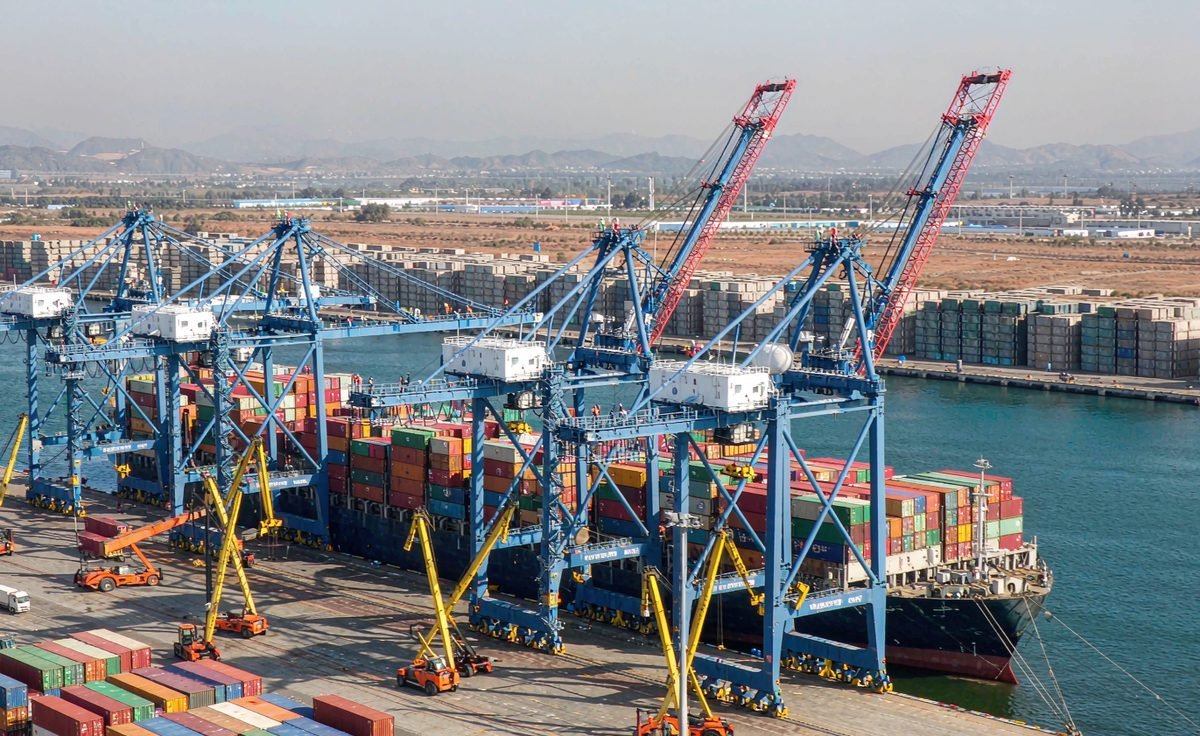
The core document set is standard: commercial invoice, packing list, bill of lading, and China export customs declaration. What makes the China–Vietnam lane special is the Form E Certificate of Origin issued under the ASEAN–China Free Trade Agreement. Presented correctly at Vietnamese customs, Form E reduces the import duty on most Chinese-origin goods from MFN rates (often 5-20%) to 0%.
Three things must line up for Form E to be accepted:
- The consignee on the certificate matches the Vietnamese import declaration exactly.
- HS codes on the Form E match the invoice and the Vietnamese tariff schedule.
- The goods genuinely qualify as Chinese-origin under ACFTA rules (substantial transformation for goods with non-Chinese inputs).
Vietnam clears imports through the VNACCS/VCIS electronic customs system, where declarations are lodged before arrival. Vietnam also maintains product-specific requirements — Vietnamese-language labeling, registration for cosmetics with the Ministry of Health, and type approval for certain electronics — that we flag at quotation stage. For a document-by-document walkthrough, see our guide to China to Vietnam customs clearance.
Which Is Cheaper: LCL or FCL on This Lane?
Because the ocean leg is short and cheap, the crossover point is lower than on long-haul lanes. In our experience, LCL wins below 13-15 CBM; a 20GP (≈28 CBM usable) wins above that. Mini-case: a Hanoi distributor shipping 11 CBM of LED lighting from Zhongshan paid USD 165 LCL all-in ocean-side versus USD 1,450 for a 20GP — clear LCL territory. The same client at 19 CBM of fans switched to a 20GP and cut per-CBM cost by 38% while gaining exclusivity and faster release. Compare the trade-offs in detail in our FCL vs LCL cost comparison, and note that Southeast Asia LCL economics generally follow the logic we explain in why the Southeast Asia line is so cheap.
What Is the Step-by-Step Process from Booking to Delivery?
- Quote & booking (day 0) — you send packing details, HS codes, and Incoterms; we confirm sailing, rate, and cut-off.
- Factory to port (day 1-2) — trucking from the supplier to Yantian/Shekou/Nansha; export customs declaration lodged by our China team.
- Vessel departure (day 2-4) — B/L issued; documents couriered or released telex/express.
- Ocean transit (day 5-11) — 3-12 days depending on origin; container tracking provided daily.
- VNACCS declaration & clearance (arrival ±1 day) — our Vietnamese partner agent lodges the import declaration with Form E attached.
- Delivery (arrival +1-3 days) — trucking to your warehouse in HCMC, Hanoi, Danang, or provincial cities.
What Pitfalls Should Importers Watch in 2027?
Tet holiday (early February 2027)
Vietnamese New Year shuts factories and thins port labor for roughly two weeks. Cargo arriving in the 10 days before Tet faces congestion at Cat Lai; cargo booked after Tet competes with a restart backlog. Book 2-3 weeks early and expect premium pricing on the weeks either side of the holiday.
Cat Lai congestion cycles
Cat Lai periodically hits congestion ceilings when several services arrive together. During the 2026 Q3 backlog, berthing waits stretched 2-4 days. Check live congestion using tools like IMF PortWatch before fixing tightly dated deliveries, and consider Cai Mep routings when Cat Lai backs up.
License-bound cargo
Cosmetics, supplements, medical devices, certain telecom equipment, and used machinery all require Vietnamese import licenses or registrations that can take weeks. We pre-check every DDP request against these lists before committing to a delivery date.
How Waymore Runs the China–Vietnam Lane
Our Vietnam desk books FCL from every major Chinese port and consolidates 40+ LCL shipments per week from Shenzhen and Ningbo into weekly Cat Lai and Haiphong boxes. Because we buy carrier space at discounted contract rates, our published ocean rates typically undercut mid-market forwarders by 10-20% on this corridor. Whether you need standard port-to-port service, customs clearance only, or full DDP shipping from China to Vietnam, the process starts with the same free quote.
Frequently Asked Questions
How long does sea freight from China to Vietnam take?
Direct services from Shenzhen or Guangzhou to Ho Chi Minh City run 3-6 days port-to-port. From Shanghai expect 7-9 days, from Qingdao or Tianjin 10-14 days. Add 1-3 days for customs clearance at Cat Lai or Haiphong and 1-2 days for inland trucking.
Do I need Form E for China to Vietnam shipments?
Yes, if you want ACFTA preferential duty. The Form E Certificate of Origin, issued by China Customs or an authorized CCPIT branch, reduces most Chinese-origin goods to 0% import duty in Vietnam. Without it you pay standard MFN rates, which often run 5-20% of cargo value.
How much does a 40HC container cost from China to Vietnam?
Ocean freight for a 40HC from Shenzhen to Ho Chi Minh City typically runs USD 250-600 depending on the week and carrier. Add USD 300-500 in origin and destination local charges, so an all-in port-to-port budget of USD 550-1,100 is realistic.
What is the cheapest way to ship goods from China to Vietnam?
For loads under 13 CBM, LCL consolidation is usually cheapest; above 13-15 CBM a full 20GP or 40HC becomes more economical per cubic meter. Waymore consolidates weekly LCL shipments from Shenzhen, Ningbo and Shanghai to Ho Chi Minh City and Haiphong.
Can I ship DDP from China to Vietnam?
Yes. Waymore handles DDP shipments covering ocean freight, Form E, Vietnamese import duty, VAT and last-mile delivery to Hanoi, Ho Chi Minh City or Danang. Note that goods like cosmetics and some electronics require Vietnamese licenses that we pre-check before quoting.
- How Much Does It Cost to Ship a Container from China to Vietnam?
- Air Freight from China to Vietnam: Costs & When to Use It
- DDP Shipping from China to Vietnam: Costs, Rules & Pitfalls
- Black Friday Countdown: Last Stock Shipments That Still Make It
- Shipping from China to Indonesia: The Complete 2027 Guide
- How to Read a Freight Quote: Hidden Fees Explained
Get Today's Rate & Lock Your Discount
Waymore Shipping offers FCL & LCL ocean freight from every major port in China — Shanghai, Ningbo, Shenzhen, Guangzhou, Qingdao, Xiamen, Tianjin and more. Rates updated weekly with carrier discounts.