China to Canada Customs Clearance: Documents, Duties & Process
- Core paperwork: commercial invoice, packing list, B/L, CI1 customs invoice, broker-filed B3 entry.
- CARM is now mandatory: BN + import program account + your own financial security before first release.
- No Canada–China FTA — full MFN duty (often 0–18%) plus 5% GST on the duty-paid value.
- Worked example: CAD 40,000 kitchenware = CAD 4,940 in duty + GST at the border.
- Anti-dumping duties on items like steel fasteners can exceed the freight — screen before you order.
Canada import customs clearance for Chinese goods means four things: a complete CBSA-compliant invoice set (CI1 or equivalent data), a B3 entry filed by your broker, duty plus 5% GST paid through the CARM system, and passing any CBSA exam. A clean entry releases in 1–2 days after arrival; a flawed one can sit a week or more. This guide walks the full process with real document names, a worked duty calculation, and the holds we most often untangle for clients on the China–Canada lane.
The China side is the easy half: your factory lodges the export declaration with China Customs (GACC) under our booking. Everything consequential for cost and compliance happens at the Canadian border. If you haven't planned the ocean leg yet, start with our complete China-to-Canada shipping guide.
Who does what: importer of record, CARM and broker
Canada's import regime reorganized around CARM (CBSA Assessment and Revenue Management), and the change catches new importers off guard. Three things must be in place before your first container: a Business Number (BN) with an import-export program account from the CRA; registration in the CARM Client Portal; and financial security — a bond or cash deposit posted by the importer, because brokers can no longer extend their own security to clients the way they did before CARM. Your customs broker then transmits the B3 entry and accounts for duty and GST electronically. Non-resident importers (US or overseas companies) can import into Canada too — they need the same BN structure and, if they want to recover GST, a non-resident GST registration.
Practical advice from our Vancouver-bound operations: start CARM registration the week you decide to import, not the week the vessel sails. First-time CARM delays are now the most common cause of avoidable terminal storage on this lane.
What documents does Canadian customs require?
| Document | Who prepares it | When | Common mistakes |
|---|---|---|---|
| Commercial invoice | Supplier | At booking | Value in RMB without currency stated; no Incoterm |
| CI1 / CBSA customs invoice (or full-data CI) | Supplier or Waymore | Before arrival | Missing vendor/buyer fields, HS codes or origin |
| Packing list | Supplier | At booking | Weights mismatched with VGM and B/L |
| Bill of lading / AWB | Carrier via Waymore | After departure | Consignee not matching the BN holder |
| eManifest data | Carrier / forwarder | Before arrival | Late transmission delays release |
| B3 entry + CARM accounting | Customs broker | At/after arrival | Wrong HS; missing financial security |
Unlike the US, Canada has no 24-hour pre-loading security filing equivalent to ISF for ocean cargo — but eManifest data must reach CBSA before arrival, so document accuracy still has to happen in China, not at the border. General tariff and origin rules are published under WTO trade frameworks, and Canada's tariff schedule determines the exact rate your HS code carries. First-time exporters on the China side can review document basics in our China export customs documents guide.
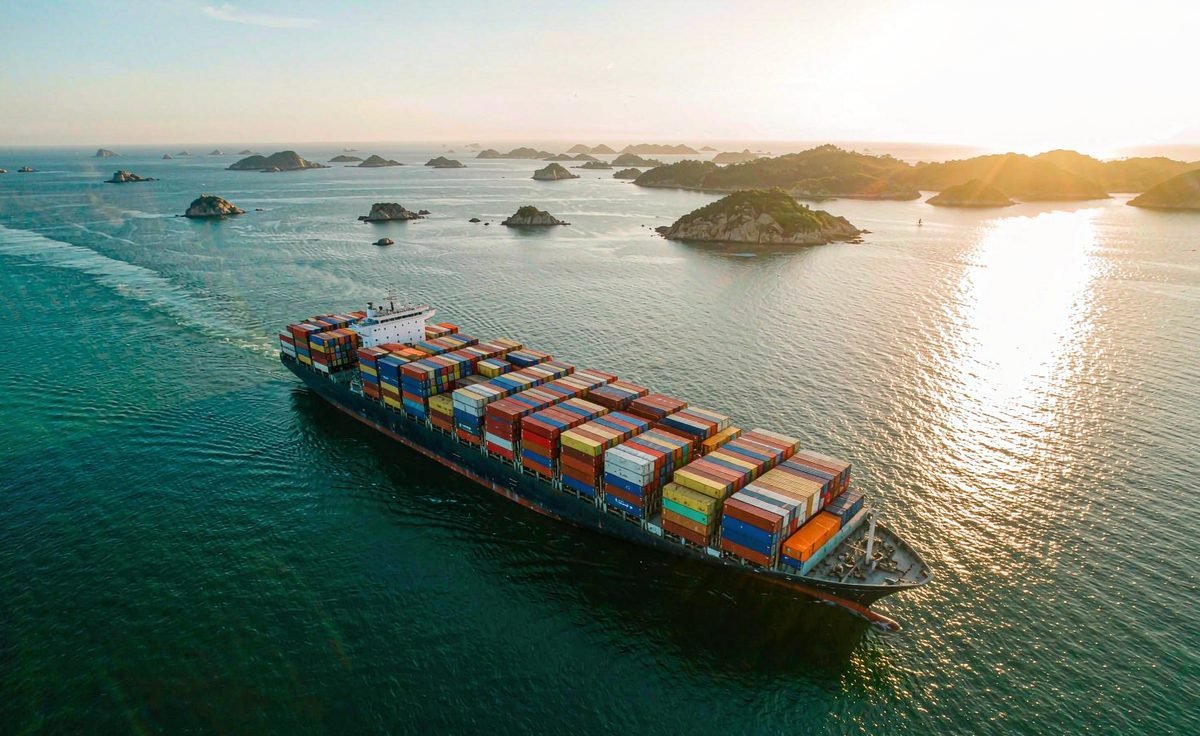
How is duty and GST calculated — a worked example
Take CAD 40,000 of ceramic kitchenware (HS 6912.00, roughly 7% MFN duty) arriving at Vancouver on an ocean FCL:
| Item | Rate / basis | Amount (CAD) |
|---|---|---|
| Customs value | transaction value (FOB basis) | 40,000.00 |
| MFN duty | 7% × 40,000 | 2,800.00 |
| GST | 5% × (40,000 + 2,800) | 2,140.00 |
| Broker entry fee | flat | 95.00 |
| Total payable at clearance | 5,035.00 |
Two recovery notes that change the math: registered importers claim the 2,140 GST back as an input tax credit, so the real border cost is duty plus fees; and there is no US-style per-entry processing fee cap to exploit, so consolidating entries saves brokerage rather than government fees. Anti-dumping measures are the wild card — Canadian tribunals have imposed duties well above 100% on categories like steel fasteners and drywall, and those assessments land on the importer of record. Screen your product before ordering, not after the vessel sails.
Why do CBSA shipments get held — and how do you avoid it?
1. Exams and targeting
CBSA selects containers for verification exams at random and by risk profile. An exam adds roughly 3–8 days plus handling fees (commonly a few hundred dollars, more with drayage to an exam facility). Consistent invoices, accurate weights and realistic values keep your profile clean over time.
2. CARM release failures
The post-CARM classic: cargo arrives, broker transmits the entry, and release stalls because the importer has no financial security on file. It is entirely preventable — security can be arranged weeks in advance.
3. Other government departments (OGDs)
Food, agricultural goods and plants face CFIA review (Safe Food for Canadians licence, labels in English and French); consumer products and natural health products face Health Canada requirements; anything radio-emitting may need Innovation, Science and Economic Development (ISED) certification. An importer we worked with sent a pallet of herbal teas without a Safe Food for Canadians licence; the CFIA hold ran 12 days and cost more in storage than the freight. Global trade-condition context for these regulatory layers is tracked in reviews like UNCTAD's Review of Maritime Transport.
4. Valuation and classification queries
CBSA verification programs retroactively audit declared values and HS codes — sometimes years back. Undeclared royalties, assists or related-party pricing all surface in audits. Declare the real transaction value; a small duty saving is never worth a retroactive reassessment with penalties.
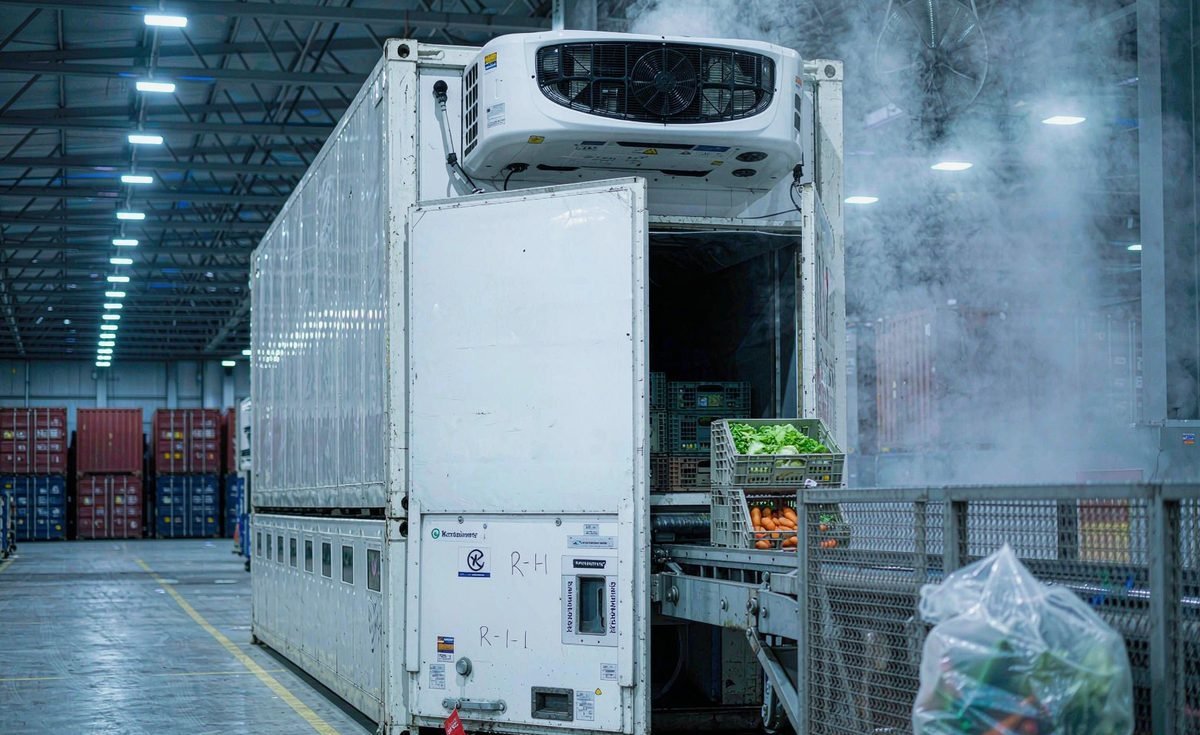
Mini-case: fasteners, freight and a five-figure duty surprise
An Alberta machinery distributor imported 18 CBM of Chinese fasteners and fittings through us in March 2026. The pre-booking screen flagged that many fastener HS codes carried Canadian anti-dumping and countervailing duties — historically assessed above 25% and, on some findings, far higher. Rather than ship blind, we ran the classification first: half the SKUs were exempt (non-covered standards and materials), the rest were quoted with the anti-dumping duty built in. The client split the order, adjusted pricing on the covered items, and nothing was held at the border. The screening took a day; discovering the duty at clearance would have cost a five-figure surprise plus a detained container.
How long does Canadian clearance actually take?
For a complete, compliant entry: 1–2 business days after arrival at a marine container terminal, sometimes same-day for pre-cleared cargo. Air freight at YYZ or YVR often clears within hours of arrival. Add time when: eManifest data arrives late (+1–2 days), an exam is selected (+3–8 days), an OGD review applies (+5–15 days for food or health products), or CARM security is missing (open-ended until fixed). The counterintuitive pattern we see on this lane: ocean transit from Shanghai to Vancouver takes under three weeks, yet total port-to-door time often exceeds it — clearance, rail handoff and drayage appointments consume the difference. Plan clearance realistically, not optimistically, and pre-book delivery appointments the day the vessel arrives rather than the day the entry releases.
What happens with LCL and air clearance at the border?
LCL cargo clears as a consolidated entry at the destination CFS: the consolidation's master entry covers the container, and your individual shipment releases against it once your B3 data is filed — one or two days of handling on top of container availability, with CFS storage typically free for a short window before per-day charges start. Air cargo at YYZ or YVR clears fastest of all, often within hours, because eManifest data precedes the flight and exam facilities are on-airport. The LCL watch-item is simple: your goods sit inside someone else's container, so a targeted exam on the whole box delays every shipment in it. Consolidating with clean, well-documented co-loaders — which is what our own weekly Vancouver and Toronto consolidations guarantee — is the practical defense.
FOB or DDP for the Canadian lane?
Established Canadian importers with CARM registration and GST recovery usually buy FOB and clear through their own broker — they keep the GST input credit and control classification. New importers without a Canadian entity often choose DDP shipping from China to Canada, where we handle the entry, duty, GST and delivery in one price. The middle option — DAP with clearance on arrival — exists but puts CARM obligations on you anyway, which removes most of its appeal.
One more distinction worth knowing: duty payment timing. Under standard brokerage, duty and GST are accounted through CARM at entry, and registered importers typically settle on a monthly direct-debit cycle rather than paying per shipment — a cash-flow advantage over the US model. If your broker asks for pre-payment per entry, ask whether a CARM monthly statement arrangement is available; it smooths cash flow across a quarter of containers.
Frequently Asked Questions
What documents are required for Canadian customs clearance from China?
You need a commercial invoice, packing list, bill of lading or air waybill, and a CBSA customs invoice (Form CI1) or a commercial invoice that carries the same data fields — vendor, buyer, value, currency, HS codes, country of origin and terms. Your customs broker files the B3 entry with CBSA, and the carrier submits eManifest data before arrival.
How much duty and tax does Canada charge on goods from China?
Duty follows your HS classification at full MFN rates — commonly 0–18% for consumer goods — because there is no Canada–China free trade agreement. On top of duty, 5% GST applies to the duty-paid value. For example, CAD 40,000 of kitchenware at 7% duty owes CAD 2,800 duty plus CAD 2,140 GST (5% of CAD 42,800). GST is recoverable as an input tax credit if you are registered.
What is CARM and do I need it to import from China?
CARM (CBSA Assessment and Revenue Management) is Canada's modernized import accounting system. Importers must have a Business Number with an import-export program account, register in the CARM Client Portal, and post financial security — a bond or cash deposit — before their goods are released. Brokers can no longer use their own bond on the importer's behalf as they historically did.
Why did CBSA hold or examine my shipment from China?
Common causes are random or targeted exams, a valuation or classification query, missing CI1 data, anti-dumping or countervailing duty exposure on products like steel fasteners or drywall, and other-government-department reviews — CFIA for food and plant products, Health Canada for consumer and natural health products. Exams add roughly 3 to 8 days and a few hundred to over a thousand dollars in handling.
Do I need a customs broker to import into Canada?
Legally you can self-clear low-value shipments, but commercial ocean and air freight practically requires a licensed broker to transmit the B3 entry and CARM accounting. Waymore coordinates clearance with Canadian brokers on every shipment, and under DDP terms we handle the entire entry so you never touch CBSA paperwork directly.
- Shipping Medical Supplies from China to Canada: Requirements, Costs & Tips
- Shipping Textiles & Apparel from China to Canada: Requirements, Costs & Tips
- Shipping Packaged Food Products from China to Canada: Requirements, Costs & Tips
- China to Indonesia Customs Clearance: Documents, Duties & Process
- China to UAE Customs Clearance: Documents, Duties & Process
- China to the United States Customs Clearance: Documents, Duties & Process
Get Today's Rate & Lock Your Discount
Waymore Shipping offers FCL & LCL ocean freight from every major port in China — Shanghai, Ningbo, Shenzhen, Guangzhou, Qingdao, Xiamen, Tianjin and more. Rates updated weekly with carrier discounts.