China to UAE Customs Clearance: Documents, Duties & Process
- UAE duty is a flat 5% of CIF for most goods, plus 5% VAT — alcohol and tobacco are the big exceptions.
- Free-zone imports (JAFZA, DAFZA, KIZAD) suspend both duty and VAT while goods stay in the zone or re-export.
- The clearance killer is paperwork: attested invoice and certificate of origin plus a registered importer code.
- With clean documents, Jebel Ali clearance runs 1–2 working days; free-zone clearance can be same-day.
- Food, cosmetics, electronics and chemicals need product registration before arrival, not after.
Clearing Chinese goods into the UAE requires a commercial invoice, packing list, bill of lading and certificate of origin (attested for most mainland imports), payment of 5% customs duty on CIF plus 5% VAT, and filing through the emirate's electronic customs system — Dubai's Mirsal 2 for Jebel Ali. Clean files clear in 1–2 working days; attestation gaps and product-registration issues are what hold cargo.
Our Dubai-side team coordinates clearance daily through licensed agents at Jebel Ali, Port Rashid and Khalifa Port. This guide reflects what actually gets shipments released — and what gets them stuck.
What Documents Do You Need for UAE Customs Clearance?
| Document | Issued by | UAE-specific requirements |
|---|---|---|
| Commercial invoice | Chinese exporter | Must show true value, currency, Incoterms; attestation (legalization) via UAE embassy or e-attestation channel for most mainland clearances. |
| Packing list | Chinese exporter | Carton-level detail; must match the container tally exactly. |
| Bill of lading / seaway bill | Carrier / forwarder | Consignee = the UAE company holding the customs code; final delivery move noted for Mirsal filing. |
| Certificate of origin | CCPIT / customs in China | Chamber-certified; attestation commonly required for mainland imports, less so for free-zone cargo. |
| Importer customs code | Dubai Customs / Abu Dhabi Customs | The UAE importer registers once; clearance agents file under this code. No code, no clearance. |
| Product registration / conformity | Dubai Municipality, MOHAP, ECAS/ESMA | Food, cosmetics, health products, electricals; register before shipping, not on arrival. |
| Arabic labels | Exporter | Mandatory for retail food and cosmetics — ingredient lists, origin, expiry in Arabic. |
| China export declaration | Chinese customs | Waymore matches it to the B/L before the vessel sails from Shanghai, Ningbo or Shenzhen. |
The origin side of this paperwork — what your Chinese supplier must produce — is covered in our guide to China export customs documents. The document that makes or breaks UAE clearances is the bill of lading itself; if you're unsure about consignee setup, read bill of lading explained before your first booking.
How Much Duty and VAT Will You Pay in the UAE?
The UAE's tariff is unusually simple: 5% of CIF value on the overwhelming majority of tariff lines, plus 5% VAT collected at the point of import for mainland consumption. That predictability is a genuine planning advantage compared with Turkey's additional-duty regime or Brazil's layered taxes.
| Category (indicative) | Duty | VAT | Extra requirements |
|---|---|---|---|
| Consumer goods, apparel, home items | 5% | 5% | Attested invoice + COO |
| Machinery, industrial equipment | 5% | 5% | ECAS for electricals |
| Food & beverages | 5% | 5% | Municipality registration + Arabic labels |
| Alcohol | 30% | 5% + excise | Special license |
| Tobacco | 100% | Excise applies | Special license, health warnings |
| Free-zone imports (JAFZA etc.) | Suspended | Suspended in zone | Zone entry permit; duty/VAT on mainland exit |
Worked arithmetic: a mainland Dubai importer receiving a USD 40,000 CIF container pays USD 2,000 duty + USD 2,100 VAT (5% of CIF+duty). A JAFZA-registered importer taking identical cargo into the zone pays neither at entry — taxes arise only if goods move to the mainland market.
How the Clearance Process Works at Jebel Ali
- Pre-arrival: the clearance agent files the declaration on Mirsal 2 once documents are ready — ideally while the vessel is still at sea.
- Channel & inspection: Dubai Customs risk-scores each declaration; most compliant cargo passes green. Scans or physical checks add 1–3 days.
- Tax settlement: duty and VAT are paid through the importer's account; a delivery order releases the container.
- Gate-out: Jebel Ali's on-port trucking is fast — most Dubai-city deliveries happen the same or next day.
Even so, destination processing routinely surprises new importers: the ocean leg is 22 days, but clearance plus delivery can add a week. We explain why in why destination customs clearance is slower than ocean transit.
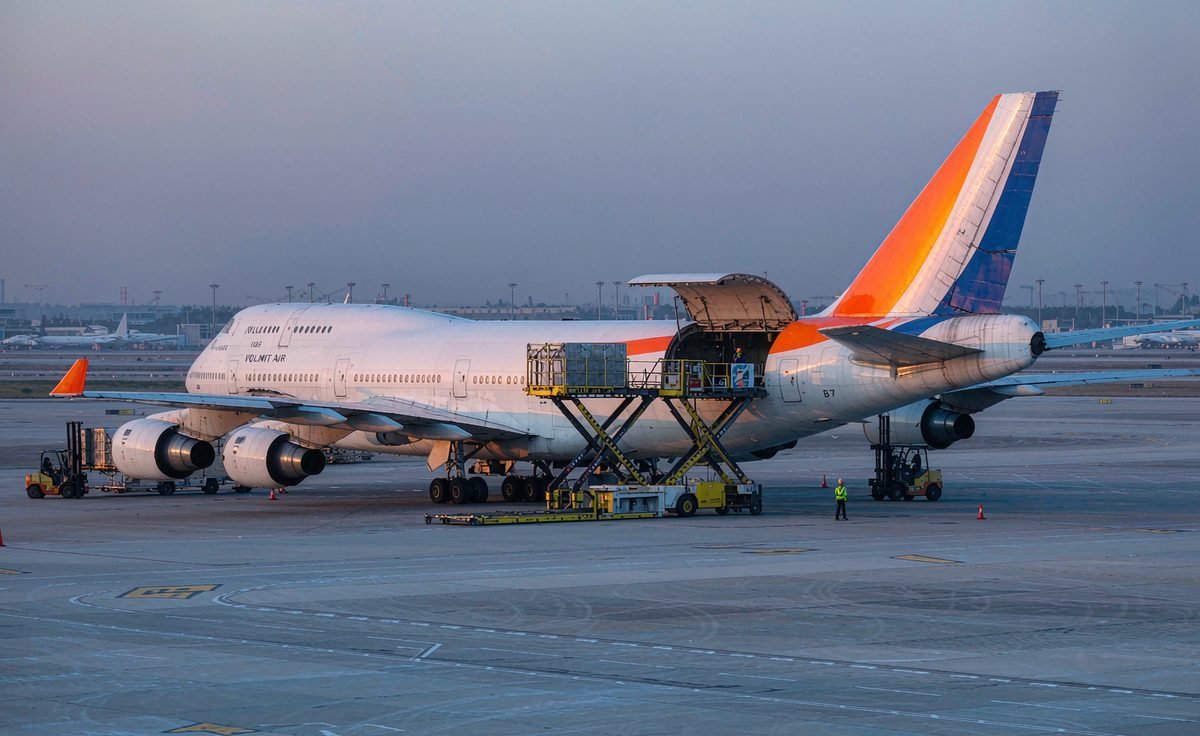
Why Do UAE Shipments from China Get Held?
Four recurring causes from our case files:
- Missing attestation. The single most common mainland hold: invoice or COO not legalized. Resolution requires document rerouting through the embassy or e-attestation — 3–7 days.
- Unregistered products. Cosmetics or food arriving without Dubai Municipality registration are detained; registration cannot be done retroactively at the terminal.
- Value and HS scrutiny. Dubai Customs compares declared values against its own intelligence on Chinese commodities; inconsistent invoice-to-payment trails invite inspection.
- Restricted goods. Medicines, medical devices, drones, satellite phones, chemicals and items with IP concerns need pre-approvals. The World Customs Organization framework that GCC customs align with treats IPR-protected goods seriously — counterfeit-risk cargo is seized, not fined.
Mini-case: In August 2026, a Sharjah buyer's 40HC of kitchen appliances (ex-Ningbo) was flagged at Jebel Ali because the certificate of origin listed a different exporter name than the invoice — the supplier had changed its trading entity mid-order. Our team obtained a corrected COO via CCPIT reissue and an attestation update in 6 working days; the container carried USD 340 in extra free-time charges, which a pre-shipment document check would have avoided entirely. Since then, we run an exporter-name cross-check on every UAE file.
Practical Checklist Before You Ship to the UAE
- Confirm whether destination is mainland or free zone — it changes taxes, documents and the B/L consignee.
- Arrange attestation early; some Chinese provinces have faster e-attestation channels than others.
- Register products (food/cosmetics/electricals) with the relevant UAE authority before production finishes.
- Keep one consistent exporter name across invoice, COO and B/L.
- Budget 5% duty + 5% VAT into landed cost — or move the import into a free zone if your business model supports it.
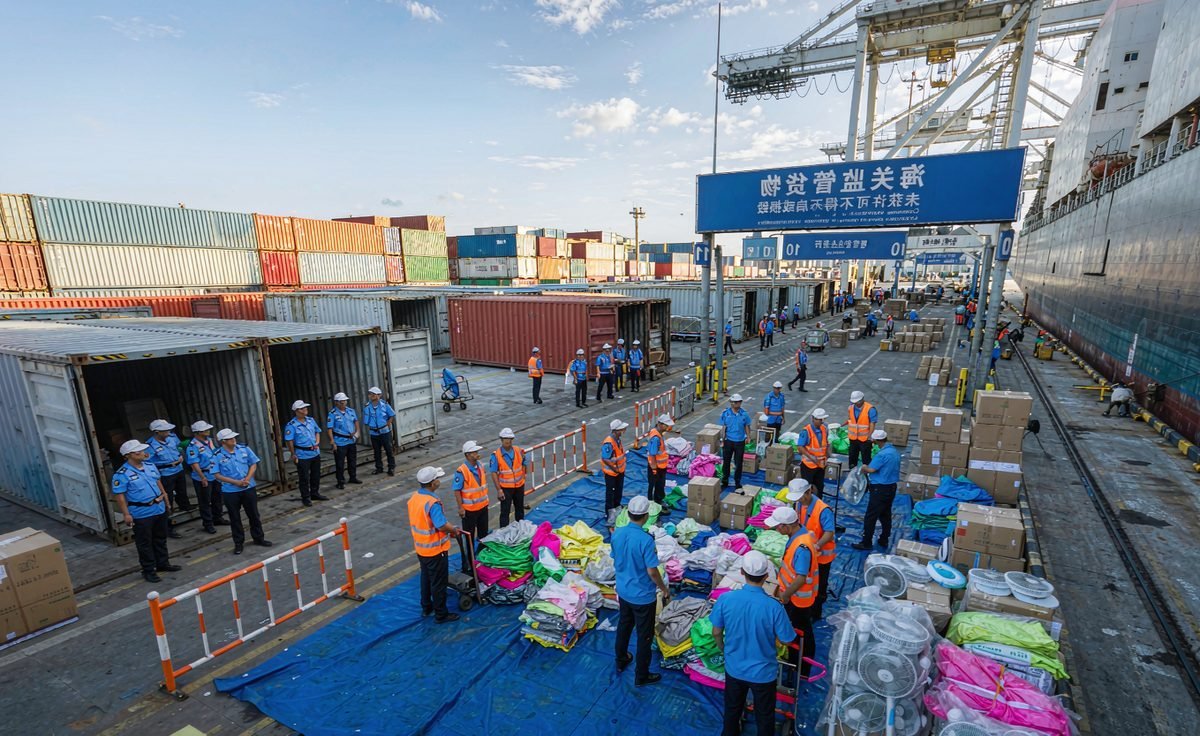
Mainland vs Free Zone: The Document and Tax Difference in Practice
Because so much UAE trade flows through free zones, it's worth seeing the two clearance paths side by side before deciding where to register your business:
| Aspect | Mainland import (e.g. Deira warehouse) | Free-zone import (JAFZA / DAFZA) |
|---|---|---|
| Customs duty 5% | Paid at clearance | Suspended at entry; due only if goods enter the mainland |
| VAT 5% | Paid at clearance; reclaimable if VAT-registered | Suspended within the zone |
| Invoice + COO attestation | Usually required | Often not required for zone-side clearance |
| Clearance speed | 1–2 working days typical | Often same-day at the zone gate |
| Selling scope | Anywhere in the UAE | Zone businesses, re-export, or via distributors after mainland tax settlement |
| Best fit | Traders serving UAE consumers directly | Re-exporters, GCC distribution hubs, e-commerce fulfilment |
A frequent pattern among our clients: import into JAFZA, hold stock duty-suspended, and sell forward to Saudi Arabia and Oman by sea feeder or truck — the UAE functions as the duty-free staging floor of the whole Gulf trade. For mainland-bound volume, the attestation cost (typically USD 100–350 per document set through embassy or e-attestation channels) should simply be budgeted as part of landed cost from day one.
What Happens If Clearance Fails — Storage, Re-export, Abandonment
Detained cargo in the UAE is not a parking situation; the meter runs. Free time at Jebel Ali is short (typically 3–5 days for imports), after which storage escalates daily, and long-detained containers risk carrier rostering onto the next outbound voyage. Three endgames exist: fix and release (correct documents, pay storage — the normal outcome when the issue is paperwork), re-export (move the container to another GCC destination if it's legally admissible there — sometimes cheaper than fighting a value dispute), or abandonment, where customs auction or destroy the goods and bill the importer of record for the costs. Abandonment sounds extreme but happens regularly with unregistered food and cosmetics consignments — which is why product registration must precede shipment, not follow detention. Our explainer on what happens to abandoned cargo at destination covers the mechanics, and the same free-time logic that governs any port applies — see what is free time and how to negotiate more of it.
A Prevention Table: Hold Cause → Document Fix → Who Acts
| If customs flags… | The fix is… | Who must act |
|---|---|---|
| Missing attestation | Embassy/e-attestation of invoice + COO (3–7 days) | Exporter lodges documents; forwarder chases |
| Exporter name mismatch | Reissued COO matching invoice and B/L exactly | Supplier via CCPIT |
| Unregistered food/cosmetics | Municipality registration — cannot be done at port | Importer, before shipment |
| Value query | Bank payment proof + supplier invoices | Importer + supplier finance |
| Wrong HS code | Reclassification with broker; tax reassessment | Clearance agent |
| IP/brand query | Brand authorization letter | Importer |
How Long Should Each Clearance Stage Realistically Take?
For planning purposes, here are the stage-by-stage norms we see on healthy Jebel Ali files: pre-arrival declaration filing same-day as documents arriving (during the ocean leg); customs assessment and green-channel release 4–24 hours after filing once the container discharges; scan or physical inspection +1–3 working days; tax payment and delivery order release same-day after assessment; and trucking to Dubai/Sharjah warehouses same or next day. Free-zone files compress further — JAFZA gate clearance can complete within hours of discharge. That means the realistic best case is cargo delivered 2–3 days after arrival, and the realistic planning case is 5–7 days. If your UAE timeline model assumes "vessel arrives = goods available", rebuild it: the ocean leg to Jebel Ali is 22 days, but the last week of the journey happens on land, in a broker's office.
Frequently Asked Questions
How much is customs duty in the UAE?
The UAE charges a flat 5% customs duty on the CIF value of most imported goods, plus 5% VAT. Exceptions include alcohol (30%) and tobacco (100%). Imports into free zones such as JAFZA or DAFZA pay no duty or VAT while goods remain in the zone or are re-exported.
What documents are required for UAE customs clearance?
Commercial invoice, packing list, bill of lading and certificate of origin form the core set. Mainland imports frequently need the invoice and certificate of origin attested through UAE embassy legalization or approved e-attestation, and the importer must hold a registered customs code with the relevant emirate's customs authority.
How long does customs clearance take at Jebel Ali?
With complete, attested documents and a registered importer code, clearance at Jebel Ali typically takes 1–2 working days after discharge. Missing attestation, HS-code mismatches or restricted-goods checks add 3–10 working days. Free-zone clearances inside JAFZA are often same-day.
What products need special approval to import into the UAE?
Food, cosmetics and health products need Dubai Municipality or Ministry of Health registration and Arabic labelling; electrical goods fall under ECAS/ESMA conformity schemes; medicines, chemicals, drones and telecom equipment need prior permits from the relevant ministry. Unregistered goods are detained, not fined lightly.
- Shipping from China to UAE: The Complete 2027 Guide
- Shipping Fashion Accessories from China to UAE: Requirements, Costs & Tips
- Shipping Plastic Products from China to UAE: Requirements, Costs & Tips
- China to Pakistan Customs Clearance: Documents, Duties & Process
- China to Belgium Customs Clearance: Documents, Duties & Process
- China to Turkey Customs Clearance: Documents, Duties & Process
Get Today's Rate & Lock Your Discount
Waymore Shipping offers FCL & LCL ocean freight from every major port in China — Shanghai, Ningbo, Shenzhen, Guangzhou, Qingdao, Xiamen, Tianjin and more. Rates updated weekly with carrier discounts.