China to Thailand Customs Clearance: Documents, Duties & Process
- Thailand clears imports through the paperless e-Import system; green channel releases in 1-2 working days.
- A valid Form E under ACFTA cuts most Chinese-origin goods to 0% duty; without it, MFN rates of 5-30% apply.
- Thai import VAT is a flat 7% on CIF + duty — the lowest in Southeast Asia and recoverable for registered importers.
- TISI licenses (electronics) and Thai FDA registrations (food, cosmetics, medical) must exist before arrival.
- Top hold triggers: HS mismatches, Form E inconsistencies, undervalued invoices, missing product approvals.
Thailand import customs clearance for goods from China runs through Thai Customs' paperless e-Import system: a licensed broker lodges the electronic declaration with the invoice, packing list, bill of lading, and — for preferential duty — the Form E Certificate of Origin. Green-channel cargo releases in 1-2 working days; missing approvals or inconsistent documents push shipments into yellow or red channel and add days of storage. This guide covers every document, the duty and VAT math, and the hold patterns our Thai broker partners resolve most often.
Thailand's clearance regime is among the most digitized in ASEAN — most sea-freight declarations from China clear without a single paper signature — but it is also strict about product standards. The combination means the paperwork is fast when it's right and expensive when it's wrong: a TISI-gated appliance container that arrives without the license doesn't just wait, it can't lawfully enter at all until the license exists.
What Documents Does Thai Customs Require from China Shipments?
| Document | Purpose | Who provides it |
|---|---|---|
| Commercial invoice | Valuation and HS verification | Chinese seller |
| Packing list | Quantity and weight verification | Chinese seller |
| Bill of lading / sea waybill | Transport and title evidence | Carrier or forwarder |
| Import declaration (e-Import) | Electronic customs entry | Thai licensed broker |
| Form E Certificate of Origin | ACFTA 0% preferential duty | China Customs / CCPIT |
| TISI license / Thai FDA registration | Sector approval for regulated goods | Importer, before shipment |
| Foreign trade registration (where applicable) | Importer of record eligibility | Thai importer |
On the Chinese side, our team files the export declaration at the loading port and applies for Form E simultaneously, so the certificate travels with the B/L. If the Chinese export side is unfamiliar, our China export customs documents guide explains the origin application step by step.
How Does the Thai e-Import Clearance Process Work?
- Pre-arrival declaration: the broker lodges the e-Import entry through Thai Customs' paperless system — often before the vessel leaves China, since data can be filed on receipt of the draft documents.
- Automated channel routing: the system assigns green (release), yellow (document review), or red (physical inspection) per declaration line based on risk profiling, importer history, and product category.
- Tax assessment: duty, VAT, and any excise are calculated automatically on CIF + duty.
- Payment: the importer pays electronically via e-Payment to Thai Customs.
- Release and delivery order: the terminal releases the container against the delivery order; trucking is arranged to the final warehouse.
Timing benchmarks from our Laem Chabang operations: green channel usually releases the same or next day after arrival; Bangkok Port (PAT) adds half a day for river-port handling; provincial deliveries from Laem Chabang to the north or northeast take 1-3 road days. The EU customs portal and Thai practice both illustrate the same principle — pre-arrival data quality drives release speed.
How Much Duty and VAT Will You Pay in Thailand?
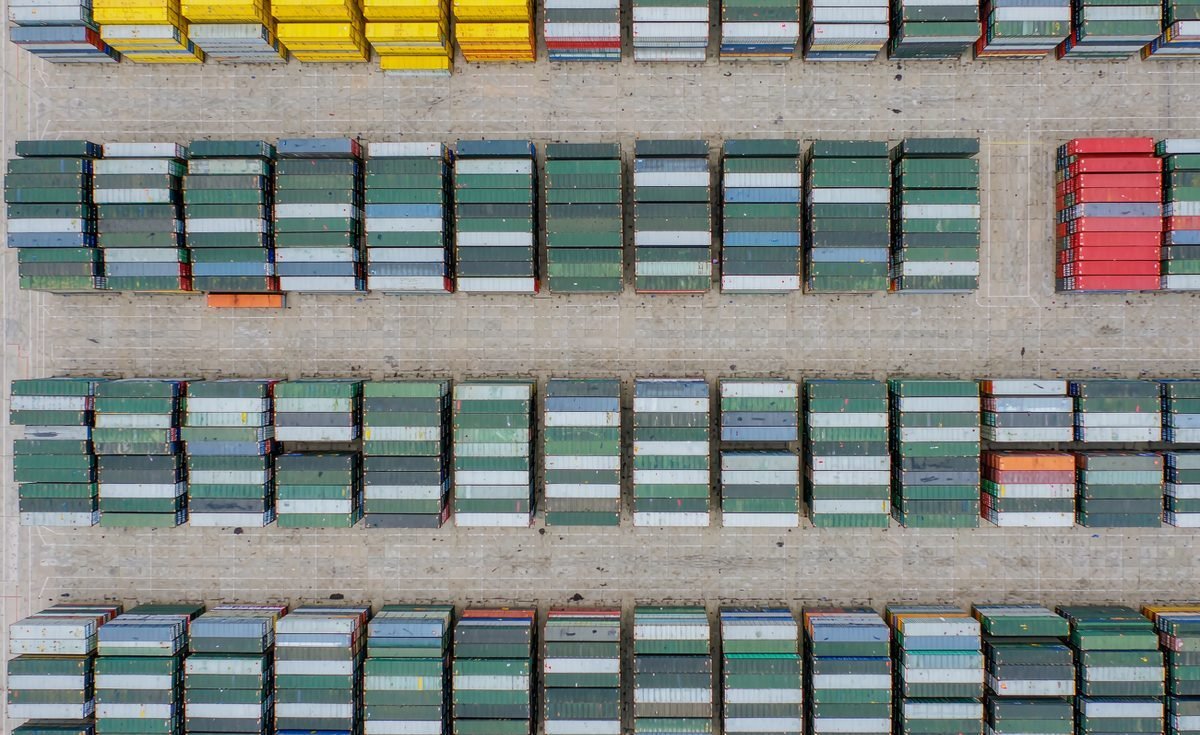
Thailand assesses import tax on CIF value using three layers:
| Tax | Rate | Example: USD 25,000 CIF consignment of kitchen appliances |
|---|---|---|
| Import duty (with Form E, ACFTA) | 0% for most Chinese-origin goods | USD 0 |
| Import duty (MFN, no Form E) | 5-30% by HS code (appliances often ~20%) | USD 5,000 |
| Import VAT | 7% flat, on CIF + duty | USD 1,750 (with Form E) |
| Excise tax | Alcohol, tobacco, vehicles, some fuels | Not applicable |
The 7% VAT is the lowest in Southeast Asia — Vietnam charges 8-10%, Indonesia 11-12% — and for VAT-registered Thai importers it is recoverable as input credit, making the real tax cost of a Form E-correct import essentially zero. The delta without Form E is brutal: on the example above, losing preferential treatment costs USD 5,000 in duty plus USD 350 in extra VAT. That's why our Thailand desk treats Form E issuance as a pre-departure gate, not an afterthought. ACFTA origin rules are administered through China Customs (GACC) and Thailand's Customs Department.
Which Products Need Special Approvals for Thailand?
TISI industrial standards
Electrical appliances, cables, lighting ballasts, and a long list of consumer electronics require a TISI license or certificate of conformity before import. The process involves factory auditing and sample testing and can take weeks to months — start before the first commercial shipment. Mini-case: a Bangkok importer of Chinese rice cookers planned a 2×40HC launch shipment but TISI approval was still pending; we split the cargo, released one container of already-licensed SKUs on time and warehoused the second until approval landed, avoiding USD 1,900 in demurrage.
Thai FDA
Food, dietary supplements, cosmetics, and medical devices need Thai FDA registration or notification, with the importer of record holding the license. Counterfeit- and safety-sensitive categories face label reviews in Thai language at clearance.
NBTC and other agencies
Radio and Bluetooth equipment may need National Broadcasting and Telecommunications Commission (NBTC) approval; certain chemicals and energy products need permits from other ministries. We map every HS code against the license list before quoting DDP or a firm delivery date.
Why Do China-Origin Shipments Get Held in Thailand?
- HS mismatches: the Chinese export code describing the product differently from the Thai tariff line — resolved by agreeing the code with the broker before export filing.
- Form E inconsistencies: consignee or value mismatches between certificate and declaration, which forfeit 0% treatment until corrected.
- Undervaluation flags: Thai Customs benchmarks declared values; invoices far below market trigger valuation queries and penalties. Declare real transaction values — the enforcement logic mirrors authorities like US CBP and other majors.
- Missing TISI/FDA approvals: non-releasable until the license exists; sometimes re-export is the only remedy.
- First-time importer checks: new importers are often routed to red channel on early shipments; broker experience shortens the loop.
What Does Clearance Actually Cost at Laem Chabang?
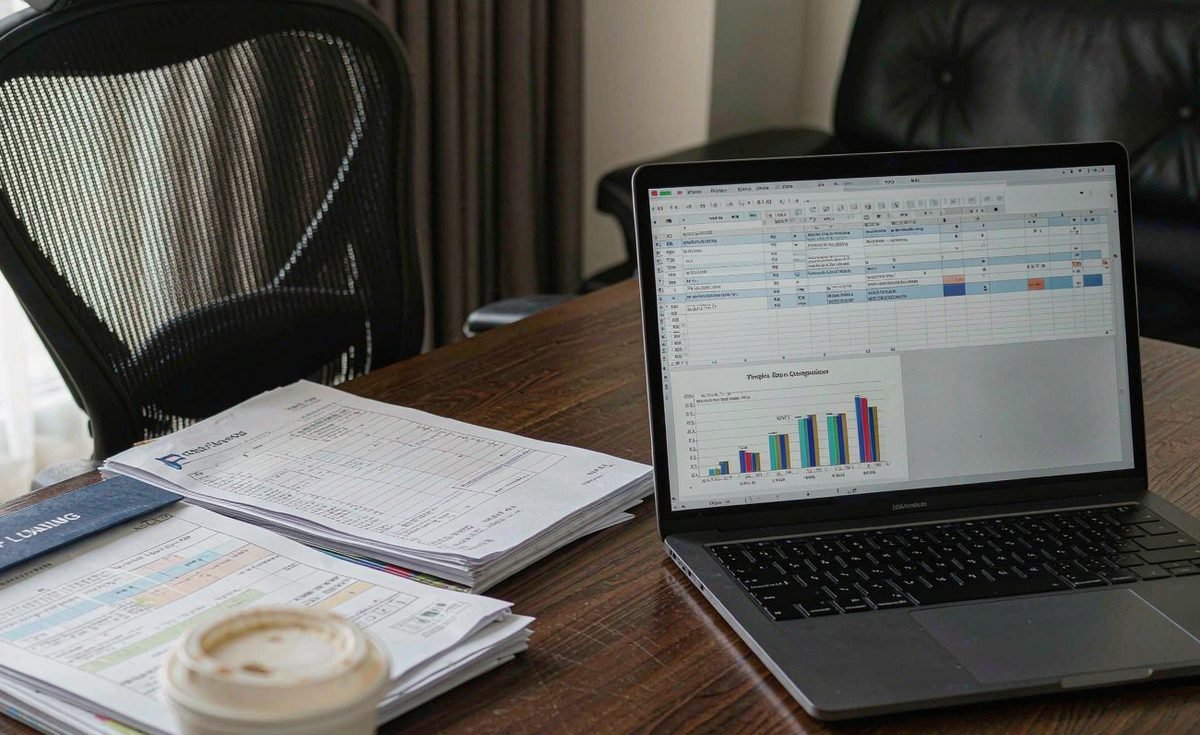
Beyond the tax lines, the fee stack is predictable — and worth seeing before you compare quotes:
| Fee | Typical range (USD) | Notes |
|---|---|---|
| Customs brokerage (e-Import entry) | 60-120 per entry | Higher for multi-item declarations |
| Delivery order (D/O) | 40-80 per container | Paid to the carrier's agent |
| Destination THC | 110-170 per 40HC | Less for 20GP |
| CFS handling (LCL) | USD 12-25 per CBM | Destination-side LCL charges |
| Inspection handling (if red channel) | 150-400 per event | Labor to unstuff/restuff; excludes duties |
| Storage after free time | USD 15-35 per day | Free time usually 3-5 days |
A clean green-channel FCL entry into Laem Chabang typically costs USD 220-370 in fees excluding taxes and trucking. Every day saved in clearance is therefore both a cash saving and a supply-chain saving — the fee table is really an argument for pre-arrival declarations and complete Form E data.
What Does a Full Document Timeline Look Like?
Thai clearance runs fastest when each document arrives on schedule. The sequence we run for a typical Shenzhen→Laem Chabang FCL:
- Sailing −4 days: draft invoice and packing list reviewed; HS codes confirmed with the Thai broker; TISI/FDA status verified for regulated lines.
- Sailing −2 days: Form E applied at China Customs/CCPIT; export declaration lodged at origin port.
- Sailing day: B/L issued (express release recommended); scanned document set sent to the Thai broker the same day.
- During transit (5-11 days): e-Import declaration lodged pre-arrival; duty/VAT assessment prepared; e-Payment link issued to the importer.
- Arrival +1-2 days: channel result, release, delivery order, trucking booked.
The single biggest lever is step 4: because Thai e-Import accepts pre-arrival lodgement, the 5-11 day ocean transit can absorb the entire clearance process. Cargo that arrives "declaration-complete" spends days at Laem Chabang, not weeks.
Who Handles Clearance — FOB, CIF, or DDP?
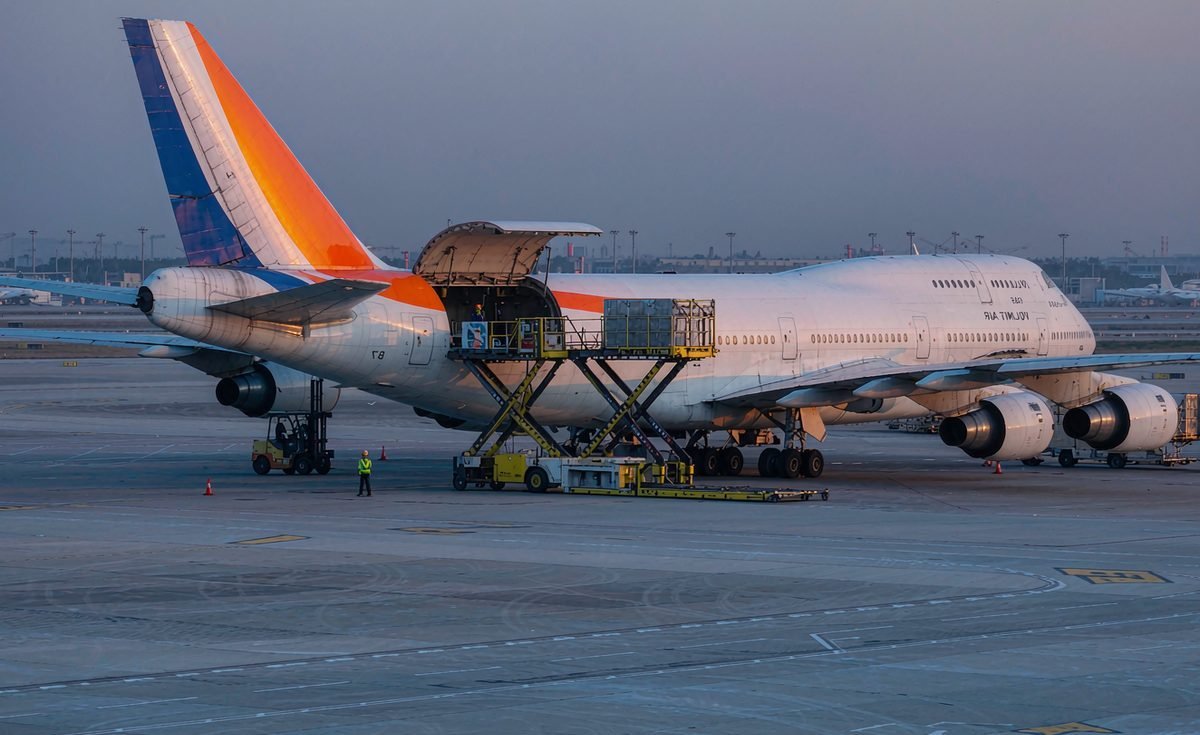
Under FOB or CIF, the Thai buyer is importer of record and nominates the broker; your job is supplying clean, consistent documents and Form E. Under DDP, the China seller covers clearance, duty, and the 7% VAT — practical for buyers without import capability, but note the Thai buyer typically can't reclaim the VAT input credit when the entry isn't in their name, and licensed goods still need the Thai-side approvals. The full DDP mechanics and risk list are in our DDP shipping to Thailand guide.
Waymore files the Chinese export entry and Form E application in-house and works with licensed Laem Chabang and Bangkok brokers for the e-Import entry, tax payment, and delivery order. For the wider lane — ports, schedules, and rates — start with the complete China-to-Thailand shipping guide.
Frequently Asked Questions
What documents are needed to import from China into Thailand?
You need a commercial invoice, packing list, bill of lading, and an electronic import declaration lodged through Thai Customs' paperless e-Import system by a licensed broker. To claim 0% ACFTA duty, add the Form E Certificate of Origin. TISI licenses or Thai FDA registrations apply to regulated products.
How much is import duty and VAT in Thailand on Chinese goods?
With a valid Form E under ACFTA, most Chinese-origin goods enter at 0% duty. Without it, MFN rates of roughly 5-30% apply depending on the HS code. Thai import VAT is a flat 7% on CIF value plus duty, recoverable as input credit for VAT-registered Thai importers. Excise tax applies to alcohol, vehicles, and similar goods.
How long does customs clearance take at Laem Chabang?
Green-channel paperless clearance typically releases cargo within 1-2 working days of the declaration. Yellow-channel document checks add 1-3 days; red-channel physical inspection adds 2-5 days. Pre-arrival declarations keep most clean shipments inside the 2-day window.
Which products need special licenses to import into Thailand?
Electrical appliances, cables, and many electronics need TISI (Thai Industrial Standards Institute) licensing; food, supplements, cosmetics, and medical devices need Thai FDA registration or notification; some products need additional permits from agencies like the NBTC for radio equipment.
What causes customs holds on China-origin shipments in Thailand?
The top causes are HS code mismatches between the Chinese export entry and the Thai declaration, Form E data inconsistencies, undervalued invoices flagged by valuation benchmarks, missing TISI or FDA approvals, and first-time importers routed to physical inspection.
- Air Freight from China to Thailand: Costs & When to Use It
- Shipping from China to Thailand: The Complete 2027 Guide
- China to Thailand Transit Times: Ports, Schedules & Delays
- China to Australia Customs Clearance: Documents, Duties & Process
- China to Tanzania Customs Clearance: Documents, Duties & Process
- China to Chile Customs Clearance: Documents & Duties Guide
Get Today's Rate & Lock Your Discount
Waymore Shipping offers FCL & LCL ocean freight from every major port in China — Shanghai, Ningbo, Shenzhen, Guangzhou, Qingdao, Xiamen, Tianjin and more. Rates updated weekly with carrier discounts.