Shipping from China to Thailand: The Complete 2027 Guide
- Sea freight from South China to Laem Chabang takes 5-8 days; Shanghai 8-11 days; North China 12-16 days.
- The Form E Certificate of Origin under ACFTA cuts most Chinese-origin goods to 0% Thai import duty — plan it before sailing.
- 40HC ocean freight Shenzhen → Laem Chabang runs USD 300-700; all-in landed budgets sit at USD 600-1,200 plus taxes.
- Thai import VAT is a flat 7% — the lowest in Southeast Asia — with TISI standards and Thai FDA registrations for certain products.
- Thailand's Eastern Economic Corridor (Chonburi/Rayong) is driving a boom in Chinese machinery and component imports.
Shipping from China to Thailand is a 5-16 day ocean journey from ports like Shenzhen, Ningbo, and Shanghai to Laem Chabang or Bangkok Port, with 0% preferential duty on most Chinese-origin goods under the ASEAN–China Free Trade Agreement and a 40HC costing roughly USD 300-850 in ocean freight. This guide covers the ports, rates, documents, and process — plus the Thai-specific compliance points that trip up first-time importers.
Thailand is simultaneously a consumer market, an auto and electronics manufacturing hub, and a Chinese investment destination — three flows that show up in our bookings: consumer goods and e-commerce stock into Bangkok, components and machinery into the Eastern Economic Corridor (EEC), and raw materials into provincial factories. Each flow has different timing and paperwork needs, and the guide addresses all three.
Why Is the China–Thailand Lane Growing in 2026-2027?
Two structural drivers stand out. First, Chinese manufacturers establishing plants in Thailand's Eastern Economic Corridor — Chonburi, Rayong, and Chachoengsao — import production lines, tooling, and components continuously; the machinery flow alone keeps our EEC desk busy. Second, Thai wholesale and e-commerce demand for Chinese consumer goods keeps LCL volumes climbing, as tracked in the broader Southeast Asia capacity shifts reported by UNCTAD's Review of Maritime Transport. Meanwhile, intra-Asia rates stay a fraction of long-haul levels, as visible when comparing against indexes like the Drewry World Container Index.
Which Ports Serve the Lane on Both Ends?
Chinese origin ports
- Shenzhen (Yantian/Shekou) — 2-5 weekly direct loops to Laem Chabang; the fastest option for South China factories.
- Guangzhou (Nansha) — strong for Dongguan/Foshan cargo, direct to Laem Chabang and Songkhla.
- Xiamen, Ningbo, Shanghai — East China supply bases; Shanghai offers the widest schedule choice.
- Qingdao, Tianjin — North China; longest transits, sometimes via a Singapore or Hong Kong call.
Thai destination ports
- Laem Chabang — Thailand's main container gateway in Chonburi; best for EEC factories and most containerized imports.
- Bangkok Port (PAT, Khlong Toei) — river port in the city; convenient for Bangkok retail and wholesale deliveries, shallower draft, fewer services.
- Songkhla — southern gateway; niche but useful for Hat Yai and southern distribution.
- Map Ta Phut — Rayong industrial port, mainly project and bulk cargo adjacent to EEC plants.
How Long Does Shipping from China to Thailand Take?
Typical port-to-port transits on direct services our Thailand desk books weekly:
| Origin → Destination | Direct transit | Frequency |
|---|---|---|
| Shenzhen (Yantian/Shekou) → Laem Chabang | 5-8 days | 2-5 sailings/week |
| Guangzhou (Nansha) → Laem Chabang | 6-8 days | 2-3 sailings/week |
| Xiamen → Laem Chabang | 7-9 days | 1-2 sailings/week |
| Ningbo → Laem Chabang | 7-10 days | 2-3 sailings/week |
| Shanghai → Laem Chabang | 8-11 days | 3+ sailings/week |
| Qingdao → Laem Chabang | 12-15 days | Weekly |
| Tianjin → Laem Chabang | 13-16 days | Weekly |
| Shenzhen → Bangkok Port (PAT) | 6-9 days | 1-2 sailings/week |
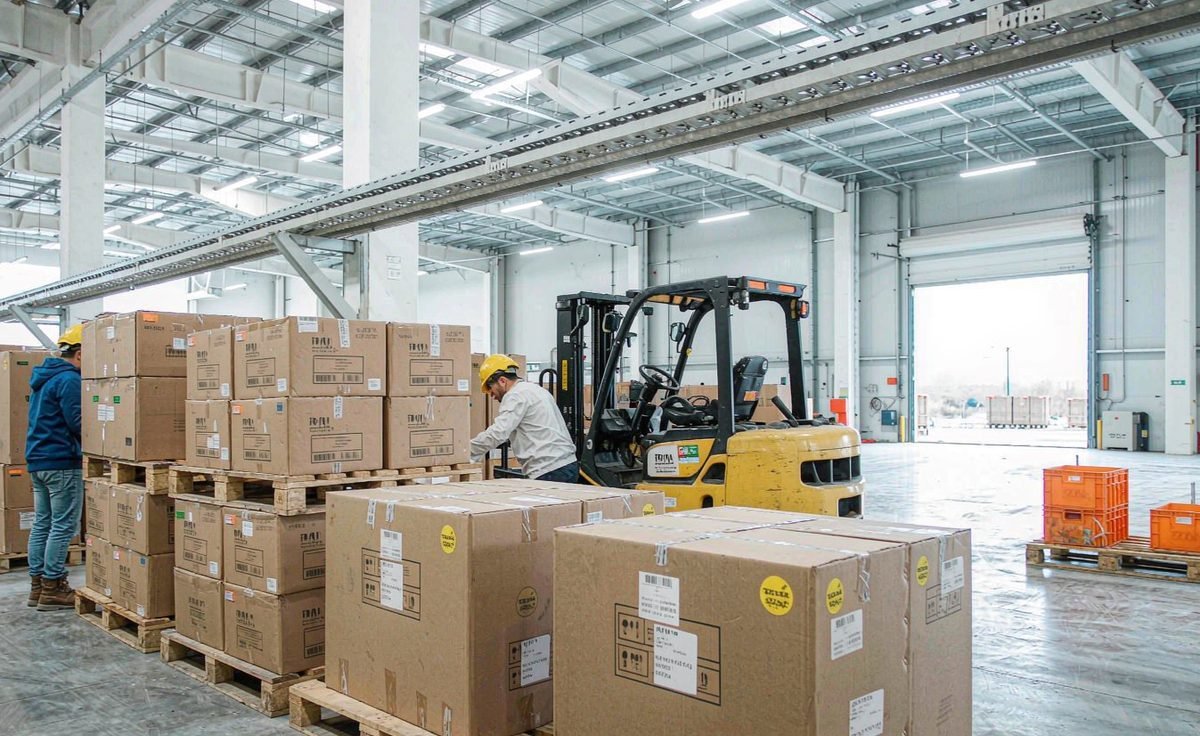
Add 1-3 working days for Thai customs clearance (paperless e-Import is fast on green channel) and trucking: 1-2 hours from Laem Chabang to Chonburi/Rayong estates, 1.5-2.5 hours to Bangkok, longer for provincial cities like Khon Kaen or Chiang Mai (2-4 days by road). Door-to-door, a Shenzhen→Bangkok FCL move completes in 7-11 days. Urgent cargo flies: Guangzhou or Shenzhen to Bangkok Suvarnabhumi in 1-3 days door-to-door.
How Much Does Shipping from China to Thailand Cost?
Indicative November 2026 rate levels from our Thailand desk:
| Service | Lane | Typical rate |
|---|---|---|
| FCL 20GP | Shenzhen → Laem Chabang | USD 180-400 |
| FCL 40HC | Shenzhen → Laem Chabang | USD 300-700 |
| FCL 40HC | Shanghai → Laem Chabang | USD 400-850 |
| FCL 40HC | Shenzhen → Bangkok (PAT) | USD 350-750 |
| LCL | Shenzhen → Laem Chabang | USD 10-20 per CBM (min 2 CBM) |
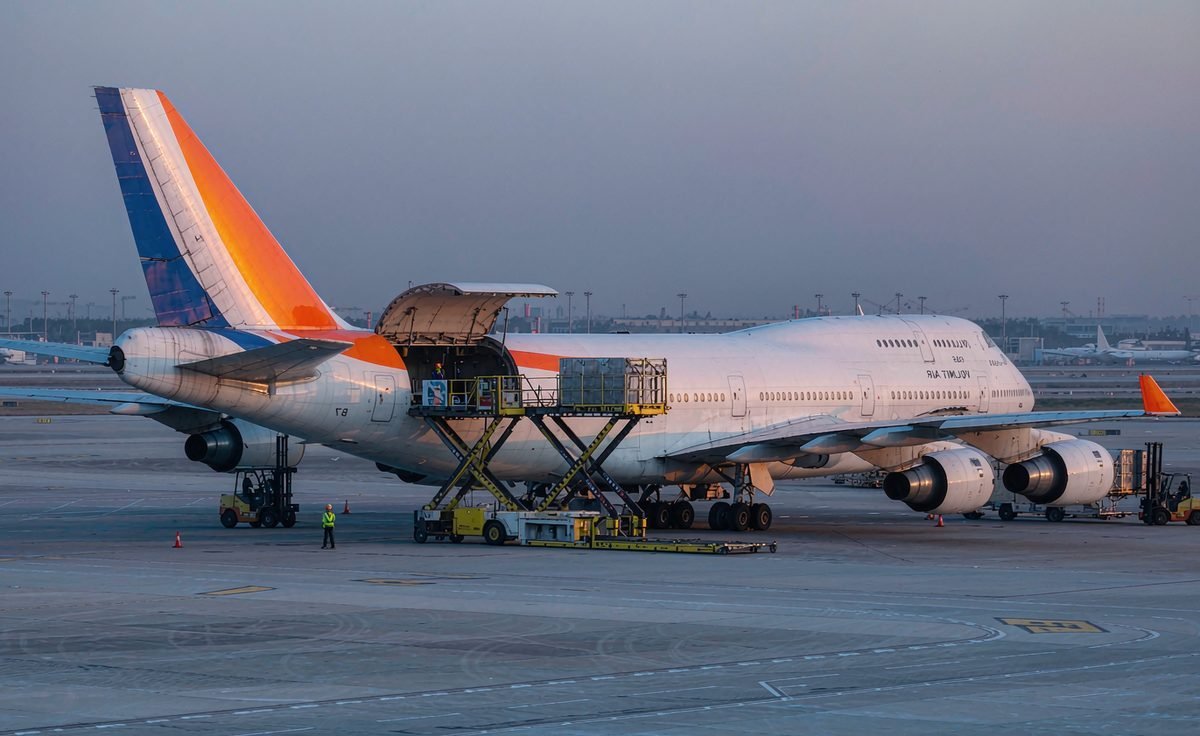
| Air freight | Shenzhen/Guangzhou → Bangkok (BKK) | USD 1.8-3.8 per kg (45 kg+) |
Add USD 300-500 in combined local charges (origin THC, documentation, export declaration; destination THC, D/O, brokerage). Thai import VAT of 7% applies on CIF + duty, and duty is 0% with Form E on most ACFTA-eligible goods. For the full arithmetic, see our container cost breakdown for Thailand; schedules and delay patterns are covered in our transit time guide.
What Documents and Rules Apply? The Form E Advantage
The document set mirrors other ASEAN lanes: commercial invoice, packing list, bill of lading, and the Thai import declaration filed electronically through Thai Customs' paperless e-Import system. The differentiator is the Form E Certificate of Origin under ACFTA, issued by China Customs or CCPIT at origin — it zeroes out duty on most Chinese-origin goods. Thailand's preference rules also accept the ASEAN Form D for multi-ASEAN-origin consignments, but for China-origin cargo, Form E is the certificate that matters.
Thai-specific compliance points we screen at quotation:
- TISI standards: electrical appliances, cables, and many consumer electronics need Thai Industrial Standards Institute licensing before import.
- Thai FDA: food, supplements, cosmetics, and medical devices require FDA registrations or notifications.
- Excise goods: alcohol, tobacco, vehicles, and some fuels carry excise tax beyond duty and VAT.
- Labeling: Thai-language labels with mandatory content for consumer products.
The full clearance walkthrough — documents, duty math, and common holds — lives in our Thailand customs clearance guide, and the general China-side export paperwork is explained in our China export documents primer.
LCL or FCL: What's the Crossover on This Lane?
Laem Chabang LCL destination charges are moderate, so the crossover sits at roughly 13-15 CBM, similar to Vietnam. Mini-case: a Bangkok furniture-parts importer shipped 9 CBM of hinges and slides from Jieyang as LCL at USD 210 ocean-side all-in, versus USD 1,500+ for a 20GP — LCL by a mile. The same client's 21 CBM cabinet-frame shipment moved as a 20GP at USD 1,680 all-in, beating the LCL quote of USD 2,300 and cutting damage risk on wooden components. The general trade-offs are covered in our FCL vs LCL analysis, and the lane economics in why the Southeast Asia line is cheap.
Is There an Overland Option? Road and Rail on the Thailand Corridor
Sea isn't the only mode. Two land alternatives serve specific niches:
- Cross-border trucking via Laos (R3A / Boten–Vientiane corridor): FTL trucking from South China through the Lao PDR to Bangkok runs 4-6 days door-to-door. It beats sea on door-to-door time for inland origins like Kunming, and it suits cargo that shouldn't sit in port — but per-truck costs (typically USD 2,800-4,500 to Bangkok) make it uneconomic below full-truckload volumes, and it requires Lao and Thai transit paperwork our road desk handles separately.
- China–Laos Railway to Vientiane + truck to Thailand: rail to Vientiane (2-3 days from Kunming) plus 1-2 days trucking suits time-sensitive partial loads from Yunnan. For coastal-origin cargo (Guangdong, Zhejiang), sea to Laem Chabang remains cheaper and usually faster overall.
For the mainstream flows this guide covers — FCL and LCL from China's coastal manufacturing belt — ocean wins on cost by a wide margin, and the 5-8 day South China transit keeps door-to-door times competitive even with road. Road is a tool for specific lanes, not a default.
Which Incoterms Work Best with Thai Buyers?
The term you choose determines who does what, and on this lane we see three working patterns:
- FOB (Chinese port) — the default for established Thai importers; they control freight through their own forwarder or ours as their China agent.
- CIF Laem Chabang — common with Thai trading houses that prefer to manage only the import side; seller controls the ocean leg and rate risk.
- DDP Bangkok/EEC — for buyers without import capability; seller carries clearance, 0% duty via Form E, and the 7% VAT to the door.
Whichever term, the Form E obligation sits with whoever files the Chinese export declaration — so agree at booking who applies for the certificate and when. A missed agreement is the most common reason a CIF shipment pays MFN duty it shouldn't.
What Is the Step-by-Step Shipping Process?
- Quote & booking — packing list, HS codes, and Incoterms confirmed; sailing and cut-off fixed.
- Factory pickup & export declaration — trucking to Yantian/Shekou/Nansha; China export entry filed; Form E applied for in parallel.
- Sailing & documents — B/L issued (express release recommended); document set sent to the Thai broker.
- Ocean transit — 5-16 days by origin; container tracking daily.
- Thai e-Import declaration & clearance — lodged pre-arrival; green channel releases in 1-2 days.
- Delivery — trucking to Bangkok, EEC estates, or provincial warehouses; DDP available end-to-end.
What Pitfalls Should Importers Watch in 2027?
Songkran (mid-April 2027) slows trucking and factory operations for several days — plan buffers. Monsoon months (June-October) add 1-3 day weather delays on the Gulf of Thailand. TISI and Thai FDA lead times can run weeks; start registrations before the first shipment, not with it. And Laem Chabang yard density spikes around major holidays on both ends — book early in the Chinese New Year and Songkran windows. For cross-lane comparisons, our China-to-Vietnam guide shows how the neighboring lane differs in rates and paperwork.
How Waymore Runs the China–Thailand Lane
Our Thailand desk books FCL from all major Chinese ports and consolidates weekly LCL boxes from Shenzhen and Ningbo to Laem Chabang, with 40+ LCL shipments per week across our Southeast Asia consolidations. Discounted carrier contracts keep our published rates 10-20% under mid-market forwarders, and we offer port-to-port, DDU, and full DDP shipping from China to Thailand with duty and 7% VAT handled at clearance.
Frequently Asked Questions
How long does sea freight from China to Thailand take?
Direct services from Shenzhen or Guangzhou to Laem Chabang run 5-8 days port-to-port. Shanghai takes 8-11 days and Qingdao or Tianjin 12-16 days. Add 1-3 days for Thai customs clearance and trucking of 1-2 hours to Bangkok or the Eastern Economic Corridor estates.
Do I need Form E for China to Thailand shipments?
Yes, to claim ACFTA preferential duty. The Form E Certificate of Origin issued by China Customs or CCPIT reduces most Chinese-origin goods to 0% import duty in Thailand. Thailand also accepts the ASEAN Form D on multi-country consignments, but China-origin goods travel on Form E.
How much does a 40HC cost from China to Thailand?
Ocean freight for a 40HC from Shenzhen to Laem Chabang typically runs USD 300-700, and from Shanghai USD 400-850. Add USD 300-500 in local charges, giving an all-in port-to-port budget of roughly USD 600-1,200 depending on the week.
Which Thai port should I import through?
Laem Chabang handles the majority of containerized imports and serves Bangkok and the Eastern Economic Corridor. Bangkok Port (PAT) suits city-center deliveries of smaller volumes. Songkhla serves the southern provinces.
Is LCL or FCL cheaper from China to Thailand?
LCL wins below roughly 13-15 CBM; a 20GP becomes cheaper per cubic meter above that. Waymore consolidates weekly LCL boxes from Shenzhen and Ningbo to Laem Chabang, with per-CBM rates around USD 10-20 ocean-side on typical weeks.
- Air Freight from China to Thailand: Costs & When to Use It
- China to Thailand Customs Clearance: Documents, Duties & Process
- How Much Does It Cost to Ship a Container from China to Thailand?
- Port Congestion Survival Guide: Delays, Rollovers & Plan B
- Shipping Alibaba Orders: From Supplier Payment to Your Warehouse
- Shipping from Tianjin to Los Angeles: Rates, Transit Times & Booking Guide
Get Today's Rate & Lock Your Discount
Waymore Shipping offers FCL & LCL ocean freight from every major port in China — Shanghai, Ningbo, Shenzhen, Guangzhou, Qingdao, Xiamen, Tianjin and more. Rates updated weekly with carrier discounts.