China to Turkey Customs Clearance: Documents, Duties & Process
- Turkish clearance runs through a licensed broker (gümrük müşaviri) on the e-customs BİLGİ system; complete paperwork means 1–3 working days of green-channel clearance.
- Expect customs duty plus 20% import VAT (KDV) and, on many Chinese-origin goods, an additional fixed duty (ilave gümrük vergi).
- Core documents: commercial invoice, packing list, bill of lading, certificate of origin — plus CE/TSE certificates for regulated goods.
- Undervaluation checks and red-channel inspections are the most common causes of holds at Istanbul and Mersin.
- Send final documents before the vessel sails — post-arrival amendments are slow and expensive.
Clearing Chinese goods into Turkey requires four core documents (commercial invoice, packing list, bill of lading, certificate of origin), payment of customs duty plus 20% VAT, and clearance filed by a licensed Turkish customs broker on the BİLGİ e-customs system. With correct paperwork and HS codes, green-channel clearance takes 1–3 working days; physical inspections can add up to two weeks.
This guide is written from the experience of our operations team, which coordinates several hundred Turkey-bound FCL and LCL shipments every year through Istanbul-Ambarlı, Mersin, Gemlik and Izmir. We explain exactly which documents your Turkish buyer's broker will ask for, how duty and VAT are calculated, and where shipments most often get stuck.
What Documents Do You Need to Clear Turkish Customs?
Turkish customs uses 12-digit tariff codes (GTİP), so every document must carry the correct code and consistent values. Discrepancies between the invoice and the bill of lading are the single most frequent reason clearance stalls. The standard document set:
| Document | Issued by | Key requirements for Turkey |
|---|---|---|
| Commercial invoice | Exporter (your supplier) | Original, signed, showing Incoterms, currency, HS/GTİP codes, unit prices. Low declared values trigger undervaluation reviews. |
| Packing list | Exporter | Cartons, weights, CBM per item — must match container tally exactly. |
| Bill of lading (or seaway bill / telex release) | Carrier / forwarder | Consignee should be the Turkish importer's registered company name; notify party usually the customs broker. |
| Certificate of origin | CCPIT or customs in China | Required for most industrial goods; confirms Chinese origin. Turkey is not in the EU, so an A.TR movement certificate does not apply to Chinese goods. |
| CE certificate + Declaration of Conformity | Manufacturer / notified body | Mandatory for machinery, electronics, toys, lighting, PPE. Turkish customs cross-checks against the TAREK product-safety database. |
| TSE certificate | Turkish Standards Institution | Applies to selected building materials and some consumer goods; your Turkish buyer usually arranges it. |
| Import permit / health certificates | Ministry of Agriculture and Forestry | Food, feed, plants, and animal products need pre-approval and physical veterinary/border control checks. |
| Export declaration from China | Chinese customs | Your supplier's export clearance; Waymore verifies it matches the B/L before the vessel departs. |
If your Chinese supplier is trading-company-only and cannot issue compliant documents, raise it before booking — not after arrival. Our team pre-checks every Turkey-bound document set against the booking details, and our article on China export customs documents explains the origin side of the paperwork.
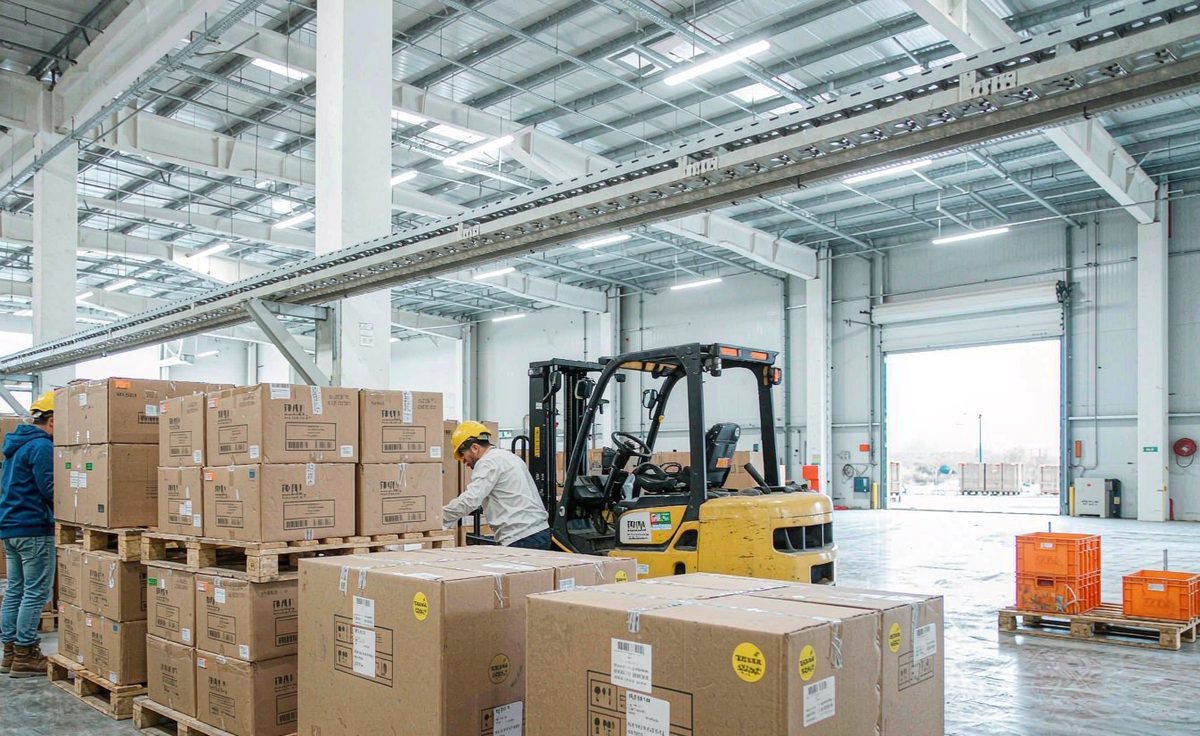
How Much Duty and VAT Will You Pay in Turkey?
Three layers of tax apply at Turkish import, all calculated on the CIF value:
1. Customs duty (gümrük vergisi)
Turkey applies its own MFN tariff — not the EU's. Rates vary from 0% to 25% for most industrial goods depending on the GTİP line. Raw materials and machinery components are often 0–5%; finished consumer goods typically 3–12%; some finished goods reach higher.
2. Additional fixed duty (ilave gümrük vergisi)
This is the line item that surprises importers. Turkey levies an extra import duty on hundreds of tariff lines — many of them concentrated on Chinese-origin products such as textiles, footwear, consumer electronics, solar panels and vehicles. The surcharge runs from roughly 5% up to 40% depending on the line. Always verify the ilave vergi rate for your exact GTİP before you fix your landed-cost budget; we ask our broker network to confirm it in writing on every new product category.
3. VAT (KDV)
Standard import VAT is 20% (10% on a short list of basic goods), calculated on CIF + customs duty + additional duty. VAT is normally paid at clearance; registered Turkish companies can reclaim it as input VAT or use deferred accounting.
| Example cargo (indicative) | Typical MFN duty | Ilave vergi risk | VAT |
|---|---|---|---|
| Industrial CNC machine parts | 0–3% | Usually none | 20% |
| LED lighting fixtures | ~5% | Additional duty applies on many lines | 20% |
| Home textiles from China | ~8–12% | Frequently imposed — check line | 20% |
| Consumer electronics accessories | ~0–5% | Common on Chinese-origin goods | 20% |
| Furniture (wooden/upholstered) | ~5–10% | Case-by-case | 20% |
Indicative structure only — rates change via Turkish presidential decrees, so confirm the live GTİP rate before quoting prices to your customers.
How the Clearance Process Works Step by Step
In a typical Waymore China–Turkey move, the sequence looks like this:
- Before sailing: supplier issues final invoice, packing list, and COO; Waymore verifies them against the booking and B/L draft.
- During transit: we send the arrival notice data to your Turkish broker so the import declaration (TJKM) can be pre-filed on BİLGİ.
- Vessel arrival: at Istanbul-Ambarlı or Mersin the container discharges; the port grants free time (typically 5–7 days, carrier-dependent).
- Declaration + channel assignment: customs assigns green, yellow (document check), or red (physical inspection) channel based on risk profiling.
- Tax payment: broker settles duty, ilave vergi and 20% KDV; delivery order released.
- Gate-out and delivery: trucking to your warehouse — Istanbul, Bursa, Konya, Gaziantep and Ankara are all within a day's trucking of the main gateways.
According to UNCTAD's Review of Maritime Transport, port and border processes are among the biggest variables in door-to-door lead times for Mediterranean trade lanes — which matches what we see: the ocean leg is predictable, the clearance leg is where timelines slip.
Why Do Turkish Customs Hold Shipments from China?
From our files, four issues cause most holds:
- Undervaluation review. Turkish customs maintains reference price bands on many Chinese goods. Declared values far below market get flagged, and customs may demand bank payment proofs, proforma histories, or re-value the goods and assess tax accordingly.
- HS misclassification. A 12-digit GTİP chosen to reduce duty — discovered mid-inspection — means reassessed tax, penalties and a broker-hold that can last weeks.
- Missing conformity evidence. CE documents that don't match the shipment (different model numbers, no manufacturer declaration) trigger TAREK conformity review for electronics, machinery and toys.
- Food and agricultural control. Missing Ministry of Agriculture permits or labels not in Turkish lead to rejection or destruction in the worst cases — always pre-approve food labels with your Turkish buyer.
Mini-case: In September 2026, a Waymore client shipping two 40HC containers of anodized aluminum profiles from Foshan to Istanbul-Ambarlı was assigned red-channel inspection over an undervaluation flag — the invoice price was 30% below customs' reference band for the alloy and finish. We supplied the supplier's VAT invoices, the buyer's USD payment receipts, and a fresh COO; customs accepted the value and released both containers after 11 working days. The lesson: keep the genuine transaction paper trail ready, and never "adjust" invoice values to save duty.
How to Avoid Clearance Delays on Your China–Turkey Imports
- Confirm the GTİP and all three tax layers before ordering. Ask your broker to quote duty + ilave vergi + 20% KDV in writing.
- Use real, consistent values. Invoice = payment = packing list = B/L, always.
- Pre-file the declaration. Documents sent during the ocean leg let clearance start the day the container discharges.
- Plan free time. If red-channel risk is high, ask us to arrange extra free time or pre-book trucking with buffer. Our guide to demurrage and detention fees shows how storage charges stack up when clearance stalls.
- Understand destination processing. As we explain in why destination customs clearance is slower than ocean transit, the 30-day sail is the easy part — budget 3–10 working days for clearance in your lead-time promises to customers.
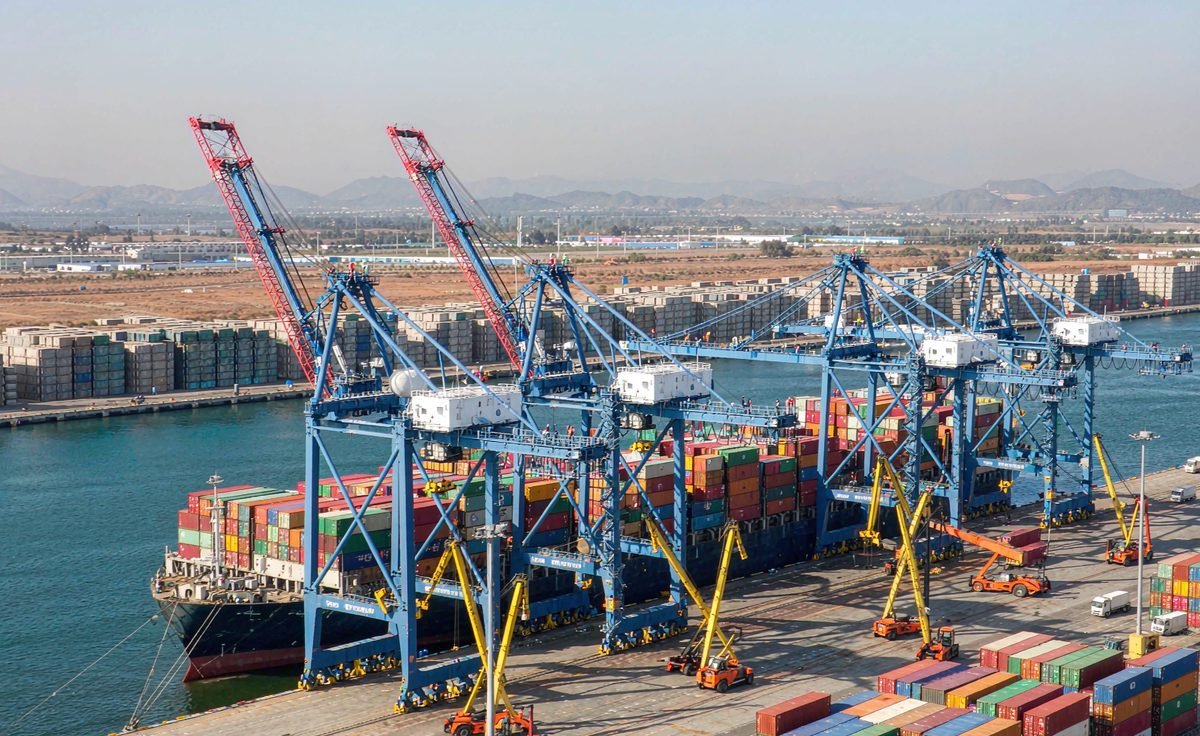
How Do Incoterms Change Your Clearance Responsibilities?
Who handles which step depends on the trade term you agreed with your supplier, and confusion here causes more disputes than any fee. On a typical Waymore Turkey file:
- FOB (Ningbo, Shanghai, Yantian…): your Chinese supplier delivers the container alongside and handles China export customs. You (usually via Waymore) own the ocean freight, Turkish clearance, taxes and delivery. You control the carrier choice — which matters when schedule reliability to Ambarlı varies by loop.
- CIF / CFR: the supplier books the vessel to Istanbul or Mersin, but note the trap: under CIF they are not obliged to arrange Turkish clearance, pay duty, or guarantee a specific arrival date. Destination charges come to you regardless, and container free time terms follow the supplier's carrier contract, not yours.
- EXW: you also handle pickup inside China and export declaration. Viable, but your supplier's factory documents must still support the export filing — agree who produces them in writing.
- DDP: the seller side carries everything including 20% KDV and ilave vergi — covered fully in our DDP guide, and workable only with a proper Turkish importer-of-record structure.
One warning we give every new Turkey importer: under CIF, suppliers frequently book on the cheapest transshipped loop to protect their margin. If your Turkish buyer expects stock in 35 days and the CIF booking arrives on day 48, the dispute is yours to manage. Our overview of freight collect vs prepaid explains how to keep control of the arrival side without hostility toward your supplier.
FCL or LCL — Does Clearance Differ?
The document set and tax mechanics are identical; what changes is speed and inspection exposure. A full container clears as one declaration under one GTİP list and moves on your schedule. LCL cargo deconsolidates at the destination CFS, clears in the forwarder's consolidated file, and waits for the whole house bill group to process — Turkish CFS handling fees are also charged per CBM, so dense cargo can accumulate painful destination bills. Red-channel inspection on a consolidated shipment affects every consignee sharing the container, not just the flagged one. As a rule of thumb from our files: FCL clears 2–5 days faster than LCL into Istanbul, and LCL makes sense below roughly 13–15 CBM.
Frequently Asked Questions
How long does customs clearance take in Turkey?
With complete documents, green-channel clearance in Turkey typically takes 1–3 working days after the vessel discharges at ports like Istanbul-Ambarlı or Mersin. Red-channel physical inspection adds 3–10 working days, and conformity checks on regulated goods can extend clearance to two weeks.
How much is import VAT in Turkey?
Turkey's standard import VAT (KDV) is 20% as of 2026, applied on the CIF value plus customs duty plus any additional fixed duties. A reduced 10% rate applies to selected basic goods. VAT is paid to the customs authority at clearance unless the importer uses deferred VAT accounting.
What is the additional fixed duty (ilave gümrük vergisi) on Chinese goods?
The ilave gümrük vergisi is an extra import duty Turkey applies to many products, notably those of Chinese origin. Depending on the tariff line it adds roughly 5%–40% on top of the standard MFN duty. Checking the exact Turkish tariff (GTİP) line before quoting is essential.
Do I need a customs broker to import into Turkey?
In practice yes. Turkish clearance is processed through a licensed customs consultancy (gümrük müşaviri) on the e-customs BİLGİ system, and most Turkish buyers already appoint one. Your forwarder coordinates with the broker and supplies the bill of lading, invoice and packing list.
What documents are required to import from China to Turkey?
The core set is a signed commercial invoice, detailed packing list, ocean bill of lading or telex release, and certificate of origin. Regulated products also need CE certificates, declarations of conformity, and sometimes TSE or TAREK registration. Food and agricultural goods need Ministry of Agriculture and Forestry import permits.
Why did my shipment get a red channel inspection in Turkey?
Turkish customs assigns inspection channels based on risk. Undervaluation flags, HS-code mismatches, first-time importers, and sensitive product categories (textiles, electronics, machinery) commonly trigger red-channel physical inspection, which adds days and inspection fees to the clearance process.
- Shipping Building Materials from China to Turkey: Requirements, Costs & Tips
- Shipping Auto Parts from China to Turkey: Requirements, Costs & Tips
- Shipping from China to Turkey: The Complete 2027 Guide
- China to Indonesia Customs Clearance: Documents, Duties & Process
- China to Malaysia Customs Clearance: Documents, Duties & Process
- China to South Africa Customs Clearance: Documents, Duties & Process
Get Today's Rate & Lock Your Discount
Waymore Shipping offers FCL & LCL ocean freight from every major port in China — Shanghai, Ningbo, Shenzhen, Guangzhou, Qingdao, Xiamen, Tianjin and more. Rates updated weekly with carrier discounts.