Peak Season Freight Rates: Space, Rates & Lead Times
- Peak season runs roughly July–October; spot rates routinely rise 30–100% above spring levels.
- Book FCL 3–4 weeks before departure, LCL 2–3 weeks — same-week bookings roll in the peak.
- Add 1–2 weeks to normal transit times; a 30-day lane can take 40–45 days door to door in September.
- Cargo needed for Black Friday should be on the water by late September at the latest.
- Forwarders with contracted weekly space can hold allocations and prevent rollovers for regular clients.
Peak season freight rates from China climb because holiday demand hits fixed vessel capacity: carriers impose peak-season surcharges, containers get scarce inland, and congestion slows everything down. From July to October, spot rates routinely run 30–100% above spring levels, and lead times stretch by one to two weeks.
Every year the pattern repeats, and every year some importers are surprised by it. This playbook condenses what our operations teams in Shenzhen and Ningbo do differently between July and October — how we secure space, when rates actually move, and what lead times you should really plan around. If you read one section before booking your Q3/Q4 cargo, make it the booking timeline.

Why Do Freight Rates Spike in Peak Season?
Three forces stack on top of each other between July and October:
Demand surge. Retailers and e-commerce sellers worldwide restock for back-to-school, Halloween, Black Friday and Christmas — all at once. Every usable cubic meter on every vessel from Asia gets fought over.
Fixed capacity. The global fleet does not grow between July and September. Carriers respond with peak-season surcharges (PSS), general rate increases, and — quietly — tighter release of their cheapest space.
Congestion. Fuller ports mean slower turns. Vessels wait at anchor, terminals stack boxes, and each delayed sailing removes more effective capacity from the market. Rate indexes such as the Drewry World Container Index and the Shanghai Shipping Exchange SCFI typically capture these spikes week by week — the SCFI in particular is worth a glance before you judge any quote on a China-origin lane.
The result is not just expensive freight; it is scarce freight. The rate is only half the problem — the other half is whether your container gets on the ship at all.
What Do Peak Season Freight Rates Actually Look Like?
The table below shows a representative mid-2026 pattern on popular lanes — indicative all-in ocean rates per 40HC, excluding destination charges:
| Lane | Spring (typical) | Peak (Aug–Sep typical) | Change | Transit (normal → peak) |
|---|---|---|---|---|
| Shanghai → Los Angeles | $1,900–2,300 | $2,900–3,800 | +50–65% | 16 days → 20–24 days |
| Ningbo → Rotterdam | $1,700–2,100 | $2,600–3,400 | +50–60% | 30 days → 34–38 days |
| Shenzhen → Hamburg | $1,800–2,200 | $2,700–3,500 | +50–60% | 32 days → 36–40 days |
| Qingdao → New York | $2,400–2,900 | $3,600–4,700 | +50–65% | 28 days → 33–38 days |
| LCL per CBM (any lane, blended) | $35–55 | $55–90 | +55–70% | +4–7 days |
Two lessons hide in these numbers. First, the percentage jump looks similar across lanes, but the absolute dollars are largest on long-haul FCL — a single delayed, over-paid 40HC can cost thousands more than the same box in May. Second, LCL follows the same curve, which is why consolidators who pre-buy space can offer meaningfully better per-CBM rates through the peak.

How Far in Advance Should You Book?
FCL: 3–4 weeks before the planned sailing. Booking early gets you three advantages: space on the intended vessel, a rate locked before the next general rate increase, and time to fix documents without missing cut-off. Same-week bookings in August often face a choice between premium pricing and rolling to a later ship.
LCL: 2–3 weeks before departure. Consolidators need lead time to plan the load. We run weekly consolidated departures from Shenzhen, Ningbo and Shanghai, and clients who book by mid-week almost always make that week's box; late bookings wait for the next.
The Black Friday backward plan. Work it backwards: sell-through starts late November; cargo must be sellable in early November; that means arrival by mid-October; that means on the water by late September for US East Coast and Europe — earlier if your lane transships. Same logic one month later for Christmas. Importers who internalize this calendar never pay peak's worst rates, because they book in July.
For the earlier half of the year the same principle applies around Chinese New Year — the pre-CNY rush is the other annual crunch, covered in our guide to booking ahead of CNY.
How to Actually Secure Space in the Peak
1. Book with forwarders who hold contracted space
Carriers release allocations to their contracted partners first; the open spot market gets the leftovers. A forwarder with weekly space commitments can hold slots for regular clients even when spot space vanishes. This is exactly how our weekly rate discounts work — pre-bought space, passed on at a discount, not scraped from the spot market.
2. Lock the booking, then chase the documents
Space is only safe if the container gates in on time with clean paperwork. Peak season punishes documentation errors twice: the terminal is busier, and re-scheduling a missed cut-off costs more. Submit packing lists, invoices and VGM early, every time.
3. Know your rollover plan before you need it
Even good bookings sometimes roll. What matters is what happens next: a forwarder with allocations re-books within days; a spot booking re-queues behind everyone else. Our explainer on container rollovers covers the prevention checklist in detail. Ask any forwarder one direct question: "If my container rolls, what do you do?" The answer tells you everything.
4. Consider the alternatives while space is tight
For urgent portions, air freight absorbs the overflow; for non-urgent portions, sailing a week earlier or from a alternate port (Xiamen instead of Shenzhen, Tianjin instead of Qingdao) sometimes catches a less congested rotation. Flexibility is a discount in the peak.
Peak Season Surcharges: What You Will Actually See on the Invoice
Beyond the base rate, peak-season invoices carry a small alphabet of surcharges. Knowing them prevents the "why is my invoice higher than the quote?" conversation:
- PSS — Peak Season Surcharge. The headline add-on during July–October, applied per container or per CBM on LCL. It comes and goes with demand; ask when it expires when you book.
- BAF — Bunker Adjustment Factor. Tracks fuel prices; it moves year-round but compounds visibly on top of peak base rates.
- Congestion surcharges. Applied when a port's waiting times breach a threshold. These can appear mid-shipment, so build a small buffer into your cost plan.
- Equipment repositioning / pickup fees. When empty containers are scarce inland, truckers charge more to collect them — this passes into origin trucking costs.
- Documentation and AMS/ENS filing fees. Stable in normal months, but worth confirming in your quote so the peak invoice matches expectations.
The defensive habit is simple: ask for the validity date and surcharge list attached to any peak-season quote. A quote without an expiry date during peak season is a quote you should not rely on.
LCL or FCL in the Peak? A Quick Strategy Note
Peak season changes the FCL-vs-LCL math. Space scarcity means a shared container — with a consolidator who pre-bought space — is often easier to secure than a full-box allocation on a heavily booked service. If your volume sits at the awkward size between a 20GP and scattered LCL lots, price both: sometimes two LCL bookings on different weekly sailings de-risk your timeline better than one contested FCL slot, splitting the exposure of a possible rollover across two departures.
Conversely, if you can genuinely fill a 20GP, a dedicated box booked three weeks out usually wins on both rate per CBM and control — no deconsolidation delay at destination, and your goods move as one customs entry. The worst position is a half-empty 20GP booked at the last minute: you pay container rates for LCL volumes and still compete for space. Decide your equipment class early; it is the peak-season decision that most affects cost.
Realistic Lead Times: Plan on the Slower Number
Build your inventory calendar on peak-season transit, not spring transit. Add 1–2 weeks to any published ocean transit, plus 3–5 days for destination congestion and drayage queues during the worst weeks. Congestion data from sources like the IMF PortWatch platform and arrival signals from the Port of Los Angeles give early warning of where the slowdowns are concentrating.
The importers who sail through peak season do three things: they book 3–4 weeks out, they treat their forwarder's contracted space as the asset it is, and they plan arrival dates on the honest, slower number. None of it is complicated — it is simply done in July instead of September.
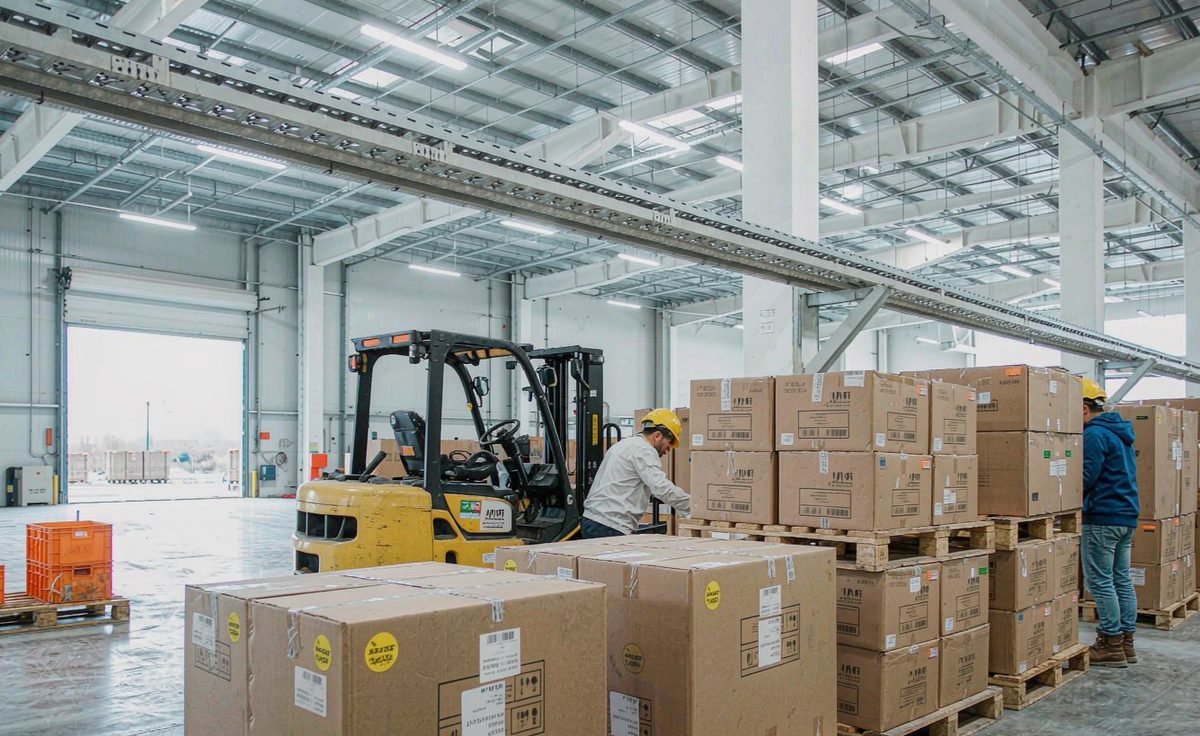
Peak season rewards preparation and punishes improvisation — every year, without exception. The playbook above is not complicated: know the calendar, book early, secure space through contracted allocations, plan on honest lead times, and read surcharges before you sign. Do that, and the most expensive quarter of the shipping year becomes just another quarter with a plan. And when rates move mid-season, re-check our weekly discount page before you re-book — space from July allocations often prices better than anything booked in panic from the September spot market.
Frequently Asked Questions
Why do freight rates increase during peak season?
Peak season rates rise because holiday-season demand from retailers and e-commerce sellers collides with fixed vessel capacity. Carriers add peak-season surcharges, equipment becomes scarce in inland China, and port congestion lengthens vessel rotations, effectively removing capacity from the market. The combination routinely pushes spot rates 30–100% above spring levels between July and October.
When does peak season start for shipping from China?
Peak season generally runs from July through October, with rates and space pressure building from late June and usually easing after Golden Week in early October. The exact timing shifts each year with retail order patterns, but importers should treat August and September as the most congested and expensive months on transpacific and Asia–Europe lanes.
How far in advance should I book peak season freight from China?
For FCL, book three to four weeks before your planned vessel departure; for LCL, two to three weeks is usually enough with a consolidator holding contracted space. During the peak, same-week bookings often roll or pay premium rates. For cargo needed before Black Friday, cargo should be on the water by late September.
How much longer are lead times during peak season?
Add one to two weeks to normal transit times during peak. Port congestion adds waiting time at anchor, vessels sail fuller and slower through crowded rotations, and destination terminals take longer to turn containers around. A lane that moves in 30 days in spring can realistically take 40–45 days door to door in September.
How can I avoid container rollovers in peak season?
Book early with a forwarder that holds weekly contracted space, submit accurate documents before cut-off, and avoid the cheapest spot offers with no space commitment. Confirm gate-in dates as soon as the booking is issued. If a rollover does happen, a forwarder with carrier allocations can usually re-book on the next sailing within days rather than weeks.
- Peak Season Is Coming: Why You Should Book Q3 Space Now
- Why Do Freight Rates Spike in Q3? Peak Season Explained
- Peak Season 2027 Playbook: Booking Windows That Save Money
- Peak Season 2028 Playbook: Booking Windows That Save Money
- The 12-Month Freight Season Calendar: Low vs Peak Pricing
- Q3 2027 Capacity Forecast: Space, Rates and Alternatives for Shippers from China
Get Today's Rate & Lock Your Discount
Waymore Shipping offers FCL & LCL ocean freight from every major port in China — Shanghai, Ningbo, Shenzhen, Guangzhou, Qingdao, Xiamen, Tianjin and more. Rates updated weekly with carrier discounts.