Exporting LED Lighting from China: Compliance, Documents & Destination Rules
- Core export documents: commercial invoice, packing list, China Customs declaration, B/L — plus certificates your destination demands.
- EU shipments need CE + RoHS + Ecodesign (EU) 2019/2020; the US needs DOE + FTC Lighting Facts and typically UL/ETL reports.
- LED products with lithium cells are UN3481 dangerous goods — declare them or face booking rejections and fines.
- GCC/SASO, BIS (India) and SAA (Australia) each add separate certification steps — plan 3–6 weeks ahead.
- Waymore's documentation desk pre-checks compliance paperwork before your container gates in.
Exporting LED lighting from China requires a commercial invoice, packing list and China Customs declaration as a baseline, plus destination-specific certificates: CE/RoHS for the EU, DOE and FTC Lighting Facts for the US, SASO for Saudi Arabia — and UN3481 dangerous goods handling if lithium batteries are built in.
Get the paperwork wrong and your container doesn't move: DG bookings get rejected at Shekou, SASO shipments stall at Jeddah, and non-compliant fixtures can be detained by US Customs. This guide walks through exactly what our documentation team prepares for lighting exports every week.
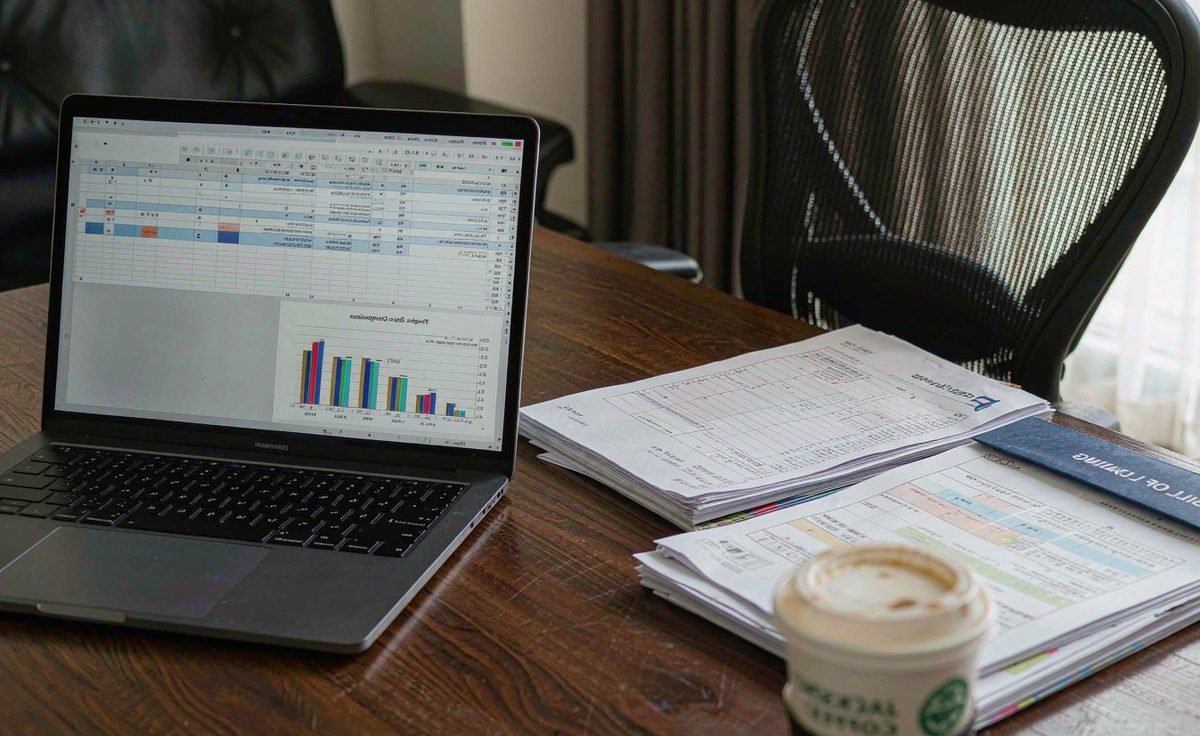
What Documents Are Required to Export LED Lighting from China?
Every lighting export from Chinese ports — whether from Zhongshan, Jiangmen, Chenghai or Ningbo — passes through China Customs via the single-window platform. The exporter of record (your supplier or a licensed agent) files:
- Commercial invoice — unit values, FOB terms, currency, HS code 9405.4 (LED luminaires) or 8539.5 (LED lamps/sources).
- Packing list — carton counts, dimensions, gross/net weight per carton.
- Export customs declaration — filed against the supplier's export license; buyers without one typically route via an agent (affecting VAT rebate ownership — agree this upfront).
- Bill of Lading / Air Waybill — issued by the carrier or NVOCC; consignee details must match the destination customs registry.
- Certificate of Origin (CO/FORM E/RCEP) — cuts duties for ASEAN, RCEP and some Middle East lanes.
- Product certificates — test reports referenced below, often demanded by the destination importer before clearance.
For LCL consolidation out of our Shenzhen and Ningbo CFS warehouses, each supplier's cargo keeps its own commercial set inside one house bill — clean per-supplier paperwork is what keeps destination customs exams short.
What Does the EU Require for Imported LED Lighting?
LED luminaires and lamps entering the EU must carry CE marking supported by four legislative pillars:
| Requirement | Legal basis | What the importer must hold |
|---|---|---|
| Electrical safety | Low Voltage Directive 2014/35/EU; EN/IEC 60598 series | Test report + Declaration of Conformity |
| Electromagnetic compatibility | EMC Directive 2014/30/EU; EN 55015 / EN 61547 | EMC test report |
| Hazardous substances | RoHS Directive 2011/65/EU (lead, mercury, phthalates limits) | RoHS report from accredited lab |
| Energy efficiency | Ecodesign Regulation (EU) 2019/2020 + energy label per (EU) 2019/2015 | EEI calculation, label artwork |
| WEEE registration | WEEE Directive 2012/19/EU | National register number (e.g. WEEE-Reg.-Nr. in Germany) |
German and French market surveillance authorities are the strictest on energy-label artwork in our experience — one Hamburg importer we support keeps a pre-approved label template for every Zhongshan fixture SKU to avoid Amazon and customs holds. EU customs rules are administered under EU TAXUD frameworks.
What Does the US Require for Imported LED Lighting?
Four layers apply to US-bound LED cargo:
- DOE compliance: LED products must meet federal energy conservation standards and be reported to the DOE certification database (CCMS) before import.
- FTC Lighting Facts label: required on packaging — lumens, watts, correlated color temperature, lifetime.
- Safety listing: while not a federal import requirement, retailers and inspectors effectively require UL or ETL listing; non-listed fixtures face city-inspector rejections after sale.
- FCC Part 15: LED drivers and smart-lighting radios need FCC ID/Supplier's Declaration of Conformity.
US Customs and Border Protection (cbp.gov) can detain shipments lacking compliant documentation, and ISF (10+2) filing must be lodged 24 hours before vessel loading — Waymore files this for every US-bound lighting container.
What about lithium batteries inside smart LED products?
Emergency exit lights, motion-sensor bulbs, solar garden lights and LED strips with remote-control battery packs are UN3481 — lithium batteries contained in equipment. By sea, the IMDG Code (overseen by the IMO) allows them as excepted quantities with correct package marks; by air, IATA DGR adds state-of-charge limits (≤30% for standalone cells) and a lithium battery mark. Our DG desk pre-reviews battery spec sheets and UN38.3 test summaries — a missing UN38.3 report is the most common rejection we see at Shenzhen terminals.
Which Middle East and Other Destinations Have Extra Rules?
| Destination | Mandatory scheme | Lead time & notes |
|---|---|---|
| Saudi Arabia | SASO IECEE / Saber platform certificate of conformity | 2–4 weeks; SASO 2902 efficiency for lamps |
| UAE | ECAS + ESMA efficiency label (Dubai Municipality) | 1–3 weeks |
| India | BIS registration for self-ballasted LEDs (IS 16102) | 6–10 weeks; plan far ahead |
| Australia / NZ | RCM + SAA approval for electrical safety; MEPS efficiency | 2–4 weeks |
| UK | UKCA marking post-Brexit; UKCA energy label | Separate from CE; HMRC clearance |
| Kenya / Nigeria | PVoC / SONCAP pre-shipment inspection | Book inspection before loading |
Remember that these certificates carry validity windows: Saber certificates are shipment-specific, BIS registration runs on a two-year cycle, and an expired certificate discovered at destination costs more than renewing it at origin. Our desk tracks expiry dates for repeat clients on recurring lanes so a renewal never lands in the middle of a booking.

How Does the LED Export Process Work, Step by Step?
Compliance failures usually trace to timing, not missing knowledge — a certificate requested the week of loading is a certificate that arrives after the vessel sails. A typical lighting export from South China runs on this timeline:
| When | Step | Paperwork in motion |
|---|---|---|
| T–21 to T–30 days | Booking confirmed with carrier/NVOCC | Booking confirmation; DG screening request if batteries declared |
| T–14 days | Factory completes production and QC | Final packing list with carton dims; test reports matched to batch numbers |
| T–7 days | Documentation desk pre-check | Invoice, CO application, Saber/PVoC steps for restricted markets |
| T–5 days | Customs declaration drafted | HS codes, unit values, export license verified on single window |
| T–3 to T–1 days | Trucking and gate-in | VGM (verified gross mass), ISF filing for US cargo (24 h before load) |
| T-0 | Vessel departure | B/L draft approved within 24 h of sailing — errors here cost amendment fees at destination |
US-bound containers carry the tightest fixed deadline: the ISF 10+2 filing must be lodged 24 hours before loading, and late filings expose the importer to penalties starting around USD 5,000. Everything else on the timeline has flexibility; that step does not.
Who Is Responsible for What in the Document Chain?
Much of the friction we see on lighting cargo comes from buyers assuming the factory handles compliance. Under FOB terms the responsibilities split like this:
- Supplier/exporter of record: customs declaration, export license, product test reports and certificates, carton marking, VGM accuracy.
- Forwarder (Waymore): booking, DG declaration review, ISF filing, B/L issuance, consolidation documentation, pre-checking that certificates match the shipped batch.
- Importer of record: destination clearance, duty payment, holding the DoC/technical file for market surveillance, energy-label registration (EU), DOE database entry (US).
The gap that bites: the importer legally needs the Declaration of Conformity and technical file in the EU, but nothing in an FOB deal obliges the factory to hand them over. Put document delivery into the purchase order — DoC, full test reports, and label artwork files against each PO number — and ask for them at deposit time, not after the goods ship.
What Should a Pre-Shipment Compliance Checklist Cover?
Our documentation desk runs this eleven-point check before any lighting container gates in; copy it into your own workflow:
- Invoice values match the sales contract and payment terms.
- HS codes verified against the physical product, not the factory's invoice template.
- Packing list carton counts equal the physical load plan.
- Certificate batch numbers match the produced batch (not an older model's report).
- CE/UKCA/RCM marks and energy labels printed correctly on retail packaging.
- UN38.3 test summary and MSDS on file for every battery SKU.
- DG declaration, if any, accepted by the carrier in writing.
- ISF filed (US), ENS lodged (EU), or destination pre-arrival filing confirmed.
- Saber/PVoC/SONCAP certificates issued — not just applied for.
- Origin certificates (FORM E/RCEP) requested where they cut duty.
- B/L consignee and notify details match the destination customs registry.
Each point costs minutes to check and thousands to skip: a mismatched batch number on an RoHS report reads as a fraudulent certificate to a market surveillance officer, and that is a seizure conversation, not a fine.
When Do LED Lighting Exports Get Restricted or Blocked?
Which cases most often go wrong?
- Undeclared lithium cells: booking accepted as general cargo, rejected at terminal DG screening — the shipment rolls a week and pays re-handling. Declare up front.
- Counterfeit-brand fixtures: copies of Philips/Osram designs face IP seizures in EU and US ports — we decline to move them.
- Missing Saber certificate (Saudi): cargo arrives Jeddah without the conformity certificate and demurrage accrues at USD 60–90/day. Start the Saber process before vessel departure.
- Mis-declared HS codes: using 8539.5 for complete luminaires to dodge duty rates triggers post-clearance audits.
A Saudi distributor we support learned the Saber lesson early: after one Jeddah demurrage bill, they now start certification the same week as production — their last six consignments cleared in under 48 hours. Cost planning should include this friction; see what it costs to ship LED lighting from China. And if you're building a full export program, our complete LED lighting exporter's guide covers port choice and packing strategy end-to-end.
Frequently Asked Questions
What documents are required to export LED lighting from China?
Standard exports need a commercial invoice, packing list, customs declaration (via the China Customs single window), booking confirmation and bill of lading or air waybill. Certificate of Origin and product test reports (IEC/EN 60598, CE, RoHS) are added when the buyer or destination country requires them.
Does LED lighting need CE marking for Europe?
Yes. LED luminaires sold in the EU need CE marking backed by the Low Voltage Directive (2014/35/EU), EMC Directive (2014/30/EU), RoHS Directive (2011/65/EU) and, since 2021, Ecodesign Regulation (EU) 2019/2020. Importers must keep the Declaration of Conformity and technical file available for market surveillance.
Are LED products with lithium batteries treated as dangerous goods?
Yes. Smart LED products containing lithium cells ship as UN3481 (lithium batteries contained in equipment). By sea they follow the IMDG Code; by air, IATA DGR Section II rules with state-of-charge limits and packaging marks. Undeclared batteries are the top cause of LED cargo rejections at Chinese terminals.
What US requirements apply to imported LED lighting?
US-bound LED lighting must meet DOE energy conservation standards, FTC Lighting Facts labeling, UL/ETL safety certification commonly required by retailers, and FCC Part 15 for electromagnetic interference. Imports without compliant documentation risk detention by US Customs and Border Protection.
- Exporting Consumer Electronics from China: Compliance, Documents & Destination Rules
- Exporting Solar Panels & PV Equipment from China: Compliance, Documents & Destination Rules
- Exporting Toys & Baby Products from China: Compliance, Documents & Destination Rules
- Exporting Plastic Products from China: Compliance, Documents & Destination Rules
- Exporting Furniture from China: Compliance & Documents Guide
- Exporting Cosmetics & Beauty Products from China: Compliance, Documents & Destination Rules
Get Today's Rate & Lock Your Discount
Waymore Shipping offers FCL & LCL ocean freight from every major port in China — Shanghai, Ningbo, Shenzhen, Guangzhou, Qingdao, Xiamen, Tianjin and more. Rates updated weekly with carrier discounts.