How Much Does It Cost to Ship a Container from China to Mexico?
- 40HC to Manzanillo: about $2,400–$4,200 all-in ocean freight; 20GP: $2,000–$3,400 (late 2026).
- China-side surcharges add $250–$450 per container; destination charges $350–$550.
- Real budget line most buyers forget: IGI duties 5–20% of CIF + 16% IVA — bigger than freight.
- Manzanillo → Mexico City inland: $800–$1,200 trucking or $500–$800 rail.
- Under ~15 CBM, LCL at $35–$70/CBM usually beats an under-filled 20GP.
Shipping a 40HC container from China to Mexico costs roughly $2,400–$4,200 in all-in ocean freight to Manzanillo from Shanghai, Ningbo, Shenzhen or Guangzhou, with a 20GP at $2,000–$3,400. Add destination charges ($350–$550), Mexican duties (5–20% IGI plus 16% IVA on CIF), and $800–$1,200 to truck the box to Mexico City — freight, in other words, is only the visible third of the cost iceberg.
Mexico is now one of the busiest lanes in our Latin America desk's book, and the cost questions we field weekly are remarkably consistent. This article lays out every line item from factory pickup in China to warehouse door in Mexico, using real November 2026 numbers and a worked example for a typical consumer-goods container — so you can budget the whole chain, not just the freight line.
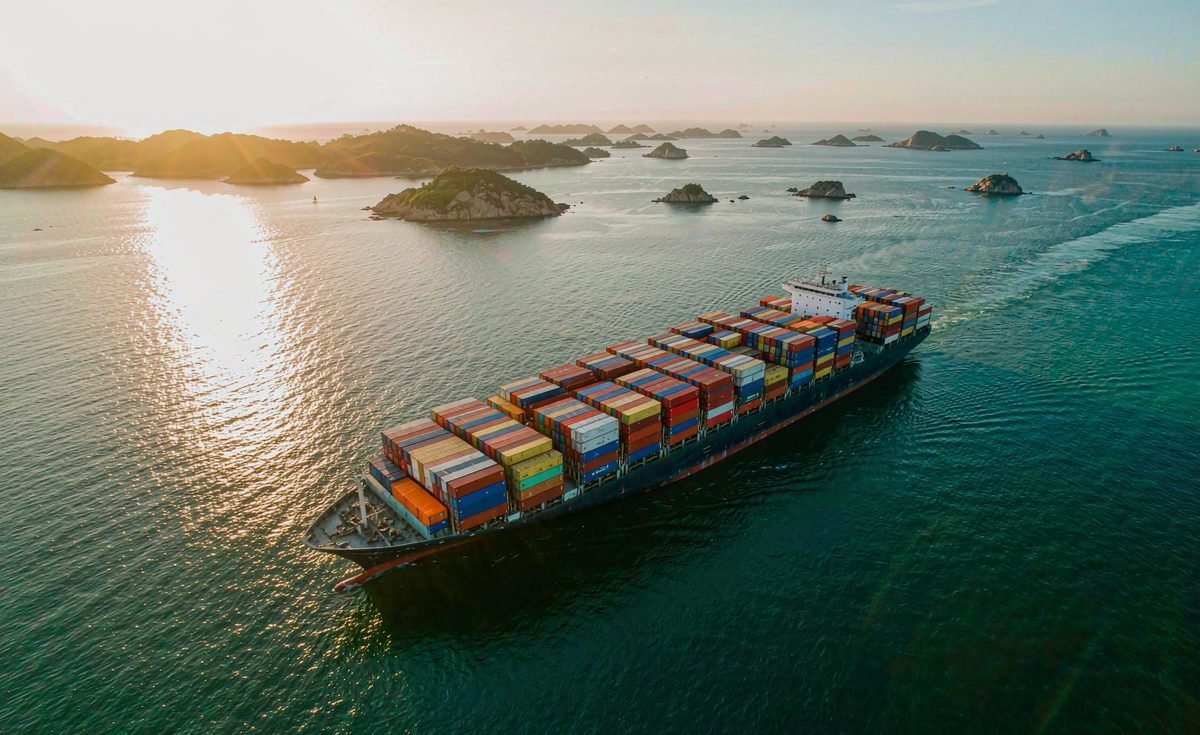
What Does Ocean Freight to Mexico Cost by Container Type?
Indicative all-in port-to-port rates (base freight + China-side surcharges), November 2026:
| Origin → Manzanillo | 20GP | 40GP | 40HC | Transit |
|---|---|---|---|---|
| Shanghai | $2,150–$3,400 | $2,600–$4,000 | $2,600–$4,200 | 23–32 days |
| Ningbo | $2,100–$3,350 | $2,550–$3,950 | $2,550–$4,150 | 24–32 days |
| Shenzhen (Yantian/Shekou) | $2,000–$3,300 | $2,500–$3,900 | $2,400–$4,100 | 24–33 days |
| Guangzhou (Nansha) | $2,050–$3,350 | $2,500–$3,900 | $2,450–$4,100 | 25–33 days |
| Qingdao | $2,200–$3,450 | $2,650–$4,050 | $2,650–$4,250 | 26–34 days |
Lázaro Cárdenas prices within ~$150 of Manzanillo; Gulf-side Veracruz and Altamira run $400–$900 higher because most capacity works the Pacific. Rates move with transpacific cycles and the trade's blank-sailing patterns — we benchmark against public indexes like the Shanghai Shipping Exchange SCFI and publish our own weekly discounted rates so you can sanity-check any quote against the market.
What surcharges are inside (and outside) that number?
| Charge | Typical 40HC amount | Paid by |
|---|---|---|
| Origin THC | $220–$290 | Included in all-in quote |
| ISPS + documentation + VGM/seal | $95–$160 | Included in all-in quote |
| Export customs declaration (China) | $60–$100 | Included in all-in quote |
| Factory haulage to port | $250–$600 | Varies by pickup city (Yiwu, Dongguan, Suzhou) |
| Destination THC + docs (Manzanillo) | $350–$550 | Consignee at destination |
| Customs brokerage (Mexico) | $250–$450 | Consignee |
| Inland to Mexico City | $500–$1,200 | Consignee |
If one forwarder's quote to Mexico is far below another's, compare line by line — the missing lines always reappear as destination charges. Our guide on reading a freight quote for hidden fees walks through the pattern.
What Will Duties and Taxes Add in Mexico?
China and Mexico have no free trade agreement, so IGI duties clear at MFN rates — classification-dependent, typically 5–20% on consumer goods — and 16% IVA applies on the duty-inclusive customs value. Both are calculated on CIF (goods + insurance + freight), so your freight choice directly changes your tax bill. Electronics, textiles and auto parts face extra valuation scrutiny; the clearance mechanics are covered in our guide to Mexico customs clearance and documents.
Worked example: 40HC of kitchenware, Shanghai → Mexico City
A CDMX housewares importer's recent shipment: FOB value $42,000, freight $3,300, insurance $440 → CIF $45,740. IGI at 15% (HS 6912 ceramic tableware range) ≈ $6,860; IVA 16% on duty-inclusive value ≈ $8,416 (creditable against sales tax for an RFC-registered importer). Logistics lines: destination charges $420, brokerage $340, trucking to CDMX $980. Total logistics cost: $5,040 (about 12% of CIF); total duty+IVA: $15,276. The client's takeaway — and ours after a decade on this lane: negotiate freight aggressively, but structure HS classification and Incoterms carefully, because that is where the bigger money sits. Related reading: Incoterms 2020 explained and our DDP-to-Mexico deep dive.
How Do You Choose Between FCL and LCL to Mexico?
LCL to Manzanillo runs $35–$70 per CBM with a per-shipment minimum, transit 38–48 days door once consolidation and deconsolidation are included. The crossover against a 20GP sits around 13–15 CBM — below that, LCL wins; above it, or when you can merge several suppliers' orders, a full box wins on both cost and speed. Our article on FCL vs LCL economics works the math, and our consolidation service routinely cuts small importers' per-unit logistics cost by 20–30% by combining supplier orders into one box. For container selection itself — 20GP vs 40GP vs 40HC — see our container choice guide, and remember volumetric planning: a 40HC holds about 68 CBM of practical loading, per our 40ft capacity estimator.
Which Container Size Gives the Best Cost per Cubic Meter?
The "cheapest" quote is rarely the cheapest per unit of cargo. Work the math by container size before booking:
| Container | All-in freight to Manzanillo | Usable volume | ≈ Cost per CBM |
|---|---|---|---|
| 20GP | $2,000–$3,400 | ≈ 28 CBM practical | $71–$121 |
| 40GP | $2,500–$4,000 | ≈ 58 CBM practical | $43–$69 |
| 40HC | $2,400–$4,200 | ≈ 68 CBM practical | $35–$62 |
| LCL (per CBM) | $35–$70/CBM | pay per CBM | $35–$70 + fixed fees |
The pattern is blunt: a half-empty 20GP is the worst deal on the lane, and a well-loaded 40HC is the best. If your order fills 15–25 CBM, the fastest way to cut cost is not a lower rate — it is more cargo in the same box. That means negotiating with suppliers to combine two orders, adding a second product line, or buying slightly ahead of your replenishment curve. Where weight rather than volume binds (brake rotors, hardware, ceramics), mind the payload limits too: a 20GP takes about 28 metric tonnes of cargo where a 40HC's practical ceiling is nearer 26 — dense shippers often do better on the small box despite the worse CBM math. Our 40ft capacity estimator and container choice guide walk through both constraints.
How Do Seasonal Patterns Affect Mexico Pricing?
The lane breathes with the retail calendar. January–March is the post-CNY hangover: factories restart slowly, space is plentiful, and this is historically the best quarter to lock rates. April–June firms up as back-to-school production ships. July–October is the genuine peak — holiday stock, Buen Fin builds and transpacific peak all stack — with the worst combination of high rates, tight space and Manzanillo congestion. November–December softens as peak inventory has landed, making it a smart window for early-year replenishment. Plan your big buys against this curve: ordering your annual volume so that the heaviest containers sail in Q1–Q2 rather than Q3 can save 15–25% on freight alone across a year, before counting the peak-season rollover risk you avoid.
Mini-case: the double-supplier consolidation
A Puebla kitchenware distributor was importing two LCL shipments a month (18 CBM total) from separate suppliers in Shantou and Foshan — paying LCL rates plus two sets of destination fees, with goods arriving ten days apart. We merged the flows: both suppliers truck to our Shenzhen warehouse weekly, we stuff one 40HC (≈ 52 CBM combined with a third small supplier), sail to Manzanillo, and clear as a single file. Per-CBM cost fell about 27%, destination fees halved, and both product lines now land the same day. This is the single most reliable saving on the lane and it requires no rate negotiation at all — just coordination.
What About LCL Extra Fees at Destination?
LCL's headline per-CBM rate understates its real cost unless you count the destination side: deconsolidation fees, CFS handling and per-shipment documentation at Manzanillo typically add $180–$350 to a mid-size LCL shipment regardless of size, which is why three small LCL shipments cost far more than one combined box. There is also a time cost: LCL cargo deconsolidates a few days after vessel arrival, adding to the door chain. Two practical rules — ask any LCL quote for the total destination fee schedule, not just the per-CBM rate; and if your LCL volume is creeping past 10 CBM per shipment, ask us to price a 20GP, because that is usually the crossover point where the fixed fees start working against you. For a deeper comparison, our small parcels vs LCL guide covers the very-small end and our FCL vs LCL breakdown covers the middle ground.
How Can You Reduce Your Total Container Cost to Mexico?
- Book 2–3 weeks ahead of sailing — last-minute Mexico bookings meet the trade's thinnest capacity and the worst rates.
- Time your orders to the season: sailing your heaviest containers in the January–March low window instead of Q4 peak routinely saves 15–25% on freight for the same cargo.
- Consolidate suppliers into single containers; every extra LCL shipment carries fixed fees that a shared box absorbs.
- Pick the right gateway: Manzanillo for CDMX/Guadalajara, Lázaro Cárdenas + rail for Bajío, via-USA for urgent Monterrey cargo.
- Negotiate free time at Manzanillo before sailing — patio delays in peak season make demurrage the silent budget killer; see our demurrage & detention guide.
- Verify classification before booking: a correct HS code is worth more than a freight discount when duties run 5–20%.
Frequently Asked Questions
How much does it cost to ship a 40ft container from China to Mexico?
In late 2026, a 40HC from Shanghai, Ningbo or Shenzhen to Manzanillo runs roughly $2,400–$4,200 all-in ocean freight including origin surcharges; a 20GP costs $2,000–$3,400. Add destination charges of $350–$550, customs brokerage, IGI duties of 5–20% of CIF plus 16% IVA, and $800–$1,200 trucking or $500–$800 rail to Mexico City.
What surcharges apply to China–Mexico container shipments?
From the China side: origin THC, ISPS security fee, documentation fee, VGM/seal charges and sometimes a bunker adjustment — typically $250–$450 per container combined. On the Mexican side the consignee pays destination THC, customs brokerage, and possibly patio storage if free time runs out before pickup.
How much does inland delivery from Manzanillo to Mexico City cost?
Trucking a 40HC from Manzanillo to Mexico City runs about $800–$1,200 and takes 1–2 days. Rail costs $500–$800 but adds 2–4 days. For Guadalajara expect $500–$850 by truck; Monterrey-bound cargo often routes more economically via the US Gulf or Lázaro Cárdenas rail.
Is LCL cheaper than a full container from China to Mexico?
Below roughly 13–15 CBM, LCL at $35–$70 per CBM to Manzanillo usually costs less than an under-filled 20GP, though it adds consolidation time and per-shipment destination fees. Above 15 CBM — or when combining several suppliers' goods — a full 20GP or 40HC is cheaper per cubic meter and faster end to end.
How far in advance should I book to get the best rate to Mexico?
Book 2–3 weeks before sailing in normal periods and 3–4 weeks ahead for the August–October peak and pre-Chinese New Year windows. Early bookings get direct services, more free time at destination, and rate holds — last-minute bookings meet blanked sailings and rolled containers.
- DDP Shipping from China to Mexico: Costs, Rules & Pitfalls
- China to Mexico Customs Clearance: Documents, Duties & Process
- Air Freight from China to Mexico: Costs & When to Use It
- How Much Does It Cost to Ship a Container from China to Belgium?
- How Much Does It Cost to Ship a Container from China to Qatar?
- How Much Does It Cost to Ship a Container from China to Egypt?
Get Today's Rate & Lock Your Discount
Waymore Shipping offers FCL & LCL ocean freight from every major port in China — Shanghai, Ningbo, Shenzhen, Guangzhou, Qingdao, Xiamen, Tianjin and more. Rates updated weekly with carrier discounts.