New Importer's Guide: Shipping from China Step by Step
- Importing from China has seven steps: supplier, order, Incoterms, freight booking, export clearance, shipping, and import clearance/delivery.
- First-time buyers should choose FOB with their own forwarder, or DDP for a hands-off door delivery.
- Budget beyond freight: duties, VAT, and destination charges typically add 15–40% to the FOB price.
- Sea freight runs 15–38 days port-to-port by lane; air freight 3–8 days door-to-door — production time is separate.
- Cargo insurance costs about 0.2–0.5% of goods value and is the cheapest risk decision you will make.
Importing from China comes down to seven steps: confirm a supplier and order, agree shipping terms, choose your freight mode, book with a forwarder, clear export customs in China, move the goods by sea or air, and clear import customs at destination. Get each step right and your first shipment arrives without drama.
This guide is written for first-time importers — the wholesaler placing a first container order, the e-commerce seller stocking a new product line. We walk the full journey in order, flag the mistakes we see most often on our operations desks in Shenzhen and Ningbo, and give you realistic numbers at every stage.
Step 1: How Do You Find and Verify a Supplier?
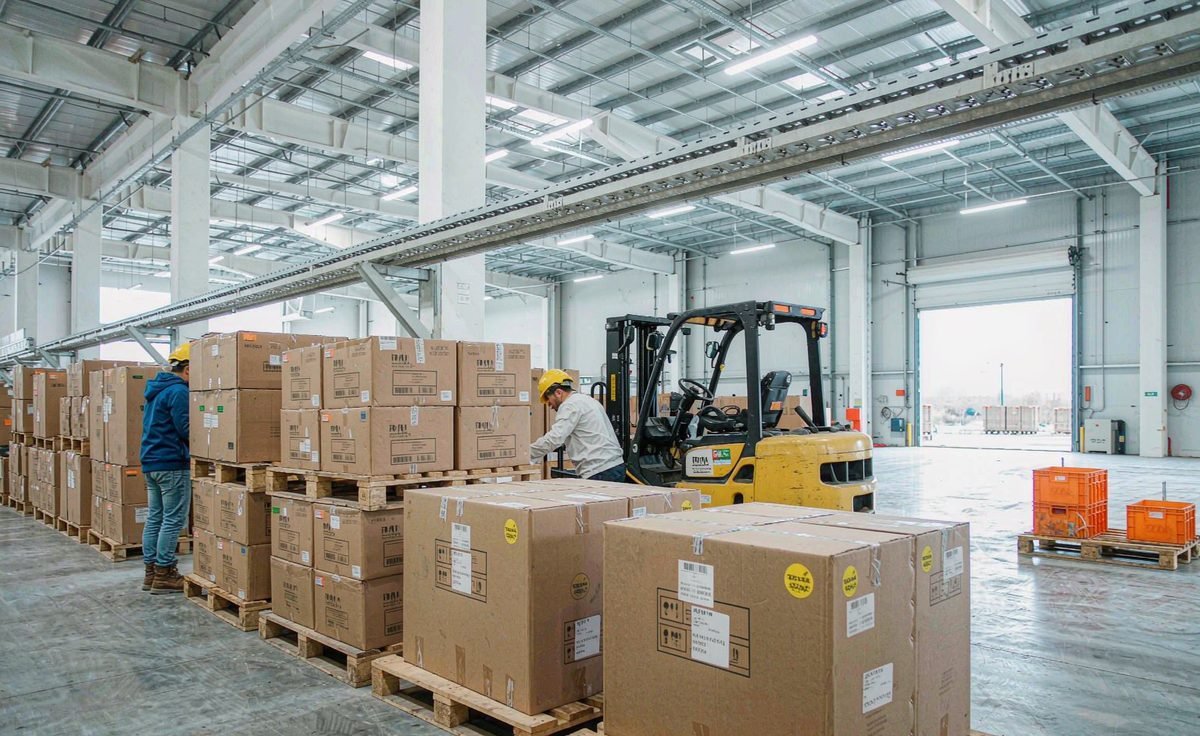
Most importers start on sourcing platforms or at trade fairs. Verify before you wire money: ask for the business license, confirm the factory actually manufactures (versus a trading company, which is fine but changes pricing), and order samples. For quality-sensitive goods, a third-party inspection costing $150–$300 is the best money a new importer spends.
One caution many beginners miss: whoever appears on the export declaration matters. If your trading company insists on exporting under a different company name, make sure your forwarder knows — mismatches between supplier, exporter, and invoice create customs friction later. Our guide to China export customs documents covers the paperwork from the Chinese side.
Step 2: What Should the Purchase Order Contain?
A workable PO specifies product description, materials, quantities, unit price, packaging, and — critically for logistics — carton dimensions, gross weight per carton, and packing configuration (how many cartons per pallet, cartons stacked or not). These numbers drive your freight quote, so get them before you ask for rates. Also agree the Incoterm and named place in writing: FOB Shanghai and EXW a factory in Yiwu are two completely different cost structures.
Step 3: Which Incoterm Should You Choose?
Incoterms decide who does what and where risk transfers. For new importers the practical menu is short:
| Incoterm | Seller handles | You handle | Verdict for new importers |
|---|---|---|---|
| EXW | Production only | Everything: pickup, export clearance, freight, import | Avoid — you need a China-side agent |
| FOB | Delivery onto vessel at Chinese port, export clearance | Ocean freight, insurance, import clearance | Best default — you control freight choice |
| CIF | Freight + minimum insurance to your port | Destination charges, clearance, delivery | Okay, but seller picks the (cheapest) service |
| DDP | Everything including duties and taxes, to your door | Nothing — receive the cargo | Great for hands-off buyers; check duty assumptions |
If the alphabet soup is new to you, read our plain-English explainer on the top 10 shipping terms every buyer should know before negotiating prices — quoting power changes dramatically by Incoterm.
Step 4: Sea or Air — and What Does It Cost?
Your freight mode is a trade-off between speed, cost, and volume:
| Mode | Typical transit | Typical cost level | Best for |
|---|---|---|---|
| LCL sea (shared container) | 20–40 days + clearance | ~$30–$60 per CBM | 1–14 CBM shipments |
| FCL sea (your own container) | 15–38 days port-to-port | ~$2,000–$5,000 per 40HC | 14+ CBM or heavy cargo |
| Air freight | 3–8 days door-to-door | ~$3–$6 per kg | Urgent, light, high-value |
These are planning numbers, not quotes — ocean rates swing with the market, and you can follow the direction using Drewry's World Container Index or the Shanghai Shipping Exchange SCFI. If you are torn between modes, our air versus sea freight comparison walks the decision with worked examples.
Where does your cargo leave from?
China's export gateway depends on where the goods are made: Shanghai and Ningbo serve the Yangtze Delta (Yiwu, Suzhou, Hangzhou); Shenzhen (Yantian, Shekou) and Guangzhou (Nansha) serve Guangdong electronics and light manufacturing; Qingdao, Xiamen and Tianjin cover their northern and coastal clusters. A forwarder covering all ports can route from whichever one your suppliers sit near, instead of forcing inland trucking.
What Documents Do You Need to Import from China?
Across the whole journey, only a handful of documents matter — but each one has to be right:
- Commercial invoice — issued by the supplier, showing true transaction value, currency, and Incoterm. This drives duty calculation at both ends.
- Packing list — carton-level detail: quantities, dimensions, weights, marks and numbers.
- Bill of lading / air waybill — issued by the carrier or forwarder at departure; your title document for sea cargo.
- Certificate of origin — sometimes required, and in some trade agreements the key to reduced duty rates.
- Product certificates — CE, FCC, RoHS, or equivalents depending on your market and category.
The most common document failure we see on first shipments: values or quantities on the invoice that do not match the packing list. Customs authorities on both sides cross-check these documents; mismatches trigger holds, inspections, and fees that dwarf the cost of an hour spent proofreading. Have your forwarder review the set before export clearance — it takes minutes and prevents the classic first-shipment delay.
Step 5: How Does Export Clearance in China Work?
Every export needs a declaration filed with China Customs (GACC), supported by a commercial invoice, packing list, and correct HS codes. Your forwarder files this — under FOB the seller supplies the documents and the booking agent handles filing. Goods needing inspections or licenses (certain electronics, textiles with quota histories, wood packaging under ISPM-15) add lead time; flag them early. Wood packaging must be heat-treated and stamped — an unlabeled wooden crate is one of the most common causes of export holds we see.
Step 6: What Happens During the Ocean or Air Journey?
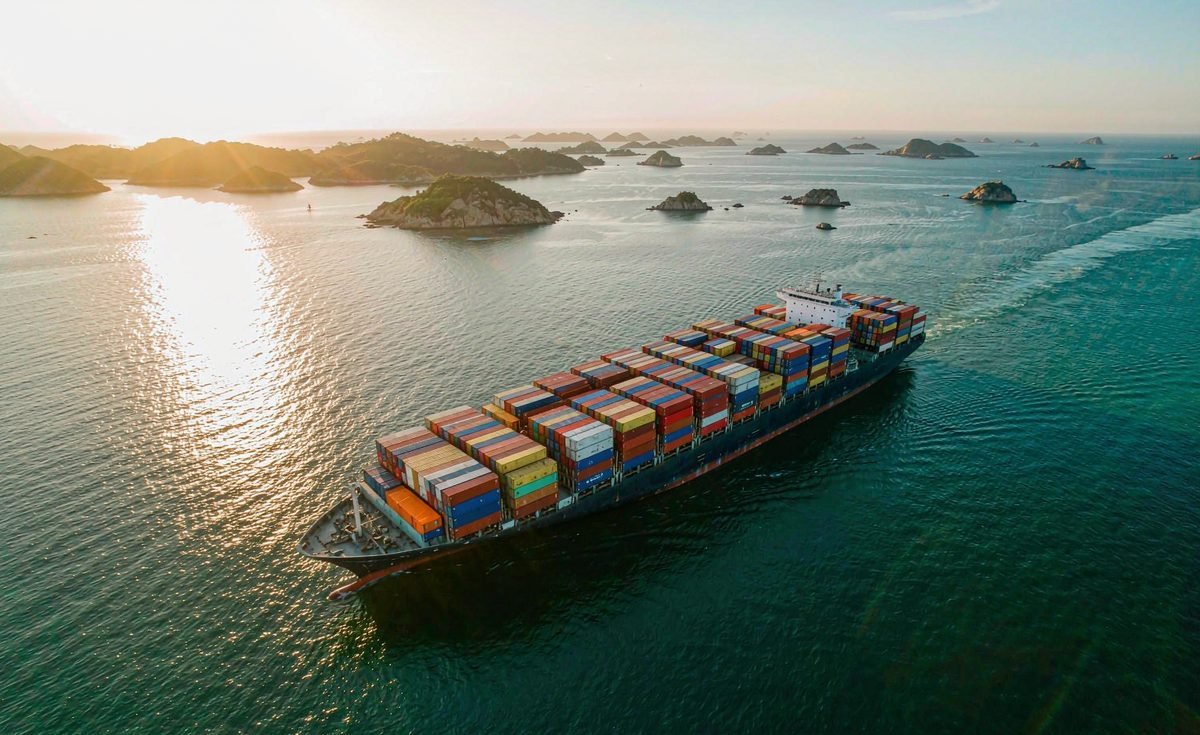
Once loaded, you receive a bill of lading (sea) or air waybill — your title document and receipt. Reputable forwarders give you milestone tracking: gate-in, loaded, departed, transshipment (if any), arrival, discharge. Plan around realistic port-to-port times, not best-case promises; congestion and blank sailings occasionally stretch schedules, and the post-vessel legs (clearance, trucking) routinely add 3–10 days door-to-door.
Step 7: How Does Import Clearance and Delivery Work?
At destination your cargo must be declared to customs before it can move. Requirements differ by country: the US uses entry filing with CBP and, for most commercial shipments, a customs bond — see US Customs & Border Protection for the basics; the EU requires an EORI number and import VAT handling (EU TAXUD); the UK runs its own post-Brexit regime under HMRC. Duties depend on your HS code; VAT/sales tax depends on the country.
Two practical paths for a first shipment: self-clear with a broker you appoint (more control, more admin), or book DDP and let your forwarder's destination agent clear and deliver everything to your door. Whichever you choose, the documents you hold from the supplier — invoice, packing list, B/L — are the backbone of the entry.
What does the money look like end to end?
A rough landing budget for a $30,000 FOB order shipped as 1 × 40HC to a US warehouse: ocean freight roughly $2,500–$4,500 depending on season, destination charges $600–$1,200, duty 0–25% by product (say 8% ≈ $2,400), and insurance ~$100. In other words, plan for 15–40% on top of FOB to reach true landed cost — and get a real quote rather than using rule-of-thumb numbers for anything you will actually order.
How Does Your First Shipment Actually Unfold? A Mini Timeline
To make the seven steps concrete, here is a realistic calendar from a first order we handled recently (anonymized): a US boutique owner buying 900 ceramic mugs from a Chaozhou factory, shipping to a New Jersey warehouse.
- Week 1–2: samples approved, PO signed at FOB Shenzhen, 30% deposit paid. Carton data received: 95 cartons, 12.5 CBM, 8,900 kg.
- Week 3: freight quoted and booked — LCL was quoted, but the 12.5 CBM price made a shared 20GP-equivalent consolidation cheaper; booking placed 4 weeks before the target sailing.
- Week 4–6: production runs. Third-party inspection booked for week 6.
- Week 6: inspection passes with two minor remarks; supplier delivers cargo to the Shenzhen consolidation warehouse; export declaration filed.
- Week 7: container loaded and sails from Yantian. Bill of lading received within 48 hours.
- Week 10–11: vessel arrives East Coast; clearance filed against invoice and packing list; cargo delivered to the warehouse 32 days after loading.
Total door-to-door elapsed time: about 11 weeks, of which the ocean voyage was roughly 4. That ratio — two-thirds of the calendar before and after the vessel — is normal, and it is the planning fact most first-time importers miss.
Three mistakes we see from first-time importers every month
- Quoting freight before carton data exists. Guess weights and you will re-quote, re-plan, and possibly re-book.
- Underestimating production time. The sea voyage is 3–5 weeks; production is often longer. Build a calendar backward from your launch date.
- Skipping insurance. Carrier liability covers a fraction of value. Marine cover at 0.2–0.5% of cargo value is the cheapest peace of mind in the trade.
When you are ready for a rate, send cargo specs, port pair, and target dates — a free ocean freight quote takes a day and turns this guide into a concrete plan. And once your first shipment is booked, our guide on how to track your container milestone by milestone tells you exactly what should be happening at every stage.
Frequently Asked Questions
What do I need to import goods from China as a beginner?
You need four things: a supplier agreement with clear product specs and Incoterms, correct HS codes for your goods, an import registration in your country (such as an EORI number in the EU/UK or a customs bond in the US — or a DDP arrangement where your forwarder handles clearance), and a freight booking. Everything else — documents, declarations, delivery — flows from those four.
How much does it cost to ship from China?
Ocean LCL runs roughly $30–$60 per CBM on major lanes, a 40HC container roughly $2,000–$5,000 depending on season and destination, and air freight roughly $3–$6 per kg. Add import duties (0–25%+ depending on product and country), VAT or sales tax, and destination charges. Freight rates move weekly, so request a live quote.
How long does shipping from China take?
Sea freight to the US West Coast takes about 15–20 days port-to-port; to North Europe 30–38 days; door-to-door adds clearance and trucking time. Air freight takes 3–8 days door-to-door. Production time is separate and often 15–45 days — first-time importers frequently underestimate it.
Which Incoterm should a new importer use?
Most new importers should buy FOB (seller delivers onto the vessel at the Chinese port) and appoint their own forwarder, or use DDP where the forwarder handles everything including duties. Avoid EXW (you handle everything in China, including export clearance) and be careful with CIF — the seller picks the freight, often the cheapest service available.
Do I need cargo insurance when importing from China?
Strongly recommended. Carrier liability is minimal — often around $2 per kilogram or per package under international conventions — and excludes many events. Marine cargo insurance typically costs 0.2–0.5% of cargo value and covers transit risks the carrier does not. Any experienced forwarder can arrange it with your booking.
- Container Tracking: How to Track Your Container Step by Step
- Shipping from Yiwu Wholesale Market: A Step-by-Step Playbook
- Case Study: How a US Importer Saved 22% with Cargo Consolidation
- Q1 2027 Rate Outlook: What Shippers Should Expect
- Restocking Shopify Inventory from China: A Timing Framework
- How to Load Glass Products into a Container Without Damage
Get Today's Rate & Lock Your Discount
Waymore Shipping offers FCL & LCL ocean freight from every major port in China — Shanghai, Ningbo, Shenzhen, Guangzhou, Qingdao, Xiamen, Tianjin and more. Rates updated weekly with carrier discounts.