Shipping Building Materials from China to the Netherlands: Requirements, Costs & Tips
- Rotterdam handles China cargo in 28–33 days — the shortest big-port transit in northwest Europe.
- Dutch import VAT is 21%, but Article 23 deferment shifts it to your VAT return instead of cash at the border.
- Bonded storage near Rotterdam/Venlo lets distributors hold stock without upfront duty and VAT.
- Switch from LCL to 20GP at around 13 CBM — the break-even comes sooner here than on other EU lanes.
Building materials from China reach the Netherlands fastest through Rotterdam — 28–33 days from Shanghai, Ningbo or Shenzhen — with FCL for loads above ~13 CBM and consolidated LCL below. Because the Netherlands combines Europe's largest container port with lenient bonded-storage rules, many distributors import here once and distribute across the whole EU.
Why Do Building Material Distributors Choose Rotterdam?
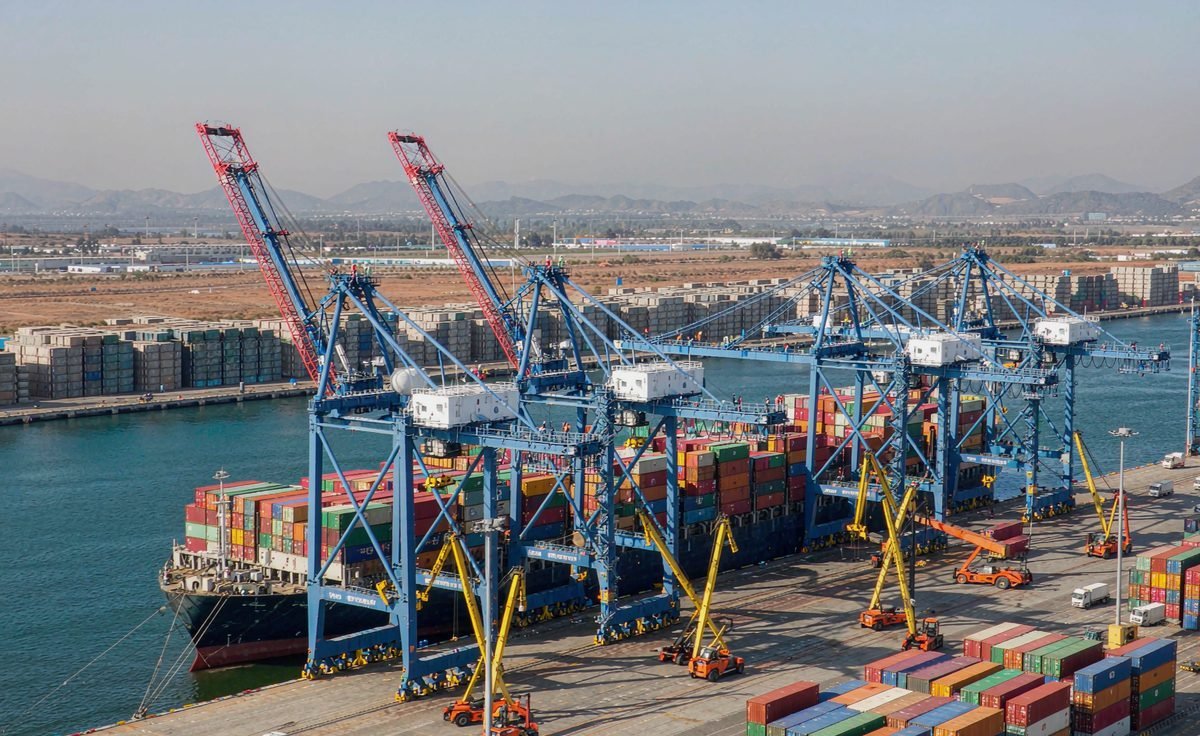
Three practical reasons. First, transit: direct Asia loops call Rotterdam before or just after Hamburg, making it the quickest northwest-European discharge. Second, hinterland reach: barge and rail connections move containers to Venlo, Duisburg and beyond cheaply, and our Rotterdam partners typically slot barge departure within 48 hours of discharge. Third, fiscal flexibility: under the EU customs framework described in EU customs guidance, goods can sit in bonded warehouses duty- and VAT-suspended while you sell them onward to Germany, Belgium or France.
What Do You Need to Clear Customs in the Netherlands?
- EU EORI number — issued by Dutch customs if you're a Netherlands-based importer.
- Import declaration — filed by your broker; commercial invoice, packing list and ocean B/L must match exactly.
- Import VAT at 21% — request Article 23 deferment licence so VAT moves to your periodic return instead of being paid at clearance.
- CE + Declaration of Performance for harmonised construction products; ISPM-15 stamped pallets for all wood packaging.
- ENS filing before loading in China — your forwarder handles this.
Our full walkthrough of the EU-side paperwork lives in the guide to shipping to the EU: VAT, EORI and customs.
What Does It Cost? Two Realistic Scenarios
Scenario A: a Rotterdam DIY-chain supplier ships a mixed 9.5 CBM LCL lot (PVC flooring, skirting, adhesive) from Shenzhen. Scenario B: a Venlo wholesaler ships a 40HC of sanitary ware (22 CBM, 15 tonnes) from Foshan via Nansha. Illustrative November 2026 numbers:
| Cost item | A: LCL 9.5 CBM | B: FCL 40HC |
|---|---|---|
| Ocean freight to Rotterdam | $665 ($70/CBM) | $2,350–2,900 |
| Origin charges (pickup, THC, export customs) | $150 | $380 |
| Destination charges (CFS / THC + docs) | $190 ($20/CBM) | $420 |
| Inland delivery | $220 (truck to Utrecht) | $280 (barge+truck to Venlo) |
| Clearance fee | $85 | $95 |
| Duty / VAT | Duty 0–6%; VAT 21% deferred | Duty 0–4.7%; VAT 21% deferred |
| Logistics total | ~$1,310 | ~$3,525–4,075 |
At roughly $138 per CBM all-in, scenario A's LCL lot was the right call; at scenario B's volume, the 40HC lands near $160 per CBM with far less handling risk on fragile sanitary ware. See the full break-even logic in our FCL vs LCL guide, and how weekly carrier allocations keep those numbers low in our note on locking discount rates.
Three Practical Tips from Our Rotterdam Desk
- Watch CFS dwell in peak weeks. Dutch deconsolidation terminals queue before Christmas; ask for a guaranteed devanning window if your delivery date is fixed.
- Check CE files before the PO, not after. Dutch wholesalers serving German clients get audited upstream — a missing DoP on your tile can lose the resale deal.
- Insulate gypsum and MDF loads. Winter crossings bring container rain; desiccant strips and shrink-wrapped pallets are cheap insurance.
When Should You Ship to Beat the CNY Crunch?
Chinese building material factories (tile in Foshan, sanitary ware in Quanzhou, flooring in Changzhou) wind down from mid-January. Rotterdam services get full 3–4 weeks before CNY, and after the holiday blank sailings stretch transit by up to a week. In practice we advise booking departure by early December for stock needed in February, with VGM and documents finalised a week ahead of cut-off.
Frequently Asked Questions
How long does shipping building materials from China to the Netherlands take?
Shanghai, Ningbo or Shenzhen to Rotterdam runs about 28–33 days on direct services. Add 2–5 days for customs release and barge or truck delivery to Venlo, Utrecht or Rotterdam-area warehouses.
What are the key compliance requirements for building materials entering the Netherlands?
An EU EORI number, a Dutch customs declaration, ISPM-15 wood packaging, and CE marking with Declaration of Performance for harmonised construction products. Import VAT is 21%, deferable under Article 23.
Can I use Rotterdam as a bonded hub for the rest of the EU?
Yes. Bonded warehouses around Rotterdam and Venlo let you store building materials without paying duty or VAT until goods leave the warehouse — ideal for distributors serving several EU markets.
What does LCL shipping of building materials to Rotterdam cost?
Typically $50–85 per CBM from South China base ports, plus origin charges of $120–180 and destination CFS fees around $15–25 per CBM. Compare against a 20GP once volume passes roughly 13 CBM.
- Shipping Industrial Chemicals from China to Netherlands: Requirements, Costs & Tips
- Shipping Phone Accessories from China to Netherlands: Requirements, Costs & Tips
- Shipping Building Materials from China to UAE: Requirements, Costs & Tips
- Shipping Solar Panels & PV Equipment from China to Netherlands: Requirements, Costs & Tips
- Shipping Building Materials from China to the United Kingdom: Requirements, Costs & Tips
- Shipping Building Materials from China to Greece: Requirements, Costs & Tips
Get Today's Rate & Lock Your Discount
Waymore Shipping offers FCL & LCL ocean freight from every major port in China — Shanghai, Ningbo, Shenzhen, Guangzhou, Qingdao, Xiamen, Tianjin and more. Rates updated weekly with carrier discounts.