Shipping from Shenzhen to Rotterdam: Rates, Transit Times & Booking Guide
- Direct Yantian/Shekou–Rotterdam sailings run 28–30 days via Suez — a first-call European port.
- Indicative November 2026 rates: $1,850–$2,650 per 40HC, LCL $50–$80/CBM.
- The ENS declaration is due ~24h before loading in China; B/L data must match.
- The Netherlands' Article 23 VAT deferment keeps 21% VAT out of border cash-flow.
- Rotterdam's barge network makes it Europe's best entry point for Rhine-corridor delivery.
Shipping from Shenzhen to Rotterdam takes 28–30 days port to port via the Suez Canal on direct services, with indicative November 2026 rates of roughly $1,850–$2,650 per 40HC and $50–$80 per CBM for LCL. The ENS entry summary declaration must be lodged with the first EU port of call at least 24 hours before loading in Shenzhen.
Rotterdam is Europe's largest container port and usually the first European call on Asia–North Europe loops — which means the fastest published transits on the trade, the deepest draft, and the continent's densest inland barge network. Our Europe desk routes a large share of client volume through the Maasvlakte terminals; here is the November 2026 picture for importers weighing this gateway.
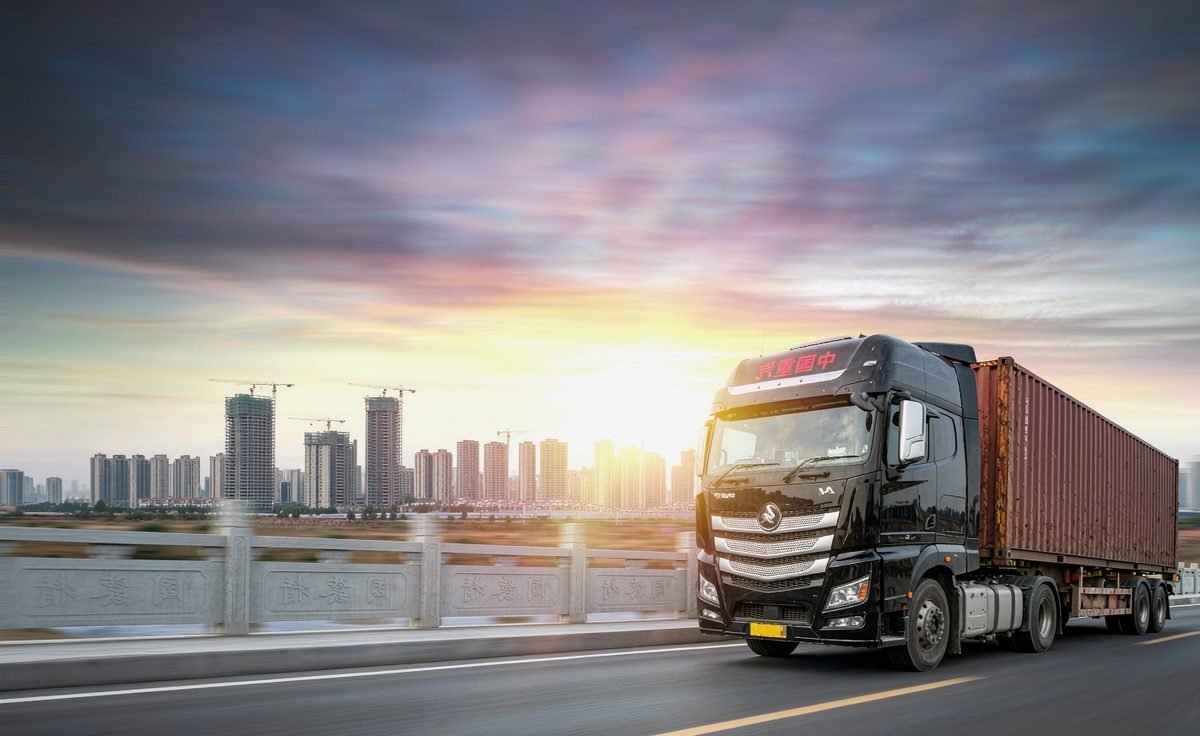
What Are the Routing Options from Shenzhen to Rotterdam?
The lane is dominated by direct strings, but the risk environment around Suez has added routing decisions that did not exist a few years ago:
| Pattern | Carriers (examples) | Transit | When it fits |
|---|---|---|---|
| Direct via Suez | MSC, Maersk, CMA CGM, COSCO, ONE, Hapag-Lloyd | 28–30 days | Default; strongest weekly frequency |
| Via Cape of Good Hope | Same carriers during risk periods | 38–44 days | When Suez transits are suspended or restricted |
| Indirect via Singapore hub | Hub-and-spoke services | 34–40 days | Occasional keener pricing; more variance |
Because Rotterdam sits early in most loops' European rotation, cargo loaded at Yantian (a late-Asia call) crosses in one leg with no European relay. Reliability matters more on this lane than on most — string delays compound over 20,000 km — so we track schedule performance via Sea-Intelligence and current fleet deployment commentary from Alphaliner before committing delivery dates.
How Long Does Shipping from Shenzhen to Rotterdam Take Door to Door?
Plan the full chain, not just the ocean leg:
| Stage | Typical duration | Notes |
|---|---|---|
| Supplier pickup + CY delivery (Yantian/Shekou) | 3–7 days | Includes labeling, ISPM-15 pallets, SI submission |
| Ocean transit via Suez | 28–30 days | Cape routing adds 10–14 days when triggered |
| Terminal + customs release (Rotterdam) | 2–4 days | Among Europe's fastest clearance environments |
| Hinterland delivery | 0–4 days | Barge to Germany 2–4 days; trucking NL/Belgium same/next day |
Realistic door-to-door: 36–45 days. Live positions on MarineTraffic; for how this compares across European gateways, our base ports transit comparison has the port-by-port breakdown.
How Much Does Shenzhen to Rotterdam Freight Cost?
Rotterdam typically prices at or slightly below Hamburg — volume, competition among the port's deep-sea terminals and the port's throughput keep origin-to-Rotterdam rates keen. November 2026 indicative all-in levels:
| Option | Indicative rate | Includes | Best for |
|---|---|---|---|
| 20GP | $1,200–$1,750 | Ocean + origin THC + docs | Heavy cargo bound for Rhine corridor |
| 40HC | $1,850–$2,650 | Ocean + origin THC + docs | Retail replenishment, furniture, appliances |
| LCL | $50–$80/CBM | Ocean + origin CFS | 2–14 CBM; competitive NL destination charges |
| Air freight SZX→AMS | $4.0–$5.8/kg | Airport to airport | Urgent replenishment into NL/DE |
For market direction, Drewry's WCI assesses Shanghai–Rotterdam weekly — it is the benchmark North Europe index — and Xeneta publishes contract-vs-spot spreads if you negotiate term deals. Quote hygiene: confirm whether the quoted rate bundles origin THC, documentation, ENS and sealing, and get the Rotterdam destination schedule (DO, terminal, CFS) in writing — our "too cheap" quote checklist flags the patterns that signal trouble.
What Taxes and Rules Apply When Importing via Rotterdam?
The Netherlands is one of Europe's most importer-friendly customs environments, with one standout feature: Article 23 VAT deferment.
| Item | Typical level | Notes |
|---|---|---|
| EU customs duty | 0–12% typical for consumer goods | EU common tariff; HS code driven |
| Import VAT | 21% | Deferred under Article 23 license — declared, not paid at border |
| Broker fee | €35–€85/entry | Fixed-fee declarations common at Rotterdam |
| Port destination charges | €150–€350 | Terminal, DO and handling; ask for the schedule |
Compliance stack for a Shenzhen box: commercial invoice, packing list, B/L or sea waybill, certificate of origin where commercially relevant, the ENS declaration filed pre-loading (our AMS/ENS guide explains the data set), ISPM-15 wood packaging, and CE marking on regulated products before sale. The EU-level rules live at the TAXUD customs portal. If your goods continue to another EU country, the customs entry at Rotterdam covers the whole union — no second border — which is precisely why Germany-bound cargo often clears here. Broader VAT/EORI context is in our shipping to the EU guide.
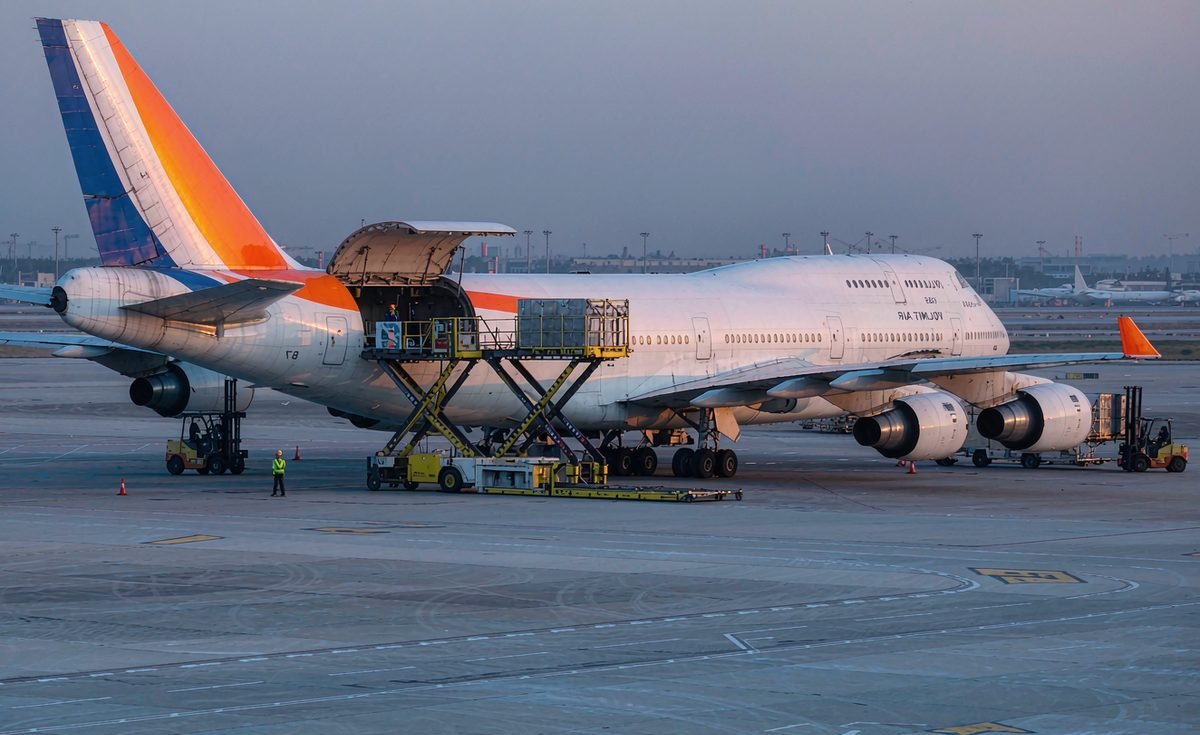
Mini-case: German e-commerce seller consolidates at Rotterdam, September–October 2026
A Cologne-based seller imported from seven Shenzhen and Dongguan suppliers, previously trucking each import from Hamburg (€850–€1,100 per move). We consolidated the flow: all boxes on direct 29-day strings to Rotterdam, customs entry with the seller's Article 23 license, then a weekly barge departure up the Rhine to a Duisburg warehouse serving the region. Barge cost roughly €320 per container, and the VAT deferment released about €9,000 per container cycle from cash-flow. Combined with consolidation savings of the kind we describe in our multi-supplier consolidation guide, landed cost per CBM fell 14% in one quarter.
When Should You Book Shenzhen–Rotterdam Space?
Two seasonal rules. First, the pre-CNY wave: factories wind down for CNY in February 2027, and December sailings sell out earliest on North Europe strings — book 3–4 weeks before CY cut-off from December onward, using our pre-CNY preparation checklist. Second, the summer-Q4 replenishment cycle: European retailers build stock ahead of Black Friday, tightening October strings. November 2026, sitting between those peaks, is a negotiating window: space is available and carriers are open to discounted commitments — exactly the kind we list on our weekly rates page.
For the full Dutch-gateway context — terminals, VAT mechanics, air options — see our complete China to Netherlands shipping guide.
Frequently Asked Questions
How long does shipping from Shenzhen to Rotterdam take?
Direct services from Yantian or Shekou to Rotterdam via the Suez Canal run about 28–30 days port to port — among the fastest Asia–North Europe transits because Rotterdam is typically a first-call European port. Cape of Good Hope reroutings add roughly 10–14 days.
What does a 40HC from Shenzhen to Rotterdam cost?
Indicative November 2026 all-in rates are roughly $1,850–$2,650 per 40HC and $1,200–$1,750 per 20GP from Yantian/Shekou, including origin THC. LCL consolidation runs $50–$80 per CBM. Rotterdam typically prices at or slightly below Hamburg on identical strings.
What is the ENS filing and when is it due?
The EU Entry Summary Declaration must reach the first port of call at least 24 hours before loading in China. Carriers or forwarders file it, but data must match the bill of lading exactly — mismatches are the main cause of EU border holds we see.
How does Dutch import VAT work?
Standard import VAT is 21% on CIF-plus-duty value, but the Netherlands offers an Article 23 VAT deferment license: licensed importers do not pay VAT at the border and instead declare it in their periodic return — a major cash-flow advantage for high-volume importers.
Is Rotterdam the right entry port for delivery outside the Netherlands?
Often yes. Europe's largest container port has unmatched barge, rail and shortsea connections into Germany, France, the UK and Central Europe. For destinations in Germany's northwest or the Rhine corridor, clearing at Rotterdam and moving by barge frequently beats trucking from other gateways.
Inside the Port: Terminals and the Arrival Sequence at Rotterdam
Rotterdam's deep-water terminals on the Maasvlakte handle the largest Asia-service vessels with a degree of automation few other European ports match, which is why discharge performance on this lane is consistently strong. The arrival sequence runs through Portbase, the Dutch port community system: the terminal pre-announces the container, customs status is registered, and the container is released against a PIN or credential handed to the trucker — a mechanism that works well but has also attracted fraud, so release instructions should only ever be verified through your forwarder's official channel, never from an unsolicited email. Free time at Rotterdam terminals is short, typically three to five days, and demurrage starts without ceremony after that; because Rotterdam is a first call on most strings, there is no excuse for the trucking appointment not being booked before the vessel berths. Importers who treat the port arrival as a pre-planned event rather than a notification get containers out the gate inside 48 hours on this lane.
Customs Inspections at Rotterdam: Scans, Exams and How to Reduce Risk
Dutch customs selects a share of containers for control even on the cleanest declarations, and knowing the mechanics removes most of the anxiety. A scan control — the container passes an X-ray gate — usually adds one to three days and modest handling costs. A physical exam, where the box is opened and contents inspected, runs three to seven days plus fees for the unloading, inspection attendance and re-stuffing. Selection algorithms weight risk: vague goods descriptions, invoice values that sit far from market norms for the commodity, HS codes inconsistent with the cargo, or a declarant with a thin history all raise the odds. The mitigation list is short and boring, which is the point — accurate and consistent declaration data, an EORI that is active, the Article 23 VAT licence in place before arrival, and pre-lodged entries from a broker rather than documents assembled after berthing. None of it guarantees exemption from a scan, but together it keeps the typical Rotterdam clearance inside a day or two of discharge.
Booking Rhythm: Sailing Days and Cut-Off Discipline
Rotterdam strings out of Shenzhen run on a fixed weekly cadence, and the booking rhythm is built backwards from the sailing day. Factory pickup and stuffing land early in the cut-off week; VGM submission and the shipping instruction follow; the documentation cut-off typically closes three to four days before ETD, after which late changes carry amendment fees at best and a roll at worst. The single most common self-inflicted delay we see is a VGM that arrives after the carrier's deadline because the factory weighed the container the same day it gated in — weigh and declare a day earlier and the problem disappears. LCL shippers have a parallel rhythm: our Shenzhen CFS closes the consolidation one to two days before the sailing, so cartons need to reach the warehouse ahead of that, not on the day. Importers who internalize this drumbeat — pickup, VGM, docs, gate-in, sail — almost never meet a cut-off they cannot keep, and their rate per box reflects the reliability as much as the market does.
One more habit worth building: review the sailing confirmation the day it lands. Vessel name, ETD, transhipment flags and the cut-off schedule are all on it, and mismatches with what your factory was told are cheapest to fix before pickup day — not after the container is stuffed and the clock is running.
- Shipping from Shenzhen to Lagos: Rates, Transit Times & Booking Guide
- Shipping from Qingdao to Rotterdam: Rates, Transit Times & Booking Guide
- Shipping from Ningbo to Rotterdam: Rates, Transit Times & Booking Guide
- Shipping from Xiamen to Rotterdam: Rates, Transit Times & Booking Guide
- Shipping from Shenzhen to Mumbai: Rates, Transit Times & Booking Guide
- Shipping from Tianjin to Rotterdam: Rates, Transit Times & Booking Guide
Get Today's Rate & Lock Your Discount
Waymore Shipping offers FCL & LCL ocean freight from every major port in China — Shanghai, Ningbo, Shenzhen, Guangzhou, Qingdao, Xiamen, Tianjin and more. Rates updated weekly with carrier discounts.