Shipping from Shenzhen to Sydney: Rates, Transit Times & Booking Guide (2026)
Sea freight from Shenzhen to Sydney takes 12–16 days on a direct service to Port Botany, with indicative 40HC rates of $1,050–$1,600 and LCL cargo at $32–$50 per CBM as of November 2026. It's one of the shorter major-lane transits from South China, but Australia compensates with the world's strictest biosecurity regime: a dirty container or untreated timber crate can cost more in DAFF interventions than the ocean freight itself. This guide covers the transit and rate picture, the biosecurity and ChAFTA paperwork that makes or breaks landed cost, and the booking cadence that keeps Port Botany cargo moving.

- Direct transit Yantian/Shekou → Port Botany: 12–16 days; door to door 18–24 days including biosecurity and customs.
- Indicative November 2026 rates: 40HC $1,050–$1,600, 20GP $650–$950, LCL $32–$50/CBM.
- Australia's biosafety regime (DAFF/BICON) is the #1 cost risk: clean containers, ISPM-15-compliant and appropriately treated timber, and honest packing declarations.
- ChAFTA certificate of origin makes most Chinese goods duty-free — without it you pay general rates up to 5%.
- 10% GST applies on the value-plus-duty base; importers can defer GST via the deferred GST scheme to protect cash flow.
Transit Times: Shenzhen to Sydney
The Australia–Asia trade runs on strings that typically call two or three Chinese ports before crossing, and Shenzhen's Yantian and Shekou terminals both see weekly direct calls to Port Botany. Many services make Botany their first Australian port of call, which is an advantage — cargo discharges immediately rather than waiting out an Melbourne or Brisbane call first.
| Service option | Port-to-port time | Notes |
|---|---|---|
| Yantian → Port Botany (direct) | 12–16 days | Weekly; most services call Botany first in Australia |
| Shekou → Port Botany (direct) | 13–17 days | Weekly; handy for Bao'an/Nanshan factories |
| Tranship via Singapore or Brisbane | 18–24 days | Only when direct space is tight; extra handling |
| Air freight SZX → SYD | 2–4 days door to door | Samples, urgent retail replenishment, high-value goods |
Door to door, plan 18–24 days from Guangdong factory pickup to a Sydney warehouse (Botany, Wetherill Park, or the Smithfield industrial belt). Add 2–4 days if the consignment is directed for a biosecurity inspection, and another 2–3 if steam cleaning is ordered — which is exactly why container cleanliness at stuffing, covered below, pays for itself. Historical schedule performance and delay patterns for this lane are covered in our guide to China–Australia transit times, ports and schedules.
Indicative Rates: November 2026
Oceania remains a smaller trade than Asia–Europe or transpacific, and rates have been comparatively stable this year. The bands below are indicative November 2026 levels for standard dry cargo; for market direction we track indices such as the Drewry World Container Index alongside carrier rate announcements.
| Cargo type | Indicative rate (Nov 2026) | Notes |
|---|---|---|
| 20GP, Yantian → Port Botany | $650–$950 | All-in ocean + surcharges, port to port |
| 40HC, Yantian → Port Botany | $1,050–$1,600 | Best per-CBM economics for full loads |
| 40HC, Shekou → Port Botany | $1,070–$1,620 | Same market; choose by factory trucking route |
| LCL, Shenzhen CFS → Sydney CFS | $32–$50 per CBM | Weekly consolidation; min ~1–2 CBM; +3–5 days for deconsolidation |
| Air freight, SZX → SYD | $3.40–$4.80 per kg | General cargo; biosecurity still applies to air cargo |
Two cost items loom larger than the ocean rate. First, destination charges and quarantine fees in Sydney are substantial and itemized: terminal handling, AQIS/biosecurity processing, and — if directed — inspection attendance and steam cleaning, which can add several hundred dollars per container. Second, the Australian stevedoring and empty-return ecosystem: container returns and slot bookings at Botany are managed tightly, and demurrage starts after short free time. We quote the full destination cost picture up front so the ocean rate is never a teaser. Peak-season bumps appear ahead of Australian retail's pre-Christmas build (book by late October for December floors) and, to a lesser extent, before Chinese New Year cuts sailings in late January.
Australia Biosecurity: The Compliance That Defines This Lane
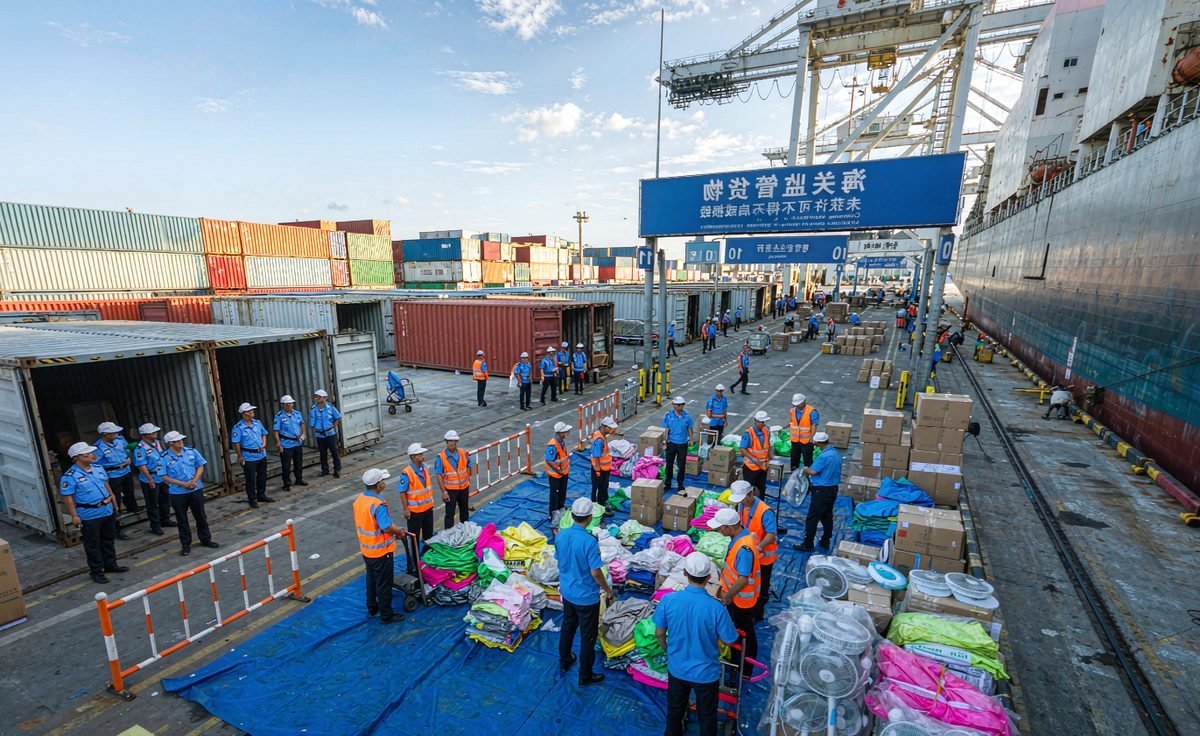
Every container entering Australia faces the Department of Agriculture, Fisheries and Forestry (DAFF) regime, administered through the BICON system. The rules are strict by design — Australia's agricultural industries depend on keeping out pests, soil and plant diseases. For a Shenzhen shipper, three checkpoints matter most:
| Checkpoint | Requirement | What goes wrong |
|---|---|---|
| Container exterior & interior | Free of soil, plant residue, insects, snails | Vessels loading in humid South China months collect contaminants; a directed steam clean costs $300–$600 plus delay |
| Timber packaging | ISPM-15 heat-treated and stamped; bark-free | Re-used or unstamped pallets/crates trigger treatment or re-export; plastic pallets sidestep the issue entirely |
| Packing declaration | Honest declaration of packaging materials and container cleanliness | False declarations void insurance arguments and compound penalties when DAFF inspects |
Practical steps we build into every Shenzhen booking: sweep and inspect the container before stuffing (daylight inspection of the floor and walls), photograph the empty box, use only stamped heat-treated timber, and complete the packing declaration at the yard rather than from the office. For sensitive categories — food, seeds, wooden furniture, machinery with residual soil — check the import conditions in BICON before ordering production, because some goods need import permits or on-arrival treatment booked in advance.
Customs, ChAFTA and GST
Australia's customs side is comparatively friendly, and two structures define the landed-cost math:
- ChAFTA duty-free entry: Under the China–Australia Free Trade Agreement, most Chinese-origin goods with a valid ChAFTA certificate of origin enter at a 0% tariff. Without the certificate, general rates of up to 5% apply to many categories. The certificate is issued in China (through CCPIT or customs channels) — obtain it before ETD, not after, since retrospective claims are a hassle. Note the origin rules are product-specific; simple transhipment or light finishing doesn't confer Chinese origin.
- 10% GST with deferral option: GST applies on the customs value plus duty plus certain transport costs. Importers registered for the deferred GST scheme report and recover the GST on their BAS instead of paying at the border — the Australian equivalent of the UK's postponed VAT accounting and a major cash-flow benefit. B2B imports under AUD 1,000 are GST-free at the border under the low-value goods rules, which shift the GST obligation to the merchant side.
The import declaration itself is lodged through the Integrated Cargo System by your licensed customs broker, typically with the "full import declaration" for consignments above AUD 1,000 in value. Have ready: commercial invoice, packing list, B/L, ChAFTA COO, packing declaration, and any product-specific certifications. Our step-by-step walkthrough in China–Australia customs clearance: documents, duties and process covers each item and the broker lodgement sequence.
LCL from Shenzhen to Sydney: When It Beats an FCL
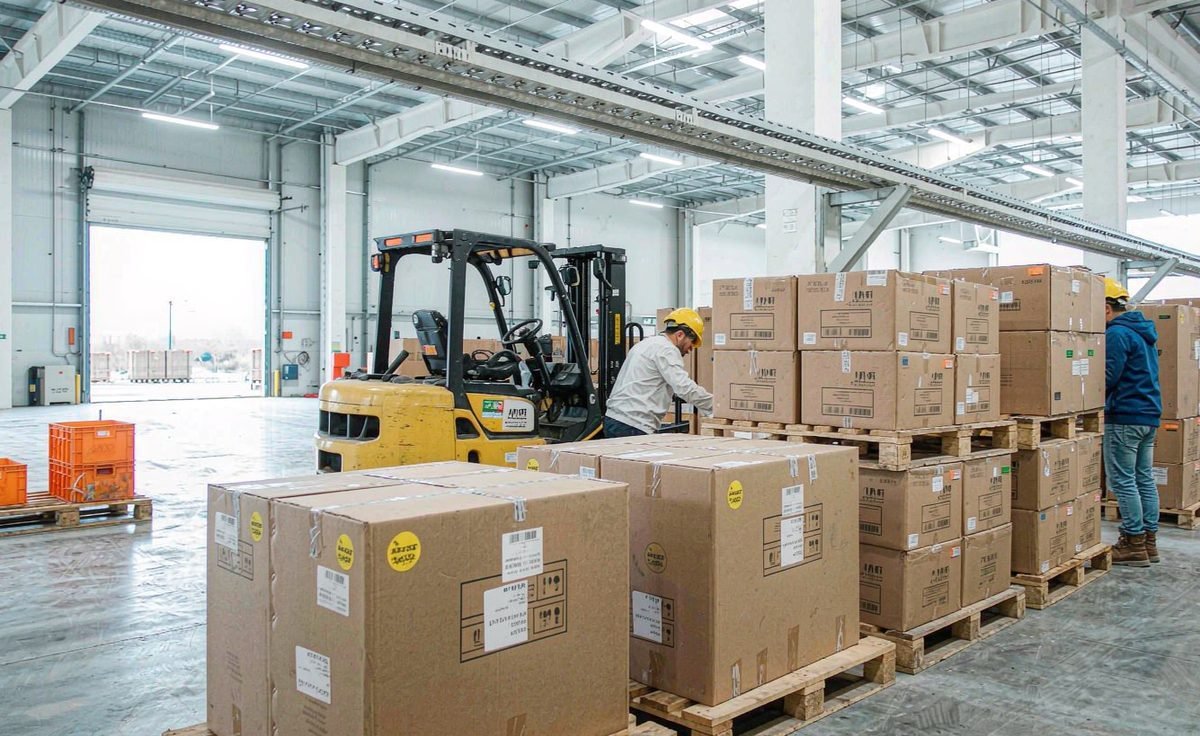
Below roughly 13–14 CBM, our weekly Shenzhen–Sydney LCL consolidation is usually cheaper than a 20GP — and, uniquely on this lane, often safer, because the consolidator's professionally packed CFS container is less likely to trigger a biosecurity direction than a mixed self-stuff. The trade-offs: deconsolidation in Sydney adds 3–5 days, destination charges are per-CBM (quoted up front), and any biosecurity hold on the consolidated box affects everyone in it — which is exactly why our CFS enforces the same cleanliness and timber standards we apply to FCL. Above ~14 CBM or ~6 tonnes, move to FCL.
Mini-Case: Brisbane-Adjacent Furniture Retailer, 4×40HC of Flat-Pack Furniture
In August 2026, a Queensland furniture retailer shipping four 40HCs of flat-pack timber furniture from Shenzhen was quoted delivery into their Brisbane-adjacent DC ahead of a Father's Day retail push. Timber furniture is one of the most biosecurity-sensitive commodities Australia imports, and two prior shipments with another forwarder had drawn inspection directions over unstamped crate timber. We re-engineered the packaging spec with the factory — ISPM-15-stamped timber only, photographs of every pallet stamp before stuffing, and a documented empty-container inspection at our Yantian yard — then booked all four boxes on a direct Yantian string that discharges at Botany first. Three containers cleared with no biosecurity intervention; the fourth drew a routine inspection that passed in under 24 hours because the packing declaration matched the photographed evidence. All four made the retail window, and the documented pack process has since become the customer's standing factory requirement.
Booking Checklist: Shenzhen to Sydney
- T-25 days: confirm Incoterms, BICON import conditions for the product, and ChAFTA origin eligibility; appoint the Australian customs broker.
- T-21 days: book the direct Yantian/Shekou string; confirm the Botany-first discharge schedule.
- T-14 days: obtain the ChAFTA certificate of origin; verify ISPM-15 pallet stock and packing declaration template with the factory.
- T-7 days: factory pickup; empty-container inspection and sweep; stuffing with photo documentation; VGM and documentation cut-off.
- Arrival −5 days: pre-alert documents to the Sydney agent; book delivery slot; confirm free time and any DAFF attendance arrangements.
- Arrival: import declaration and biosecurity assessment; release and drayage to the NSW warehouse.
If you're considering DDP terms into Australia, read our guide on DDP shipping from China to Australia: costs, rules and pitfalls — the biosecurity obligations don't transfer with the Incoterm, so the packing spec still has to be right at the factory.
A note on destination charges at Botany
Beyond the ocean rate, Sydney destination costs include the terminal's infrastructure access fee, biosecurity processing charges, delivery slot fees and, where applicable, inspection attendance — each itemized on our quotations. Comparing two quotes on ocean freight alone is how importers end up paying the difference threefold at the gate; always compare the full landed picture to your NSW warehouse door.
- Shipping from Shenzhen to London: Rates, Transit Times & Booking Guide (2026)
- Shipping from Shenzhen to Dubai: Rates, Transit Times & Booking Guide (2026)
- Shipping from Guangzhou to Sydney: Rates, Transit Times & Booking Guide
- Shipping from Shenzhen to Mumbai: Rates, Transit Times & Booking Guide
- Shipping from Ningbo to Sydney: Rates, Transit Times & Booking Guide
- Shipping from Shenzhen to Lagos: Rates, Transit Times & Booking Guide
FAQ: Shipping from Shenzhen to Sydney
How long does sea freight from Shenzhen to Sydney take?
Direct services from Yantian or Shekou to Port Botany take about 12–16 days port to port. With biosecurity checks, customs clearance and delivery, expect 18–24 days door to door.
How much does a 40ft container from Shenzhen to Sydney cost?
As of November 2026, indicative all-in rates for a 40HC from Shenzhen to Port Botany run roughly $1,050–$1,600, with 20GP at $650–$950 and LCL cargo at about $32–$50 per CBM.
Why is Australia strict about container cleanliness?
The Department of Agriculture, Fisheries and Forestry enforces some of the world's toughest biosecurity rules. Containers with soil, plant matter, insect contamination or untreated timber packaging can be directed for inspection, steam cleaning or re-export — at the importer's cost.
Do I pay GST on goods imported from China to Australia?
Yes — 10% GST applies to the customs value plus duty and freight. Low-value imported goods are covered by the GST on low-value imported goods rules when sold to Australian consumers, but business-to-business imports above AUD 1,000 clear through the import declaration with GST payable or deferred.
Do Chinese goods enter Australia duty-free?
Most Chinese-origin goods enter Australia duty-free under the ChAFTA free trade agreement, provided a ChAFTA certificate of origin is presented. Without it, general tariff rates of up to 5% apply to many categories.
Rates and transit times in this article are indicative market observations as of the last-updated date and do not constitute a binding offer. Request a live quote for firm pricing.
Get Your China Shipping Quote Today
Waymore Shipping moves FCL and LCL cargo from every major Chinese port — Shanghai, Ningbo, Shenzhen, Qingdao, Xiamen and more — to doorsteps worldwide. Compare today’s discounted rates or request a free, no-obligation quote tailored to your lane.