Shipping from Shenzhen to Dubai: Rates, Transit Times & Booking Guide (2026)
Sea freight from Shenzhen to Dubai takes 17–21 days on a direct service to Jebel Ali, with indicative 40HC rates of $1,100–$1,700 and LCL cargo at $28–$45 per CBM as of November 2026. The Shenzhen–Jebel Ali run is one of the most competitive lanes out of South China — multiple carriers, weekly frequency, and a hub port that also feeds re-export across the Gulf, East Africa and the Indian Subcontinent. What separates a smooth shipment from an expensive one here is rarely the ocean leg; it is document attestation, the 5% GCC duty calculation on CIF value, and timing your booking around Ramadan and Eid. This guide covers all three, plus the port and inland choices inside the UAE.
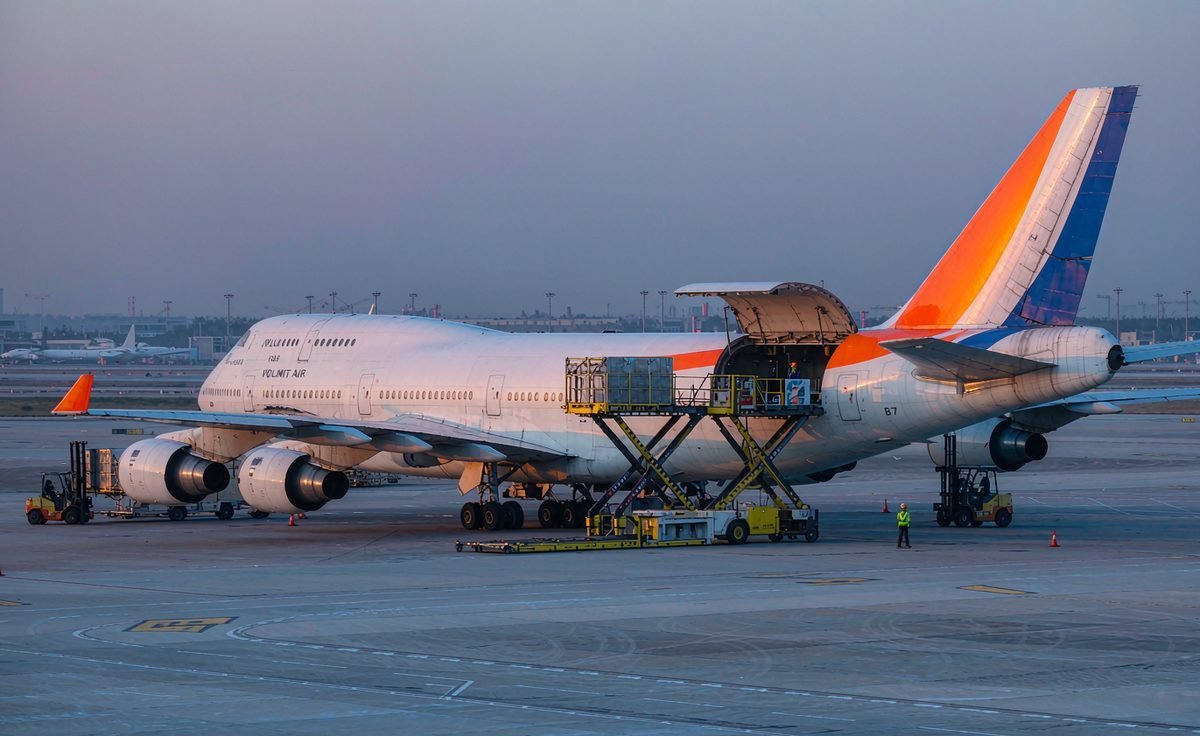
- Direct transit Yantian/Shekou → Jebel Ali: 17–21 days; door to door across the UAE in 22–27 days.
- Indicative November 2026 rates: 40HC $1,100–$1,700, 20GP $700–$1,000, LCL $28–$45/CBM.
- UAE duty is a flat 5% on CIF value for most goods under the GCC common tariff — customs value includes freight, not just goods value.
- Arabic-language or attested invoices and certificates of origin are frequently required by Dubai banks and consignees — start attestation early.
- Ramadan/Eid 2027 compresses the Gulf buying season: book mid-February sailings 2–3 weeks ahead of your usual cadence.
Transit Times: Shenzhen to Dubai
Most Shenzhen–Dubai volume moves on direct loops calling Jebel Ali, departing from Yantian and Shekou weekly. A smaller number of services route via Singapore or Colombo; transhipment adds 4–7 days and one more handling cycle, which matters for fragile or high-value cargo.
| Service option | Port-to-port time | Frequency / notes |
|---|---|---|
| Yantian → Jebel Ali (direct) | 17–21 days | Weekly; fastest and safest option for most cargo |
| Shekou → Jebel Ali (direct) | 18–22 days | Weekly; convenient for Bao'an and Nanshan factories |
| Via Singapore/Colombo (tranship) | 23–28 days | Useful when direct space is tight; extra handling risk |
| Air freight SZX → DXB | 2–4 days door to door | Urgent replenishment, samples, high-value electronics |
Door to door from a Guangdong factory to a Dubai warehouse (Jebel Ali free zone, Al Quoz, or Dubai South), budget 22–27 days all-in. Deliveries into Abu Dhabi or the Northern Emirates (Sharjah, Ajman, RAK) add 1–2 days of drayage. Note that Jebel Ali's free-zone (JAFZA) cargo and mainland cargo clear through different processes — if your buyer is a free-zone company, confirm whether the goods stay in the zone (transit, minimal paperwork) or enter the UAE mainland (full customs entry plus 5% VAT registration handling on the importer's side). Our lane overview in China–UAE transit times, ports and schedules explains how each string performs through the year.
Indicative Rates: November 2026
The Asia–Middle East trade has been one of the softer major lanes this year, with carriers pushing volume through the Gulf hub. The bands below reflect live November 2026 quotes on standard dry cargo; for market context we track the same indices that move this route, such as the Drewry World Container Index and freight-forwarder rate benchmarks like Freightos Baltic Index (FBX).
| Cargo type | Indicative rate (Nov 2026) | Notes |
|---|---|---|
| 20GP, Yantian → Jebel Ali | $700–$1,000 | All-in ocean + surcharges, port to port |
| 40HC, Yantian → Jebel Ali | $1,100–$1,700 | Best per-CBM economics for full loads |
| 40HC, Shekou → Jebel Ali | $1,120–$1,720 | Effectively the same market; choose by trucking convenience |
| LCL, Shenzhen CFS → Dubai CFS | $28–$45 per CBM | Weekly consolidation; min ~1–2 CBM |
| Air freight, SZX → DXB | $2.60–$3.90 per kg | General cargo; +1–2 days for airport handling |
Watch three cost items that matter on this lane. First, destination charges at Jebel Ali are quoted separately by terminals and agents, and free time is short — typically 3–5 days — before storage starts. Second, document attestation through the UAE embassy and MOFA channels costs a modest fee per document but can take 3–7 working days; build it into your pre-shipment timeline, not after ETD. Third, Eid and Gulf seasonality: rates and space tighten 4–6 weeks before Eid al-Fitr and again before the Dubai Shopping Festival build-up in Q4. For cargo re-exported from Jebel Ali to Saudi Arabia or East Africa, ask us about through-B/L options so the onward leg is priced and papered from Shenzhen in one booking.

UAE Customs: Duty, Documents and Attestation
The UAE runs one of the simpler major customs regimes, but the details trip up first-time importers:
| Item | Rule | Practical note |
|---|---|---|
| Import duty | Standard 5% of CIF value (GCC common tariff) | Higher rates on tobacco, alcohol; excise tax on certain categories (energy drinks, e-cigarettes, sweetened beverages) |
| VAT | 5% UAE VAT on imports | Registered businesses recover it via input tax; free-zone handling differs |
| Commercial invoice | Must state goods value, HS codes, Incoterms; Arabic translation often requested | Values are checked against the CIF declaration — under-invoicing risks reassessment |
| Certificate of origin | Issued by CCPIT in China; attestation via UAE channels when required | Start attestation before ETD; it is the most common last-minute delay |
| Product approvals | ESMA/MOIAT conformity for regulated goods; Dubai Municipality for food and cosmetics | Verify at factory stage — approval certificates take weeks, not days |
| Consignee requirements | Importer code / customs registration of the UAE consignee | Confirm your buyer's registration is active before booking |
Two UAE-specific habits save our clients money and time. First, because duty is assessed on CIF value, freight rate changes move the duty base — a $500 lower ocean rate saves $25 in duty, which is one reason the current soft rate environment is a good time to ship bigger replenishment cycles. Second, attestation is a workflow, not a formality: the invoice and COO usually pass through CCPIT, then UAE embassy legalization in China, then MOFA on the UAE side where the consignee needs it for bank release. Ship the document set digitally as soon as documents issue, in parallel with the cargo, and the release happens the day the vessel berths instead of a week later. The full document-by-document process is in our guide to China–UAE customs clearance: documents, duties and process.
Timing the Lane: Ramadan, Eid and the Gulf Calendar
The Gulf trade runs on a different clock than the West. Ramadan shifts about 11 days earlier each solar year — in 2027 it falls in late January through February — and it reshapes the lane twice: buying and retail activity surge in the weeks before, then port, government and bank operations slow during the Eid holidays themselves. The practical playbook we give importers:
- Book pre-Eid shipments 2–3 weeks earlier than your normal cycle; space tightens predictably.
- Finish attestation before Ramadan starts — embassy and ministry counters run reduced hours through the month.
- Don't schedule arrival on Eid week if your buyer can't take delivery; storage at Jebel Ali starts accruing after 3–5 free days.
- For re-export via Jebel Ali, remember the onward GCC legs pause over Eid too — pad the schedule.
Our article on Eid and Ramadan shipping rhythms for Middle East lanes maps the annual calendar against booking deadlines for Shenzhen sailings.
Mini-Case: Dubai Building-Materials Trader, 6×40HC of Tiles
In October 2026, a Dubai trading company buying ceramic floor tiles from Foshan — trucked into our Shekou consolidation yard — needed six 40HCs delivered to a JAFZA warehouse in time for a project handover in early December, with their bank requiring attested invoices for each shipment. The tightest constraint was attestation: three document sets were still at the factory when the booking was made. We pulled the invoice and COO issue forward into the pre-shipment week, ran the CCPIT and embassy attestation in parallel rather than in sequence for two of the sets, and split the cargo across two weekly sailings so the first three containers — whose documents cleared fastest — arrived on the original schedule. All six containers discharged at Jebel Ali between day 18 and day 25, customs-cleared within 48 hours of arrival, and the project handover was met with four days to spare. The parallel-attestation move saved an estimated 6–8 days versus the client's previous sequential process.
Booking Checklist: Shenzhen to Dubai
- T-25 days: confirm Incoterms, consignee customs registration (mainland vs JAFZA), and whether attested documents are required.
- T-21 days: book the direct Yantian/Shekou string; lock the pre-Eid or pre-festival sailing if seasonal.
- T-14 days: issue invoice and COO; start CCPIT/embassy attestation in parallel with production of remaining documents.
- T-7 days: factory pickup, stuffing and VGM at Shekou or Yantian; documentation cut-off typically 3–4 days before ETD.
- Arrival −5 days: pre-alert full document set to the Dubai agent; confirm free time and delivery slot.
- Arrival: duty and VAT assessment on CIF value; release and drayage to JAFZA or mainland warehouse.
If you're weighing whether to sell on DDP terms into the UAE, see our analysis of DDP shipping from China to the UAE: costs, rules and pitfalls, including how the 5% duty-plus-VAT stack changes your quotation math.
Re-Export via Jebel Ali: The Gulf Hub Play
A large share of Shenzhen cargo into Jebel Ali never stays in the UAE: Dubai functions as the distribution hub for the wider Gulf, the Red Sea and East Africa. Goods that remain inside the free zone can move in transit without paying UAE duty, then ride the dense feeder network onward to GCC ports, the Indian Ocean islands and East African gateways. There are two structures to choose between at booking: a through bill of lading covering the whole journey from Shenzhen, with the onward leg priced and papered up front, or a destination split where the re-export is arranged after discharge by the Dubai agent. The through document costs more thinking at origin but removes the classic failure mode — cargo discharged in Dubai with no onward booking during a holiday period. Whichever structure you choose, the onward documentation is best prepared alongside the export documents in China, and remember that Eid pauses apply to the feeder legs too.
- Shipping from Shenzhen to London: Rates, Transit Times & Booking Guide (2026)
- Shipping from Shenzhen to Sydney: Rates, Transit Times & Booking Guide (2026)
- Shipping from Xiamen to Dubai: Rates, Transit Times & Booking Guide
- Shipping from Shanghai to Dubai: Rates, Transit Times & Booking Guide
- Shipping from Shenzhen to Hamburg: Rates, Transit Times & Booking Guide
- Shipping from Qingdao to Dubai: Rates, Transit Times & Booking Guide
FAQ: Shipping from Shenzhen to Dubai
How long does sea freight from Shenzhen to Dubai take?
Direct services from Yantian or Shekou to Jebel Ali take about 17–21 days port to port. With customs clearance and inland delivery, expect 22–27 days door to door. Air freight from Shenzhen reaches Dubai in 2–4 days.
How much does a 40ft container from Shenzhen to Dubai cost?
As of November 2026, indicative all-in rates for a 40HC from Shenzhen to Jebel Ali run roughly $1,100–$1,700, with 20GP at $700–$1,000 and LCL cargo at about $28–$45 per CBM.
What documents does UAE customs require for imports from China?
A commercial invoice, certificate of origin, packing list and bill of lading, attested as required by the importer's bank or consignee. Many Dubai buyers also want the invoice and COO legalized (chamber-stamped) before the vessel arrives.
What is the import duty rate in the UAE?
The GCC common tariff applies a standard 5% duty on the CIF value for most goods, with higher rates on tobacco, alcohol and some automotive items. Excise tax applies to specific categories such as energy drinks and e-cigarette products.
When should I avoid shipping to Dubai around holidays?
Ramadan and Eid al-Fitr compress UAE retail buying into a short window, and container volumes spike in the weeks before. Book 2–3 weeks earlier than usual, and expect slower government and port operations during the Eid holidays themselves.
Rates and transit times in this article are indicative market observations as of the last-updated date and do not constitute a binding offer. Request a live quote for firm pricing.
Get Your China Shipping Quote Today
Waymore Shipping moves FCL and LCL cargo from every major Chinese port — Shanghai, Ningbo, Shenzhen, Qingdao, Xiamen and more — to doorsteps worldwide. Compare today’s discounted rates or request a free, no-obligation quote tailored to your lane.