Shipping Steel & Metal Products from China: The Complete Exporter's Guide
- Steel and metal cargo is weight-limited, not volume-limited — a 20GP carrying ~25 t usually beats a half-empty 40HC on cost per tonne.
- Pipe lengths above ~11.9 m cannot be containerized; they need flat racks or break-bulk, which changes your cost structure entirely.
- Port choice matters: Qingdao and Tianjin for northern mills, Shanghai/Ningbo for the Yangtze cluster — inland trucking of steel is expensive per tonne.
- Packaging decisions (bundling, cradles, VCI, edge protection) drive both damage rates and destination handling cost.
- Destination weight limits (US roads, EU axles) can make a legally stuffed container undeliverable — plan payload with the final-mile in mind.
Shipping steel and metal products from China is a weight-and-handling game: most steel moves in 20GP containers loaded to 24–28 tonnes, with packaging, port selection and destination road limits doing more to determine cost and damage than the ocean rate itself. A container of steel coils handled wrong can cost more in claims than the freight.
Our Qingdao and Tianjin teams load hundreds of steel containers a quarter — coils, pipes, galvanized sheet, profiles, fasteners and machined parts. This guide condenses what we have learned about packaging, container selection, routing and the mistakes that cost importers money on every lane from Rotterdam to Santos.
What Types of Steel & Metal Cargo Ship from China?
Metal exports fall into a few handling families, and each one changes your packing plan:
| Cargo family | Typical products | Weight profile | Handling notes |
|---|---|---|---|
| Coils & sheet | Galvanized coil, cold-rolled sheet, prepainted coil | Very dense; 3–10 t per coil | Needs wooden cradles/skids; eye horizontal; chock and lash each coil |
| Long products | Pipes, tubes, rebar, angles, channels | Dense; length-critical | Bundled with steel strapping; ends capped; ≤11.9 m for containers |
| Profiles & extrusions | Aluminium extrusions, stainless sections | Medium; volume-fills | Paper/foam interleaving; often suits 40HC |
| Hardware & small parts | Fasteners, castings, fittings, brackets | Light per piece | Cartons on pallets or slip sheets; LCL-viable below ~2 t |
| Machined & fabricated | Valves, flanges, fabricated assemblies | Mixed; often irregular | Crated; point-load protection on container floor |
Which Container Should You Choose for Steel Cargo?
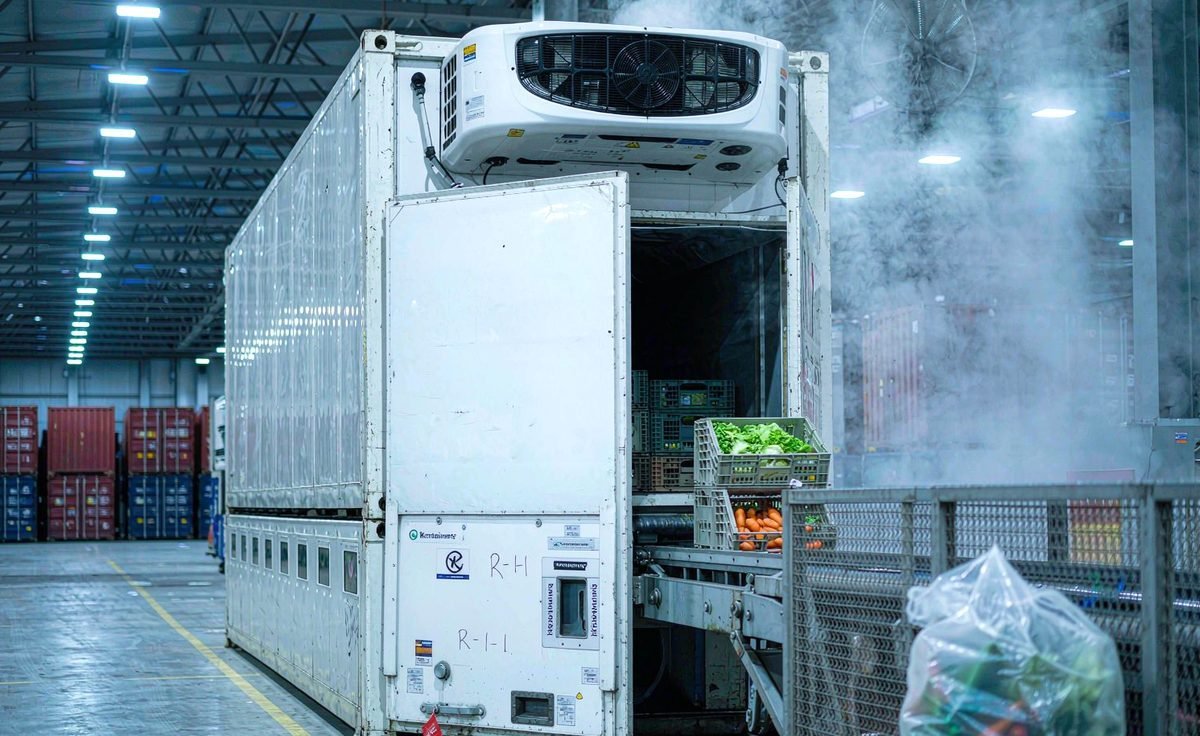
The rule of thumb: if your cargo exceeds about 8–10 tonnes, stop thinking in volume and think in weight. A 20GP offers ~28 t of payload and 33 CBM; a 40HC offers ~26–28 t of payload (often lower on weight-sensitive lanes) and 76 CBM. For dense steel, the 40HC's extra space is dead cost.
| Scenario | Right box | Why |
|---|---|---|
| 24 t of bundled steel pipes, 6 m lengths | 20GP | Weight-limited; 33 CBM is enough for ~26 CBM of bundles |
| 11.5 m pipes, 15 t | 40GP or 40HC | Internal length ~12 m; needs the long box |
| Aluminium extrusions, 8 t, 60 CBM | 40HC | Volume-limited, weight is fine |
| Fasteners and fittings, 1.5 t, 4 CBM | LCL | Below the FCL crossover |
| Coils 26 t total | 20GP ×1 or flat rack | Confirm cradle plan; some lanes cap payload at 24–26 t |
Our container choice guide and the 40ft capacity estimator break down the internal dimensions and payload math in detail.
Watch the Destination Road Limits, Not Just the Ocean Limits
A container can be legally stuffed in China and illegal on the road at destination. US interstate limits make payloads above roughly 19–20 tonnes hard to truck economically (drayage companies often cap at 43,000–44,000 lbs gross), while many EU and Middle East markets handle 26–28 t more easily. If your buyer will dray a full container to an inland warehouse in Ohio, plan ~19 t of cargo per 20GP even though the ocean side allows 28 t. Overweight permits and split drayage exist but cost USD 500–1,500 extra per move.
How Should Steel & Metal Products Be Packed?
Packaging is where importers save or lose the most. Our practical standards:
- Bundling: pipes, bars and sections strapped in bundles with steel banding plus edge guards; add timber dunnage layers between tiers so forklifts can handle each tier at destination.
- Coils: always on cradles or wooden skids, chocked and lashed — never loose. Coil cradles cost USD 30–80 each and prevent USD 3,000+ claims.
- Corrosion protection: VCI paper/film for bright-machined surfaces, protective oil for bare steel, and 3–6 container dry bags per box on lanes over 30 days. Galvanized and coated products travel far better than bare steel — see our desiccant & humidity guide.
- End protection: plastic or steel caps on pipe ends; cut ends are the top cause of "damaged on arrival" claims for tube cargo.
- Crating fabricated parts: machined surfaces crated with point-load spreaders so floor weight stays under ~2.5 t per floor contact zone.
Which Chinese Port Should Steel Ship From?
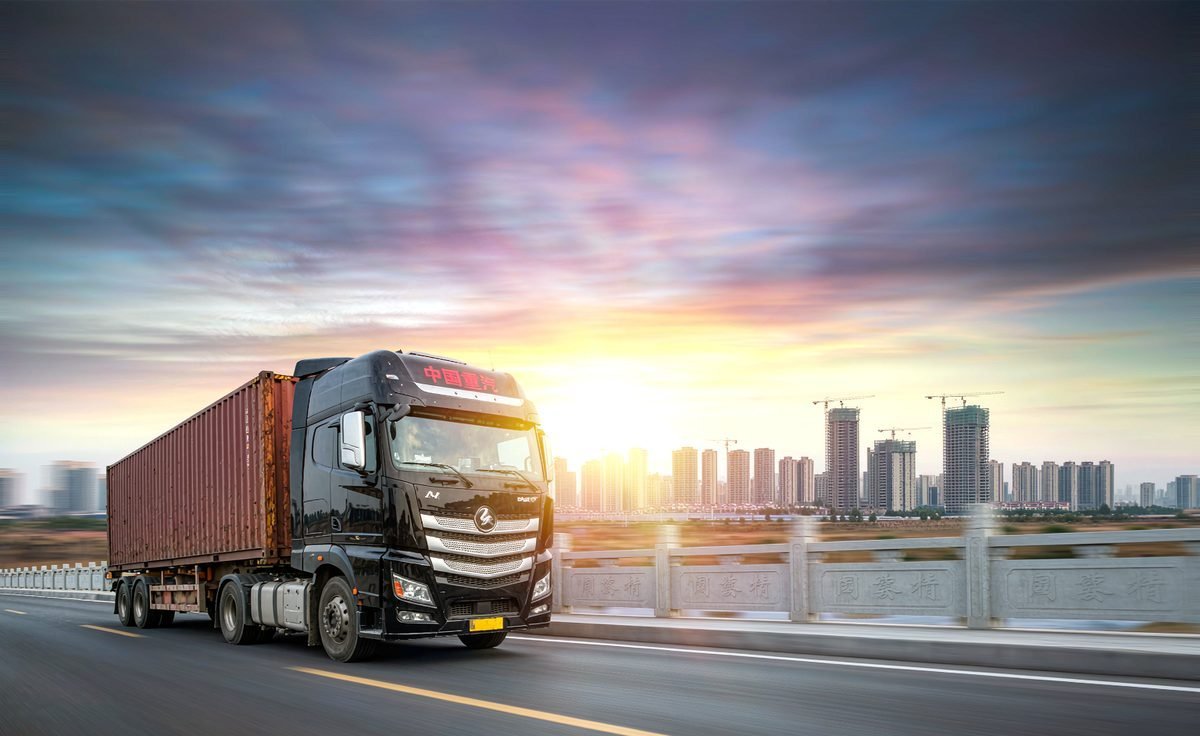
Steel clusters and ports map tightly together, and inland trucking costs money per tonne — roughly USD 8–15 per tonne per 200 km. Match the mill to the port:
| Production cluster | Best export port | Typical lanes |
|---|---|---|
| Hebei / Tangshan mills | Tianjin / Jingtang | SE Asia, Middle East, Africa |
| Shandong mills | Qingdao / Rizhao | Europe, Middle East, Americas |
| Yangtze Delta (Wuxi, Changzhou, Shanghai) | Shanghai / Zhangjiagang | Europe, US, Latin America |
| Zhejiang / Fujian processors | Ningbo / Xiamen | US West Coast, SE Asia |
| Guangdong fabrication | Shenzhen (Yantian/Shekou) / Guangzhou (Nansha) | US, EU, Australia |
| Northeast legacy mills | Dalian / Yingkou | Japan, Korea, intra-Asia |
For true bulk long products (rebar by the thousands of tonnes, rails, large sections), break-bulk and bulk carriers from Qingdao, Lianyungang or Rizhao often beat containerized options above 3,000–5,000 tonnes per lot. Below that, containers win on schedule reliability and port-pair flexibility — our oversized & out-of-gauge shipping guide covers the break-bulk crossover.
What Do Buyers Typically Get Wrong with Steel Shipments?
Mini-Case 1: The 12-Meter Pipe Order That Needed Flat Racks
A Gulf distributor ordered 12.0 m API line pipe from a Hebei mill. Ocean team booked 40HCs; the pipes didn't fit. Re-cutting was impossible (weld spec), so the cargo moved on two 40' flat racks at roughly 3× the container rate plus lashing survey fees — about USD 4,200 extra. Ordering 11.8 m lengths would have saved it entirely. Always fix pipe lengths against container internal dimensions before the mill casts the order.
Mini-Case 2: The Overstuffed 20GP That Couldn't Leave the Terminal
A US importer accepted 27 t of steel plate in a 20GP from Shanghai — perfectly legal at origin, then stuck in Long Beach because drayage refused the weight. Solution: split drayage plus overweight permit, USD 1,300 extra, two weeks late. Had the payload been capped at 19 t with the remainder in a second 20GP, total cost would have been lower and on-time.
Mini-Case 3: Rust Claim on a Rainy-Season Shipment
Bare bright-steel shafts shipped from Ningbo to Santos in February arrived with surface rust on the top tier — condensation from 40 days at sea plus a stuffed wet container. Claim settled at 8% of value, but the buyer's downtime cost more. Fix: VCI wrap plus six desiccant bags per container, USD 90 total. Read our cargo claim process guide so you know deadlines before you ever need them.
How Much Does It Cost to Ship Steel from China?
Indicative November 2026 FCL rate bands for dense steel loads (all-in origin-to-port at destination, excluding duties):
| Lane | 20GP indicative | Cost per tonne @25 t | Transit |
|---|---|---|---|
| Qingdao → Jebel Ali | USD 750–1,150 | USD 30–46 | 20–26 days |
| Shanghai → Rotterdam | USD 1,450–2,050 | USD 58–82 | 30–35 days |
| Tianjin → Los Angeles | USD 1,550–2,250 | USD 62–90 | 15–20 days |
| Shanghai → Santos | USD 2,250–3,100 | USD 90–124 | 38–45 days |
| Qingdao → Lagos | USD 2,350–3,250 | USD 94–130 | 38–42 days |
For context on weekly movement, the Drewry World Container Index tracks composite lane rates and is the reference most buyers use to sanity-check quotes. When a steel quote looks too good against the index, check what is excluded — our "too cheap" quote checklist helps.
How Should You Plan the Shipment Timeline?
- Order stage: confirm pipe lengths, coil weights and packaging spec against container limits; get the mill test certificates (MTC) list agreed.
- Booking: book 10–14 days before cut-off; heavy-weight boxes sometimes need carrier pre-approval on weight-limited lanes.
- Loading: attend or video-inspect stuffing — lashing photos are your best insurance evidence.
- Documents: invoice, packing list, B/L, CO and MTCs move together; buyers in regulated markets need them pre-arrival.
- Destination: confirm drayage weight limits and unloading method (crane? forklift? coil extractor?) before the vessel berths.
New to importing from China altogether? Start with our step-by-step import guide, and read the reasons destination customs runs slower than ocean transit so your steel doesn't sit accruing storage.
Frequently Asked Questions
What is the best container for shipping steel and metal products from China?
For dense cargo like coils, pipes and ingots, a 20GP is usually the right box: it carries about 28 tonnes of payload, matches most road weight limits, and costs less than a 40HC. Light, bulky metal goods such as aluminium extrusions, mesh panels or furniture frames fill a 40HC faster than they weigh it out.
How much steel fits in a 20-foot container?
Roughly 24–28 tonnes depending on the product and packaging: about 22–25 tonnes of bundled steel pipes, up to 27 tonnes of small bar stock palletized, or 24–26 tonnes of coils on cradles. The limit is usually weight, not volume — a 20GP has only 33 CBM of space, but steel rarely needs more.
Which Chinese ports are best for steel exports?
Qingdao and Tianjin dominate northern steel exports, Shanghai and Ningbo serve the Yangtze Delta cluster, and Zhangjiagang-area mills often ship via Shanghai. For long products and rails, break-bulk services from Qingdao and Lianyungang matter. Choose the port closest to the mill — inland trucking of steel is expensive per tonne.
Can steel pipes longer than 6 meters be containerized?
Yes, up to about 11.9 meters inside a 40GP/40HC, since the internal length is roughly 12 meters. Pipes longer than that must move as out-of-gauge cargo on flat racks or as break-bulk, which changes the cost structure completely. Plan lengths at the mill stage if you can — 11.8 m lengths fit, 12 m lengths do not.
Is LCL shipping suitable for steel and metal cargo?
Only for small, light lots such as hardware, fasteners or small machined parts below about 2 tonnes. Heavy steel in LCL is charged by revenue tonne and often costs more per tonne than a part-loaded FCL, plus handling risk rises. Dense cargo above 8–10 tonnes almost always justifies a dedicated 20GP.
How do you prevent corrosion of steel during ocean transit?
Use VCI paper or film inside packaging, apply protective oil or galvanizing where the spec allows, load desiccants or container dry bags, and avoid stuffing wet or condensing containers. Coated products (galvanized, painted, powder-coated) survive far better than bare bright steel on long lanes like China to South America.
- Shipping Stationery & Office Supplies from China: The Complete Exporter's Guide
- Shipping Auto Parts from China: The Complete Exporter's Guide
- Shipping Ceramics & Tableware from China: The Complete Exporter's Guide
- Shipping Furniture from China: The Exporter's Guide
- Shipping Home Appliances from China: The Complete Exporter's Guide
- Shipping Consumer Electronics from China: The Complete Exporter's Guide
Get Today's Rate & Lock Your Discount
Waymore Shipping offers FCL & LCL ocean freight from every major port in China — Shanghai, Ningbo, Shenzhen, Guangzhou, Qingdao, Xiamen, Tianjin and more. Rates updated weekly with carrier discounts.