Greener Shipping from China: Options for Eco-Minded Brands
- Ocean shipping emits roughly 10–25 g CO2e per tonne-km by industry estimates — tens of times less than air cargo (500 g+).
- The single biggest lever for most importers is mode discipline: reserve air freight for genuinely urgent stock, not routine replenishment.
- Consolidation cuts emissions and cost at the same time by raising container load factors — green and cheap rarely agree, but here they do.
- Packaging changes (right-sized cartons, less plastic) shrink both freight weight and waste.
- Avoid greenwashing: ask for per-shipment emission data with a stated methodology instead of generic offset badges.
Sustainable shipping from China comes down to a handful of practical choices: moving cargo by ocean rather than air wherever possible, consolidating shipments to maximize container load factors, cutting packaging waste, and using verified emission data instead of vague offset claims. Industry estimates put deep-sea container shipping at roughly 10–25 grams of CO2e per tonne-kilometre, versus 500 grams or more for long-haul air freight — so for most brands, the greenest decision is also the most boring one: plan earlier, ship by sea, and fill every container properly.
This article is written for brands and wholesalers who want their supply chain to support — not undermine — their sustainability story. We run consolidation programs from Shanghai, Ningbo, Shenzhen, and Guangzhou every week, and we will show you which green measures actually move the needle, which are marketing noise, and how to get numbers you can put in your own reporting without blushing.
What Does "Sustainable Shipping" Actually Mean in Practice?
Strip away the brochures and greener freight rests on four pillars:
- Mode choice: ocean over air, rail where geography allows, and shorter or more efficient routings.
- Utilization: fuller containers, fewer trips, smarter consolidation — emissions per unit fall as load factor rises.
- Materials: less and lighter packaging, recycled content, reusable pallets and dunnage.
- Accountability: measured emissions, transparent methodology, and credible reduction or compensation programs.
The regulatory backdrop is tightening too. The International Maritime Organization — the UN body governing shipping — has adopted progressively stricter greenhouse-gas measures for vessels, detailed on its site at imo.org, and carriers increasingly pass fuel-efficiency economics through to shippers. Meanwhile the UNCTAD Review of Maritime Transport tracks how trade volumes, fleet efficiency, and emissions interact year by year. The direction is unmistakable: emission performance is becoming part of freight procurement, not an afterthought.
How Much Lower Are Ocean Shipping Emissions Than Air Freight?
The mode table below compiles ranges commonly cited in industry estimates (for example, in carrier sustainability disclosures and UNCTAD analysis). Treat them as planning magnitudes, not audit-grade figures — actual emissions depend on vessel type, load factor, and routing.
| Mode | Indicative CO2e (g per tonne-km) | Transit, China → US/EU | Best used for |
|---|---|---|---|
| Deep-sea container (FCL) | ~10–25 | 28–40 days | Planned replenishment — the green default |
| LCL ocean (consolidated) | ~15–35 per tonne-km share | 30–45 days | Sub-container volumes, best when well consolidated |
| China–Europe rail | ~20–40 | 16–22 days | EU-bound cargo needing a speed/carbon middle ground |
| Truck (destination leg) | ~60–120 | — | Final delivery; shorter is better |
| Air freight | ~500–1,000+ | 5–10 days door to door | Genuine emergencies only |
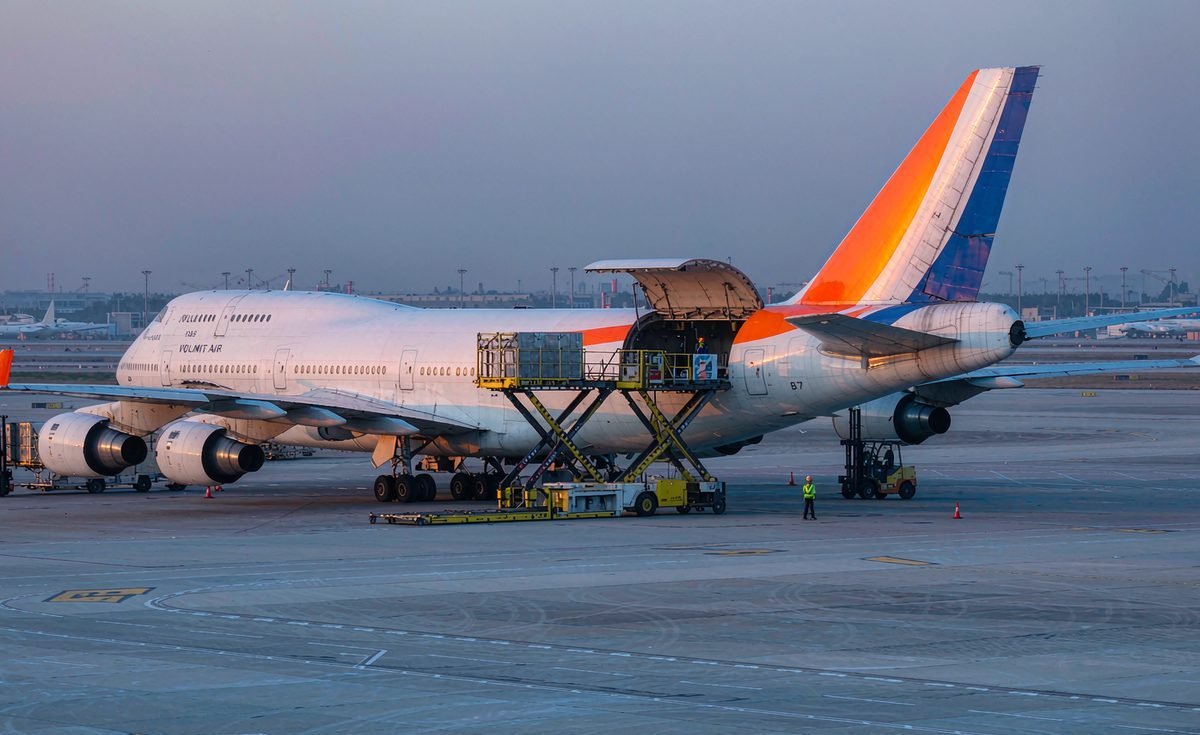
The practical takeaway is stark: one air-freighted pallet can outweigh the emissions of a full 40-foot container of the same product by sea. That does not mean air is forbidden — it means air should be a deliberate, budgeted exception for launch samples, stock-outs, and true emergencies, not the routine channel for whatever missed the boat. Brands that plan inventory against a realistic 30–40 day ocean lead time simply do not need much air freight, and their carbon reports show it.
Why Is Consolidation the Easiest Green Win?
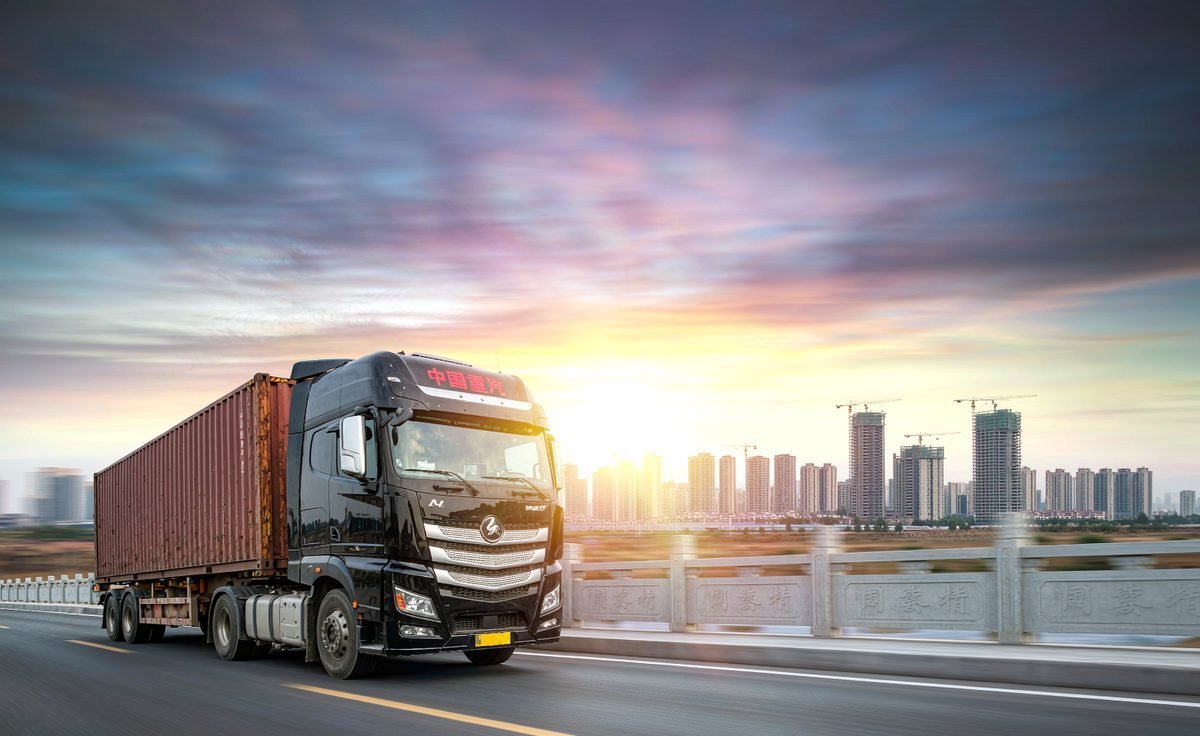
Consolidation is the rare sustainability measure that saves money instead of costing it. The mechanics are simple: instead of three suppliers each sending half-empty shipments on different vessels, trucks, and warehouses, one well-planned container carries everything. Per unit of product, you have just cut the ocean share of emissions, the drayage trips, and the packaging — often by double-digit percentages.
In a typical week we consolidate 40+ LCL shipments at our Shenzhen and Ningbo hubs, and the pattern we see with eco-minded clients is always the same: once they move from ad-hoc parcel and LCL bookings to a scheduled consolidation cycle (say, every two weeks per origin region), their freight emissions and their freight bill fall together. If your suppliers are spread across several Chinese cities, our guide to cargo consolidation from multiple suppliers explains the workflow in detail.
Two habits amplify the benefit:
- Ship cartons, not air. Ask suppliers for right-sized, uniform cartons. Loose packing wastes volume; wasted volume means more containers and more emissions per unit. The same discipline that improves your CBM math — covered in FCL vs LCL economics — improves your carbon math.
- Batch by lane, not by convenience. Grouping shipments to the same destination port or country creates fuller containers and fewer destination legs.
What Role Does Packaging Play in Greener Shipping?
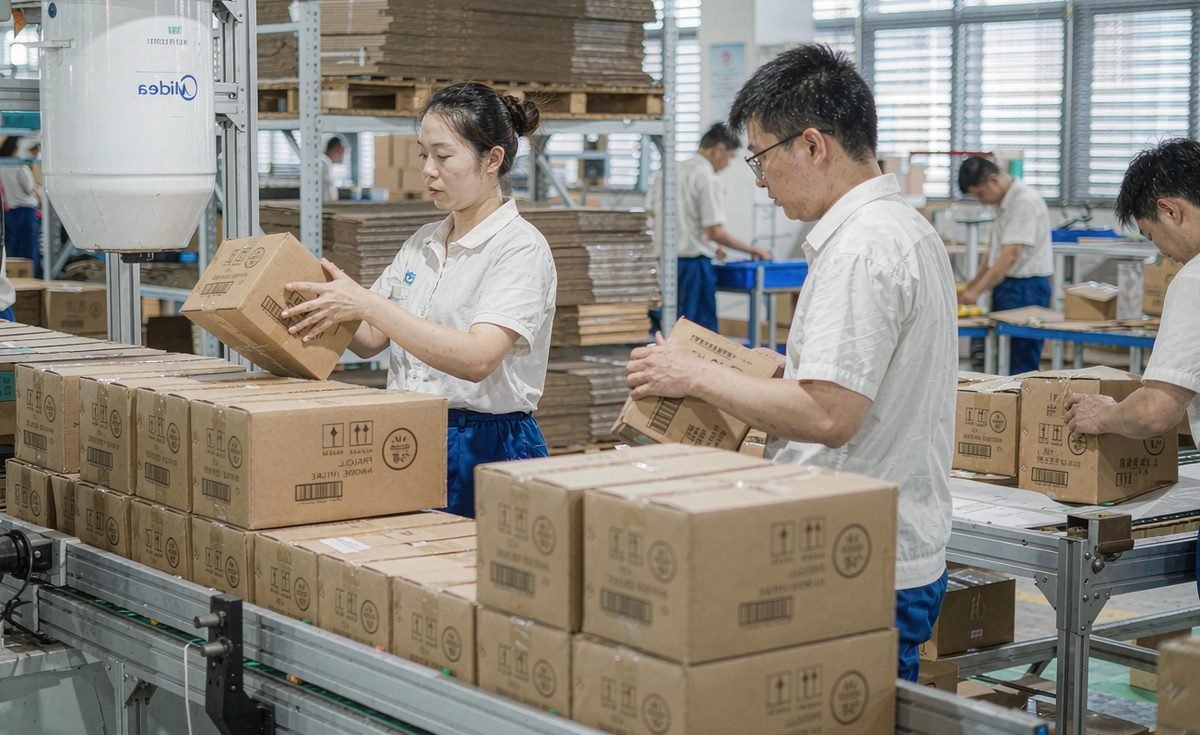
Packaging is the quiet contributor: it adds weight to air shipments, volume to ocean ones, and waste at your customers' end. Three changes cost little and show up in both freight cost and footprint:
- Right-size the carton. Oversized cartons full of void fill are the most common waste we see at loading — smaller cartons often move your cargo down a weight or CBM band entirely.
- Swap materials where practical. Recycled cardboard and paper tape in place of plastic foam and stretch wrap reduce both mass and end-of-life waste. For heavy or irregular cargo, reusable pallet alternatives can pay back over a few cycles.
- Talk to your supplier early. Packaging changes belong in the production brief, not the booking email. Suppliers respond to specifications, not hopes.
Offsets, Insetting, and How to Avoid Greenwashing
Once mode and utilization are handled, the remaining emissions can be addressed through compensation — but this is where credibility is won or lost. Generic "carbon neutral shipping" badges with no named projects, no verification standard, and no tonnage breakdown are increasingly a liability rather than an asset. Regulators in the EU and UK have tightened rules on environmental claims, and consumers have learned to ask questions.
The more defensible paths are:
- Measured per-shipment data. Ask your forwarder for emission estimates per shipment with a written methodology — which emission factors, which scope (ocean leg only, or door to door?). This feeds your own ESG reporting honestly.
- Verified offsets only. If you compensate, use third-party verified programs with named projects and retirement certificates.
- Insetting. Funding cleaner fuels, vessel retrofits, or efficiency improvements inside the transport chain itself is harder to fake and increasingly popular — major carriers including Maersk have built commercial offerings around lower-emission ocean products, signaling where the market is heading.
A word of caution we give every client: never let your marketing outrun your data. "We ship primarily by ocean and consolidate weekly, reducing freight emissions per unit by an estimated X% versus our 2024 baseline" is a strong, defensible claim. "Carbon-neutral delivery on every order" backed by nothing is an invitation for trouble.
Is Rail a Green Middle Path for EU-Bound Cargo?
For importers shipping to Europe, China–Europe rail freight deserves a place in the conversation. By the estimate ranges in the table above, rail sits between ocean and trucking on emissions — clearly heavier than deep-sea container per tonne-kilometre, but a fraction of air. Its real advantage is the gap it fills in planning: at roughly 16–22 days station to station, it covers the orders that are too late for ocean but not urgent enough to justify a flight. Brands with seasonal assortment changes in Europe use rail as a scheduled "second wave" — ocean for the base buy, rail for the mid-season top-up, air for nothing at all.
Two caveats keep the rail option honest. First, capacity and transit times on the corridor fluctuate with border congestion and geopolitical routing changes, so treat published schedules as ranges and confirm current conditions before committing a season's plan. Second, rail's per-kilogram price normally lands between ocean and air, which makes it a budget decision as much as a green one — run both numbers before presenting it internally as a sustainability initiative. Where the lanes and the timing cooperate, though, rail lets a brand cut its air freight to near zero without stretching replenishment cycles to breaking point.
What Should You Ask a Forwarder About Sustainability?
- Can you provide per-shipment CO2e estimates, and what methodology and emission factors do you use?
- What share of my cargo currently moves by air, and what would it take to shift the rest to ocean or rail?
- How do you consolidate LCL cargo — what are your average load factors and consolidation cycles?
- Do you offer lower-emission ocean products (biofuel or similar insetting programs), and at what premium?
- Can you help optimize carton specifications before production to cut wasted volume?
One anonymized snapshot from our book: a Nordic home-goods brand moved its routine replenishment from a mix of air and LCL to fortnightly consolidated FCL, cut air freight to under 5% of volume, and trimmed carton sizes with its suppliers. The result, by its own measurement, was a freight cost reduction of roughly 18% year on year and a freight emissions profile it could finally publish in its annual report — proof that greener and cheaper are not opposites in freight.
Frequently Asked Questions
What is the most sustainable way to ship goods from China?
Full containers moved by ocean are the most sustainable option per unit of cargo: industry estimates put deep-sea container shipping at roughly 10–25 grams of CO2e per tonne-kilometre, versus several hundred grams or more for air freight. Beyond mode choice, the biggest practical wins are consolidating LCL shipments to raise load factors, reducing packaging waste, and using credible emission accounting rather than generic offset badges.
How much lower are ocean shipping emissions than air freight?
Per tonne-kilometre, ocean container shipping is typically estimated at tens of times lower than air freight — roughly 10–25 grams of CO2e versus 500 grams or more for long-haul air cargo, according to industry estimate ranges. A single air-freighted pallet can therefore emit more than a full 40-foot container of the same goods moved by sea, which is why reserving air for genuinely urgent stock is itself a sustainability decision.
Does consolidating shipments really reduce emissions?
Yes. Consolidation raises the load factor of every container and truck on the route, meaning the same amount of cargo moves in fewer vessel slots, fewer trucks, and fewer warehouse touches. Combining three half-empty LCL shipments into one well-packed container cuts per-unit freight emissions materially and also reduces packaging, handling, and destination delivery trips — a rare case where the green option is also the cheaper one.
Are carbon offsets for shipping worth buying?
Offsets can be worthwhile, but only when they are third-party verified, project-specific, and reported transparently. Generic, unverifiable offset claims risk greenwashing accusations from regulators and consumers alike. Many brands now prefer insetting — funding cleaner fuels or efficiency in the transport chain itself — or simply publishing measured emission data per shipment, which bodies like the IMO are pushing the industry toward through its emissions regulations.
Can I get emission data for each shipment from my forwarder?
A capable forwarder can provide per-shipment emission estimates covering the ocean or air leg, plus road legs, based on distance, mode, weight, and load assumptions. Ask for the methodology in writing — which emission factors are used and what scope they cover — so your sustainability team can integrate the figures into your reporting without overstating accuracy.
- Dropshipping from China: Inventory, Freight & Fulfillment Options
- Shipping from China to Nigeria: The Complete 2027 Guide
- Shipping from Guangzhou to New York: Rates, Transit Times & Booking Guide
- Shipping Ceramics & Tableware from China: The Complete Exporter's Guide
- Back-to-School 2027: A Restocking Timeline for Retailers Importing from China
- Shipping from Qingdao to Rotterdam: Rates, Transit Times & Booking Guide
Get Today's Rate & Lock Your Discount
Waymore Shipping offers FCL & LCL ocean freight from every major port in China — Shanghai, Ningbo, Shenzhen, Guangzhou, Qingdao, Xiamen, Tianjin and more. Rates updated weekly with carrier discounts.