Bill of Lading Explained: Original, Telex Release & Seaway Bill
- A bill of lading is three documents in one: cargo receipt, contract of carriage, and document of title.
- Original BL = paper control of cargo; Telex Release = surrendered originals plus an electronic release; Seaway Bill = non-negotiable, auto-release, no paper game at all.
- For first orders from new suppliers, hold originals until you have paid — no original, no release.
- Check the BL draft line by line before issuance; amendments after issuance cost $50–$150 per change and can stall clearance.
- Verify release instructions by phone — telex release scams cost importers whole containers every year.
A bill of lading (BL) is the core transport document in ocean freight, issued by the carrier or forwarder: it is a receipt for your goods, evidence of the contract of carriage, and — in its original paper form — a document of title, meaning whoever holds an original controls the cargo. The three release types — Original BL, Telex Release, Seaway Bill — decide who can pick up your container and when.
In our documentation department, the BL draft is the single most-checked document before any container leaves China, because a wrong consignee name or a mistyped HS description can hold cargo at destination for weeks. This guide explains what each field means, compares the three release methods with real timelines, and shows how importers protect themselves — including against the release scams we are asked about weekly.
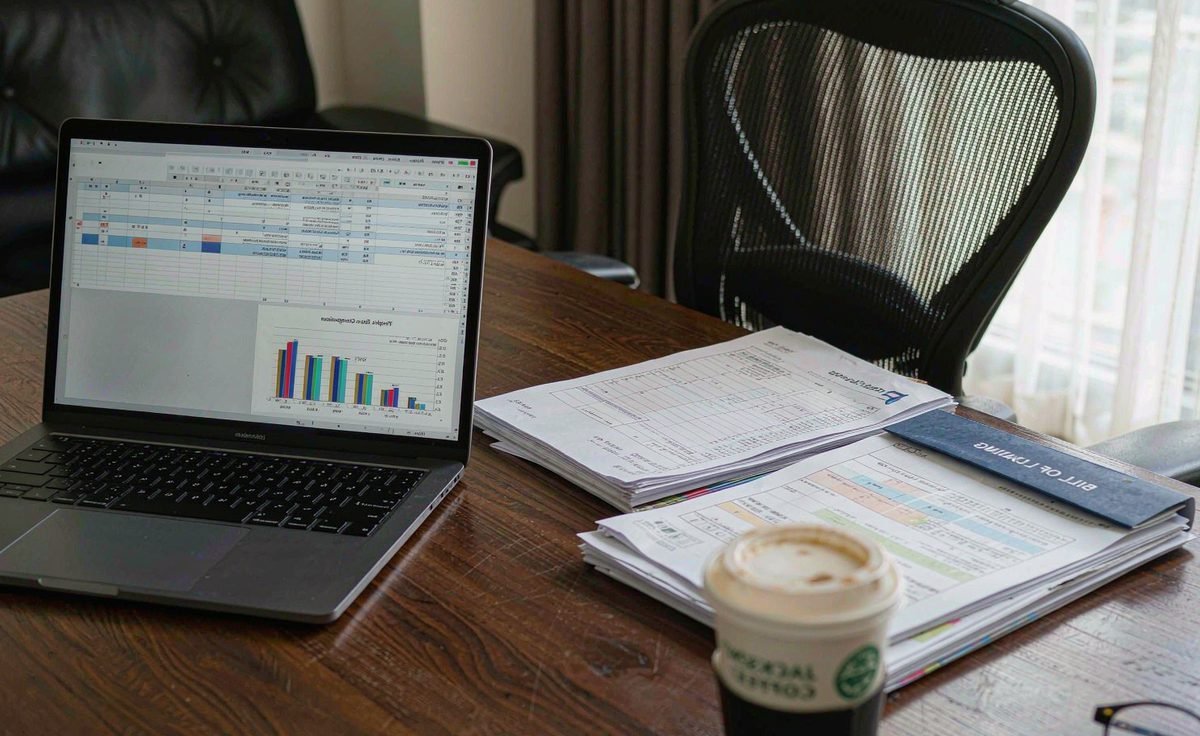
What Does a Bill of Lading Actually Do?
The BL performs three legal functions, and each one matters practically:
- Receipt for the goods. It records what was loaded, in what apparent condition, on which vessel, from which port, on what date. If the container arrives dented or cartons are missing, the BL is where your claim starts.
- Evidence of the contract of carriage. It names the carrier, the freight terms (prepaid or collect), and the parties' obligations on the journey.
- Document of title. In negotiable (original) form, possession of the paper is effectively possession of the cargo. Hand originals to your bank under a letter of credit and the buyer cannot collect the container until the bank releases documents against payment.
Key fields you will see on every BL: shipper (exporter), consignee (who may receive), notify party (who gets arrival notices), vessel and voyage, port of loading (e.g. Shenzhen/Yantian) and port of discharge, container and seal numbers, cargo description, packages, gross weight and measurement, and freight terms. Consignee names must match the buyer's customs paperwork exactly — a mismatch triggers destination queries and fees.
Original BL vs Telex Release vs Seaway Bill: Full Comparison
| Original BL | Telex Release | Seaway Bill (SWB) | |
|---|---|---|---|
| Form | Paper, typically 3 originals + copies | Paper originals surrendered at origin; carrier sends electronic release to destination | Electronic/PDF only, no original set |
| Document of title? | Yes — negotiable, controls cargo | No — title surrendered at origin | No — non-negotiable from the start |
| Cargo release at destination | Only against surrender of at least one original | Identity check of named consignee; no paper needed | Automatic to named consignee on arrival |
| Speed | Courier originals: 3–7 days, plus surrender process | Same day once originals are returned at origin | Instant — nothing to courier or surrender |
| Seller's control until payment | Full control — can withhold originals | Control only until surrender | None |
| Letter-of-credit compatible | Yes (required) | No | No |
| Typical cost | Standard issuance; courier fees extra | Release fee ≈ $30–$80 | Standard issuance (often cheapest) |
| Best for | LC deals, new suppliers, unpaid balances | Paid shipments needing speed | Own offices, trusted repeat partners |
Practical timeline example: a container of fittings loads at Ningbo on October 2 with a 32-day transit to New York. With an Original BL, the set is couriered October 8, arrives in New York around October 15, and the consignee must hold at least one original to collect — lose all three and the carrier's indemnity process takes weeks. With a Telex Release, the supplier surrenders the set in Ningbo on October 8; the release message hits New York the same afternoon, and the consignee collects with ID only. With a Seaway Bill, no action is ever needed — the container releases automatically on arrival.

When Should You Use Each Type?
Use an Original BL when control matters
Any scenario where money is still moving — a first order from an unverified supplier, balance payment against shipping documents, or a letter-of-credit deal — justifies originals. The logic is simple: as long as no original has been surrendered, the carrier must not release. Keep at least one original yourself until your bank or your accountant confirms payment. One caution from our files: original sets sent by courier get lost roughly a handful of times per year industry-wide, and each loss triggers an indemnity letter, possible bond, and weeks of delay — so photograph and archive the full set the day you receive it.
Use Telex Release for speed after payment
Once the invoice is settled, telex release is the fastest clean path: the shipper returns the full original set at origin, the carrier cancels it and messages destination electronically. Note that some carriers charge a telex release fee ($30–$80) and require the complete set — one missing original usually blocks the process. For US-bound cargo, our ISF and AMS filing guide explains the security filings that run alongside the BL data.
Use a Seaway Bill only with trusted parties
A Seaway Bill is ideal for shipments between your own company entities, goods sold on open account to long-standing customers, or samples to your own warehouse. It cannot be used under letters of credit and offers no protection if the buyer defaults — so never let a supplier talk you into SWB "to save fees" on an unpaid or first-order shipment.
House BL vs Master BL: Why You May Receive Two Documents
If your forwarder consolidates or acts as carrier, you will receive a House Bill of Lading (HBL) issued by the forwarder, while the shipping line issues a Master Bill of Lading (MBL) naming the forwarder as shipper and its destination office or agent as consignee. For you, the HBL is the operative document: its consignee controls cargo release, and its terms sit on top of the MBL rather than replacing it. This structure is normal and safe — FIATA members issue millions of HBLs a year — but two things follow. First, destination release must match the HBL you hold, not the MBL, so always send release instructions to the forwarder, not the line. Second, letter-of-credit deals must be checked to confirm the bank accepts an HBL; if the credit demands a "full set of ocean BLs" issued by the carrier, the structure needs adjusting before booking. Our team flags this at quotation stage so LC terms never collide with the document chain.
How Do You Get the BL Right the First Time?
- Check the draft the same day you receive it. Forwarders issue a BL draft before printing; this is your one free chance to fix everything.
- Match names exactly. Consignee and notify party must mirror your customs broker's instructions, including company suffix and address.
- Verify container and seal numbers against the loading photos — a wrong seal number is a classic customs inspection trigger.
- Confirm freight terms (prepaid vs collect) agree with your commercial terms; mismatches delay release at destination. If you are weighing payment directions, see freight collect vs prepaid.
- Fix discrepancies immediately. Amendments after issuance typically cost $50–$150 per change and, if originals are already with a bank, may require the returned set.
Who may appear as shipper on the document — the factory, a trading company, or you — is a whole topic of its own, covered in our guide on the shipper field on the bill of lading.
Frequently Asked Questions
What is a bill of lading?
A bill of lading (BL) is the core transport document in ocean freight, issued by the carrier or forwarder. It serves three roles at once: a receipt proving the goods were shipped, evidence of the contract of carriage, and — in its original form — a document of title, meaning whoever holds an original BL controls the cargo at destination.
What is the difference between an Original BL and a Telex Release?
An Original BL is a paper document, usually three originals issued, that must be surrendered at destination before the carrier releases cargo. A Telex Release happens when the shipper surrenders the full set of originals at origin and the carrier sends an electronic release message to destination, allowing cargo pickup with just the consignee's identity — no paper needed, typically same day.
What is a Seaway Bill and when should I use it?
A Seaway Bill is a non-negotiable transport receipt with no document-of-title function. Cargo releases automatically to the named consignee on arrival, with no paperwork to surrender. Use it for shipments between related companies or trusted long-term partners where no bank or buyer payment depends on controlling the documents; never use it when you must retain control until payment.
Which bill of lading type is safest for a new buyer?
For a first order from an unknown supplier, hold Original BLs yourself (or via a bank letter of credit) until payment is complete — this keeps title with you, since no original means no release. Telex Release and Seaway Bill suit repeat business and paid-in-full shipments where document control no longer matters.
How do I amend a bill of lading after issuance?
Contact your forwarder immediately: consignee, notify party and description changes are usually done via a BL amendment letter plus an amendment fee, commonly $50–$150 per change. If originals are already with a bank or surrendered, changes become far harder and can require the returned full set, so verify every BL field in the draft stage before issuance.
What is a Telex Release scam and how do I avoid it?
In a telex release or email scam, fraudsters posing as the supplier or forwarder send fake release instructions or amended bank details, tricking the carrier into releasing cargo without the bill of lading — or tricking the buyer into paying the wrong account. Protect yourself by verifying release instructions via a known phone number, never acting on email-only payment changes, and keeping consignee details consistent across the booking, invoice and BL.
- Can the Shipper on a Bill of Lading Be You?
- Shipping from Ningbo to New York: Rates, Transit Times & Booking Guide
- How to Calculate CBM & Chargeable Weight (Free Formula)
- Our Holiday Logistics Schedule: Christmas & New Year 2026
- FCL vs LCL: Which Is Cheaper for Your Volume?
- Shipping from China to France: The Complete 2027 Guide
Get Today's Rate & Lock Your Discount
Waymore Shipping offers FCL & LCL ocean freight from every major port in China — Shanghai, Ningbo, Shenzhen, Guangzhou, Qingdao, Xiamen, Tianjin and more. Rates updated weekly with carrier discounts.