Shipping from China to France: The Complete 2027 Guide
- Sea freight Shanghai → Le Havre takes 31–35 days direct; South China → Marseille/Fos runs 28–33 days.
- A 40HC books around $2,350–$2,950 in November 2026; a 20GP around $1,550–$1,800.
- Le Havre serves Paris/north France; Marseille-Fos serves the south — pick by warehouse location, not rate alone.
- French customs needs an EORI number, commercial invoice, packing list, B/L and often CE marks for electronics.
- DDP shipping lets French buyers receive cargo with duties and 20% VAT pre-paid — ideal for marketplaces and new importers.
Shipping from China to France takes 31–35 days by sea from Shanghai or Ningbo to Le Havre on direct services, or 28–33 days from South China ports to Marseille/Fos, plus 5–10 days for clearance and inland delivery. A 40HC container costs roughly $2,350–$2,950 in ocean freight in November 2026. This guide covers ports, rates, documents, transit and the decisions that matter most for French imports.
Our French desk handles a steady weekly flow — industrial components into Lyon, fashion and textiles into Paris warehouses, retail goods for Atlantic coast wholesalers via Le Havre. What follows is the same briefing we give new clients before their first booking.
Which Chinese Ports Ship to France?
France is served through two gateway systems: Northern Europe loops that terminate at Le Havre (often after Rotterdam and Antwerp), and Mediterranean loops calling at Marseille-Fos. That means your origin port choice depends on which service string fits your cargo.
- Shanghai & Ningbo — best rate and transit to Le Havre; the natural choice for Yangtze Delta suppliers (Suzhou, Hangzhou, Yiwu).
- Shenzhen (Yantian/Shekou) & Guangzhou (Nansha) — strong Mediterranean options to Marseille/Fos; ideal for Pearl River Delta electronics and hardware.
- Qingdao, Xiamen, Tianjin — connect to both loops with slightly longer feeder positioning, typically 1–3 days more transit.
Yiwu deserves a special mention: a large share of small-volume French imports — discount retail, party goods, tools — originates in Yiwu's markets, and our weekly Yiwu consolidation feeds both Le Havre groupage boxes and Marseille LCL via Ningbo.
How Much Does Sea Freight from China to France Cost?
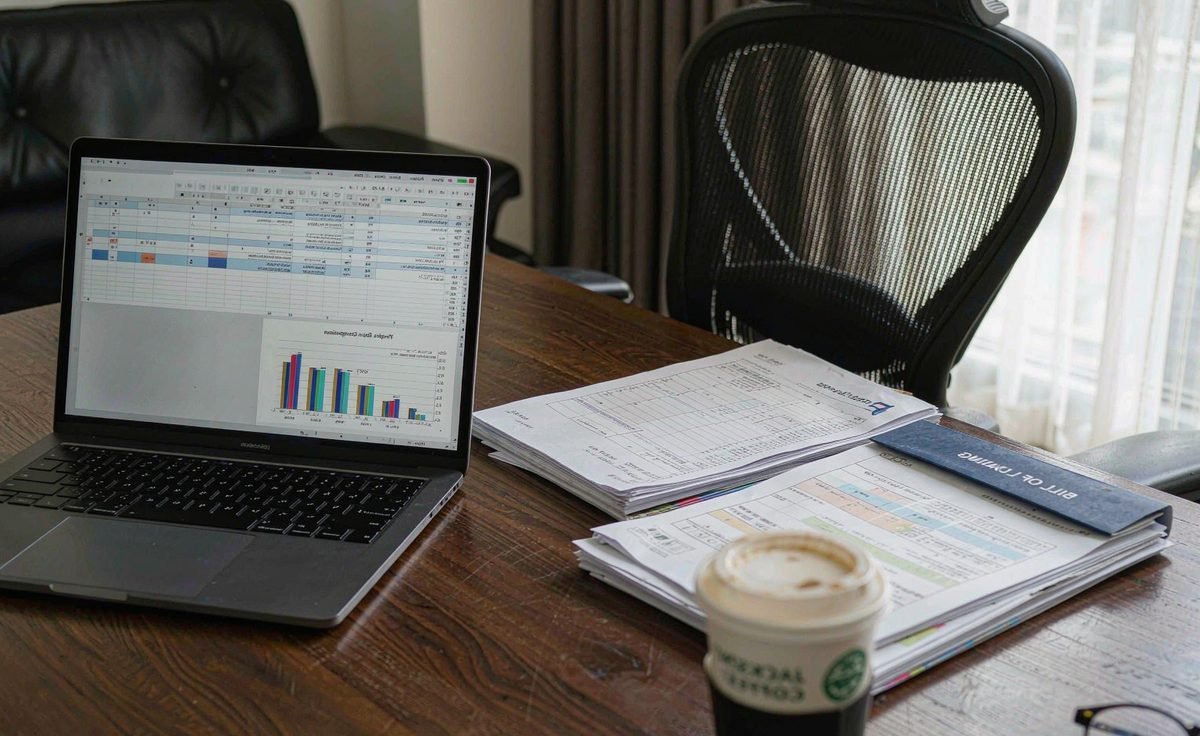
Rate benchmarks such as the Shanghai Shipping Exchange's SCFI show Asia–Europe rates holding a moderate band through Q4 2026. Our confirmed bookings for French destinations in early November 2026:
| Route | 20GP | 40HC | LCL (per CBM) | Transit |
|---|---|---|---|---|
| Shanghai → Le Havre | $1,560 | $2,380 | $42 | 31–35 d |
| Ningbo → Le Havre | $1,590 | $2,420 | $44 | 32–36 d |
| Shenzhen → Marseille/Fos | $1,680 | $2,550 | $48 | 28–33 d |
| Guangzhou → Marseille/Fos | $1,700 | $2,580 | $49 | 29–34 d |
| Qingdao → Le Havre | $1,720 | $2,610 | $52 | 34–38 d |
Add 20–30% on top of these base rates for the full charge stack: origin THC (~$210/40HC), export declaration, VGM, ENS filing, and destination THC plus port dues at the French gateway (typically $450–$620 per 40HC combined at Le Havre). Under CIF terms you pay origin charges; under FOB your French buyer pays destination charges — clarify this before the booking is made, not after.
What drives the rate you're quoted?
Three levers move this lane: carrier capacity deployments (when lines like CMA CGM — a French carrier with heavy Asia–France presence — adjust loops, Le Havre space tightens), fuel-linked BAF adjustments, and seasonal demand around Chinese New Year and the pre-summer stocking window. If your schedule allows, mid-month bookings typically avoid month-end General Rate Increase stacking.
What Is the Shipping Process from China to France, Step by Step?
- Quote & booking (3–7 days before pickup). We confirm rate, space and cut-off; you receive a booking confirmation with vessel, ETD and ETA.
- Factory collection & export clearance. Trucking to the origin port, China export customs declaration (our export documents guide lists everything), container loading and VGM submission.
- Ocean transit. Container tracked through vessel milestones; you receive ENS-compliant filing (mandatory EU pre-arrival declaration) in this window.
- French import clearance. Lodged via the Douanes' SOLHE unde system, usually 1–3 days before berthing. Requires your EORI number.
- Delivery. Discharge, haulage to your warehouse. Le Havre → Paris trucking runs about 2–3 hours; Marseille → Lyon similar.
Timing tip learned on the job: book cut-off-conscious. For a vessel sailing Sunday from Shanghai, the CY cut-off is usually Wednesday–Thursday, and the export declaration must clear 24–48h before that. Factories that finish production "end of week" often miss the box — plan the booking date against production reality, not optimism.
Which French Port Should You Choose?
| Port | Best for | Customs profile | Watch-outs |
|---|---|---|---|
| Le Havre | Paris, Normandy, north/central France, Belgium border regions | High volume, efficient, port community system | Second/third discharge after NL/BE on some loops — check discharge order |
| Marseille-Fos | Lyon, Toulouse, south France, Spain distribution | Strong Mediterranean gateway | Fewer direct China loops than Le Havre; some services transship at Malta or Piraeus |
| Dunkirk | Northern EU distribution, rail-linked hinterland | Growing container volumes | Fewer direct calls; mostly via Antwerp feeder or rail |
A real example: a Paris-based retailer imported via Marseille in 2025 because the all-in rate was $180 lower, then paid €520 extra per box in trucking to their Seine-Saint-Denis warehouse. Total landed cost favored Le Havre by ~€340 per 40HC. Rate comparison must always include inland legs.
Sea, Air or DDP for France?
Sea FCL wins above roughly 2 CBM for cost; air freight (CDG, with 5–8 day transit via direct or one-stop services from PVG/CAN) wins for samples, launches and urgent replenishment; DDP wins when you don't yet have French import infrastructure. If you sell via French marketplaces or supply department store chains, many buyers contractually require DDP — you deliver goods cleared, duty paid, with 20% French VAT handled. Waymore runs weekly DDP consolidations into France by sea and air; the trade-offs are detailed in our DDP France deep-dive.
New to EU importing altogether? Our primer on EU VAT, EORI and customs basics covers the registration steps every French importer completes once.
When Should You Book to Avoid Delays?
Three calendar risks dominate this lane. Chinese New Year (February 2027): factories wind down 10–14 days early, and pre-CNY demand pushes Le Havre rates up 30–60% in January — our pre-CNY preparation guide gives a week-by-week plan. French port labor actions: occasional strike days at Le Havre/Marseille add 2–5 days; we monitor and reroute via Antwerp when needed. Peak season (Aug–Oct): rollovers become common; booking 2–3 weeks ahead with a carrier that has committed space is the practical defense, as covered in our France transit-time analysis.

What Do French Destination Charges Look Like in Detail?
Because destination fees surprise buyers most often, here is the actual Le Havre destination sheet from a November 2026 40HC arrival (consignee-paid under FOB terms):
| Fee | Amount (EUR) | Charged by |
|---|---|---|
| Destination THC (DTHC) | €265 | Terminal |
| Port dues / reception fee | €95 | Port authority |
| ISPS security fee | €22 | Carrier |
| Documentation / arrival notice fee | €45 | Carrier agent |
| Customs entry (declaration lodgement) | €85 | Broker |
| Delivery order / release processing | €40 | Carrier agent |
| Total destination block | ≈ €552 | — |
Marseille/Fos runs similar, occasionally €30–€60 lower on THC but with fewer haulage competitors for southern inland legs. Two names to watch for on any French quote: surestaries (demurrage — container storage in the terminal, typically from day 4–5) and dépôts or detention (container usage beyond free days). French demurrage ramps steeply: day 5–10 averages €60–€90/day per 40HC and doubles after day 10. This is why we pre-book haulage before the vessel berths — a two-day discharge delay consumed by re-planning is recoverable; five days of surestaries is not.
What About Cargo Insurance for the China–France Leg?
Marine insurance on this lane costs roughly 0.15–0.35% of CIF value for all-risk Institute Cargo Clauses (A) coverage — a few hundred euros on a typical container. Under FOB and CIF terms the buyer carries risk from origin (FOB) or shipment (CIF), even though the carrier controls the cargo for five weeks; without insurance, a container loss means proving carrier liability limits, which rarely covers real value. Claims experience reported across the industry, including by the TT Club, shows the inland and terminal legs generate a disproportionate share of damage and theft events — precisely the parts buyers assume "someone else" insures. We quote the premium on every booking sheet by default; declining it should be a decision, not an omission. Coverage details and exclusions are explained in our cargo insurance guide.
A full landed-cost snapshot: 20GP to Lyon via Marseille
Goods €21,000; freight Shenzhen→Fos $1,680; origin charges $290; destination block €470; trucking Fos→Lyon €610; duty at 4.2% (kitchen appliances) €878; VAT 20% on (CIF+duty) €4,652. Logistics share of goods value: ~8.5% before recoverable VAT. The Lyon importer in this real October 2026 file had initially budgeted 4% — the recast budget avoided a cash-flow scramble at arrival. Run this exercise per product family, not per company: duty rate and cube density move the number more than freight does.
Sea or Air: A Quick Sizing for French Buyers
As a rule of thumb for France: below 2 CBM and time-sensitive, air freight to CDG (2–5 days door-to-door, roughly $4.50–$6.50/kg) often beats waiting six weeks; above 2 CBM with a planned schedule, sea wins decisively on cost. The middle ground — 300–800 kg launches, or stock-out rescues — is where air pays for itself in sales protected rather than freight saved. The full decision framework, chargeable-weight mechanics and current rate tables are in our China–France air freight guide.
Frequently Asked Questions
How long does shipping from China to France take by sea?
Direct services from Shanghai or Ningbo to Le Havre take about 31–35 days port to port. Services calling at Mediterranean ports first reach Marseille/Fos in roughly 28–33 days from South China. Add 5–10 days for customs clearance and inland delivery to Paris or Lyon.
Which French port should I import through?
Le Havre handles most containerized imports for northern and central France including Paris. Marseille-Fos serves southern France, and Dunkirk is increasingly used for northern EU distribution. Choose based on your warehouse location — inland trucking from the wrong port can add €400–700 per container.
How much does it cost to ship a container from China to France?
In November 2026 a 40HC from Shanghai to Le Havre books around $2,350–$2,950 in ocean freight, with a 20GP around $1,550–$1,800. All-in port-to-port costs including surcharges typically total $2,900–$3,500 per 40HC before French duty and VAT.
Do I need an EORI number to import into France?
Yes. Any business importing goods into France must hold an EORI number issued by French customs (Douanes). Your customs broker will need it before lodging the import declaration, so apply as soon as you register your business — approval usually takes a few working days.
- DDP Shipping from China to France: Costs, Rules & Pitfalls
- Shipping Auto Parts from China to France: Requirements, Costs & Tips
- Shipping Machinery & Industrial Equipment from China to France: Requirements, Costs & Tips
- What Does It Cost to Ship Textiles & Apparel from China? Cost Factors Explained
- What Is Cut-off Time? What Happens If You Miss It
- Q1 2027 Rate Outlook: What Shippers Should Expect
Get Today's Rate & Lock Your Discount
Waymore Shipping offers FCL & LCL ocean freight from every major port in China — Shanghai, Ningbo, Shenzhen, Guangzhou, Qingdao, Xiamen, Tianjin and more. Rates updated weekly with carrier discounts.