China to the Philippines Transit Times: Ports, Schedules & Delays
- Shenzhen → Manila is 5–7 days port-to-port — one of China's shortest international ocean legs.
- Cebu runs 8–11 days and Davao 10–14 days; both are served direct or via Manila transshipment.
- Add 3–6 working days for BOC clearance — often longer than the ocean leg itself.
- Typhoon season (Jul–Nov) and Ber-months congestion are the recurring delay windows.
- CNY 2027 (Feb 17) blankings mean late-January cargo can arrive in mid-March.
Shipping from China to the Philippines takes 5–7 days port-to-port from Shenzhen to Manila — among the fastest international services from any Chinese port — with Cebu at 8–11 days and Davao at 10–14. Add 3–6 working days for customs clearance and trucking for a realistic door-to-door of 10–15 days to Metro Manila.
The lane's speed is its best feature; its variability is the catch. Typhoon diversions, Manila congestion and holiday blankings can stretch a 6-day voyage into a three-week door delay. This guide benchmarks every major port pair from our November 2026 bookings, explains where the schedule risk hides, and shows how we plan around it.
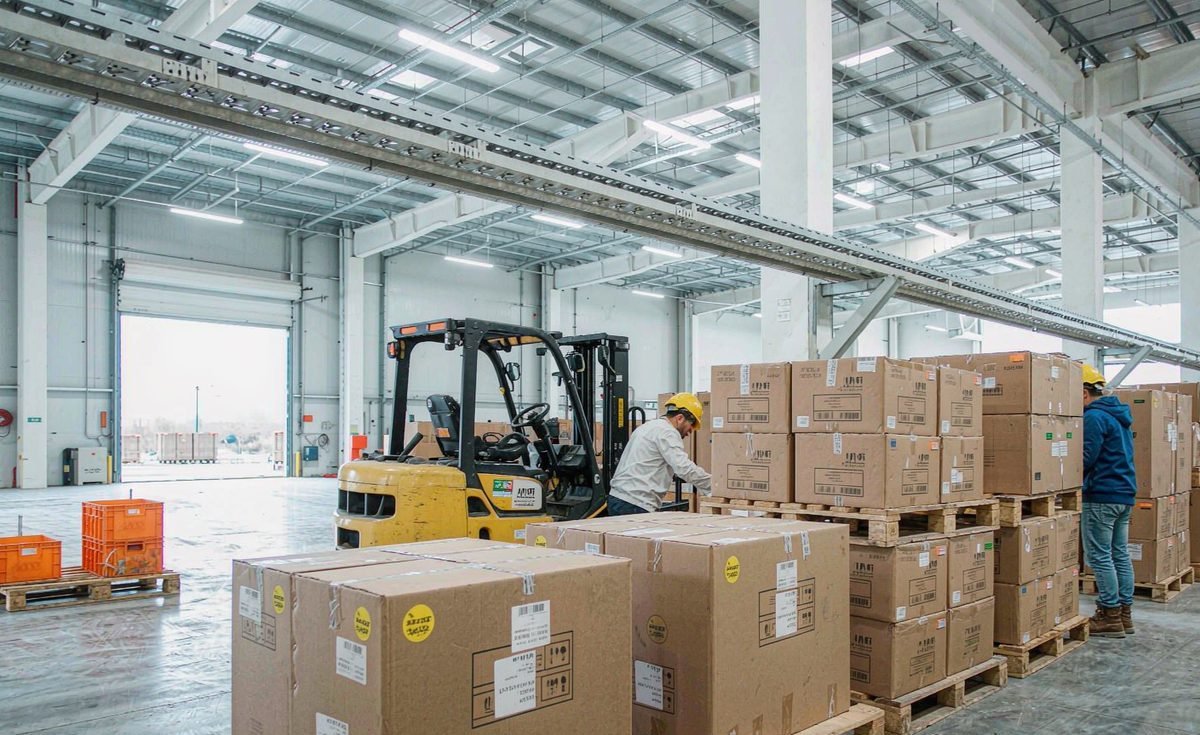
Transit Time Benchmarks by Port Pair (November 2026)
| Origin → Destination | Service | Port-to-port | Frequency |
|---|---|---|---|
| Shenzhen (Shekou/Yantian) → Manila (MICT) | Direct | 5–7 days | 3–5 sailings/week |
| Guangzhou (Nansha) → Manila | Direct | 5–8 days | 2–3/week |
| Xiamen → Manila | Direct | 6–8 days | Weekly |
| Shanghai → Manila | Direct | 7–9 days | 2–3/week |
| Ningbo → Manila | Direct | 7–10 days | 2/week |
| Qingdao → Manila | Direct / via Shanghai | 9–12 days | Weekly |
| Shenzhen → Cebu | Direct or via Manila | 8–11 days | 1–2/week |
| Shenzhen → Davao | Direct or via Manila | 10–14 days | Weekly |
| Shenzhen → Manila (air, MNL) | Air freight | 1–3 days APT–APT | Daily |
Door-to-door, add 3–6 working days for clearance (our Philippine customs guide breaks down the green/yellow/red lanes) plus 1–2 days trucking in Luzon, or inter-island feeder time for Visayas and Mindanao delivery.
Direct vs Transshipment on This Lane
Unlike most Southeast Asian lanes, the Philippines enjoys dense direct coverage — Manila, and increasingly Cebu, sit on dedicated China services rather than Singapore feeder loops. That changes the calculus in our direct vs transshipment guide:
- Manila: always book direct. Multiple weekly direct calls mean a rolled container usually catches the next sailing within 2–3 days, and transit risk is minimal.
- Cebu: direct calls exist but at lower frequency; a transshipment via Manila adds 2–4 days and one handling move. Direct wins for fragile and time-sensitive cargo.
- Davao and regional ports: mostly via Manila transshipment or inter-island feeders, adding 3–7 days. Build the buffer into contracts.
- LCL: our weekly Shenzhen and Ningbo consolidations to Manila run direct; Cebu boxes often co-load through the Manila CFS before feeder movement. LCL door timing to Manila is typically 12–16 days.
For reading published rotations and cut-offs before you commit, see our guide on how to read a vessel schedule.
The 5 Main Causes of China–Philippines Delays
1. Typhoon season (July–November)
Storms crossing the Luzon Strait or hitting Eastern Visayas force port closures, course deviations and backlog pulses at both origin and destination. A single typhoon typically costs 2–5 days; we add a standing buffer to all Q3/Q4 deadlines.
2. Ber-months congestion at MICT
The September–December e-commerce peak loads Manila's yards. IMF PortWatch data shows median port stays lengthening through this window, and yard density slows gate-out. Our congestion survival guide covers alternatives like Batangas when MICT gridlocks.
3. Holiday blank sailings
Carriers void sailings around CNY (Feb 17, 2027) and Golden Week. Cargo booked in the last week of January routinely arrives mid-to-late February. Book by mid-January per our pre-CNY booking guide, or review what a container rollover does to your timeline when you don't.
4. Customs exams
Yellow-lane document reviews add 2–4 days; red-lane physical exams 5–8. Clean documents — invoice, packing list and Form D in exact alignment — are the difference, as our clearance guide explains.
5. Feeder and inter-island connections
Cargo bound beyond Manila depends on inter-island feeder schedules that run 2–3 times weekly on secondary routes. A missed connection costs 3–4 days — plan provincial deliveries with the feeder calendar, not the ocean ETA.
Mini-Case: Beating a Typhoon Window to Cebu
In late September 2026, a Cebu retailer needed 2 x 40HC of home appliances before a October 15 promotion, just as a tropical depression tracked across the Luzon Strait. Sailing on the advertised Ningbo → Cebu direct service risked a weather hold with no recovery sailing for five days. We routed instead on a Ningbo → Manila direct call sailing 36 hours before the weather window, cleared Manila in 2 days on pre-filed documents, and booked the boxes on the first Manila → Cebu feeder after the system passed. Cargo reached Cebu on day 13 — inside the promotion — while the nominal direct routing would have delivered day 15–16 if the weather cooperated, and later if it didn't. Route choice, not luck, made the date.

The 2027 Holiday Calendar That Shapes This Lane
Both ends of the lane close at different moments, and the compounding effect catches new importers off guard. Plan around these 2027 dates:
| Period | Effect | Recommendation |
|---|---|---|
| CNY 2027 (Feb 17; factories stop ~Feb 8–25) | Blank sailings 2–3 weeks, factory shutdown, pre-CNY space crunch | Ship by late January; expect late bookings to arrive mid-March |
| Holy Week (late March 2027) | Philippine clearance and delivery slow 2–4 days | Avoid entries landing in Holy Week |
| Labor Day (May 1) & Araw ng Maynila | Minor clearance slowdowns | Minimal impact; add 1 day buffer |
| Golden Week China (Oct 1–7) | Sailing blanks and port backlog pulses | Ship before Sep 20 or after Oct 12 |
| Ber-months peak (Sep–Dec) | MICT congestion, e-commerce volume surge | Add 3–5 days to all Manila deadlines |
| Christmas / New Year (Dec 20–Jan 2) | Philippine offices and trucking slow | Target gate-out before Dec 18 |
Our broader 12-month freight season calendar maps these windows against rate movements, and the year-end customs guide covers the December release rush specifically.
LCL vs FCL: How Mode Changes Your Timeline
FCL to Manila is delightfully simple: your box sails on a fixed date and discharges into a direct gate-out. LCL adds two delay layers — consolidation wait at the origin CFS (usually 1–4 days depending on volume that week) and deconsolidation at the destination CFS (1–3 days before cargo is available for pickup). On our fixed weekly Shenzhen and Ningbo consolidations the origin wait is minimal because the box sails whether it's full or not; ad-hoc LCL from smaller consolidators can wait up to a week for enough cargo to build a container. For door deliveries outside Metro Manila, LCL additionally routes through the destination CFS's trucking schedule rather than your own booking. Net: budget 14–18 days door-to-door for LCL Manila versus 12–15 for FCL — and remember LCL cargo can't be gated out until the entire consolidated box clears, so one consignee's customs problem can hold your cartons. That shared-release risk is why high-value or deadline-critical cargo moves FCL even at 14–16 cbm.
How We Keep Philippine Schedules Honest
Every Philippines booking we run is tracked against three reference points: the carrier's published rotation, the actual AIS position of the vessel, and the pre-filed clearance timeline at MICT. When the three diverge — a vessel tracking 30 hours behind its published ETA into Manila, for instance — we know before the carrier's system updates, which means we can pre-adjust the clearance filing date and the trucking slot instead of reacting after discharge. For Cebu and Davao cargo we additionally confirm the inter-island feeder booking at the same moment we confirm the ocean leg, because feeder space out of Manila is the scarcest link in the chain during Ber-months. Clients with fixed delivery dates get a written milestone plan — gate-in, ETD, ETA, entry filing, target release, delivery — so a delay is visible the day it starts, not the week it ends.
Choosing the Route by Cargo Type, Not by Habit
The fastest route isn't always the right one once cargo characteristics enter the picture. Heavy, dense cargo — machinery, stone products, metals — should route through Manila even for Visayas destinations, because inter-island feeders have tighter weight limits than the main-line vessels, and a box stuffed to its payload ceiling at origin can face repacking or weight surcharges at the feeder interchange. High-value electronics benefit from the minimum number of handling moves: a direct Shenzhen → Cebu call with one discharge beats a cheaper Manila transshipment with three, even at two days' premium, because every lift is theft and damage exposure. Temperature-sensitive goods (cosmetics, some food inputs) should avoid the December–February Shanghai origin sailings, where cold-stress on the tarmac and yards is real, and favor South China origins with shorter pre-carriage. Finally, project cargo with fixed installation dates should always book the direct service with the most schedule margin — on this lane that's usually the Shenzhen → Manila calls with three to five weekly departures, because a rolled direct box recovers in 2–3 days while a missed feeder connection costs a week. Match the routing to the cargo, and most "transit problems" on this lane simply stop happening.
How to Plan Realistic Lead Times for 2027
Our working benchmarks for buyers: Manila door = 12–15 days from China pickup on direct FCL; Cebu door = 15–18 days; Davao door = 17–22 days; LCL to Manila door = 14–18 days. Add 3–5 days for typhoon-season and Ber-months shipments, and don't place orders landing within 10 days of CNY 2027 without accepting mid-March risk. When a deadline is fixed and slips, air to MNL at 1–3 days airport-to-airport is the recovery tool — our air freight guide covers the rates, and our air vs sea comparison the decision logic.
For rate context on this lane, index readers can track intra-Asia movements via Drewry's World Container Index and the SCFI; our own weekly Philippines discounts are published on the rates page so you can book into the dips.
Frequently Asked Questions
How long is the transit time from China to the Philippines?
FCL from Shenzhen to Manila runs 5–7 days port-to-port; Guangzhou 5–8 days; Shanghai and Ningbo 7–10 days. Cebu totals 8–11 days and Davao 10–14 days. Add 3–6 working days for Bureau of Customs clearance before door delivery.
What causes delays on the China–Philippines lane?
The main causes are Manila port congestion during the Ber-months peak, typhoon disruptions from July to November, blanked sailings around Chinese New Year and Golden Week, missed transshipment connections for Cebu/Davao cargo, and yellow or red-lane customs exams.
Do ships go direct from China to Cebu and Davao?
Yes — several carriers run direct South China calls to Cebu at 8–11 days, and some services reach Davao directly at 10–14 days. Where no direct slot fits your schedule, cargo transships via Manila or Hong Kong, adding 2–5 days.
How fast is air freight from China to Manila?
Air cargo from Shenzhen or Guangzhou to Manila (MNL) moves in 1–3 days airport-to-airport and 5–8 days door-to-door including clearance — about a week faster than the ocean lane, at several times the cost per kilogram.
What is the best origin port in China for the Philippines?
Shenzhen (Shekou/Yantian): shortest transit (5–7 days to Manila), the most weekly sailings, and the lowest rates. Guangzhou Nansha matches it closely; northern origins add 2–4 days and $50–250 in freight.
- Shipping from China to the Philippines: The Complete 2027 Guide
- China to the Philippines Customs Clearance: Documents, Duties & Process
- DDP Shipping from China to the Philippines: Costs, Rules & Pitfalls
- China to Thailand Transit Times: Ports, Schedules & Delays
- China to Sri Lanka Transit Times: Ports, Schedules & Delays
- China to Saudi Arabia Transit Times: Ports, Schedules & Delays
Get Today's Rate & Lock Your Discount
Waymore Shipping offers FCL & LCL ocean freight from every major port in China — Shanghai, Ningbo, Shenzhen, Guangzhou, Qingdao, Xiamen, Tianjin and more. Rates updated weekly with carrier discounts.