Freight Cost Reduction: Is Your Shipping Budget on Track?
- Freight rates reset constantly — a quote locked in January can be 20–40% off market by June.
- Mid-year is the best re-quoting window, before Q3 peak season rates climb.
- Consolidation, right-sizing containers, and all-in pricing are the three biggest levers for freight cost reduction.
- Auditing destination charges catches fees that quietly add 10–18% to landed cost.
- A mid-year rate audit with Waymore Shipping typically uncovers 8–15% savings for importers.
Freight cost reduction for China imports comes down to three things: re-quoting your lanes at least twice a year, consolidating small shipments into larger loads, and comparing all-in landed cost instead of headline ocean rates. If you have not re-quoted since January, you are likely paying 10–20% more than the market currently demands.
June is the natural checkpoint. The pre-Chinese New Year rush and the spring restocking wave have both passed, spot rates have usually settled, and peak season has not yet pushed space tight. In this article we walk through the exact mid-year audit our operations team runs for clients — the same checklist that recently helped a UK homeware importer cut its per-container cost from $2,850 to $2,410 on the Shanghai–Felixstowe lane without changing a single supplier.

Why Mid-Year Is the Best Time to Re-Quote Your Freight
Ocean freight is a moving target. Rates on the transpacific and Asia–Europe trades react to vessel capacity, blank sailings, fuel prices, and port congestion — sometimes within the same month. Industry trackers such as the Drewry World Container Index regularly show double-digit percentage swings between consecutive quarters on major lanes.
That means the negotiated rate you accepted in January reflects a market that no longer exists. Carriers adjust their space allocation and discount levels continuously, and forwarders with contracted space — like us — pass those changes through to clients weekly. Importers who treat their freight rate as a one-year fixed number almost always overpay by mid-year.
The second reason is timing leverage. Between June and mid-August, carriers are still filling vessels for the back-to-school and holiday restocking push. Once Q3 peak season tightens space, your negotiating position weakens sharply. Re-quoting now, before the peak, locks in a better baseline for your heaviest shipping months. Our guide to peak season shipping explains what happens if you wait too long.
The 6-Point Mid-Year Freight Cost Audit
Run this checklist against every lane you ship on. It takes an afternoon and routinely surfaces four-figure annual savings.
1. Re-quote against the current market
Send your lane list — origin port, destination port, container type or monthly CBM volume — to your forwarder and ask for a fresh all-in quote. Sanity-check the number against a public index such as the Freightos Baltic Index or rate data from Xeneta. You do not need to become a rate analyst; you only need to know whether the quote in front of you sits inside the market range.
2. Compare all-in cost, not ocean freight
The ocean line item is often less than half your true cost. Origin trucking, export customs declaration, documentation, terminal handling, destination port fees, customs entry, and delivery all add up. If your current quotes show a low ocean rate and vague "local charges", you are a prime candidate for overpaying. Our breakdown of hidden fees in freight quotes lists every line item you should expect to see.
3. Consolidate supplier shipments
If you buy from three suppliers in Guangdong and ship three separate LCL lots every month, you are paying three sets of fixed fees. Consolidating into one weekly or monthly shipment is the single most reliable cost lever we see — typically worth 10–25% of total freight spend. Our article on cargo consolidation from multiple suppliers shows worked examples.
4. Right-size your equipment
Shipping a 40-foot container that is only 55% full? You are paying to move air. Sometimes two 20GP boxes beat one half-full 40GP; sometimes the opposite is true once destination fees are counted. Run the math both ways at current rates.
5. Audit destination charges
Ask for an itemized list of what you pay at the destination port each month. Chassis fees, pier pass, congestion surcharges and handling fees vary enormously between ports and forwarders. We routinely find destination charges that are 30–50% higher than necessary on lanes where the client has never asked for an itemized bill.
6. Review your Incoterms
Buying EXW or FOB and arranging everything yourself can cost more than a well-priced DDP arrangement once you count local trucking and brokerage you organize separately. Compare both structures per CBM before deciding.
What Does a Mid-Year Rate Audit Actually Save?
Here is a realistic example using figures similar to lanes we quote weekly. A mid-size importer moving four 40HC containers per quarter from China to the US West Coast:
| Cost item | Before audit (per 40HC) | After re-quote & consolidation | Change |
|---|---|---|---|
| Ocean freight | $2,850 | $2,410 | −15.4% |
| Origin charges (trucking, customs, THC) | $420 | $395 | −6.0% |
| Destination charges & delivery | $680 | $545 | −19.9% |
| Documentation & misc. fees | $150 | $95 | −36.7% |
| Total landed freight cost | $4,100 | $3,445 | −16.0% |
At four containers per quarter, that is $10,440 saved per year on one lane — from a re-quote, an itemized destination bill, and cleaning up duplicate documentation fees. No supplier changes, no transit time sacrifice.
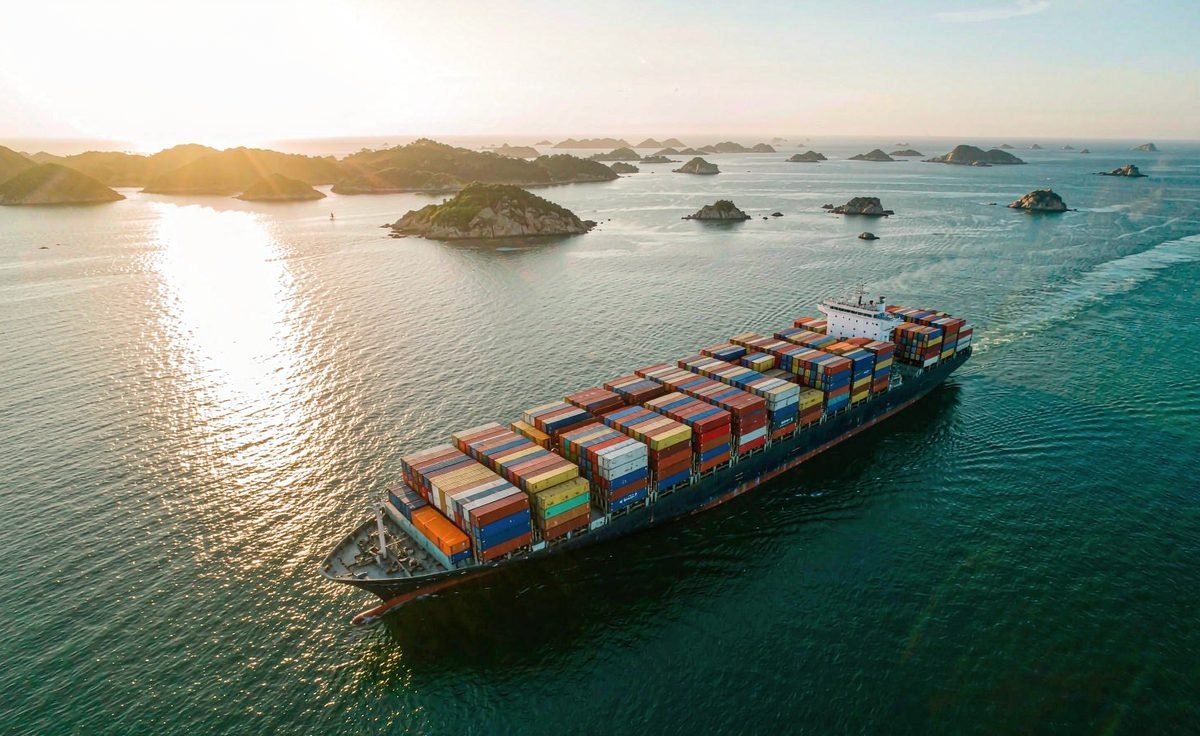
Where Do Importers Overspend Most? Four Common Leaks
Across hundreds of client audits, the same four leaks appear again and again. Check whether any of them describe your account.
Leak 1: Paying minimum charges on small LCL lots. Many consolidators apply a 2 CBM minimum even when your cargo measures 0.8 CBM. If your shipments regularly land under the minimum, you are paying up to 150% of the space you actually use. The fix is consolidation or renegotiation — not acceptance.
Leak 2: Expediting to recover avoidable delays. A container that rolls because documents missed cut-off often triggers air-freight replacement orders costing five to ten times the sea rate. Prevention — earlier document submission and a forwarder with space commitments — is dramatically cheaper than the cure.
Leak 3: Letting quotes age into the year. The most common leak is the simplest: a rate negotiated in one market condition and used in another. Quarterly review of your two or three highest-volume lanes is thirty minutes of work that protects five figures of annual spend.
Leak 4: Overpaying for "convenience" on high-frequency lanes. Some importers pay retail rates for every shipment because booking is easy and invoices are small. Small invoices compound: a $180 saving on forty shipments a year is $7,200 — enough to fund a full quarter of inventory for many wholesalers.
When Should You NOT Chase the Lowest Rate?
A word of caution from experience. The cheapest quote is not always the cheapest shipment. A rate that is $200 under market on a transpacific lane usually means one of three things: the space is not actually secured, the transit includes a slow transshipment, or the missing cost will reappear as a destination surcharge. We have seen importers lose a full selling week to a rollover and pay more in expedited replacement stock than they saved on freight.
When you re-quote, compare transit times and space guarantees side by side with price. Ask directly: "If the vessel is full, does my container roll?" A forwarder with weekly contracted space can usually answer "no" — and that answer is often worth more than the last $150 of discount.
How Do You Handle Rates That Are Rising?
If your audit shows the market has moved up since January, do not simply absorb it. Two practical responses:
Lock volume early. If you know your Q4 holiday volumes now, book space for them before peak pricing peaks. Forwarders can hold discounted allocations for committed volume — this is precisely how our weekly rate discounts page works.
Blend air and sea. For urgent replenishment, a mixed strategy — 80% of units by sea, 20% by air — often beats paying peak-season premiums to rush everything. Ask us to price the split; the break-even math is usually closer than clients expect.
Your 30-Day Mid-Year Action Plan
Week 1: Pull your last six months of shipping invoices. Total the true landed cost per shipment, not just the ocean line.
Week 2: Send your lane list to two or three forwarders for a fresh all-in quote, and check the numbers against a public index.
Week 3: Model consolidation. If you ship more than two LCL lots per month from the same region, get a consolidated pricing proposal.
Week 4: Lock rates for your Q3/Q4 volumes while pre-peak space is still open. Then set a calendar reminder to re-audit in December.
Importers who make this a twice-yearly habit consistently land in the cheaper half of the market. Those who treat freight as a fixed annual line item fund the difference out of margin, every single year.
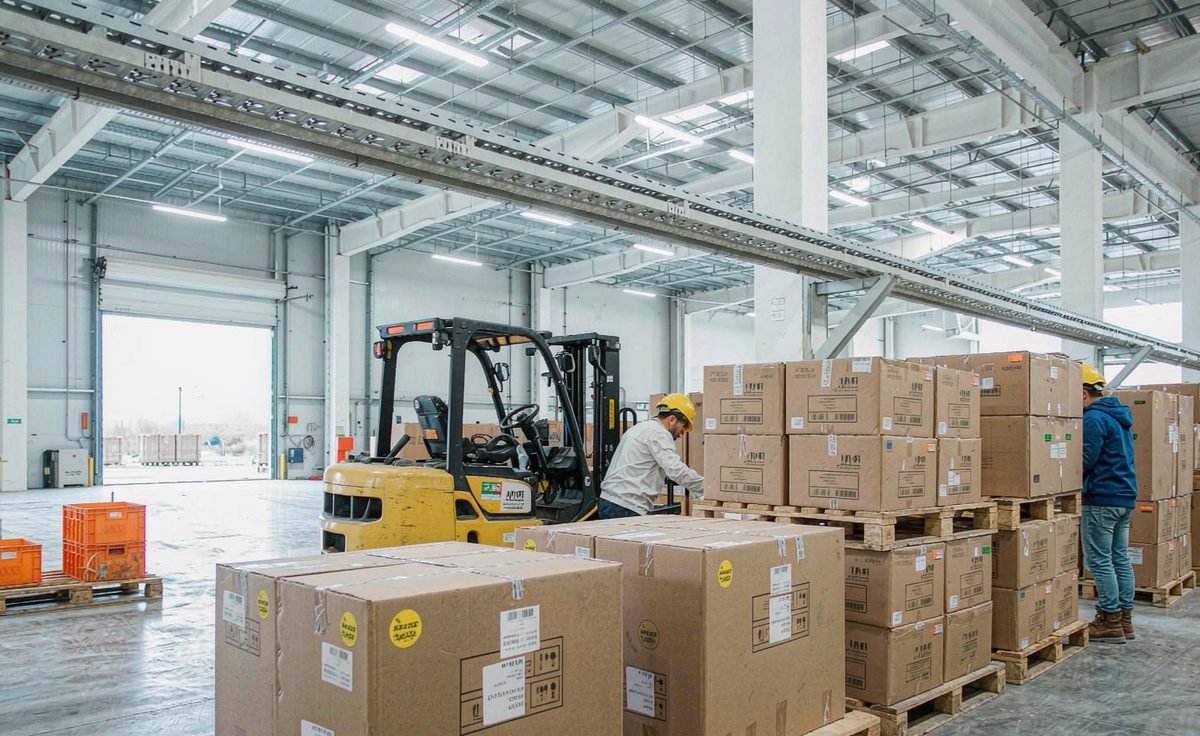
One last principle to carry into the exercise: freight cost reduction is a process, not a project. The importers with the lowest landed costs are rarely the best negotiators — they are simply the ones who review rates on a schedule, ask for itemized invoices as a habit, and treat every quote as perishable. Put the June audit in your calendar, and the December one beside it. Your margin will quietly thank you twice a year, every year.
Frequently Asked Questions
How often should I re-quote my China freight rates?
At minimum twice a year — once before Chinese New Year and once in June before peak season. Spot rates can move 20–40% between quarters, so a rate locked in January is often badly out of date by mid-year. Importers who re-quote mid-year typically recover 8–15% of their annual freight spend.
What is the fastest way to reduce freight costs from China?
Three moves deliver the fastest savings: re-quote your lanes against current market indexes, consolidate multiple supplier orders into one shipment, and switch small repeated LCL shipments into a monthly consolidated box. Together these typically cut 10–25% from total landed freight spend without changing your suppliers.
Does consolidating shipments really save money?
Yes. Each separate shipment carries its own documentation, pickup, customs and destination fees. Combining three LCL shipments from different Shenzhen suppliers into one consolidated lot can save roughly USD 300–600 per shipment in fixed fees, plus a better per-CBM rate on the larger volume.
Are freight rate indexes like Drewry WCI useful for importers?
They are a useful sanity check. The Drewry World Container Index and Freightos Baltic Index show what the spot market is doing on major lanes, so you can tell whether the quote in front of you is competitive. Indexes reflect generic 40-foot boxes, so expect your final door-to-door quote to differ, but the trend direction is reliable.
Should I switch from port-to-port to door-to-door to save money?
It depends on your inland situation, but door-to-door DDP often costs less in total once you add destination port fees, customs entries, drayage and broker charges you would otherwise pay separately. Ask your forwarder for both versions of the quote and compare the all-in landed cost per CBM, not the headline ocean rate.
- Container Tracking: How to Track Your Container Step by Step
- Peak Season Is Coming: Why You Should Book Q3 Space Now
- Golden Week 2027: Shipping Deadlines You Can't Miss
- Restocking Shopify Inventory from China: A Timing Framework
- What Does It Cost to Ship Pet Supplies from China? Cost Factors Explained
- New Importer's Guide: Shipping from China Step by Step
Get Today's Rate & Lock Your Discount
Waymore Shipping offers FCL & LCL ocean freight from every major port in China — Shanghai, Ningbo, Shenzhen, Guangzhou, Qingdao, Xiamen, Tianjin and more. Rates updated weekly with carrier discounts.