Peak Season Is Coming: Why You Should Book Q3 Space Now
- Peak season on China exports runs July–October, with the tightest space in August–September.
- Spot rates in Q3 regularly climb well above first-quarter levels, and carriers stack general rate increases on top.
- Late bookers pay the peak season surcharge and risk getting rolled to a later vessel.
- Book FCL 3–4 weeks out (5–6 for August/September); LCL 2–3 weeks out.
- Allocated space from a forwarder often beats spot pricing even at the height of the peak.
Peak season shipping from China means competing for container space between July and October, when every retailer in Europe and North America is restocking for Black Friday and Christmas at the same time. The practical answer for importers is simple: book Q3 space in May or June, lock the rate before surcharges stack, and treat August like the busiest airport of the year — you don't buy your ticket at the gate.
Our operations team has watched this cycle repeat for years: calm, discounted spring rates, then a mid-summer surge that catches late planners off guard. Here is exactly what happens, when it happens, and how to position your cargo on the right side of it.
When Is Peak Season in Container Shipping?
For the China export trade, peak season runs from roughly early July to late October. The demand curve is built on Western retail calendars: back-to-school goods must be on shelves by August, Halloween and Black Friday stock by October, Christmas inventory by early November. Cargo loaded in Shanghai or Ningbo in September reaches Los Angeles about two to three weeks later, then needs another week or more for customs, drayage and Amazon-style receiving — so the shipping peak always leads the retail peak.
There is a second, smaller peak before Chinese New Year (late January into February), when factories shut down for two to three weeks and everyone rushes to ship beforehand. But Q3 is the bigger squeeze, because it coincides with carriers' peak season surcharges and capacity re-injection after spring blank sailings.
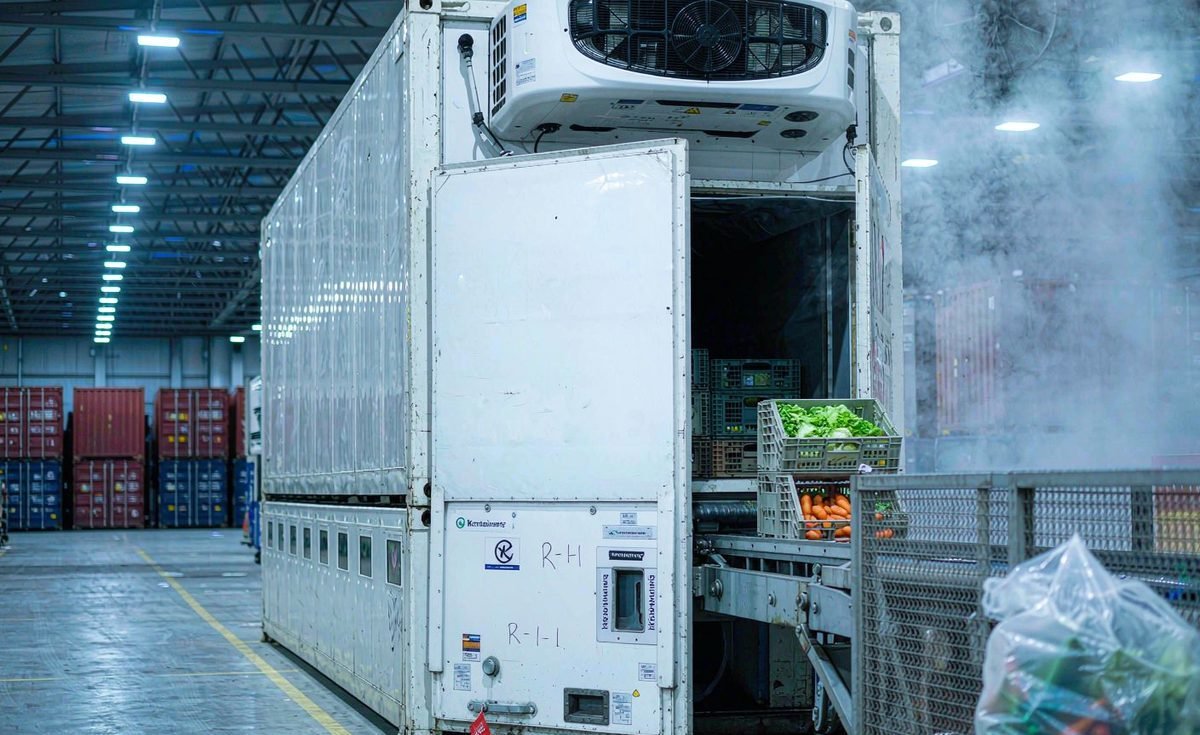
Note that peak season reaches further than the ports themselves. Container yards in Shenzhen, Ningbo and Shanghai fill first, then CFS warehouses get backed up as LCL volumes double, then trucking capacity in the Pearl River Delta and around Shanghai tightens — factory pickups start slipping a day or two before anything shows up in a freight index. Book early and none of this touches you; book late and it hits at every stage of the chain at once.
Why Do Freight Rates Increase in Q3?
Three forces stack at once. First, demand: Q4 retail restocking creates the single biggest annual spike in containerized imports from Asia. Second, capacity discipline: carriers, which blank (cancel) sailings in soft months, redeploy every available vessel in Q3 — but demand can still outpace slots on popular loops. Third, pricing mechanics: carriers file general rate increases (GRIs) and a peak season surcharge, usually per container, announced in waves from June onward.
You don't have to take our word for the pattern: the Drewry World Container Index and the Freightos Baltic Index both historically show composite spot rates rising through Q3 to well above Q1 levels, while analysts such as Sea-Intelligence track how schedule reliability drops in the same window — late vessels create missed connections, which create more late vessels.
What Is a Peak Season Surcharge, Really?
The peak season surcharge (sometimes labeled PSS or PSS-W) is a carrier-imposed fee, usually charged per container, that switches on during high-demand months and — importantly — does not always switch off promptly when demand cools. It is separate from base ocean freight, from the general rate increases announced through the season, and from origin/destination local charges. A quote you receive in June may show a base rate that looks identical to May's, with the surcharge added as a separate line from July 1.
Two practical consequences follow. First, always compare quotes all-in: base + surcharges + local fees, or the comparison is meaningless. Second, surcharges are announced in effective-date waves, so a booking confirmed before the next announcement date keeps the lower tier. This is the concrete, mechanical reason early booking saves money — not marketing, just calendar arithmetic.
What Happens If You Wait Until July or August?
We keep records of what late bookers experienced versus our clients who locked space in advance. The gap is consistent year after year:
| Booking window | Space availability | Rate level vs. May booking | Rollover risk | Typical added transit |
|---|---|---|---|---|
| Booked in May/June | Full choice of sailings and carriers | Baseline (100%) | Low | None |
| Booked in July | Some loops full; mid-week options gone | +15–30% | Moderate | 2–5 days |
| Booked in Aug–Sep peak | Tight; premium surcharges common | +30–60% | High — rolling is routine | 5–10 days |
| Walk-in booking, peak week | Spot market only, no allocation | +50% or more | Very high | 7–14 days |
The hidden cost isn't only the rate. A rolled container doesn't just arrive late — it can miss a scheduled FC appointment, trigger demurrage at the destination port, and push your stock past the selling window it was bought for. A container of seasonal goods that arrives three weeks late can be worth far less than the freight saved by booking early.
One anonymized example from our files: a German retailer booked a 40HC of summer-closure stock in early August, at the height of the surge, after being quoted a May rate that no longer existed. The container rolled twice, sailed 9 days late, and arrived after the promotional window it was purchased for. The freight difference versus a June booking was under $900; the markdown value of the missed season, by the client's own accounting, was over $30,000. Peak season risk is a schedule risk first and a price risk second.
How Far Ahead Should You Book for Peak Season?
FCL shipments
Book 3–4 weeks before your planned ship date through Q3, and 5–6 weeks ahead for cargo loading in August or September — the absolute peak of the peak. Early booking does two things: it secures space with the carrier, and it locks the rate before the next surcharge wave is announced.
LCL shipments
LCL consolidations sail weekly, so space is less of a battle — but peak season surcharges apply per CBM, and CFS warehouses near Shenzhen and Shanghai get congested. Book LCL 2–3 weeks out and confirm the rate in writing, because spot-plus-surcharge quotes issued in July can look very different from the all-in rate you were promised.
Air freight
Air capacity also tightens in Q3 as e-commerce volumes spike. If you plan any air restocks for fall, get them quoted and scheduled now; air rates quoted in July for September uplift are routinely higher than May commitments.
How Do You Work the Timeline Backwards?
Early booking only works if you know your true deadline, so build it backwards from the shelf, not forwards from the factory:
- Shelf date. When must the product be sellable? Say November 1 for a Black Friday promotion.
- Warehouse-ready date. Subtract receiving time — 3–7 days for a standard warehouse, longer for marketplace FCs in Q4. Now October 22.
- Port arrival. Subtract customs, drayage and local handling — about 5–8 days on the US West Coast, 3–5 days into North Europe. Now October 15.
- Vessel departure. Subtract transit — 14–18 days to LA/Long Beach, 30–35 days to North Europe. Now late September (US) or early September (EU).
- Booking date. Subtract the 3–5 weeks of peak-season lead time from the table above, plus factory production. For the EU leg, that means booking space in July — while the ports are still calm.
Run this once per season and you will never again be the shipper asking for space "next week" in the last week of August.
What Are the 5 Steps to Lock Your Q3 Space Now?
- Forecast your Q4 sell-through. Work backwards: sales forecast → stock needed at FC/warehouse by late October → ship date from China 5–6 weeks earlier (sea).
- Get an all-in quote, not a base rate. Ask exactly which surcharges are included. Our guide to hidden fees in freight quotes shows you the checklist.
- Book against allocated space. Ask whether your forwarder holds carrier allocation for Q3 or is buying spot for you. Allocated space is what survives the surge.
- Confirm rollover protection in writing. Know what happens if your container does get rolled — who rebooks, who pays the difference.
- Build a buffer into your promises. Whatever you promise your customers or your marketplace listings, add the peak-season delay days from the table above.
The mechanics of why all this happens — surcharge structures, capacity swings, the economics of GRI announcements — are explained in depth in our article on why freight rates spike in Q3, and what a "rolled" container actually goes through is covered in our container rollover explainer.
If your Q3 cargo includes stock for marketplaces and fulfillment centers rather than your own warehouse, pad the destination side of the timeline too: receiving appointments tighten in autumn exactly when origin space tightens. And if you are comparing a forwarder-arranged door service against buying the ocean leg yourself, our guide to booking ahead before Chinese New Year applies the same early-booking logic to the year's second peak — the principles transfer directly.
Frequently Asked Questions
When is peak season in container shipping?
Peak season on the China export trade runs from roughly July through October, driven by back-to-school, Black Friday and Christmas inventory restocking. The tightest space and highest rates usually hit August and September, with a second squeeze before Chinese New Year in January.
How far in advance should I book peak season freight from China?
For FCL, book 3–4 weeks before your planned ship date during peak season, and 5–6 weeks for the August–September peak of the peak. For LCL, 2–3 weeks ahead is usually enough, but lock the rate earlier — peak season surcharges are announced in waves and only early bookings escape the highest tiers.
What happens if I ship during peak season without booking early?
Expect three things: rolled cargo moved to a later vessel, premium space surcharges that can add several hundred dollars per container, and longer transit as vessels slow-steam and ports queue. LCL cargo can sit a week or more waiting for the next consolidated sailing when CFS warehouses are full.
Why do freight rates increase in Q3?
Demand from Western retailers restocking for Q4 holidays collides with finite vessel capacity, and carriers respond with general rate increases, peak season surcharges and capacity management. Industry indexes from Drewry and the Freightos Baltic Index consistently show Q3 spot rates climbing well above first-quarter levels.
Can I still get discounted rates during peak season?
Yes — forwarders holding allocated carrier space can often offer below-spot rates even in August and September, because that space was committed before the peak. Waymore updates discounted weekly rates for FCL and LCL from every major Chinese port; booking against allocation beats booking at spot almost every time.
- Peak Season Freight Rates: Space, Rates & Lead Times
- Why Do Freight Rates Spike in Q3? Peak Season Explained
- Direct vs Transshipment: Which Service Should You Book?
- The 12-Month Freight Season Calendar: Low vs Peak Pricing
- Peak Season 2027 Playbook: Booking Windows That Save Money
- Peak Season 2028 Playbook: Booking Windows That Save Money
Get Today's Rate & Lock Your Discount
Waymore Shipping offers FCL & LCL ocean freight from every major port in China — Shanghai, Ningbo, Shenzhen, Guangzhou, Qingdao, Xiamen, Tianjin and more. Rates updated weekly with carrier discounts.