Golden Week Warning: Ship Before China's October Holiday
- Golden Week 2026 runs October 1–7; most factories close from ~September 30 and restart only by October 8–12.
- Ports, vessels and customs stay open — but trucking, warehousing and factory output collapse for a week.
- Realistic total disruption window: 3–4 weeks, including the pre-holiday customs rush and post-holiday booking surge.
- Cut-off for safe pre-holiday dispatch: cargo warehouse-ready by ~September 25, customs lodged by September 30.
- Book space in early September; late bookers face rolled cargo and rising spot rates through late October.
Golden Week (October 1–7, 2026) shuts down most Chinese factories for a full week, and the logistics ripple effect lasts 3–4 weeks. Ports and vessels keep running, but factory output, trucking and warehouse staffing collapse — so cargo that is not out of the factory by late September typically arrives 10–18 days later than if it had sailed in mid-September. The fix is simple: move your shipping decision into the first half of September.
Every autumn our operations team lives through the same pattern: importers who treated Golden Week as "just a week off" and importers who planned around it end up with cargo on the same lanes but two very different outcomes — one group pays holiday surcharges and waits three extra weeks, the other pays standard rates and ships on schedule. This article gives you the exact 2026 timeline, what actually closes, and a week-by-week action plan.
When Is Golden Week 2026 and What Actually Closes?
Golden Week celebrates China's National Day. The official holiday is October 1–7 per the State Council's public holiday arrangement (published on gov.cn), but the operational reality is wider:
- Factories: most close from September 30; many migrant workers travel home, and realistic full production restart is October 8–12. Some factories run at half capacity until mid-October.
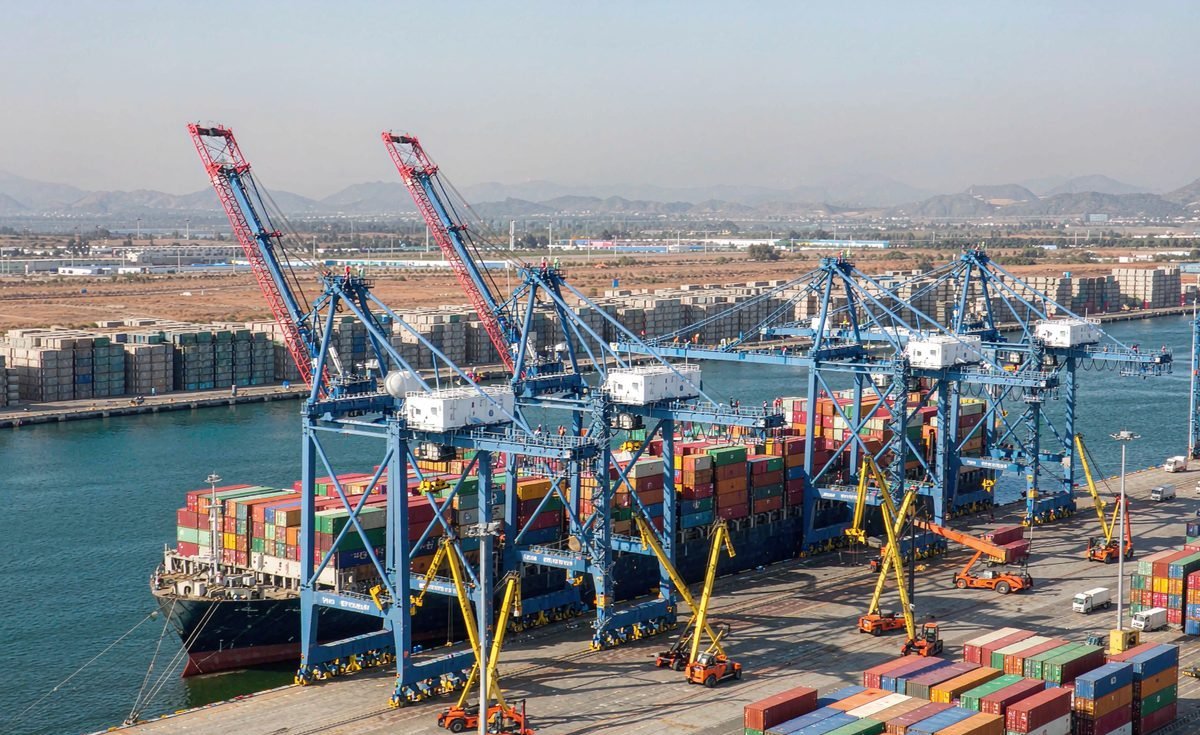
- Container terminals & vessels: fully operational. Ships sail on schedule all week.
- China Customs: offices operate (clearance continues), but pre-holiday declaration volume is enormous and post-holiday exam backlogs are common.
- Trucking & drayage: severely reduced during the holiday; drivers take leave and factory gates are shut anyway.
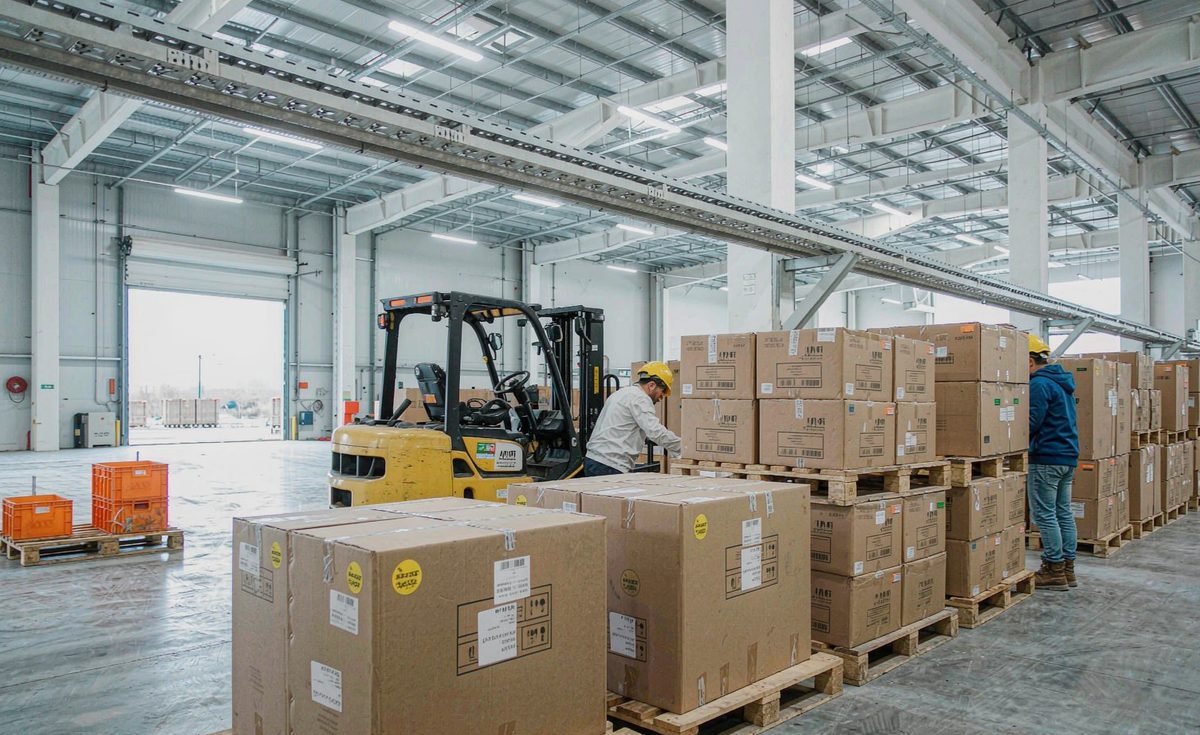
- Forwarder warehouses: most operate skeleton crews. Waymore maintains full staff through the holiday for cargo already in our facilities.
- Suppliers' offices: unreachable. If you need an updated invoice or packing list corrected during the holiday, expect silence until October 8.
The key mental model: Golden Week does not stop the ships — it starves them of new cargo, then floods them after. The disruption is a flow problem, not a closure problem, and that shapes every recommendation below.
How Long Do Golden Week Shipping Delays Actually Last?
Based on our dispatch data from previous years across Shanghai, Ningbo, Shenzhen and Qingdao, here is the realistic week-by-week picture:
| Period | What happens | Delay impact | Your move |
|---|---|---|---|
| Sep 1–12 | Booking space tightens; smart importers confirm September departures | Minimal | Book space now; lock rates |
| Sep 15–25 | Peak pre-holiday factory pushes; trucking slots scarce; warehouse intake surges | +1–3 days on pickup | Cargo must be produced/inspected |
| Sep 26–30 | Customs declaration rush; port gates congested; last pre-holiday vessels fill | +2–4 days on dispatch | Gate in / lodge declarations |
| Oct 1–7 | Holiday. Vessels sail, factories shut, trucking minimal, offices quiet | New dispatches stall | Only pre-staged cargo moves |
| Oct 8–18 | Restart chaos: booking surge, equipment shortage, exam backlogs | +5–10 days on new bookings | Already-booked mid-Oct space wins |
| Oct 19–31 | Space and rates gradually normalize; Black Friday cargo pressure builds | Normalizing | Resume normal cadence |
Add it up and the practical disruption window is roughly five weeks — late September through late October. Port congestion dashboards such as IMF PortWatch make the pattern visible each year: Chinese hub ports show elevated congestion signatures in the days before the holiday and again during the restart surge.
Do Freight Rates Rise Around Golden Week?
Usually, yes — at both ends. Before the holiday, exporters race to move cargo, which supports spot rates; indexes like the Shanghai Shipping Exchange's SCFI historically show a pre-holiday climb. After the holiday, carriers often introduce blank sailings (canceling voyages to match the demand dip), which paradoxically tightens space right when restart demand floods back — pushing rates up again through mid-to-late October. Analysts at Sea-Intelligence track these blank-sailing programs, and in recent years the post-Golden Week space squeeze has been as disruptive as the holiday itself.
The practical consequence: the "cheap week" importers hope for in early October rarely materializes. Waiting usually means paying October's restart premium instead of September's normal rates — and arriving later.
What Should Importers Do? A Week-by-Week Action Plan
If your cargo must ship before the holiday
- Now (early September): confirm with each supplier the exact date finished goods will be ready. Add inspection time — pre-holiday QC capacity is as scarce as trucking.
- By September 12: book vessel space for departures September 20–30. Ask your forwarder for back-up voyages; rollovers spike when everyone books the same last vessels.
- By September 25: cargo delivered to the forwarder's warehouse, inspected, counted.
- By September 28: final documents (commercial invoice, packing list, HS codes) with your forwarder so customs declarations lodge before the September 30 rush.
- September 29–30: gate-in. Do not plan a September 30 gate-in for a September 30 cut-off — leave zero margin and you will roll.
If your cargo will inevitably ship after the holiday
Do not simply wait. Book mid-October departures now, before the restart surge, and get your supplier's written restart date. Have documents prepared during the holiday week so declarations lodge on October 8 rather than joining the queue on October 10. And consider whether an air freight bridge for a small, high-margin portion of the order protects your sales while the sea cargo catches up — our team models these split-sea-air options for clients every autumn.
Two smart-hedging options
- Ship early, store later. If warehouse space at destination is the constraint, shipping before Golden Week and holding goods in a bonded or forwarder warehouse can be cheaper than paying October's space premium.
- Split the order. Ship the 70% that is ready before the holiday; let the remaining 30% ride a mid-October vessel. Many suppliers will agree to partial delivery more easily than an impossible full-order deadline. Our holiday inventory shipping guide walks through this Q4 planning logic.
Sea, Air, or Express? Choosing a Mode When the Clock Is Short
If your production will not finish until the last week of September, you have three realistic options, and the right answer depends on your margin structure rather than on freight rates alone:
- Rush sea freight (last pre-holiday vessels). Vessels departing September 28–30 still deliver standard ocean transit times — the risk is not the voyage but the gate-in. If your cargo can hit the cut-off with a day to spare, this remains by far the cheapest path. Only choose it if the factory's readiness is confirmed in writing, not "almost done."
- Air freight bridge. Air freight from Chinese hubs to the US and Europe typically takes 3–7 days door-to-door even in busy seasons, at roughly 8–15 times the sea rate per kilogram for general cargo. It rarely makes sense for a full order — but sending 10–15% of the goods (best-sellers, launch stock, samples for key accounts) by air while the balance sails in October often protects an entire quarter's revenue for a modest premium.
- Wait and ship mid-October. The default most importers fall into, and sometimes the correct one — but only if you have actively booked October space and confirmed your supplier's restart date. "Waiting" without a booking means joining the October 8–18 surge queue at whatever the spot rate happens to be.
A quick worked example from last year's cycle: a UK importer of seasonal home décor faced exactly this choice on a 38 CBM order. Rushing the final container onto a September 29 vessel would have required a £2,800 supplier overtime payment to finish production. Instead, they air-freighted 900 kg of pre-sold stock (£3,400) and let the container sail October 14 on a pre-booked service. Total premium versus the ideal pre-holiday dispatch: about £3,100 — versus an estimated £12,000+ in lost October sales had the goods arrived November 1.
The lesson: when the Golden Week clock is short, price the stockout, not just the freight. The cheapest logistics option and the cheapest total option are frequently different, and the difference is usually measured in weeks, not dollars.
How Is Golden Week Different from Chinese New Year?
Importers often ask whether October's disruption is a "mini CNY." The shape is similar; the magnitude is not. Chinese New Year closes factories for 2–4 weeks and empties coastal labor hubs for weeks more, making it the single largest logistics event of the Chinese year — our guide on preparing cargo before Chinese New Year covers that cycle in depth, including the booking windows in booking ahead of CNY. Golden Week is a 7-day event with a 3–4 week footprint: ports stay open, many trading companies keep skeleton staff, and the restart is faster. But the same failure mode applies to both: treating the published holiday dates as the full disruption window. It never is. The window is the ramp-up before plus the surge after — and if you plan against the ramp-up and surge rather than the holiday itself, Golden Week costs you almost nothing.
One more autumn note for sourcing-focused readers: if you are visiting suppliers in October, check the Canton Fair Phase dates (October 15 onward) — many buyers combine a post-holiday factory visit with the Fair, and freight bookings around those dates tighten again.
Frequently Asked Questions
When is China's Golden Week holiday in 2026?
Golden Week runs from October 1 to October 7 in 2026, marking China's National Day. Factories typically close from around September 30 and many do not fully restart production until October 8–12, because workers often travel home and return gradually. The official holiday calendar is published by the State Council, and individual factories may extend closures on either side.
Do Chinese ports still operate during Golden Week?
Yes — container terminals, vessels and customs offices operate throughout the holiday, and ships sail on schedule. The disruption comes from everything around the port: factories closed, trucking capacity reduced, customs declaration volume spiking before the holiday, and warehouses operating on skeleton staff. Ports stay open but the cargo flow into them slows sharply.
How long do Golden Week shipping delays last?
Plan for 2–3 weeks of elevated delays. Cargo not gated in before the holiday waits at origin; factories that restart on October 8–12 create a surge of bookings in mid-October; and space and equipment take another 1–2 weeks to normalize. In practice, cargo dispatched in the first week of October often arrives 10–18 days later than the same cargo dispatched in mid-September.
When should I book shipping to beat Golden Week?
Book vessel space 3–4 weeks before the holiday — for 2026, that means confirming bookings in early September for cargo that must gate in by September 25–28. Production needs to finish earlier still. If your cargo cannot be ready before the holiday, book mid-October departures now rather than fighting the post-holiday rush, and confirm your supplier's exact restart date.
Do freight rates increase around Golden Week?
Frequently, yes. Pre-holiday demand surges combine with carriers' post-Golden Week blank-sailing programs (they cancel voyages when volumes dip), which tightens space and pushes spot rates up through mid-to-late October. Indexes like the Shanghai Containerized Freight Index typically show a pre-holiday climb and a choppy plateau afterwards. Booking early locks rates before the climb.
Can I still ship during Golden Week if my cargo is ready?
Yes. If goods are produced, inspected and delivered to the forwarder's warehouse before the holiday, loading and sailing proceed normally. The critical step is completing customs export declarations before September 30, when declaration volume peaks and government system queues lengthen. Work with a forwarder who keeps a full operations team on duty through the holiday.
- Golden Week Dispatch Guide: What Closes & What Doesn't
- Golden Week 2027: Shipping Deadlines You Can't Miss
- Golden Week 2028: Shipping Deadlines You Can't Miss
- How to Prepare Your Cargo Before Chinese New Year
- Double 11 & Holiday Stock: Why October Bookings Matter
- How to Prepare Your Cargo Before Chinese New Year 2028
Get Today's Rate & Lock Your Discount
Waymore Shipping offers FCL & LCL ocean freight from every major port in China — Shanghai, Ningbo, Shenzhen, Guangzhou, Qingdao, Xiamen, Tianjin and more. Rates updated weekly with carrier discounts.