Shipping Cosmetics & Beauty Products from China: The Complete Exporter's Guide
- Most cosmetics ship as general cargo by ocean — but perfume, aerosols and high-alcohol toners are Class 3 dangerous goods and need DG declaration and packaging.
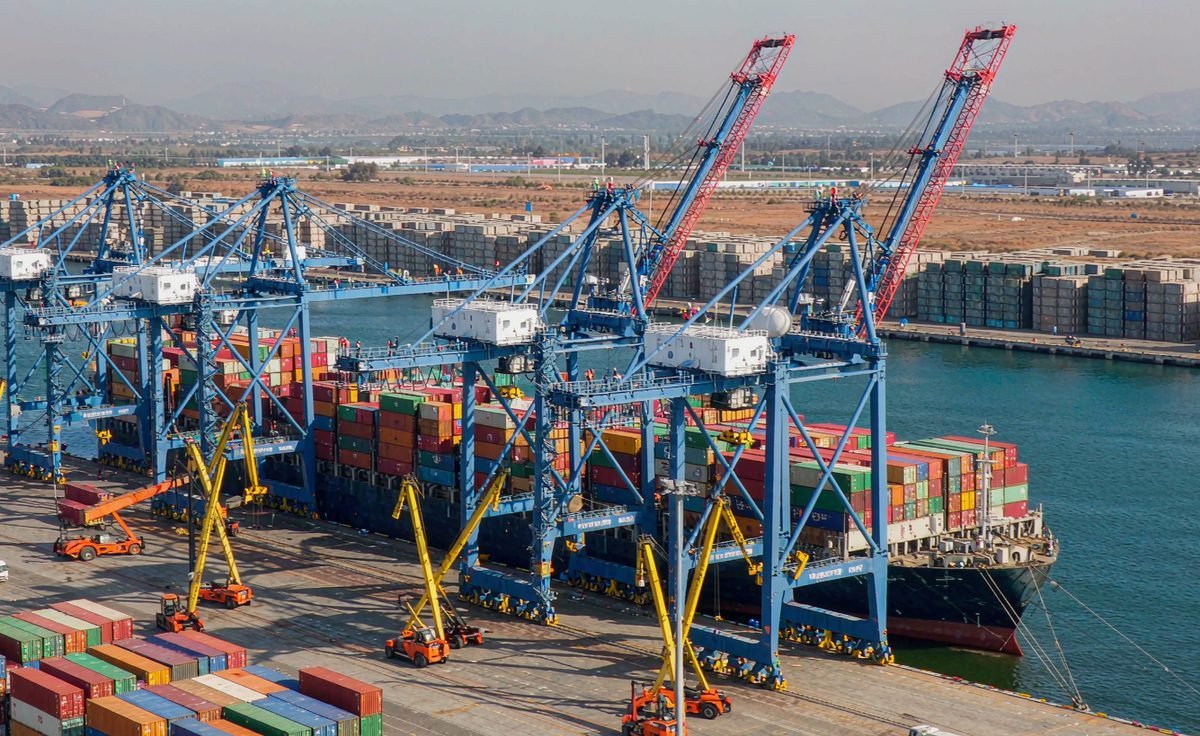
- Guangzhou and Shenzhen are the natural ports for the Pearl River Delta cosmetics belt; Ningbo serves Yiwu and Zhejiang suppliers.
- LCL consolidation suits orders of 2-15 CBM; full 40HC loads win on cost per unit once you exceed roughly 28-30 CBM.
- Leakage and glass breakage are the top loss causes — carton quality, dividers and all-risks insurance are your defenses.
- Waymore Shipping quotes cosmetics lanes from every major Chinese port, with weekly carrier discounts and pre-shipment DG checks.
Shipping cosmetics and beauty products from China is straightforward for powders and pencils — and surprisingly regulated for anything with alcohol in it. Skincare, makeup and haircare move as general ocean cargo, while perfume and aerosols must be declared as Class 3 flammable dangerous goods. Get the classification right, pack for consolidation handling, and pick the port closest to your suppliers, and cosmetics are among the most predictable cargo types we move.
We consolidate beauty cargo every week out of Guangzhou and Shenzhen — private-label serums, eyeshadow palettes, hair oils, press-on nails and full perfume lines for brands in the US, UK, Gulf and Australia. This guide covers what actually matters on this lane: cargo categories and their rules, packaging that survives the journey, port selection, realistic transit times, and the pain points buyers hit most.
What Kind of Cargo Is Your Cosmetics Order, Exactly?
The first thing our Shenzhen operations team asks a beauty buyer is not "how many CBM" but "what's in the bottles". That determines the shipping treatment:
- General cargo (no restrictions): pressed powders, eyeshadow palettes, mascara (most formulations), lip liners, brushes, sponges, empty packaging, solid soaps.
- Limited-quantity DG (ocean OK, air restricted): nail polish (UN1263), perfume and eau de toilette (UN1266), aerosol hairsprays (UN1950), alcohol-based toners above the flashpoint threshold. These need a dangerous goods declaration, UN-certified inner packaging and a DG booking with the carrier — never mixed into an ordinary LCL consolidation without disclosure.
- Temperature-sensitive: lipsticks, balms and some emulsions soften above ~40°C; fragrances evaporate through poorly sealed caps on long heat exposure.
- Fragile-heavy: glass bottles and jars dominate skincare. Breakage, not regulation, is where cosmetic cargo loses money.
The IMDG classification framework for flammable liquids is maintained by the International Maritime Organization, and air restrictions follow IATA's Dangerous Goods Regulations. In practice: declare perfume at quotation stage and we'll quote the DG-inclusive rate in one number, instead of discovering a DG problem at container stuffing.
Which Port Should You Ship Cosmetics From?
China's beauty supply chain is geographically clustered, and port choice follows the factory:
| Supplier Cluster | Best Origin Port | Why | Typical Direct Services |
|---|---|---|---|
| Guangzhou (Baiyun district), Foshan | Nansha / Huangpu, Guangzhou | Factories 1-2h from terminal; cheapest trucking | US West Coast, EU, Middle East weekly |
| Shenzhen, Dongguan, Huizhou | Yantian / Shekou, Shenzhen | Deepest US/EU direct coverage, fastest cut-offs | Multiple weekly USWC, USEC, North Europe |
| Yiwu, Hangzhou, Zhejiang suppliers | Ningbo-Zhoushan | Avoids cross-country trucking to Guangdong | US, EU, Australia weekly |
| Shanghai & Jiangsu OEM labs | Shanghai | Local pickup, large sailings | Global weekly |
| Air shipments (launches, samples) | Guangzhou (CAN), Shenzhen (SZX), PVG | Cosmetics-belt airports; DG-licensed handlers on site | Daily departures |
Sailing frequency matters more than headline rate for beauty cargo: a $150 saving on a slower routing means nothing if your product launch misses the season. That's why our quotes always list the vessel and ETD, not just the price — and why we compare both Guangzhou and Shenzhen loadings when a customer's factories straddle the Delta.
How Long Does Ocean Freight Take — and How Do the Modes Compare?
Realistic door-to-door planning numbers for a mid-sized beauty order (say 12 CBM of skincare plus 1,200 units of nail polish) look like this:
| Lane | Ocean Transit | Add for Clearance + Delivery | Air Door-to-Door (for comparison) |
|---|---|---|---|
| Yantian → Los Angeles | 14-18 days | 5-8 days | 5-8 days total |
| Ningbo → New York | 28-35 days | 5-8 days | 6-9 days total |
| Shenzhen → Felixstowe/London | 30-38 days | 4-7 days | 6-9 days total |
| Guangzhou → Jebel Ali (Dubai) | 16-21 days | 3-6 days | 4-7 days total |
| Shanghai → Sydney | 12-16 days | 4-7 days | 4-7 days total |
For most replenishment orders, ocean wins easily — beauty products rarely depreciate while afloat, unlike fashion with hard season windows. Air freight earns its cost for product launches (get stock selling while the main ocean order follows), influencer campaign restocks, and DG-free samples. Nail polish and perfume by air are possible but costly and limited in quantity — most brands air their palettes and brushes and ocean their liquids.

What Packaging Does Cosmetics Cargo Actually Need?
Three failure modes drive almost every cosmetic cargo claim, and all three are preventable at the carton level:
- Leakage. Pumps and caps loosen under vibration. Factories should torque-test caps, add induction seals or film wraps under caps for serums and oils, and use polybags around each unit so one leak can't stain a pallet-mate.
- Glass breakage. Dividers or molded inserts per bottle, minimum double-wall cartons, and a strict stack limit printed on the carton. Our rule: any carton holding glass over 100ml gets palletized, never floor-loaded loose into a consolidation.
- Crushed retail boxes. Beauty cartons are retail-displayed, so dented corners cost sales. Internal fill (air pillows, molded pulp) keeps units from rattling; corner boards and full wrap protect pallet edges.
If your carton quality is marginal, LCL makes it worse — consolidated cargo gets handled more often. That's one reason we published a full guide on how to load cosmetics and beauty products into a container without damage, with CBM layouts and stacking rules. And since one leaked drum of hair oil can damage neighboring consignments in a consolidation, all-risks cover under Institute Cargo Clauses (A) is what we recommend — see cargo insurance explained: what it covers and what it doesn't.
Mini-Case: A 40HC of Private-Label Skincare, Guangzhou → New Jersey
In September 2026 a US beauty brand booked a full 40HC: 61 CBM, 9.8 tons, 1,940 cartons of boxed serum sets and creams from three Guangzhou OEM factories. Two issues surfaced at booking: one factory's cartons were single-wall with 40 bottles per carton (our loading plan capped them at 30 with dividers), and a small line of "facial mists" turned out to contain 40% alcohol — undeclared DG. We rebooked the mists into a separate DG-approved LCL shipment and loaded the general cargo on schedule: Nansha → New York, 31 days ocean, delivered Jersey City 39 days after pickup. The alternative — discovering the alcohol mists during a carrier DG inspection — would have meant offloading and a rolled container plus penalties.
How Should You Time Bookings Around Chinese Holidays and Peak Seasons?
Cosmetics production is heavily concentrated ahead of retail peaks — Q4 gifting, Chinese New Year (late January/February 2027), Ramadan for Gulf markets and Mother's Day for Western markets. The freight calendar punishes late planners:
- Pre-CNY (December-January): factories rush finished goods out before a 2-3 week shutdown; container space tightens and rates climb from early December. Book 3-4 weeks earlier than your normal cycle, and lock cut-off dates with suppliers in writing — factories that miss the boat before CNY sit on stock for a month.
- Post-CNY (late February): sailings resume but factory labor returns gradually; expect slow production starts even though vessels are available.
- Golden Week (early October): a shorter disruption — ports work through most of it, but customs declaration desks and inspection stations run skeleton staffing for several days.
- Q4 peak (September-November): retail stocking pushes USWC and Europe sailings to full utilization; roll risk rises on cheaper services, which is why we book guaranteed-vessel options for beauty launches in this window.
A practical rule our Guangzhou desk applies: for any cosmetics order that must be on shelves by a fixed retail date, we schedule the vessel ETD a full week before the "latest arrival" calculation, then work backward to a production finish date — and we tell the brand that date, not the ocean date. Buffer belongs in production, never in the ocean leg, because ocean delays are largely out of anyone's hands once the container gates in.
How Should Small Beauty Brands Choose Between LCL, FCL and DDP?
Use LCL below roughly 15 CBM — you pay per CBM and test the market without tying up capital in a full container. Move to FCL when a 20GP (~28 CBM usable) starts to fill: per-unit freight drops sharply and your goods never share a container with strangers' cargo. DDP suits first-time importers who don't yet have a customs broker or want landed cost certainty — our DDP desk handles clearance and duties to the warehouse door. For the FCL-vs-LCL math on your exact volume, see FCL vs LCL: which is cheaper for your volume?, and for destination-side cosmetics import rules (FDA MoCRA in the US, CPNP in the EU), read exporting cosmetics from China: compliance, documents and destination rules.
Frequently Asked Questions
Is perfume dangerous goods when shipping from China?
Yes. Perfume and eau de parfum contain alcohol and ship as UN1266 Perfumery products, Class 3 flammable liquid. Ocean freight requires a DG declaration, UN-certified packaging and a DG surcharge; air freight is heavily restricted and usually limited to small quantities under IATA DGR provisions.
What is the best port in China for shipping cosmetics?
It depends where your suppliers cluster. Guangzhou and Shenzhen (Yantian/Shekou) serve the Pearl River Delta cosmetics belt with the most US and EU sailings; Yiwu-area shippers often route via Ningbo. Choosing the port nearest your factories saves inland trucking and reduces pre-carriage damage risk.
Can I ship cosmetics by LCL consolidation?
Yes, and most small beauty brands do. LCL works well for 2-15 CBM of skincare and makeup, provided cartons are strong enough for consolidation handling. Fragrances, aerosols and alcohol-based toners need DG approval before they can join a consolidated container.
How long does ocean freight take for cosmetics from China to the US and EU?
Shenzhen or Ningbo to Los Angeles/Long Beach runs about 14-18 days on direct services; to New York roughly 28-35 days; to Rotterdam or Hamburg 30-40 days. Add 5-10 days on each side for customs and delivery when calculating your total lead time.
Do cosmetics need special insurance?
Insure glass-heavy and liquid cosmetics at full invoice value. Leakage and breakage are the top cosmetic claims; all-risks marine coverage under Institute Cargo Clauses (A) is inexpensive relative to cargo value and typically adds well under one percent of insured value on ocean legs.
Does temperature damage cosmetics in a shipping container?
Extended heat can soften lipsticks, separate emulsions and accelerate fragrance evaporation. Containers crossing the Pacific in summer can exceed 45°C internally. Choose sailings that avoid peak heat where possible, use insulated liners for sensitive formulas, and never stack cosmetics next to heat-generating cargo.
- Shipping Plastic Products from China: The Complete Exporter's Guide
- Shipping Ceramics & Tableware from China: The Complete Exporter's Guide
- Shipping Building Materials from China: The Complete Exporter's Guide
- Shipping Sporting Goods from China: The Complete Exporter's Guide
- Shipping Agricultural Machinery from China: The Complete Exporter's Guide
- Shipping Industrial Chemicals from China: The Complete Exporter's Guide
Get Today's Rate & Lock Your Discount
Waymore Shipping offers FCL & LCL ocean freight from every major port in China — Shanghai, Ningbo, Shenzhen, Guangzhou, Qingdao, Xiamen, Tianjin and more. Rates updated weekly with carrier discounts.