Shipping from China to Pakistan: The Complete 2027 Guide
- Ocean freight to Karachi runs 18–26 days from Shanghai/Ningbo direct, 25–35 days from South China via Colombo or Port Klang.
- Late-2026 all-in port-to-port: 20GP $800–$1,400, 40HC $1,300–$2,200; LCL $15–$28/CBM.
- Karachi Port suits consumer cargo; Port Qasim suits industrial/textile cargo — both serve Punjab via 1,200–1,400 km inland haulage.
- Pakistan customs clears via the WeBOC system; plan for sales tax (18% standard), regulatory duty and valuation scrutiny.
- Book 3–4 weeks ahead before Chinese New Year and Ramadan/Eid — both compress this lane's capacity hard.
Shipping from China to Pakistan takes 18–35 days by sea (port-to-port, depending on origin port and service) or 4–8 days door-to-door by air. A 20GP container costs $800–$1,400 all-in port-to-port in late 2026, LCL runs $15–$28 per CBM, and air freight $2.60–$5.50 per kg. Most cargo lands at Karachi Port or Port Qasim and clears Pakistani customs through the WeBOC system.
Pakistan is one of the busiest lanes from our Guangzhou and Yiwu offices — machinery to Lahore's industrial estates, mobile accessories to Karachi's Saddar wholesale market, textile chemicals to Faisalabad. This guide walks through the whole chain: routes, rates, documents, timelines and the decisions (FCL vs LCL, FOB vs DDP, sea vs air) that decide your landed cost.
Which China ports and Pakistan ports handle this lane?
Chinese origins
Shanghai and Ningbo offer direct weekly services to Karachi with the shortest transits. Shenzhen (Yantian/Shekou) and Guangzhou (Nansha) consolidate the biggest share of Pakistan-bound LCL because most of Pakistan's imported consumer goods are bought in the Pearl River Delta. Qingdao and Tianjin serve machinery and industrial cargo, typically with transshipment.
Pakistani gateways
- Karachi Port — KICT and SAPT terminals; consumer goods, retail cargo, best container line frequency.
- Port Qasim (QICT) — industrial hinterland, textile mills, bulk and project cargo; slightly cheaper terminal handling for some carriers.
- Inland destinations — Lahore, Faisalabad, Sialkot, Rawalpindi are 1,200–1,400 km from the ports; plan 2–4 extra days and $800–$1,600 per 40HC trucking (or rail-rail "dry port" routings via Faisalabad/Iqbalabad for cheaper but slower moves).
Port congestion on this lane is real but episodic — Karachi channel drafts and Qasim berth queues fluctuate month to month. Before locking a tight delivery date we check live berth congestion on IMF PortWatch, and our port congestion survival guide explains the workarounds.
How much does shipping from China to Pakistan cost?
| Mode | Typical price | Door-to-door transit | Best for |
|---|---|---|---|
| FCL 20GP (Shanghai→Karachi) | $800–$1,400 port-to-port | 25–33 days | 13+ CBM, machinery, heavy cargo |
| FCL 40HC (Shanghai→Karachi) | $1,300–$2,200 port-to-port | 25–33 days | Light bulky goods, 55–68 CBM |
| LCL consolidation (SZ/GZ) | $15–$28/CBM + fixed fees | 32–45 days | 1–12 CBM mixed supplier cargo |
| Air freight (CAN/PVG→KHI) | $2.60–$5.50/kg | 4–8 days | Urgent, samples, electronics |
| DDP door-to-door (sea) | Quoted per shipment, duty+tax inclusive | 35–50 days | First-time importers, e-commerce |
Freight is only 60–75% of the ocean bill. Origin side adds THC (~$100/box), documentation, export declaration. Destination side at Karachi adds destination THC, D/O, terminal fees — typically $250–$450 per box unless your terms say otherwise. On top sit Pakistani import taxes: basic customs duty (0–20% on most goods, higher for luxury items), additional customs duty, regulatory duty on selected HS codes, 18% sales tax (higher for some categories), and advance income tax — figures that dwarf the freight. Our Pakistan customs clearance guide itemizes these line by line.
FCL, LCL or air: choosing the right service
When LCL wins
Below 13–15 CBM. Pakistan's LCL rates are among Asia's lowest because of heavy consolidation volume, but destination CFS charges at Karachi accumulate per CBM — above ~14 CBM a 20GP usually becomes cheaper overall and clears faster (no de-stuffing queue). See our FCL vs LCL cost comparison for the full math.
When air wins
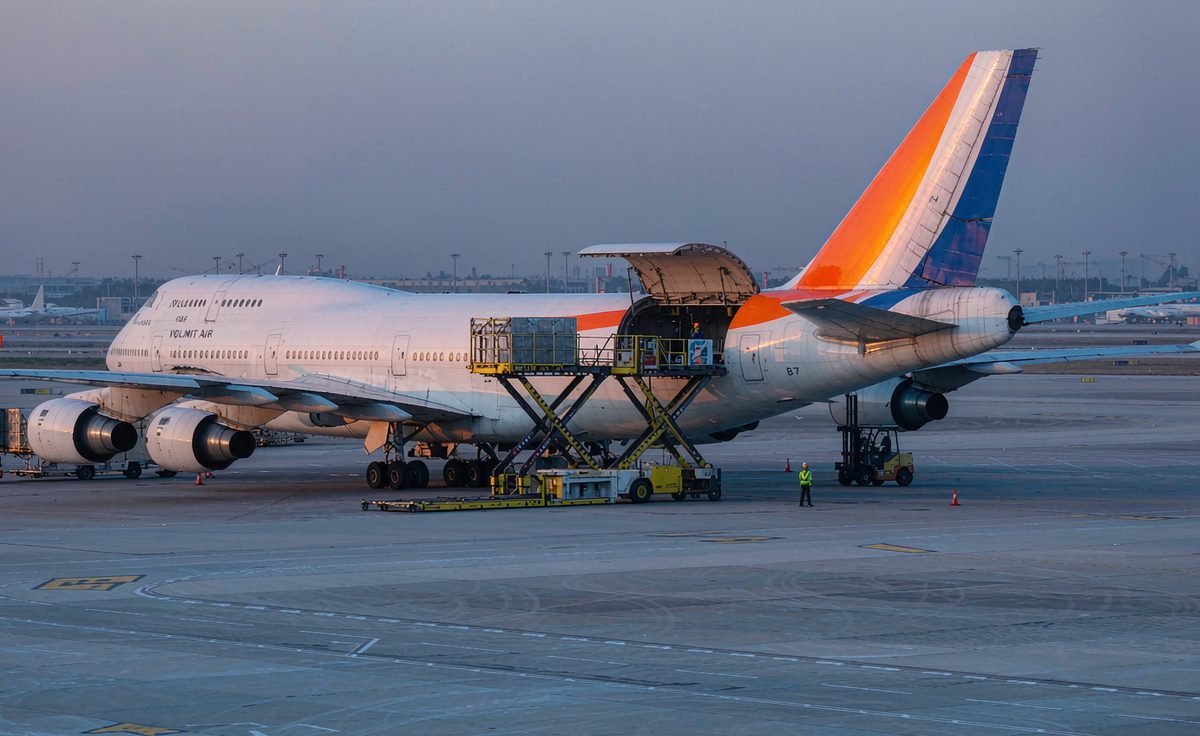
Transshipments via Dubai, Doha and Bangkok feed Karachi, Lahore and Islamabad daily. Air pays for itself on electronics, samples, fashion close to season, and spares for down machinery. The decision framework is in our China–Pakistan air freight guide.
When DDP makes sense
If you are importing for the first time or selling cross-border into Pakistan without a local clearing setup, DDP gives one all-in landed price. The trade-offs — importer-of-record issues, sales-tax creditability, and the risk of "too cheap" DDP operators under-declaring — are covered in our DDP to Pakistan deep-dive.
What is the step-by-step process and timeline?
| Step | Duration | Who acts |
|---|---|---|
| Supplier delivers cargo to our Shenzhen warehouse | Days 1–3 | Supplier (trucking from Yiwu adds 1–2 days) |
| Consolidation, export customs declaration, VGM | Days 3–6 | Waymore |
| Vessel sails Shekou → Colombo transshipment → Karachi | Days 6–34 | Carrier |
| Arrival, D/O, WeBOC Goods Declaration filing | Days 34–38 | Your clearing agent / ours |
| Examination (if selected), duty payment, release | Days 38–42 | Pakistan Customs + agent |
| Delivery to warehouse in Karachi / upcountry | Days 42–45 | Trucker |
Two seasonal warnings for 2027 planning. First, Chinese New Year (February 2027): factories shut for 2–3 weeks and space tightens from mid-January — our pre-CNY shipping checklist walks through cut-offs. Second, Ramadan and Eid: Pakistan's import rhythm slows during Ramadan, then surges before Eid; cargo arriving into that surge meets examination backlogs. Book 3–4 weeks ahead on both.
What can go wrong on this lane — and how we prevent it
- Valuation holds: Pakistan Customs maintains valuation rulings by HS code; invoices far below the ruling trigger reassessment. Fix: declare realistic values from day one.
- Rollovers on transshipped boxes: South China cargo via Colombo rolls most often in peak weeks. Fix: book direct Shanghai/Ningbo services when transit matters — see direct vs transshipment trade-offs.
- Free-time burn during clearance: examination queues eat demurrage-free days. Fix: negotiate 14+ days free time and pre-alert documents 5–7 days before arrival.
- Humidity damage: monsoon-season containers sweat badly on this 20+ day transit. Fix: desiccants and ventilated packing — our container desiccant guide has specifics.
Cargo insurance and Incoterms: who carries the risk?
On a lane with 20–35 days of ocean exposure, a Colombo transshipment, and monsoon-season container sweat, insurance is not optional padding — it is cheap risk transfer. Marine cargo cover costs roughly 0.2–0.4% of cargo value for Institute Cargo Clauses (A) "all-risks" terms; on a $50,000 shipment that is $100–$200 to protect against total loss. The details of coverage and exclusions are in our cargo insurance explainer.
Match the Incoterm to who actually manages the shipment. Our practical recommendations for China–Pakistan trade:
- EXW — only if you have a China-side agent you trust; otherwise you inherit factory-level trucking and export paperwork risks.
- FOB — the workhorse for regular importers. You control freight and destination costs; supplier handles local Chinese legs.
- CIF/CFR — acceptable, but check which carrier and which destination agent the supplier chose; a weak Karachi agent is the hidden cost inside many CIF prices.
- DDP — for hands-off buying; read the DDP pitfalls guide before signing.
One note on claims: whether insured or not, you have a short window to notify damage after container delivery — document with photos at unstuffing and notify in writing immediately, because late notice is the most common reason claims fail.
Buying at Canton Fair and Yiwu: the shipping workflow
A large share of Pakistan-bound cargo starts at the Canton Fair or in Yiwu's Futian market. The workflow we run for buyers collecting from multiple booths or suppliers:
- Pre-fair: tell us your commodity list and expected volume; we pre-book a consolidation slot and give you warehouse address and free-storage dates.
- At the fair: arrange supplier delivery to our Guangzhou or Yiwu warehouse with your name and our consolidation reference on every carton; get invoices and packing lists from each supplier, not just a fair receipt.
- After the fair: we inspect, count, weigh and photograph cargo, then consolidate into LCL or FCL. Mixed-supplier LCL is where Pakistan's low per-CBM rates really pay off — see how consolidation cuts cost 30%.
- Shipping: export declaration per supplier (each supplier declares its own value — important for Pakistani valuation checks), one B/L, one destination clearance.
Post-fair is also when space tightens: fair weeks and the two weeks after see a visible bump in South China export volume. Book the consol slot before the fair starts, not after it ends — our Canton Fair shipping survival guide has the full timeline.
Frequently Asked Questions
How long does shipping from China to Pakistan take?
Ocean freight to Karachi takes 18–26 days port-to-port from North China ports (Shanghai, Ningbo) and 25–35 days from South China via transshipment in Colombo or Port Klang. Add 3–7 days for Pakistan customs clearance. Door-to-door air freight from Guangzhou or Shanghai to Karachi, Lahore or Islamabad takes 4–8 days.
How much does it cost to ship a container from China to Pakistan?
In late 2026, a 20GP from Shanghai to Karachi runs roughly $800–$1,400 all-in port-to-port and a 40HC roughly $1,300–$2,200, depending on carrier and season. LCL costs about $15–$28 per CBM with minimums. Air freight ranges $2.60–$5.50 per kg depending on weight break and lane.
Which Pakistan port should I import through?
Karachi Port (KICT/SAPT terminals) handles most consumer cargo and is closest to Karachi's wholesale markets. Port Qasim (QICT) suits industrial and bulk cargo and much of the textile industry supply chain. For northern Punjab (Lahore, Faisalabad, Sialkot), both work — inland haulage from either port is 1,200–1,400 km, and carrier terminal choice matters more than port brand.
What documents do I need to import from China into Pakistan?
Core documents: commercial invoice, packing list, bill of lading, and certificate of origin. Depending on the commodity you may also need PSQCA certification, an NOC from the relevant authority, and — for your side — a valid NTN and GST registration plus an Import Registration Certificate (WebOC) for filing the Goods Declaration in Pakistan's WeBOC customs system.
Should I ship DDP or FOB from China to Pakistan?
FOB or EXW with your own customs broker gives you control and usually the lowest total cost if you have a trusted clearing agent in Karachi. DDP makes sense for first-time importers or e-commerce sellers who want a landed price with no surprise fees — but vet the DDP provider carefully, because Pakistani customs scrutinizes under-declared DDP consignments and you remain exposed if declarations are falsified.
- DDP Shipping from China to Pakistan: Costs, Rules & Pitfalls
- China to Pakistan Transit Times: Ports, Schedules & Delays
- China to Pakistan Customs Clearance: Documents, Duties & Process
- What Happens to Abandoned Cargo at Destination? Who Pays?
- Shipping Fitness Equipment from China: The Complete Exporter's Guide
- Shipping from Shanghai to Mumbai: Rates, Transit Times & Booking Guide
Get Today's Rate & Lock Your Discount
Waymore Shipping offers FCL & LCL ocean freight from every major port in China — Shanghai, Ningbo, Shenzhen, Guangzhou, Qingdao, Xiamen, Tianjin and more. Rates updated weekly with carrier discounts.