Shipping Lithium Batteries & E-bikes from China: 2026 Guide
- Lithium batteries are Class 9 dangerous goods: UN3480 (batteries alone), UN3481 (packed with or in equipment), UN3171 (battery-powered vehicles).
- Air shipments of lithium-ion batteries are capped at a 30% state of charge; UN3480 alone is banned on passenger aircraft.
- Ocean freight follows the IMDG Code — DG declaration, UN-certified packaging and carrier quota, but far more capacity than air.
- Expect a DG surcharge (typically $150–$400 by sea) plus certified packaging; book 1–2 weeks earlier than standard cargo.
- Fake or missing MSDS / UN38.3 papers are the top reason battery cargo gets rejected or detained at Chinese ports.
Yes — lithium batteries, e-bikes and power banks ship legally from China, but only as Class 9 dangerous goods under the correct UN number: UN3480 for batteries shipped alone, UN3481 for batteries packed with or installed in equipment, and UN3171 for battery-powered vehicles. Get the classification right and the cargo moves routinely; get it wrong and the container comes off the vessel.
Battery cargo is one of the largest categories we handle: in a typical week our Shenzhen team books dozens of DG shipments — power bank pallets, e-scooter containers, energy-storage cabinets — to the US, Europe and the Middle East. This guide explains the UN numbers, the sea-vs-air rule split, the paperwork, and the real costs, using the same checklist our DG desk applies to every booking.
UN3480 vs UN3481 vs UN3171: Which Classification Applies?
Classification decides everything — packaging, documents, mode options and price. Use this table:
| UN number | Proper shipping name | Typical cargo from China | Sea (IMDG) | Air (IATA) |
|---|---|---|---|---|
| UN3480 | Lithium ion batteries | Bulk power-tool packs, spare e-bike batteries, power bank cells shipped alone | Class 9, PI 965, full DG doc set | Class 9, PI 965 Section IA/IB; banned on passenger aircraft; cargo-aircraft only; ≤30% SoC |
| UN3481 | Lithium ion batteries packed with equipment / contained in equipment | Laptops, phones, a spare battery packed inside a drone box, GPS trackers | PI 966 (with) / 967 (contained); small cells may qualify for limited-quantity relief | PI 966/967; small-battery exemptions exist (≤100 Wh); installed batteries ≤30% SoC where required |
| UN3171 | Battery-powered vehicle | E-bikes, e-scooters, e-mopeds, electric wheelchairs, forklifts, ride-on toys | Class 9, PI 952; crated with battery secured | PI 952, cargo aircraft only; many airlines restrict — sea strongly preferred |
| UN3090/3091 | Lithium metal batteries | Non-rechargeable coin cells, primary lithium packs | Class 9, stricter quotas | Banned on passenger aircraft (UN3090) |
The common trap: a factory ships 300 e-bikes in one container as "electric bicycles," but under IMDG each unit is a battery-powered vehicle (UN3171) because the battery is installed. The same e-bike shipped with its battery disconnected and boxed separately becomes two consignments — a UN3171 vehicle and a UN3480 battery — each with its own requirements. Our DG desk asks for photos of how the battery is mounted before we even request space.
What Are SoC and SoH — and Why Do Carriers Care?
State of Charge (SoC) is how full a battery is, expressed as a percentage of rated capacity. State of Health (SoH) measures battery aging — capacity remaining compared to new, usually as a percentage. Regulators care because most lithium fires start in cells under electrical stress or in degraded cells:
- Air freight: IATA caps lithium-ion cargo at ≤30% SoC. A shipper must sign a SoC declaration; carriers may reject units they cannot verify. For used or refurbished e-bikes, some airlines also request an SoH statement proving the pack is not degraded.
- Sea freight: IMDG does not impose a fixed 30% ceiling, but leading carriers' DG manuals still recommend or require low-SoC shipments, and reputable factories ship e-bike and power-bank orders at roughly 30% to cut risk and self-discharge in transit.
- Practical tip: instruct your supplier in writing: "ship at ≤30% SoC, batteries powered off, terminals taped or capped." It costs nothing and removes the most common rejection reason.
Sea vs Air: What the Rules Actually Allow
Ocean Freight (IMDG Code) — the Default for Batteries
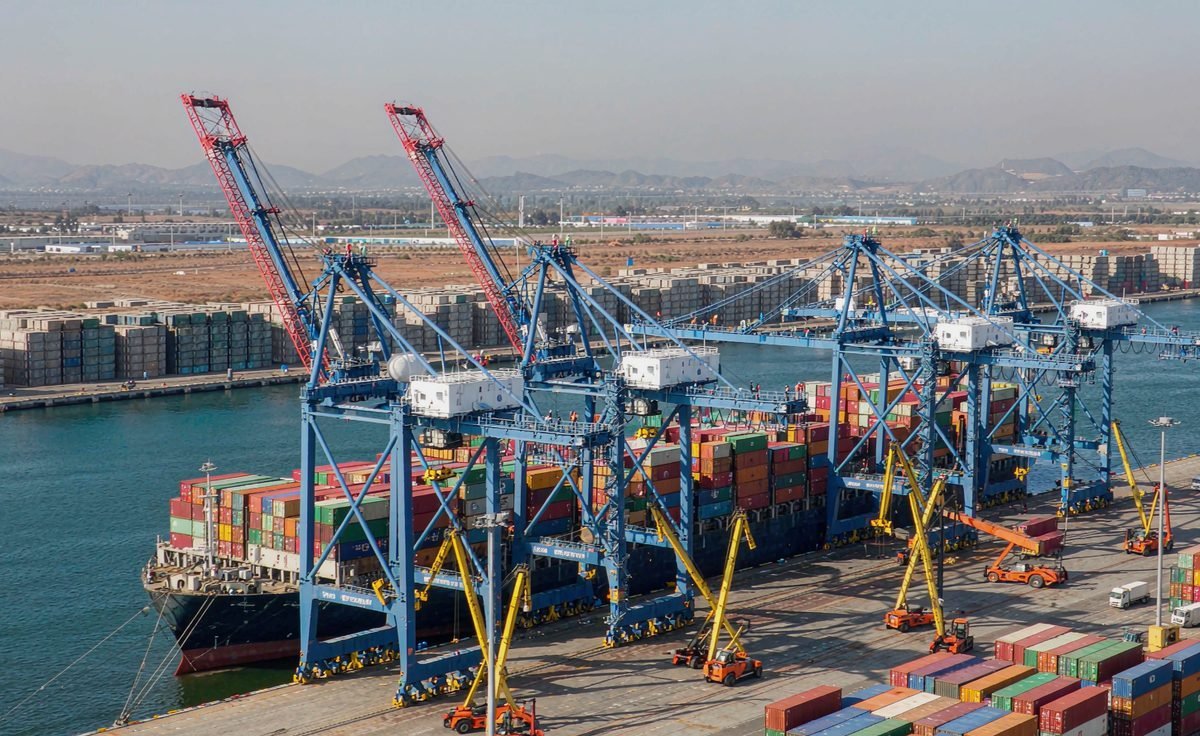
Sea transport follows the IMDG Code published by the International Maritime Organization. Full containers of UN3480, UN3481 or UN3171 move as Class 9 DG: the forwarder lodges a DG declaration with the carrier, the container gets a Class 9 placard, and it is loaded into a segregated DG bay on the vessel. Constraints are practical rather than legal: each carrier publishes a DG acceptance list and monthly quota per lane, so DG space on a given sailing can sell out — book one to two weeks earlier than you would for general cargo. LCL for batteries is possible only through operators running certified DG consolidation, since lithium cargo cannot share a box with ordinary goods.
Air Freight (IATA DGR) — Possible, Priced, Restricted
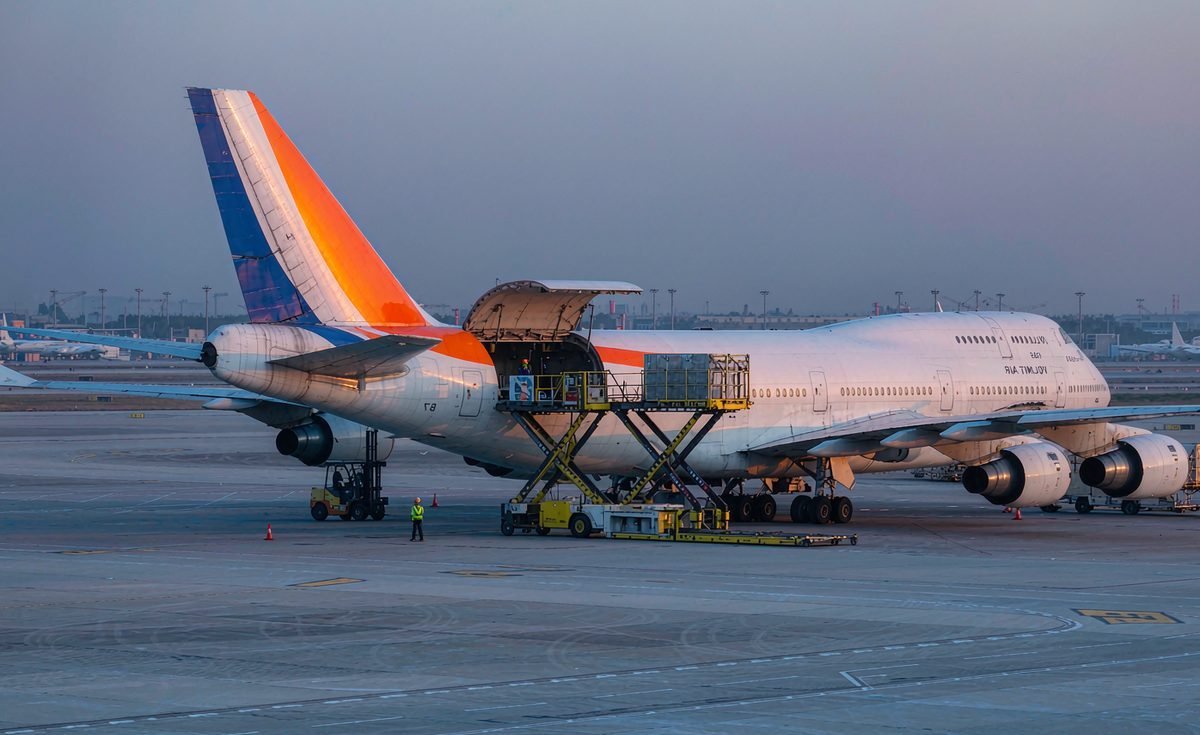
Air follows the IATA Dangerous Goods Regulations. Key limits: UN3480 flies cargo-aircraft only and is banned on passenger planes outright; SoC ≤30% applies; standalone batteries need Section IA or IB packing; and many airports in and out of China restrict certain battery streams during peak periods. Air makes sense for samples, urgent small orders, and UN3481 equipment with small installed batteries (≤100 Wh, phones, laptops) that qualify for lighter-touch provisions. For anything bulky — e-bike fleets, power stations, pallets of packs — ocean wins on both cost and hassle, as our air vs sea comparison quantifies.
What Documents Do You Need for Battery Cargo?
| Document | Who issues it | Sea | Air |
|---|---|---|---|
| DG Declaration (DGD) | Shipper / DG-trained forwarder | Required | Required |
| MSDS / SDS | Battery manufacturer | Required | Required |
| UN38.3 test summary | Accredited test lab via factory | Required | Required |
| Packing certificate / container packing cert | Forwarder at stuffing | Required | — |
| SoC declaration (≤30%) | Shipper | Often requested | Required |
| UN-spec packaging marks (e.g. 4G/Y30/S) | Packaging supplier | Required (PI 965/966) | Required |
| Class 9 label + UN number marks | Shipper | On every package | On every package |
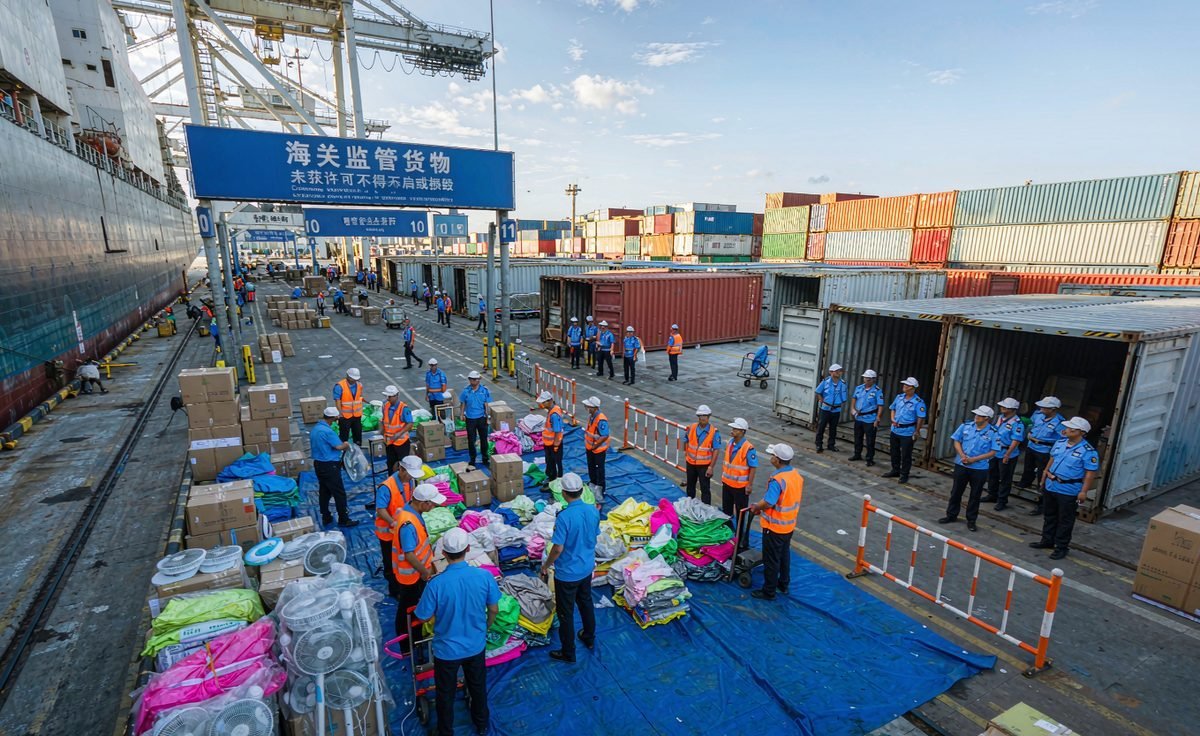
Chinese export customs additionally screens battery exporters: the factory (or the buy-export agent) must be registered to ship DG, and customs may request the UN38.3 summary at declaration stage. If your supplier has never exported batteries before, budget extra days — or route the export through an agent experienced with dangerous goods from China. The full rules live in the IMDG Code and IATA DGR, but acceptance practice varies carrier by carrier, which is why we confirm DG acceptance with the line before quoting.
Why Do Battery Shipments Get Rejected? The Top 5 Reasons
Our DG desk pre-screens every battery booking against the rejection patterns we see most often. Fix these before you request space and your cargo will flow:
- Generic or homemade MSDS. The document must name the exact cell model, watt-hour rating and manufacturer. A copied template from another battery fails carrier review instantly.
- Missing UN38.3 test summary. Since 2020 this summary is a formal requirement, not a nice-to-have; without it the booking is refused, full stop.
- Wrong packaging for UN3480. Standalone lithium-ion packs need UN-specification fiberboard or wooden boxes with inner dividers and non-conductive cushioning — ordinary cartons get photographed and rejected at the CFS.
- SoC not declared or obviously high. If a bike arrives with a charged display showing 90%, the terminal can hold the whole container.
- Labels on the wrong faces. Class 9 labels and UN number marks must appear on one side of each package, never on the bottom and never covered by strapping.
A useful rule for new importers: ask the supplier for the full battery document pack before paying the deposit. Factories that export batteries regularly produce it in a day; hesitation is a signal that the goods will struggle to leave China legally. If a supplier cannot supply documents, our team can often route the export through a qualified buy-export agent — ask us before placing the order, not after.
How Much Does DG Shipping Cost — a Real Example?
Take a typical order: 80 e-bikes, UN3171, one 40HC, Shenzhen to Hamburg. Against an ordinary 40HC base rate, add: DG surcharge ≈ $250–$400, DG documentation service ≈ $80–$150, upgraded crating and terminal protection ≈ $12–$18 per bike, and marine liability insurance priced on declared DG value. Destination clearance is standard, but some EU ports apply a small DG handling fee at the terminal. Total premium over non-DG freight: typically 8–15%. Air freight the same fleet would cost several times more and face aircraft-type restrictions — sea is the rational default.
Power banks and standalone packs (UN3480) behave similarly by sea: the container must go on a DG-accepting service, and space is the constraint, not the paperwork. According to carrier advisories and IMO guidance, acceptance windows tighten around peak season, so lock DG bookings early — the same early-booking logic we recommend for peak season space.
Frequently Asked Questions
Can you ship lithium batteries from China?
Yes, lithium batteries ship legally from China by sea under the IMDG Code and by air under IATA's Dangerous Goods Regulations, using UN3480 for standalone batteries, UN3481 for batteries packed with or contained in equipment, and UN3171 for battery-powered vehicles like e-bikes. They require DG declarations, UN-certified packaging, correct marking and, for many air shipments, a max 30% state of charge.
What is the difference between UN3480 and UN3481?
UN3480 covers lithium-ion batteries shipped alone, such as power tool packs in bulk cartons. UN3481 covers lithium-ion batteries either packed with equipment (a spare battery in the same box as a drill) or contained in equipment (a battery installed inside a laptop). UN3480 faces the strictest rules, including full Class 9 dangerous goods treatment and, on passenger aircraft, an outright ban.
What does 30% state of charge (SoC) mean for battery air freight?
IATA rules cap lithium-ion batteries shipped by air at a state of charge of 30% of their rated capacity, because a lower charge dramatically reduces fire intensity if a cell goes into thermal runaway. For e-bikes under UN3171 moved as cargo, many carriers also ask for the battery at or near 30% SoC, confirmed on a SoC declaration form signed by the shipper.
Can e-bikes ship by sea from China in containers?
Yes. E-bikes, e-scooters and e-mopeds ship by sea as Class 9 dangerous goods under UN3171, battery-powered vehicle. They need a DG declaration, an MSDS for the battery, UN-approved packaging or secure crating, and carriers accept them subject to DG surcharges and quarterly quota. Fully sea-worthy crating with the battery secured and terminals protected is standard practice.
How much does it cost to ship batteries as dangerous goods?
Expect a dangerous goods surcharge per shipment (commonly $150–$400 by sea, more by air), UN-certified packaging costs, and slower routing because DG containers are loaded in special segregated bays. Ocean DG acceptance also depends on the carrier's monthly DG quota, so booking one to two weeks earlier than normal cargo is strongly advised.
What documents are needed to ship lithium batteries from China?
The core set is: a Dangerous Goods Declaration (DGD) signed by a trained shipper, the battery's MSDS or UN38.3 test summary, a packing certificate for sea shipments, UN-specification packaging marks, the correct Class 9 lithium battery label and UN number marking, plus a state of charge declaration when required. Export customs in China will also check that the factory holds valid battery export credentials.
- Shipping from Shenzhen to London: Rates, Transit Times & Booking Guide (2026)
- Our Holiday Logistics Schedule: Christmas & New Year 2026
- Shipping from Shenzhen to Dubai: Rates, Transit Times & Booking Guide (2026)
- Shipping from Shenzhen to Sydney: Rates, Transit Times & Booking Guide (2026)
- Shipping from Guangzhou to Mumbai: Rates, Transit Times & Booking Guide
- Incoterms 2020 Explained: All 11 Rules Made Simple
Get Today's Rate & Lock Your Discount
Waymore Shipping offers FCL & LCL ocean freight from every major port in China — Shanghai, Ningbo, Shenzhen, Guangzhou, Qingdao, Xiamen, Tianjin and more. Rates updated weekly with carrier discounts.