Shipping from Xiamen to Dubai: Rates, Transit Times & Booking Guide
- Xiamen–Jebel Ali runs 18–24 days port-to-port — one of the shorter long-haul lanes out of China.
- All-in rates typically run USD 1,200–2,200 per 40HC, with just 5% import duty on most goods — among the world's lowest-cost clearance regimes.
- Clearance goes through Dubai Customs' Mirsal system; the consignee needs a UAE trade license and customs code.
- Jebel Ali is also the GCC re-export hub — JAFZA free-zone structures can legally avoid duty for re-export cargo.
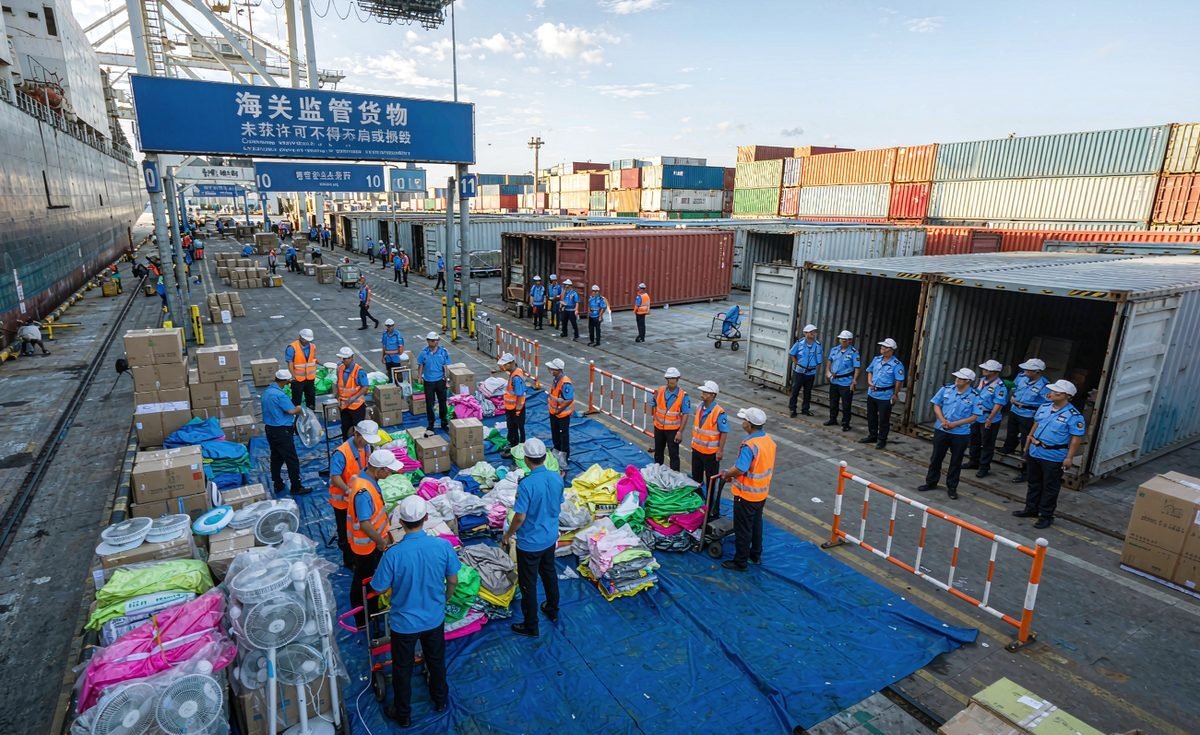
- Xiamen cut-offs: export customs 3 working days out, VGM 48–72 hours, gate-in 24–36 hours before berthing at Haicang.
Shipping from Xiamen to Dubai takes 18–24 days port-to-port into Jebel Ali, with all-in FCL rates typically between USD 1,200–2,200 per 40HC and only 5% import duty on most goods. The short transit and light-duty regime make this one of the easiest lanes for first-time importers from China.
Dubai is both a destination market and the Gulf's distribution hub — many of our clients clear into Jebel Ali and re-export to Saudi Arabia, Oman or East Africa. This guide covers the service map from Xiamen, a realistic cost stack, UAE customs specifics (Mirsal, attestation, regulated goods), and the cut-off calendar we book against every week.

How Long Does Shipping from Xiamen to Dubai Take?
Jebel Ali receives multiple weekly services from China. The Indian Ocean leg after the Malacca Strait is fast open-water sailing, so transit depends mostly on the Asian port ladder:
| Service | Routing ex-Xiamen | Transit to Jebel Ali | Frequency |
|---|---|---|---|
| Near-direct Gulf string | Xiamen → Ningbo → Shekou → Jebel Ali | 18–20 days | Weekly (COSCO, CMA CGM, Maersk) |
| Hub transshipment | Xiamen → Singapore/Port Klang → Jebel Ali | 20–24 days | 1–2 weekly incl. MSC space |
| LCL consolidation | Xiamen CFS → transship → Jebel Ali CFS | 24–32 days | Weekly Waymore box |
| Air freight | XMN → DXB direct or via connections | 1–4 days | Daily; USD 3.2–5.8/kg all-in |
Transshipment risk is low — the Singapore–Gulf leg is one of the most frequent corridors in the world, so a missed connection usually costs 3–5 days, not weeks. Port-side, Jebel Ali handles congestion well (trackable on IMF PortWatch); the bigger variable is Indian Ocean routing around Gulf tensions, which we monitor through schedule feeds and MarineTraffic and flag proactively on affected bookings.
How Much Does It Cost to Ship from Xiamen to Dubai?
The Gulf lane prices below Europe and North America thanks to strong carrier competition and moderate distance. Rate direction shows in the SCFI Asia–Gulf readings and the Drewry WCI; your actual quote depends on weekly space, refreshed on our rates page every week. A realistic stack for a 40HC of building materials to a Dubai warehouse:
| Cost item | Typical amount | Paid where |
|---|---|---|
| Ocean freight 40HC all-in | USD 1,200–2,200 | China, via Waymore |
| Ocean freight 20GP all-in | USD 800–1,400 | China, via Waymore |
| Fujian trucking + THC + export customs + docs | USD 280–480 | China |
| Jebel Ali THC + ISPS + documentation + D.O. | USD 300–500 | UAE |
| UAE import duty | 5% of CIF value (most goods); higher/exempt categories exist | Dubai Customs |
| UAE VAT (5%) | 5% for VAT-registered importers, reclaimable as input tax | Federal Tax Authority |
| Trucking Jebel Ali → Dubai/Sharjah/Abu Dhabi warehouse | USD 150–350 | UAE |
Why buyers love this lane: 5% duty plus 5% reclaimable VAT means the tax burden on a USD 50,000 CIF shipment is about USD 2,500 — versus multiples of that in Brazil, India or the EU. The main cost surprises are product-specific: alcohol, tobacco and certain cosmetics face much higher rates, and food items need extra permits. We verify your commodity's treatment before booking, and our quote hidden-fees guide keeps destination charges honest.
Mini-case: 3×40HC of sanitaryware, Xiamen to Sharjah (re-export to Oman)
A Gulf trading house moved three 40HCs of ceramic sanitaryware with us in October 2026. Their end market was partly UAE, partly Oman. We structured the shipment to clear two 40HCs into the mainland under their UAE importer code and one into JAFZA free zone for onward re-export to Muscat — avoiding UAE duty on the re-export portion entirely. Freight ran USD 1,470 per 40HC all-in on a near-direct string; all three cleared within 4 days of berthing. Total duty saved on the JAFZA box: roughly USD 1,100 — more than the entire origin trucking cost.
What UAE Compliance Rules Apply Before Your Container Loads?
Consignee, license and Mirsal
The UAE consignee needs an active trade license and Dubai Customs code; clearance is filed through the Mirsal system. The Bill of Lading must show the licensed entity exactly — trading companies importing for clients should appear as consignee or notify consistently across documents. First-time importers should read our step-by-step import-from-China guide before the first booking.
Certificate of Origin and attestation
A Certificate of Origin issued by a Chinese CCPIT/chamber is standard; many UAE buyers and banks require it chamber-attested and sometimes legalized. Confirm the requirement with your buyer's bank at order time — retrofitting attestation after the box sails is possible but slow.
Regulated and restricted goods
- Food and cosmetics: permits and Arabic labeling requirements (Dubai Municipality/ESMA standards).
- Electronics: ECAS/ESMA conformity for many categories.
- Prohibited items: check before packing — the list is short but enforced strictly at Jebel Ali.
Chinese export side
Cargo declares through China Customs with accurate HS codes and values. Building materials from Fujian's stone and tile clusters are this lane's bread and butter; lithium-battery goods follow UN38.3/DG rules as covered in our battery shipping guide.
When Should You Book, and What Are the Xiamen Cut-offs?
- Booking: 7–10 days ahead normally; 3–4 weeks before Chinese New Year (February 2027) when Gulf space tightens.
- Export customs declaration: 3 working days before ETD.
- VGM: 48–72 hours before ETD — heavy stone/tile cargo especially needs early weighbridge slots (see what VGM is and what happens if it's late).
- Gate-in: 24–36 hours before berthing at Haicang/Songyu.
For UAE Ramadan and Eid retail cycles (Ramadan 2027 begins around early February — coinciding with CNY!), plan earlier than instinct suggests: combine the CNY countdown in our pre-CNY guide with your Gulf sales calendar, and ETD by late December for February shelf stock.
Jebel Ali as a re-export platform
If your customers span the GCC, consider clearing into JAFZA and re-exporting: no UAE duty on re-export, frequent feeders to Dammam, Doha, Kuwait, Muscat and East African ports. The structure needs the right license setup in advance — we coordinate the workflow with our Jebel Ali agents regularly. For comparison of delivery models, see what DDP shipping from China really costs.
FCL or LCL from Xiamen to Dubai?
Under ~13 CBM, our weekly LCL box wins; above that, a 20GP often matches the LCL total because Gulf CFS fees are moderate but cubic rates rise fast for heavy goods. Stone, tile and sanitaryware usually go FCL earlier than volume alone suggests — floor-loaded heavy cargo in a dedicated box avoids CFS handling charges calculated by weight. Capacity planning starts with how to calculate CBM and chargeable weight, and the full decision framework is in FCL vs LCL: which is cheaper.
Mainland Clearance or Free Zone? Choosing Your UAE Import Structure
The single biggest planning decision for Jebel Ali cargo is where the goods clear. The UAE offers parallel regimes, and the right one can cut duty to zero:
| Structure | Duty treatment | Best for |
|---|---|---|
| Mainland clearance (Dubai/Sharjah/Abu Dhabi) | 5% duty + 5% VAT on most goods | Goods sold inside the UAE |
| JAFZA / free-zone clearance | No duty while goods stay in zone | Re-export to GCC/East Africa; regional distribution |
| Transshipment (never customs-cleared in UAE) | No UAE duty; onward BL to final port | Direct GCC or African deliveries via Jebel Ali feeder |
Free-zone goods sold onward into the UAE mainland still pay duty at that point — the exemption is for zone-to-export flows. Get the structure right before booking, because the BL consignee and discharge instruction must match it. Our Jebel Ali agents set this up routinely and can hold a shipment in zone while your downstream buyer confirms.
Onward GCC routing from Jebel Ali
- Saudi Arabia (Dammam): frequent feeder, 2–4 days; Saudi customs requires SABER/SASO conformity certificates — prepare before the container leaves China.
- Qatar (Hamad Port): 1–3 days by feeder.
- Kuwait (Shuwaikh): 3–5 days.
- Oman (Sohar/Muscat): 1–3 days; trucking via the Hatta border is an alternative for cargo near the eastern UAE.
If the final destination is Saudi Arabia, note that SABER certificates (product + shipment level) must exist before loading — a missing SASO-type approval is the most common GCC stoppage we see. We verify GCC certificate status as part of the standard booking checklist.
Timing around Ramadan and Gulf holidays
Gulf import demand peaks before Ramadan and Eid, and government offices shift hours during those months. Because Ramadan 2027 begins around early February — overlapping Chinese New Year — 2027 pre-Ramadan stock needs to load from China by late November/early December 2026. Factor a working-days calendar for both festivals when you set delivery promises; the combined effect on space and clearance speed is larger than either alone.
Common booking mistakes on the China–Gulf lane
From our Xiamen booking logs, three habits cause most Jebel Ali problems:
- Wrong consignee naming on the BL. Gulf banks and customs cross-check the consignee against the trade license and any letter of credit; a "roughly right" name is exactly wrong enough to hold clearance. Send us the license copy at booking and we match it character for character.
- Underestimating heavy-cargo handling. Tiles, stone and sanitaryware routinely cube out below 60 CBM but max the weight limit. stuffing plans need weight distribution across the floor — concentrated pallets create VGM surprises and, worse, unloading problems at destination warehouses without forklift capacity.
- Ignoring Gulf holiday calendars on both ends. The UAE weekend is Friday–Saturday, Ramadan hours compress clearance, and Chinese New Year halves Chinese output simultaneously in early 2027. A delivery promise made without the dual-calendar check will miss — book with buffers as outlined in our congestion survival guide.
Frequently Asked Questions
How long is shipping from Xiamen to Dubai?
Services to Jebel Ali run about 18–24 days port-to-port, routing via Southeast Asian hubs before crossing the Indian Ocean; near-direct strings complete the leg in 18–20 days. Add 3–7 days for UAE customs clearance and terminal release.
What does a 40HC cost from Xiamen to Dubai?
All-in FCL rates typically range from USD 1,200–2,200 per 40HC and USD 800–1,400 per 20GP. UAE-side charges add roughly USD 300–500, plus 5% import duty on most goods and 5% reclaimable VAT for UAE-registered importers.
What documents does UAE customs require?
UAE imports require a commercial invoice and packing list, Bill of Lading showing the UAE consignee, a Certificate of Origin (chamber-attested where the buyer or bank requires it), and the importer's UAE trade license with customs code. Clearance is filed through Dubai Customs' Mirsal system.
Is Jebel Ali the same as Port Rashid for Dubai cargo?
Jebel Ali is Dubai's main container port and receives nearly all China services; Port Rashid handles mostly RoRo and cruise traffic with limited container calls. Confirm the terminal on your booking, as haulage to your warehouse differs by location.
Can Jebel Ali shipments be re-exported to other GCC countries?
Yes. Jebel Ali is the Gulf's transshipment hub, with frequent feeders to Saudi Arabia, Qatar, Kuwait, Oman and East Africa. Many importers clear into Jebel Ali Free Zone (JAFZA) and re-export without paying UAE duty — a structure to set up with your forwarder before booking.
- Shipping from Xiamen to Hamburg: Rates, Transit Times & Booking Guide
- Shipping from Xiamen to Sydney: Rates, Transit Times & Booking Guide
- Shipping from Xiamen to Santos: Rates, Transit Times & Booking Guide
- Shipping from Ningbo to Dubai: Rates, Transit Times & Booking Guide
- Shipping from Xiamen to Rotterdam: Rates, Transit Times & Booking Guide
- Shipping from Tianjin to Dubai: Rates, Transit Times & Booking Guide
Get Today's Rate & Lock Your Discount
Waymore Shipping offers FCL & LCL ocean freight from every major port in China — Shanghai, Ningbo, Shenzhen, Guangzhou, Qingdao, Xiamen, Tianjin and more. Rates updated weekly with carrier discounts.